
Florida, the Sunshine State, beckons with its sun-drenched beaches, vibrant theme parks, and diverse landscapes. For many, the dream of living or vacationing in Florida involves more than just experiencing its attractions; it means finding a place to stay. Whether you’re contemplating a long-term relocation, planning an extended holiday, or simply curious about the cost of a temporary abode, understanding rental prices is crucial. This guide delves into the multifaceted world of Florida rentals, exploring the factors that influence costs and providing insights into what you can expect across different regions and accommodation types.
The demand for rental properties in Florida is consistently high, driven by a perennial influx of tourists, seasonal residents, and individuals seeking a more permanent lifestyle under its warm skies. This robust demand, coupled with varying economic conditions and geographical desirability, creates a dynamic rental market. From luxurious beachfront villas to budget-friendly apartments in bustling city centers, the spectrum of accommodation options is as broad as the state itself. Navigating this market requires an understanding of key cost drivers and the unique characteristics of different areas.
Factors Influencing Florida Rental Prices
Several interconnected elements contribute to the overall cost of renting in Florida. These factors can cause significant fluctuations in pricing, making it essential to consider them when budgeting for your stay or move.
Location, Location, Location
The adage “location, location, location” holds particularly true for the Florida rental market. Proximity to popular attractions, major metropolitan areas, and desirable coastal regions invariably commands higher rental rates.
Coastal Proximity and Beachfront Access
Properties situated along the pristine coastline, offering direct beach access or stunning ocean views, are among the most sought-after and expensive. Areas like Miami Beach, Naples, and the Florida Keys are prime examples where beachfront rentals can reach premium prices. The allure of waking up to the sound of the waves and stepping onto the sand directly from your accommodation is a luxury that comes at a cost. Even properties a short walk or drive from the beach will generally be priced higher than those located inland.
Proximity to Major Cities and Tourist Hubs
Major metropolitan areas like Orlando, Tampa, and Jacksonville offer a wide array of rental options, but prices are significantly influenced by their proximity to business districts, entertainment venues, and popular tourist attractions. For instance, living near the world-renowned theme parks of Orlando, such as Walt Disney World or Universal Orlando Resort, will likely mean higher rental costs due to the constant demand from tourists and park employees. Similarly, rentals in the vibrant cultural and nightlife scenes of cities like Miami will also reflect their desirability.
Neighborhood and Community Amenities
Within any given city or town, the specific neighborhood plays a vital role. Gated communities, those with exclusive amenities such as swimming pools, fitness centers, or golf courses, and neighborhoods known for their safety, good schools, or upscale lifestyle will command higher rental prices. The perceived prestige and convenience of a particular area can significantly impact what landlords can charge. For example, renting within the exclusive confines of a community like Boca Raton will generally be more expensive than in less established areas.
Type of Accommodation
The form your Florida abode takes dramatically affects its rental price. From spacious villas to compact studios, each type caters to different needs and budgets.
Single-Family Homes vs. Apartments and Condos
Renting a single-family home typically offers more space, privacy, and often includes a yard, but it generally comes with a higher price tag compared to apartments or condos. Apartments and condos, on the other hand, can be more budget-friendly, especially in urban areas, and often include shared amenities like pools or gyms. The size and number of bedrooms within these dwelling types will also be a primary factor. A three-bedroom apartment will, of course, be more expensive than a studio.
Short-Term vs. Long-Term Stays
The duration of your rental significantly impacts pricing. Short-term rentals, such as those booked through platforms like Airbnb or offered by vacation rental agencies, are priced on a nightly, weekly, or monthly basis and generally have higher per-diem rates to account for turnover, cleaning, and furnishings. These are ideal for vacations or temporary stays. Long-term rentals, typically for leases of six months or more, are usually priced monthly and are more cost-effective for residents or those planning an extended stay. The market for long-term rentals often focuses on unfurnished properties, allowing renters to personalize their living space.
Luxury Villas and Resorts
For those seeking an opulent experience, luxury villas and high-end resort apartments offer unparalleled amenities and services. These can include private pools, concierge services, gourmet kitchens, and access to exclusive golf courses or spas. Such accommodations, often found in areas like Palm Beach or exclusive communities within Orlando, represent the higher end of the rental market and are priced accordingly. Think of the exquisite offerings at places like the Ritz-Carlton or sprawling estates in Espanola Way.
Time of Year and Seasonality
Florida experiences distinct tourist seasons, which directly influence rental demand and pricing.
Peak Tourist Seasons (Winter and Spring Break)
The winter months (December to April) and the spring break period (typically March) are considered peak seasons in much of Florida. This is when snowbirds from colder climates flock to the state, and families descend for holidays and school breaks. Demand for accommodation, both short-term and long-term rentals, surges during these times, leading to significantly higher rental prices. Coastal areas and cities with major attractions see the most dramatic price increases. Expect to pay a premium for any desirable accommodation during these months.
Off-Peak Seasons (Summer and Fall)
The summer months (June to August) can still be busy, especially with families, but can also be characterized by high heat and humidity, which may deter some. The fall season (September to November) generally sees a dip in tourism after the summer rush and before the winter snowbirds arrive, often presenting an opportunity for more affordable rental rates. However, it’s important to note that areas prone to hurricanes might see price adjustments during hurricane season, which officially runs from June 1st to November 30th, although this doesn’t always translate to lower prices for desirable properties.
Size, Amenities, and Condition of the Property
Beyond location and type, the specifics of the rental unit itself play a substantial role in its price.
Number of Bedrooms and Bathrooms
As with most real estate markets, the size of a rental property, measured by the number of bedrooms and bathrooms, is a primary determinant of cost. A two-bedroom apartment will naturally cost more than a one-bedroom unit, and a four-bedroom house will be at the higher end of the spectrum. This is a fundamental aspect of rental pricing that applies universally.
Included Amenities (Pool, Gym, Furnishings, Utilities)
Properties offering desirable amenities tend to command higher rents. A rental with a private swimming pool, access to a community gym, included utilities (water, electricity, internet), or being fully furnished will typically be more expensive than a basic unit without these features. For vacation rentals, the level of furnishing and the quality of amenities can be a significant differentiator. A fully equipped kitchen in a South Beach condo might include high-end appliances, contributing to a higher rental cost.
Condition and Age of the Property
Newly renovated or modern properties with updated fixtures and appliances will generally command higher rental rates than older properties that may require updates. The overall condition, maintenance, and aesthetic appeal of the rental unit and the building or complex it is part of will influence pricing. A well-maintained property in a desirable neighborhood will always be more valuable.
Average Rental Costs Across Florida
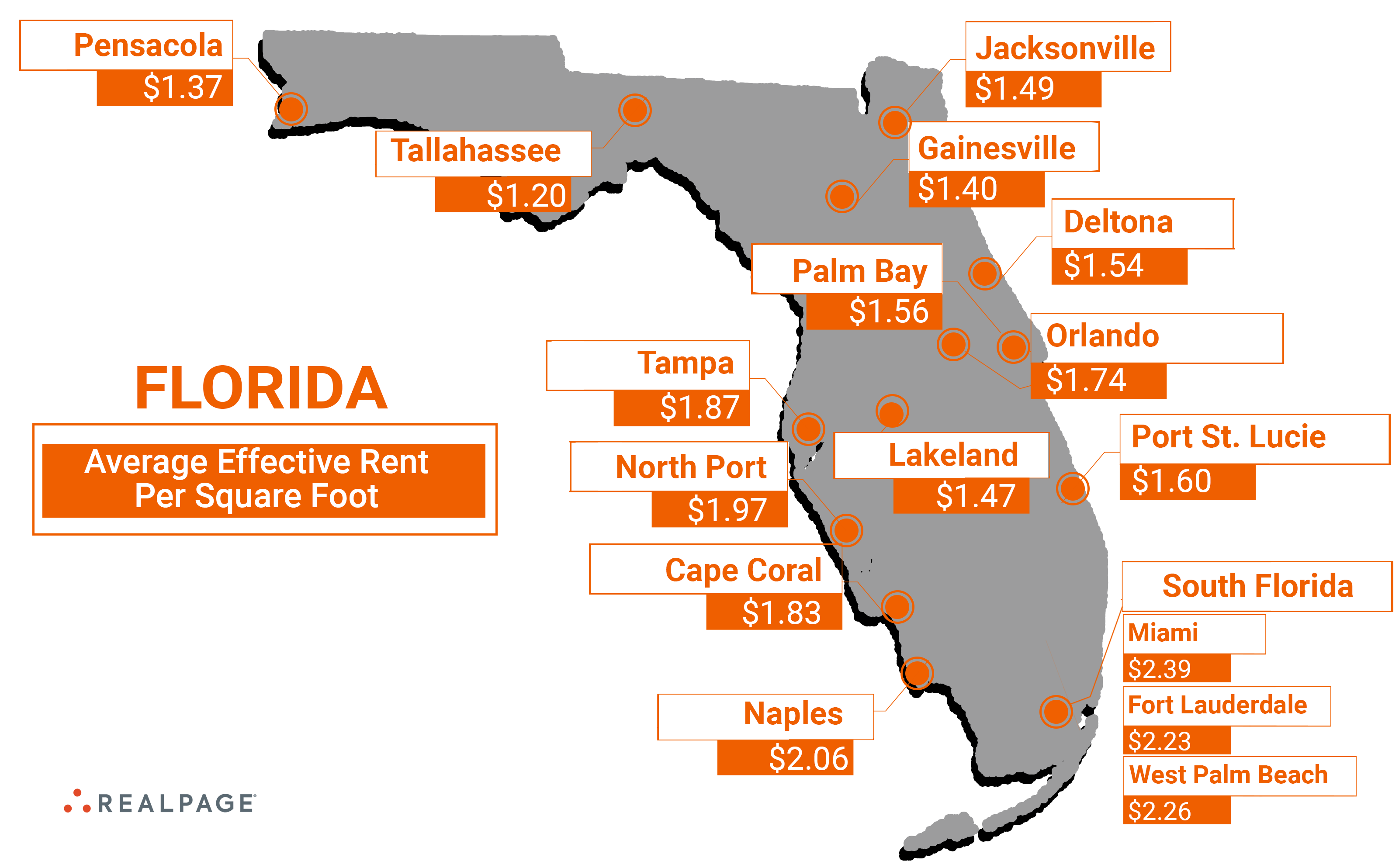
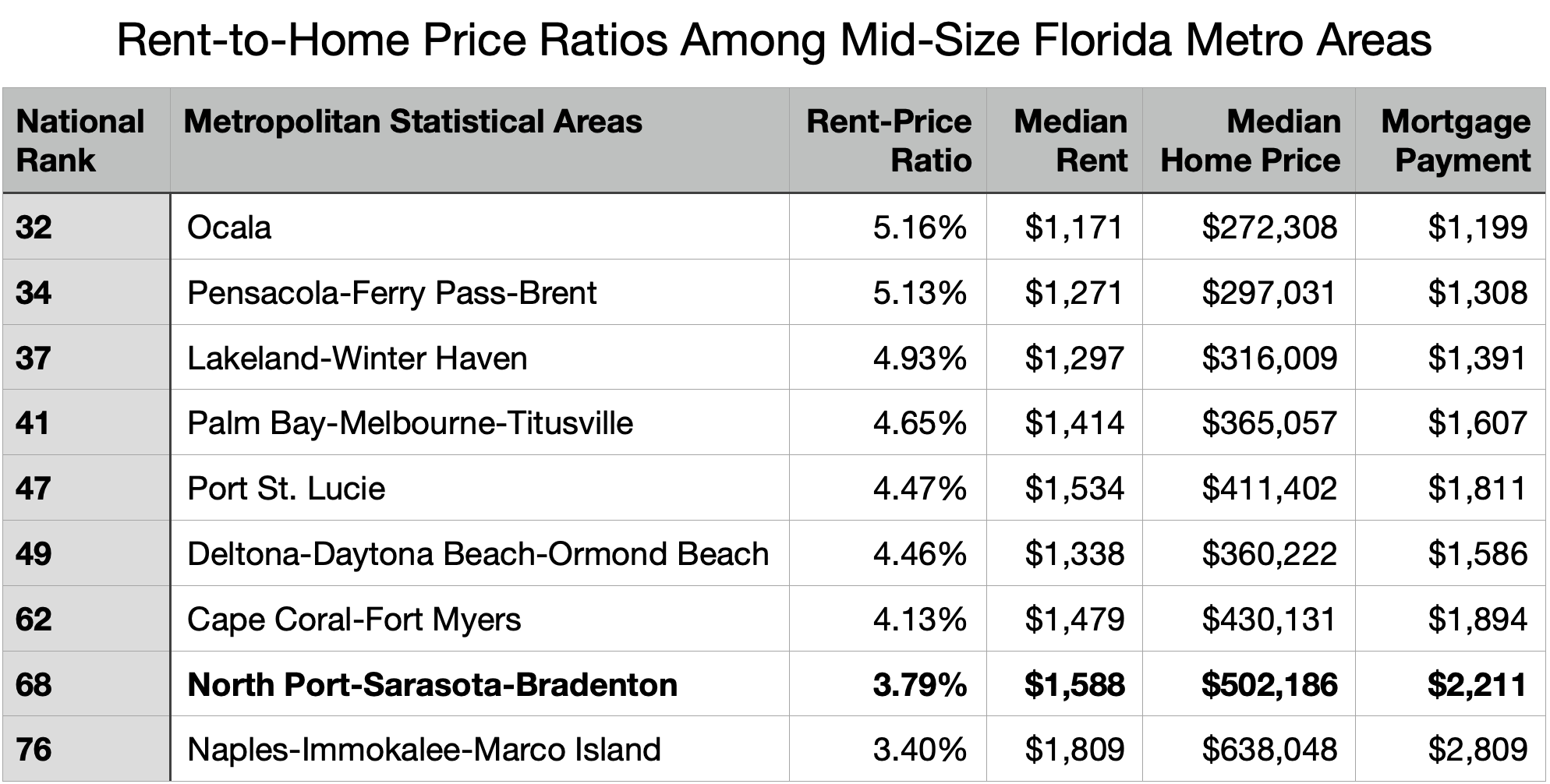
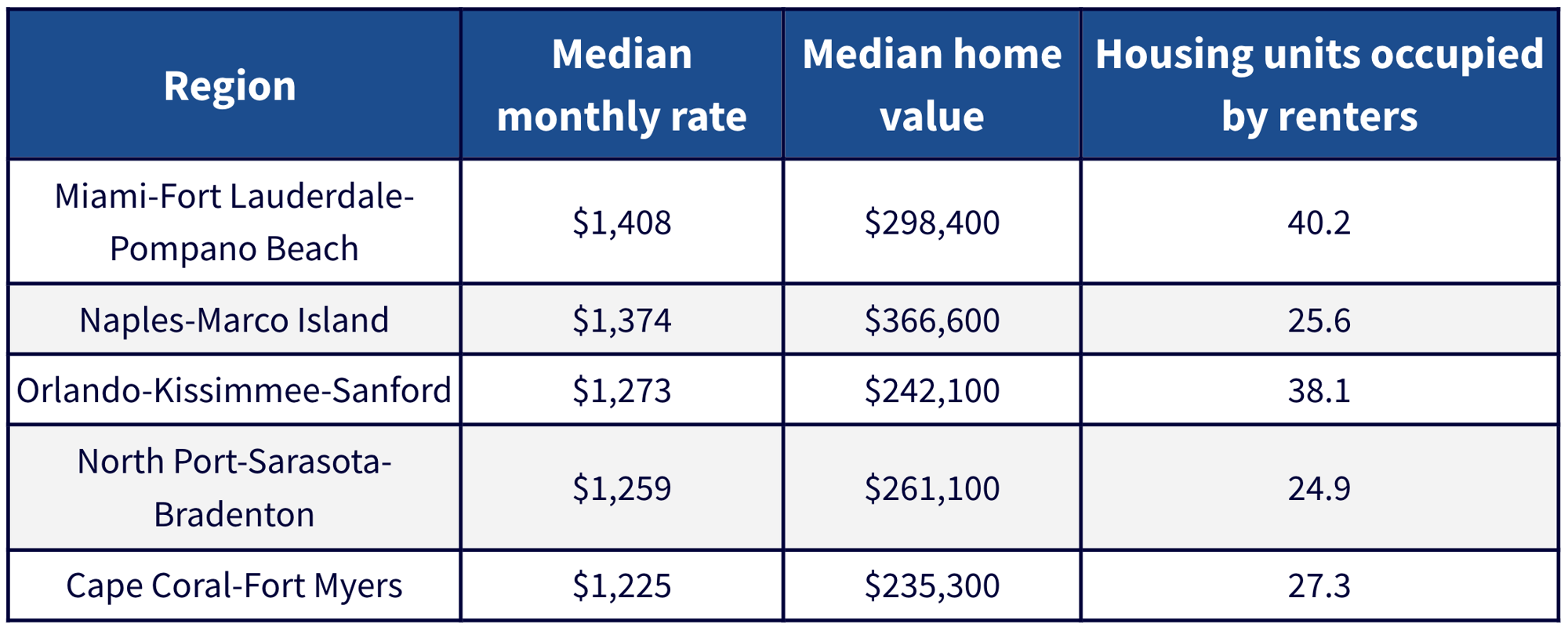
Pinpointing an exact “average” rent for Florida is challenging due to the vast differences across regions and property types. However, we can provide a general overview of what to expect.
Major Metropolitan Areas
Cities like Miami, Tampa, and Orlando tend to have higher rental costs, especially in their most desirable neighborhoods.
Miami-Dade County (including Miami, Miami Beach, Fort Lauderdale)
This region is consistently one of the most expensive in the state. For a one-bedroom apartment in areas like Miami Beach or downtown Miami, you might expect to pay anywhere from $2,000 to $3,000+ per month for a long-term rental. Short-term vacation rentals in prime locations could easily exceed $200-$400 per night. Properties with ocean views or in exclusive developments like Brickell will be at the upper echelon.
Orlando Metropolitan Area
Orlando, a hub for tourism and family entertainment, sees considerable rental demand. While generally more affordable than Miami, rents for a one-bedroom apartment in popular areas near the theme parks or in desirable downtown districts can range from $1,500 to $2,500 per month. Short-term rentals catering to theme park visitors can also be substantial.
Tampa Bay Area (including Tampa, St. Petersburg, Clearwater)
The Tampa Bay Area offers a slightly more affordable cost of living compared to South Florida, but prices are rising. One-bedroom apartments in desirable parts of Tampa or St. Petersburg might range from $1,400 to $2,200 per month. Coastal areas like Clearwater will see higher prices, especially for short-term rentals.
Other Notable Regions
Beyond the major metros, other regions offer different pricing structures.
Southwest Florida (e.g., Naples, Fort Myers)
Known for its upscale lifestyle and beautiful beaches, Southwest Florida, particularly Naples, tends to have higher rental costs, especially for single-family homes and condos near the coast. Expect prices in the range of $1,800 to $3,000+ for a one-bedroom apartment or condo, with houses being considerably more.
Northeast Florida (e.g., Jacksonville, St. Augustine)
Jacksonville, being a larger city, has a more diverse rental market. While rents can be competitive, they are generally lower than in South Florida. A one-bedroom apartment might range from $1,200 to $1,800 per month. Historic St. Augustine can see higher short-term rental rates due to its tourist appeal.
Central Florida (excluding Orlando)
Areas in Central Florida outside of the immediate Orlando tourist zone, such as Lakeland or Daytona Beach, tend to offer more affordable rental options. Rents for a one-bedroom apartment might fall between $1,000 and $1,600 per month.
Budgeting for Your Florida Rental
When planning your budget for a rental in Florida, it’s essential to factor in all potential costs beyond the base rent.
Understanding Additional Costs
Many rental agreements do not include all utilities in the base rent. Electricity, water, gas, internet, and cable TV can add a significant amount to your monthly expenses. In Florida, air conditioning usage during the hot summer months can lead to substantial electricity bills. It is advisable to inquire about average utility costs when viewing a property.
Security Deposits and Application Fees
Landlords typically require a security deposit, often equivalent to one month’s rent, which is refundable at the end of the lease if the property is returned in good condition. Application fees, covering background and credit checks, are also common and usually non-refundable.
Furnished vs. Unfurnished Rentals
Furnished rentals offer the convenience of being move-in ready, which is ideal for short-term stays or for those who prefer not to purchase furniture. However, they usually come at a higher rental price. Unfurnished rentals offer more flexibility and can be more cost-effective for long-term stays, but require an initial investment in furniture and household items.
Insurance
Renters insurance is highly recommended to protect your personal belongings against damage or theft. While not always mandatory, it provides peace of mind and can be relatively inexpensive.
By carefully considering these factors and researching specific areas and property types, you can gain a clearer understanding of “How Much Is Rent In Florida?” and make informed decisions for your accommodation needs in the Sunshine State. Whether you are seeking a temporary escape to the beaches of Clearwater, a long-term residence in the vibrant city of Tampa, or a family-friendly vacation near the theme parks of Orlando, a well-planned approach to understanding rental markets will ensure a smoother and more enjoyable experience.