
Chicago’s culinary landscape is as diverse and vibrant as its architecture, and when it comes to pizza, one style reigns supreme in the hearts of many: Chicago style. More than just a meal, Chicago pizza is an experience, a hearty, deeply satisfying creation that has earned its place as a global icon. But what exactly defines this legendary pie? It’s a question that sparks passionate debate among pizza aficionados, but at its core, Chicago style is characterized by its distinctive deep-dish crust, generous fillings, and a unique layering order that sets it apart from any other pizza tradition. This isn’t your foldable New York slice; it’s a substantial, fork-and-knife affair that demands appreciation for its craftsmanship and bold flavors.

The origins of Chicago-style pizza are steeped in local legend and a desire to create a filling, satisfying meal. While the exact inventor is debated, the consensus points to the 1940s, with Pizzeria Uno and Due, founded by Ike Sewell and Ric Riccardo, often credited with popularizing the deep-dish concept. Their vision was to create a pizza that was more akin to a hearty casserole or a savory pie, utilizing a thick, buttery crust to hold an abundance of ingredients. This approach was revolutionary, moving away from the thinner, crisper crusts prevalent at the time. The city’s industrial heritage and its working-class population likely contributed to the demand for such a robust and filling dish. Over the decades, Chicago style has evolved, with variations emerging, but the fundamental principles of a deep, sturdy crust, ample toppings, and a rich tomato sauce remain its defining features.
The Anatomy of a Chicago Deep-Dish
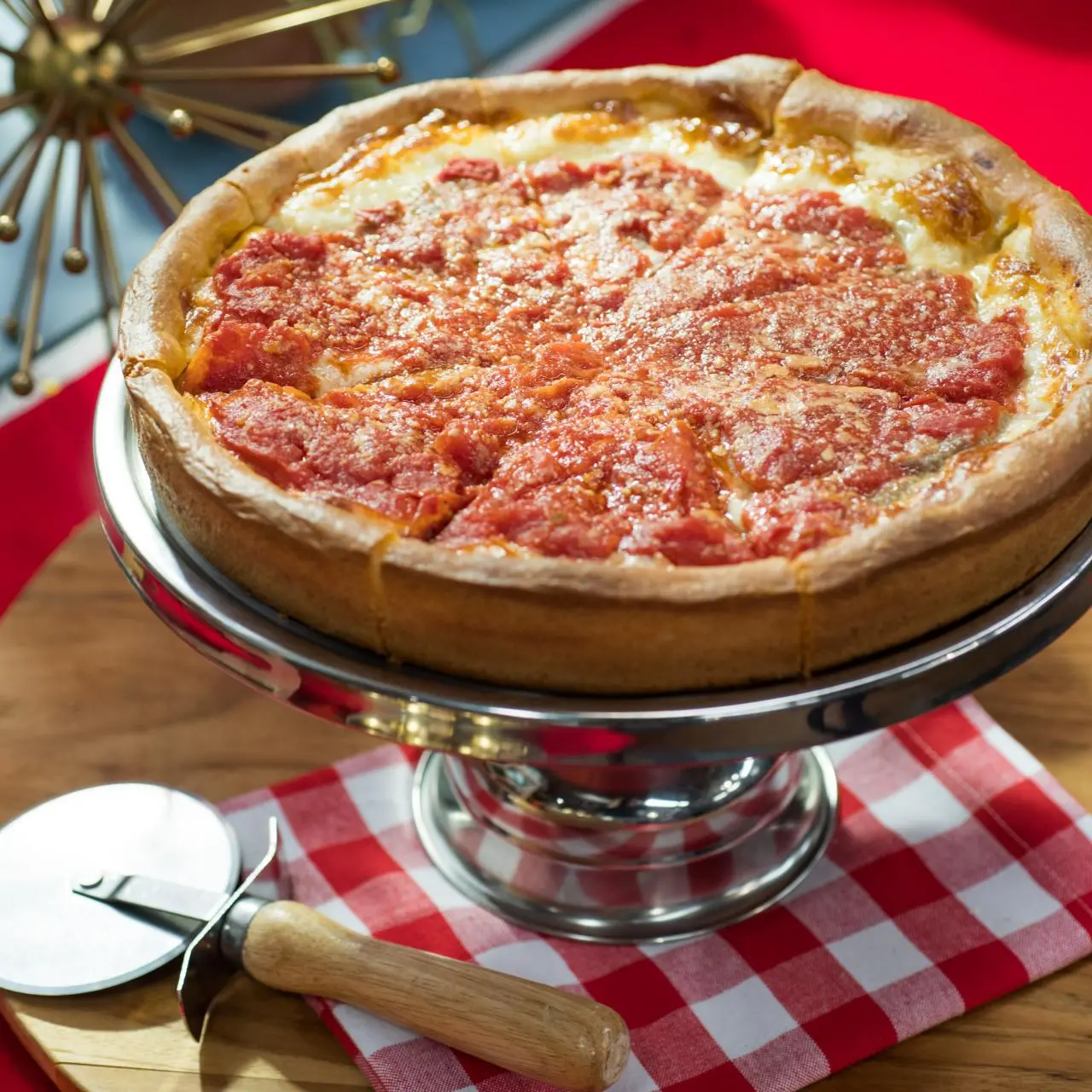
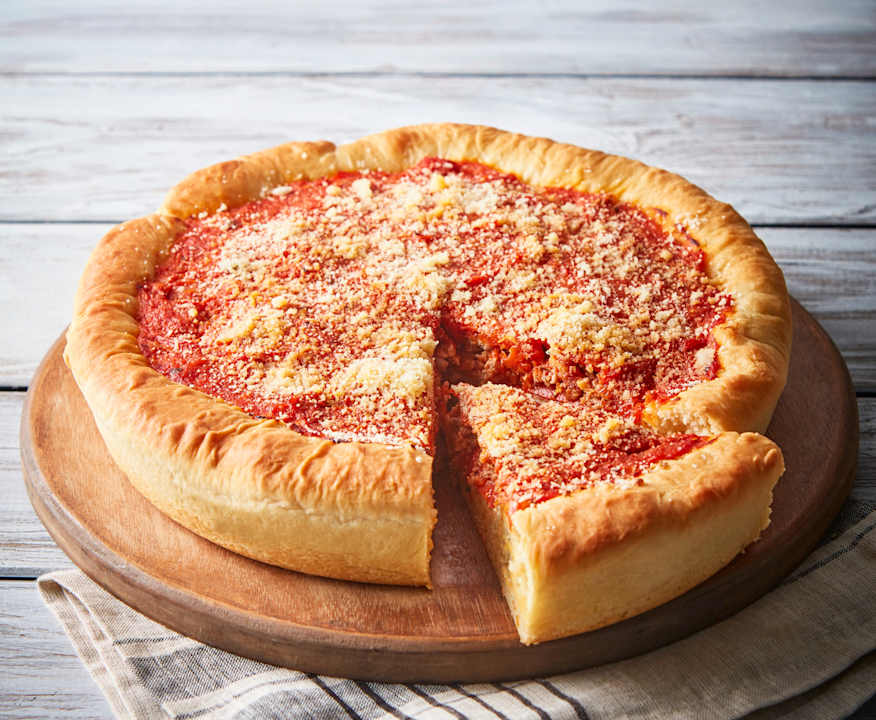
The foundation of any great Chicago-style pizza is its crust. Unlike the airy, chewy crusts of Neapolitan or New York styles, the Chicago deep-dish crust is robust, almost bread-like, and often described as buttery or biscuit-like. This substantial base is crucial for supporting the considerable weight of the toppings.
The Crust Construction
The magic begins with the dough. Chicago-style pizza dough is typically made with high-gluten flour, giving it strength and elasticity. It’s often enriched with olive oil or butter, which contributes to its distinct flaky texture and rich flavor. The dough is pressed by hand into a deep, round, well-oiled pan, extending up the sides to create a high wall. This pan-frying or baking process in the deep pan is what gives the crust its signature crispness on the bottom and edges. Some bakers even add a cornmeal dusting to the pan for an extra layer of texture and flavor. The result is a crust that is sturdy enough to hold an impressive amount of cheese and toppings, yet tender enough to be satisfying.
The Layering Order: A Culinary Masterpiece
One of the most distinctive aspects of Chicago-style pizza is its inverted layering order compared to most other pizza styles. Instead of starting with sauce and then cheese, Chicago deep-dish is built from the bottom up in a specific sequence designed to achieve optimal flavor and texture.
The Cheese Foundation
The process begins with a generous layer of sliced or shredded mozzarella cheese directly on top of the pressed dough. This is crucial because it melts and forms a protective barrier, preventing the crust from becoming soggy under the weight of the sauce and other ingredients. The sheer volume of cheese is a hallmark of this style, creating a gooey, decadent experience with every bite.
The Toppings Extravaganza
Following the cheese, a substantial amount of toppings is piled high. Chicago pizza is renowned for its hearty fillings, with Italian sausage being a particularly popular and classic choice. The sausage is often applied in a thick layer, either crumbled or in whole patties, ensuring that each slice gets a good portion. Other popular toppings include pepperoni, mushrooms, onions, green peppers, and sometimes even a blend of various meats. The key here is abundance; the toppings are not shyly scattered but rather form a substantial layer.
The Tomato Sauce Crown
Finally, the pie is crowned with a thick, chunky tomato sauce. This isn’t a thin, watery sauce; it’s often made from crushed San Marzano tomatoes, seasoned with herbs like oregano and basil, and simmered to develop a rich, robust flavor. The sauce is spread evenly over the toppings, creating a vibrant red cap that seals in all the deliciousness beneath. This final layer not only adds acidity and brightness to cut through the richness of the cheese and meat but also helps to cook down the toppings and meld the flavors together during the baking process.
Variations on a Deep-Dish Theme
While the classic deep-dish is the archetype of Chicago pizza, the city’s culinary innovators have introduced variations that cater to different preferences and dietary needs, further cementing pizza’s place in Local Culture.
Stuffed Pizza: The Ultimate Indulgence
Perhaps the most famous variation is the “stuffed pizza.” Developed by Rudy Malnati Jr. in the 1970s, stuffed pizza takes the deep-dish concept to an even more decadent extreme. Instead of a single layer of cheese and toppings, a stuffed pizza features two thin layers of dough with a generous filling sandwiched in between. The bottom dough layer is pressed into the pan, followed by a thick layer of cheese and toppings, and then a second, thinner layer of dough is placed on top. This second layer is then covered with the signature chunky tomato sauce. The result is an incredibly dense, rich, and satisfying pizza that often requires a longer baking time due to its substantial thickness. Popular stuffed pizza establishments like Lou Malnati’s and Giordano’s have become renowned for this indulgent creation.
Thin Crust: The Underdog of Chicago
While deep-dish dominates the conversation, it’s important to acknowledge that Chicago also boasts a proud tradition of thin-crust pizza. Often overlooked by tourists, Chicago’s tavern-style thin-crust pizza is a local favorite. This style is characterized by a cracker-like, crispy crust that is typically cut into squares, known as “party cut” or “tavern cut.” It’s less about the deep, doughy base and more about a balanced distribution of sauce, cheese, and toppings, making it ideal for sharing and casual dining. While not as visually dramatic as deep-dish, it’s a testament to the city’s diverse pizza palate.
The Chicago Square Cut
The method of cutting pizza is a subtle yet significant cultural marker. While round pizzas are often cut into wedges, Chicago’s tavern-style thin crust is almost exclusively cut into squares. This “party cut” or “tavern cut” is not just a stylistic choice; it makes the pizza easier to handle and share in a casual, social setting. It’s a practical and communal way to enjoy pizza, reflecting the city’s down-to-earth and friendly atmosphere. This distinctive cut is a visual cue that immediately identifies a pizza as belonging to the Chicago thin-crust tradition.
Experiencing Chicago Pizza: Beyond the Plate
Visiting Chicago and not indulging in its signature pizza is almost unthinkable for any food enthusiast. The experience of eating Chicago-style pizza is deeply intertwined with the city’s identity and its vibrant dining scene.
Iconic Pizzerias and Their Legacies
The quest for the perfect Chicago-style pizza often leads visitors to legendary establishments that have shaped the city’s pizza narrative. Pizzerias like Pizzeria Uno, Lou Malnati’s, Giordano’s, and Gino’s East are more than just restaurants; they are institutions. Each has its own loyal following and subtle variations on the classic deep-dish or stuffed pizza. Visiting these spots offers a chance to taste history and understand the enduring appeal of these iconic pies. Often, these pizzerias are located in neighborhoods that are themselves worth exploring, adding a layer of Travel to the culinary journey.
Tips for the Pizza Tourist
For those embarking on a Chicago pizza pilgrimage, a few tips can enhance the experience. Firstly, be prepared for a wait, especially at popular spots during peak hours. Deep-dish pizza requires a significant baking time, often 30-45 minutes or more, so your patience will be rewarded. Ordering ahead or going during off-peak hours can help minimize wait times. Secondly, consider the size of the pizza; deep-dish pies are incredibly filling, so a small or medium size is often sufficient for even a hungry group. Sharing is highly recommended. Finally, embrace the experience. Eating Chicago-style pizza is a hands-on affair; don’t be afraid to use your fork and knife, and savor every rich, decadent bite. It’s a quintessential Food experience that defines the culinary soul of Chicago.
In conclusion, Chicago-style pizza is a culinary marvel, a testament to the city’s innovative spirit and its love for hearty, flavorful food. From its thick, buttery crust to its generous layers of cheese, toppings, and rich tomato sauce, it’s a pizza that demands attention and delivers unparalleled satisfaction. Whether you opt for the classic deep-dish or the indulgent stuffed variation, experiencing Chicago pizza is an essential part of any visit to the Windy City, offering a delicious insight into its unique Local Culture and enduring culinary legacy.
LifeOutOfTheBox is a participant in the Amazon Services LLC Associates Program, an affiliate advertising program designed to provide a means for sites to earn advertising fees by advertising and linking to Amazon.com. Amazon, the Amazon logo, AmazonSupply, and the AmazonSupply logo are trademarks of Amazon.com, Inc. or its affiliates. As an Amazon Associate we earn affiliate commissions from qualifying purchases.