
Texas, a state renowned for its vast landscapes, vibrant culture, and burgeoning medical tourism sector, presents an intriguing landscape for individuals considering aesthetic procedures. Among the most sought-after cosmetic surgeries is rhinoplasty, commonly known as a “nose job.” This procedure, which aims to reshape and improve the function of the nose, has seen significant demand across the Lone Star State. Understanding the cost associated with rhinoplasty in Texas is crucial for prospective patients planning this significant investment in their appearance and confidence. The price is not a monolithic figure; rather, it’s a complex interplay of various factors, from the surgeon’s expertise to the specific techniques employed and the geographic location within Texas itself.

Factors Influencing Rhinoplasty Costs in Texas
The total expenditure for rhinoplasty in Texas is influenced by a multitude of elements, each contributing to the final price tag. A thorough understanding of these components empowers patients to make informed decisions and anticipate the financial commitment involved.
Surgeon’s Fees
The primary determinant of rhinoplasty cost is often the surgeon’s fee. Highly experienced and board-certified plastic surgeons with a strong reputation and a track record of successful outcomes typically command higher fees. Their expertise, specialized training in facial plastic surgery, and the perceived value of their skills contribute to this aspect of the cost. Surgeons who are leaders in their field, frequently speak at conferences, or have published extensively on rhinoplasty techniques might charge more due to their established authority and demand. Patients should look for surgeons certified by the American Board of Plastic Surgery or the American Board of Facial Plastic and Reconstructive Surgery, ensuring they possess the requisite qualifications and adhere to high ethical and safety standards. The geographic location of the surgeon’s practice also plays a role; surgeons in major metropolitan areas like Dallas, Houston, or Austin may have higher overhead costs, which can be reflected in their fees compared to those in smaller towns.
Anesthesia Fees
The type and duration of anesthesia administered will also affect the overall cost. Rhinoplasty can be performed under local anesthesia with sedation or general anesthesia. General anesthesia, while often necessary for more complex cases or for patient comfort, typically incurs a higher fee due to the specialized training and continuous monitoring required from an anesthesiologist or certified registered nurse anesthetist (CRNA). The length of the surgery directly impacts anesthesia costs, as it’s usually billed hourly. Longer, more intricate procedures naturally require more anesthesia time, thus increasing this component of the bill.
Facility Fees
The cost of the surgical facility is another significant factor. Rhinoplasty can be performed in a hospital operating room or an accredited outpatient surgical center. Hospital operating rooms generally have higher overhead costs and therefore charge more for their use compared to freestanding surgical centers. Accredited surgical centers are equipped with state-of-the-art technology and staffed by a skilled team, ensuring patient safety and comfort. The choice of facility often depends on the complexity of the procedure and the surgeon’s affiliation. Patients should inquire about the accreditation status of any facility used to ensure it meets the highest safety standards.
Geographic Location within Texas
As mentioned, the cost of living and doing business varies across Texas. Major urban centers like Dallas, Houston, and San Antonio tend to have higher costs for medical services, including rhinoplasty, compared to smaller cities or rural areas. This is due to a variety of factors, including higher surgeon fees, facility rental costs, and general operational expenses in metropolitan markets. Patients who are flexible with their location might find opportunities for cost savings by consulting with surgeons in less densely populated areas, though they should never compromise on surgeon expertise or facility quality.
Complexity of the Procedure
The scope and complexity of the rhinoplasty procedure itself are paramount in determining the cost. A simple tip refinement will naturally be less expensive than a complex revision rhinoplasty or a procedure that addresses both aesthetic concerns and functional breathing issues, such as a septoplasty.
Primary vs. Revision Rhinoplasty
Primary rhinoplasty, performed for the first time, is generally less complex and therefore less costly than revision rhinoplasty. Revision rhinoplasty involves correcting or improving upon a previous nose surgery. These procedures are often more challenging because scar tissue may be present, and the underlying nasal structures might have been altered. Surgeons need to employ advanced techniques and often dedicate more time to these cases, leading to higher fees.
Functional vs. Cosmetic Rhinoplasty
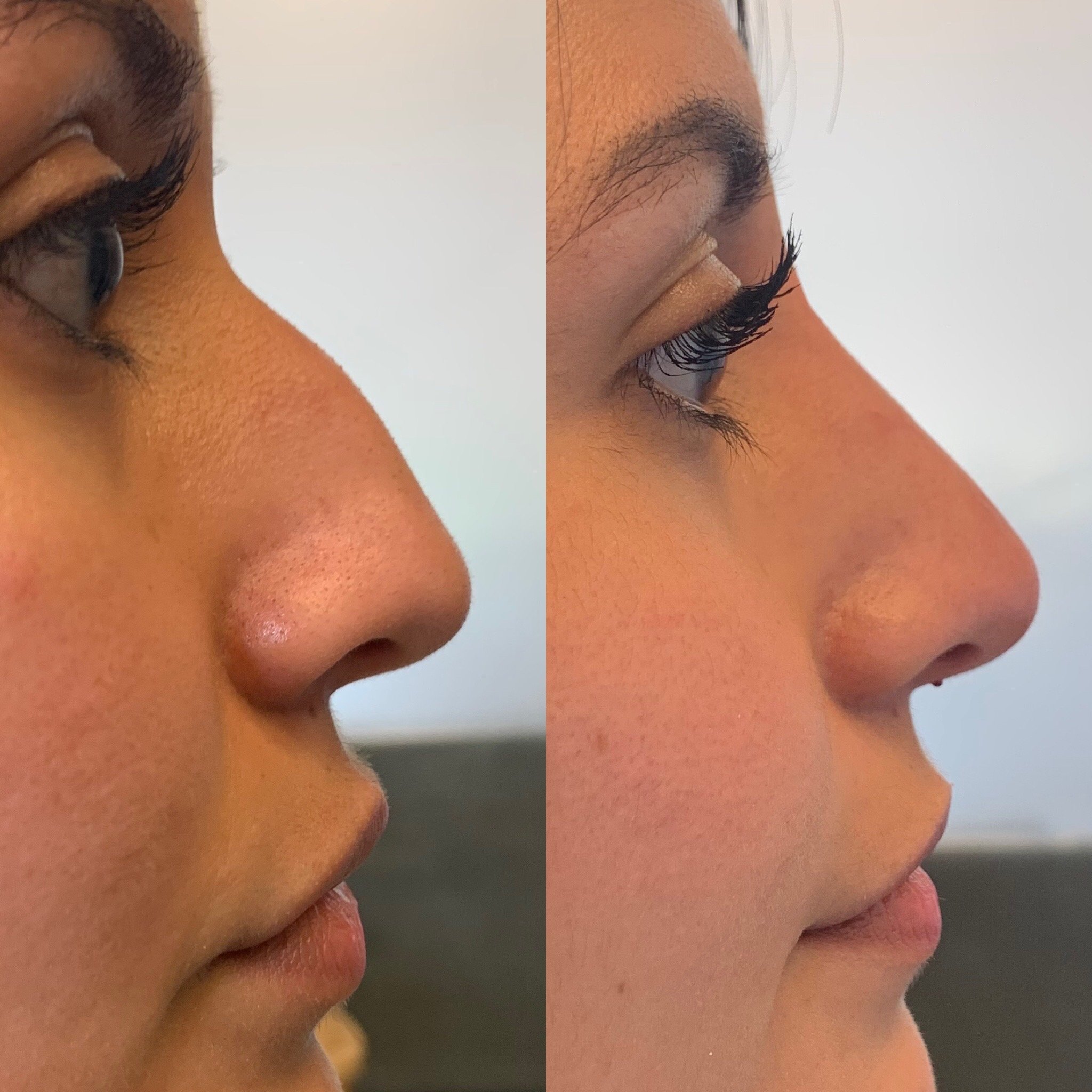
Many rhinoplasty procedures combine aesthetic enhancement with functional improvements. For instance, correcting a deviated septum, which can impair breathing, alongside reshaping the nose for cosmetic reasons, is a common practice. When functional components are addressed, the procedure may be classified as “functional rhinoplasty” or a “septorhinoplasty.” While insurance may cover the functional portion of the surgery, the cosmetic aspects are typically not covered. The combined nature of these procedures can increase the overall surgical time and complexity, thus impacting the total cost.
Pre- and Post-Operative Care
Beyond the surgical procedure itself, there are associated costs for pre- and post-operative care. This can include consultations with the surgeon, diagnostic imaging such as X-rays or CT scans, prescription medications for pain management and infection prevention, and follow-up appointments. In some cases, specialized wound care supplies or materials might also be necessary. These costs, while often smaller in comparison to surgical fees, should be factored into the overall budget.
Average Cost of Rhinoplasty in Texas
While pinpointing an exact average price for rhinoplasty in Texas is challenging due to the variables involved, a general range can be provided. Based on industry averages and patient reports, the cost of rhinoplasty in Texas typically falls between $7,000 and $15,000 USD. However, it is not uncommon for more complex cases, performed by highly sought-after surgeons in major cities, to exceed this range, potentially reaching upwards of $20,000 USD.
Cost Breakdown Example
To illustrate, consider a hypothetical breakdown for a standard rhinoplasty in a major Texas city:
- Surgeon’s Fee: $5,000 – $10,000+
- Anesthesia Fee: $1,000 – $3,000+ (depending on type and duration)
- Facility Fee: $1,000 – $3,000+ (for outpatient surgical center)
- Pre- and Post-Operative Care: $500 – $1,000+ (including consultations, prescriptions)
This example illustrates how the surgeon’s fee often constitutes the largest portion of the overall cost. It’s essential to obtain itemized quotes from prospective surgeons to understand the exact cost breakdown for your specific needs.
Insurance Coverage
It is important to reiterate that rhinoplasty, when performed solely for aesthetic enhancement, is generally not covered by health insurance. However, if the procedure is medically necessary to correct breathing problems, such as a deviated septum, or to repair damage from an injury, a portion of the cost may be covered by insurance. Patients should consult directly with their insurance provider and their surgeon’s office to determine the extent of potential coverage for functional aspects of the surgery. Proper documentation and pre-authorization are crucial for any insurance claims.
Making an Informed Decision
When considering rhinoplasty in Texas, prospective patients should prioritize finding a qualified and experienced surgeon. The initial consultation is a critical opportunity to discuss goals, understand the proposed surgical plan, assess the surgeon’s credentials and experience, and receive a detailed cost estimate. Do not hesitate to ask questions about the surgeon’s training, the risks and benefits of the procedure, the recovery process, and the expected outcomes.
Choosing the Right Surgeon
The choice of surgeon is paramount. Look for board certification, extensive experience specifically in rhinoplasty, and patient testimonials or before-and-after galleries that align with your aesthetic goals. A good surgeon will listen to your concerns, provide realistic expectations, and ensure you feel comfortable and confident in their care.

Understanding the Investment
Rhinoplasty is a significant investment, both financially and personally. While cost is a crucial consideration, it should not be the sole determining factor. The potential benefits of improved appearance, enhanced self-esteem, and corrected functional issues can have a profound positive impact on a patient’s life. By thoroughly researching your options, understanding all associated costs, and choosing a highly reputable surgeon, you can approach your rhinoplasty journey in Texas with confidence and achieve the desired results.
LifeOutOfTheBox is a participant in the Amazon Services LLC Associates Program, an affiliate advertising program designed to provide a means for sites to earn advertising fees by advertising and linking to Amazon.com. Amazon, the Amazon logo, AmazonSupply, and the AmazonSupply logo are trademarks of Amazon.com, Inc. or its affiliates. As an Amazon Associate we earn affiliate commissions from qualifying purchases.