
Planning a trip to the Heart of Dixie, whether for a luxurious escape to the Grand Hyatt Hotel in Birmingham, a family adventure exploring the historic streets of Mobile, or a relaxing beach vacation along the coast of Gulf Shores, understanding the local sales tax is a crucial part of your budgeting. While the allure of Alabama‘s diverse attractions, from the natural beauty of Little River Canyon National Preserve to the vibrant cultural scene in Montgomery, is undeniable, unexpected tax charges can put a dent in your travel funds. This guide aims to demystify Alabama’s sales tax structure, providing clarity for every traveler.
Understanding Alabama’s Multi-Layered Sales Tax System
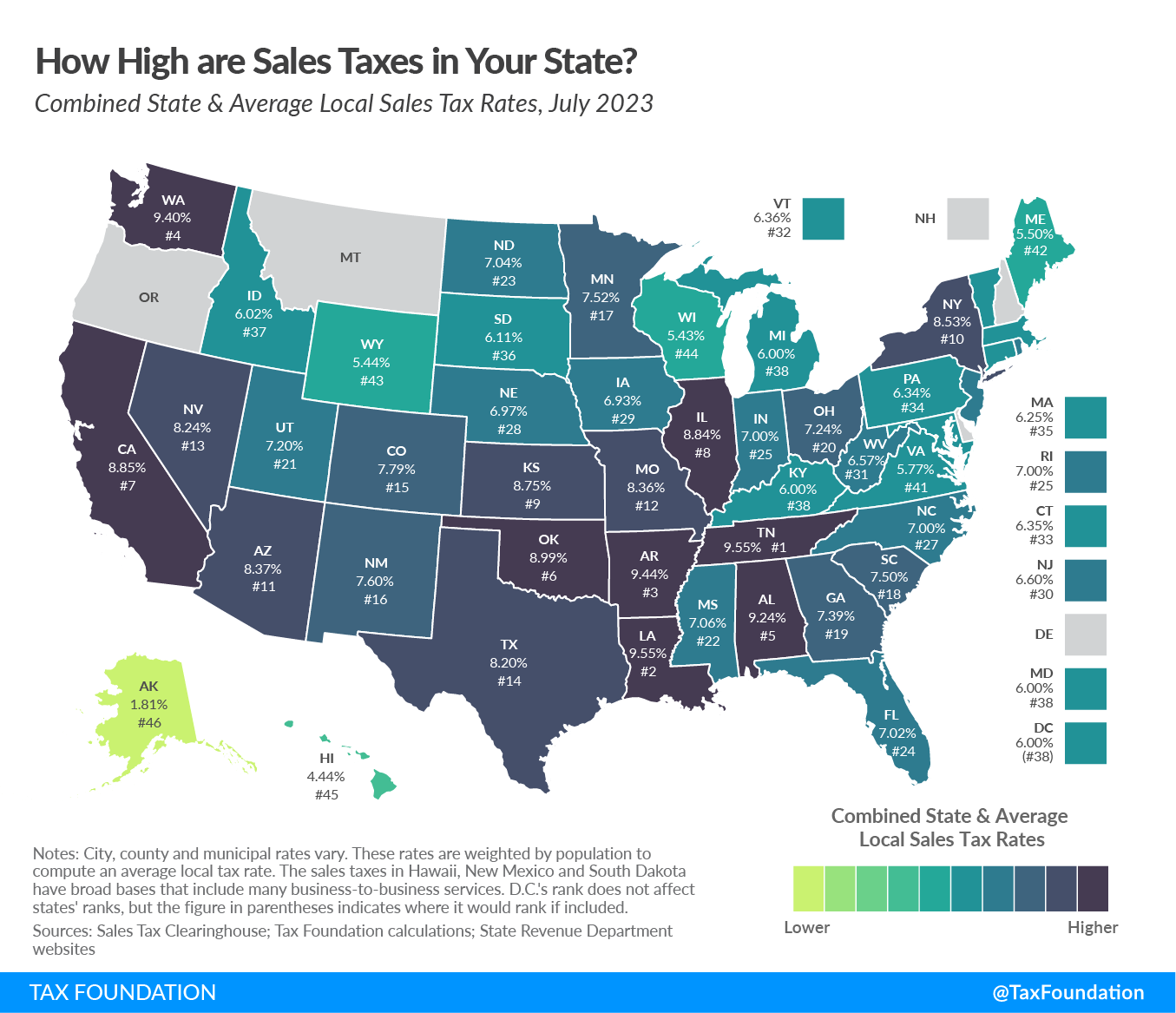
Unlike many states that operate with a single, uniform sales tax rate, Alabama employs a complex, multi-layered system. This means that the total sales tax you pay isn’t just a state-level figure; it’s a combination of state, county, and city taxes. This intricate structure is a primary reason why determining “how much is sales tax in Alabama?” requires a closer look at the specific location you’re visiting. The state itself sets a base rate, but individual counties and municipalities have the autonomy to add their own local taxes, which can significantly alter the final percentage. This variation is why a purchase made in Tuscaloosa might have a different sales tax than an identical purchase in Huntsville, even though both are within Alabama.
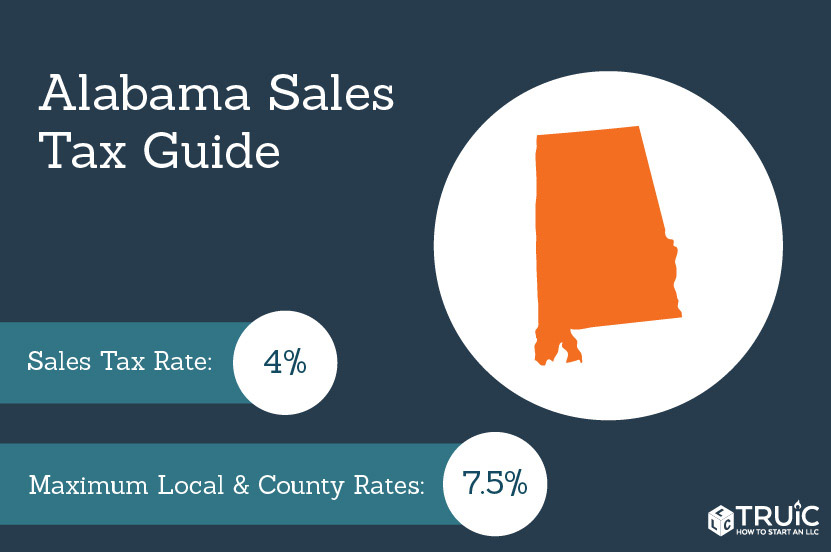
The state sales tax rate in Alabama is currently 4%. This forms the foundation of all sales tax calculations. However, this rate is rarely the final amount you’ll see on your receipt. When you factor in the average county sales tax, which can range from 0.5% to 5.5%, and the average city sales tax, which can add another 1% to 4.75%, the total rate can climb considerably. For instance, if you’re enjoying a stay at a charming bed and breakfast in a smaller town, the combined rate might be lower than in a major metropolitan area with more extensive public services funded by local taxes. This layered approach is designed to allow local governments to tailor tax revenue to their specific needs, whether it’s funding schools, maintaining infrastructure, or supporting local tourism initiatives like the attractions at USS Alabama Battleship Memorial Park.
State Sales Tax
The state portion of the sales tax is the most consistent across Alabama. As mentioned, this is set at 4% for most tangible goods and taxable services. This revenue stream is vital for funding state-wide programs and services, contributing to the overall infrastructure that supports tourism, from maintaining highways to supporting state parks. When you’re browsing for souvenirs at the shops near Noccalula Falls Park or enjoying a meal at a restaurant in Auburn, this 4% state tax is always a component of the total. It’s the bedrock upon which all other local taxes are built, ensuring a baseline contribution to the state’s economy.
County Sales Tax
Alabama counties have the authority to levy their own sales taxes, and this is where the variation truly begins to emerge. These county taxes are often enacted to support local services such as law enforcement, education, and public health initiatives. The rates can differ substantially from one county to another. For example, counties with a higher population density or those with significant infrastructure projects might have higher county sales tax rates to meet their financial obligations. Travelers visiting regions like the Wiregrass Area might encounter different county tax rates than those exploring the historic Black Belt region. It’s essential to be aware that these county taxes are added to the state tax, increasing the overall burden on purchases. Understanding these local nuances can be particularly helpful for budget-conscious travelers, especially when planning extended stays in rental apartments or villas.
City Sales Tax
Adding another layer to Alabama‘s sales tax structure are city taxes. Most incorporated cities within the state have the option to impose their own sales taxes. These city taxes are typically used to fund municipal services, such as police and fire departments, road maintenance within city limits, and local parks and recreation programs. The rates can also vary significantly between cities, even within the same county. A city like Huntsville, with its thriving aerospace industry and numerous attractions, might have a higher city tax than a smaller, rural community. When booking accommodation in a specific city, or when planning to dine out and explore local eateries, it’s wise to factor in the city’s specific sales tax rate. For instance, if you are enjoying a weekend getaway at a resort in Orange Beach, the combined state, county, and city taxes will determine the final price of your purchases.
Common Sales Tax Rates by Location and Category
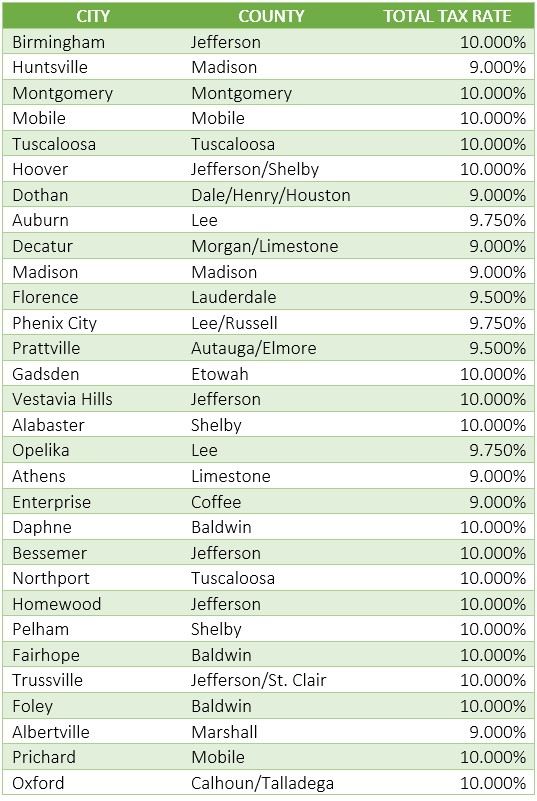
Given the multi-layered nature of Alabama‘s sales tax, there isn’t a single answer to “how much is sales tax in Alabama?” The rate can fluctuate considerably depending on where you are in the state and, in some cases, what you are buying. Generally, the combined state, county, and city sales tax rates can range from approximately 5% to over 10% in some areas. This means that a $100 purchase could end up costing anywhere from $105 to $110 or more, depending on the exact location.
Average Combined Rates in Major Cities
Major tourist destinations and population centers often have higher combined sales tax rates due to the addition of substantial city taxes. For example, cities like Birmingham, Alabama‘s largest city and a hub for business and culture, tend to have higher combined rates. Similarly, popular beach towns like Gulf Shores and Orange Beach on the Alabama coast, while offering beautiful natural attractions, also have combined tax rates that reflect their status as tourist hotspots. When planning a trip that includes visiting landmarks like the Civil Rights Memorial Center or enjoying the culinary scene in these areas, it’s advisable to check the specific combined rate for that city and county. This is also relevant for those looking for long-term stay accommodations, as cumulative purchases over an extended period can be significantly impacted by tax rates.
Sales Tax on Specific Items and Services
While the general sales tax applies to most tangible goods, Alabama has specific rules regarding certain items and services. For instance, food and drink purchased in restaurants are generally subject to sales tax, but there can be nuances. Groceries for home consumption are often exempt from state sales tax, though local taxes might still apply. Accommodation taxes, which are separate from general sales tax but often levied at similar rates, apply to hotel stays, resort rentals, and apartment leases. These lodging taxes are crucial for funding local tourism promotion and infrastructure. When booking your suite at a luxury resort or comparing prices for vacation apartments, always look for the breakdown of taxes, which will include these lodging taxes. The state also imposes excise taxes on certain items like gasoline, tobacco, and alcohol, which are added on top of the sales tax. Understanding these distinctions can help travelers avoid surprises, whether they are planning a family trip to the McWane Science Center or a business stay in a city hotel.
Tips for Managing Sales Tax During Your Alabama Trip
Navigating Alabama‘s sales tax doesn’t have to be a daunting task. With a little planning and awareness, travelers can effectively manage these costs and ensure their budget remains on track for a memorable experience. Whether you are seeking adventure in Cheaha State Park or indulging in the local cuisine of Florence, keeping these tips in mind will be beneficial.
Researching Tax Rates Before Your Trip
The most effective way to manage sales tax is through prior research. Before booking your accommodation or finalizing your travel plans, take a few moments to research the specific state, county, and city sales tax rates for your intended destination. Many local government websites and tourism boards provide this information. Online resources dedicated to tax information or travel planning often compile these figures. Knowing the expected tax rate for cities like Huntsville or a coastal town like Daphne allows you to accurately estimate your total expenses for shopping, dining, and even the cost of admission to attractions such as the Birmingham Museum of Art. This proactive approach is particularly helpful for budget travelers aiming to maximize their spending on experiences rather than taxes.
Understanding Tax Exemptions and Rebates
While Alabama‘s sales tax is broad, certain exemptions do exist. As mentioned, groceries intended for home consumption are typically exempt from state sales tax. Additionally, there are specific exemptions for manufacturers, agricultural businesses, and certain non-profit organizations. While these may not directly impact the average tourist, it’s worth noting that some purchases might fall under special provisions. For instance, if you are planning an extended stay in a rental villa and intend to cook most of your meals, understanding the grocery tax exemption can lead to noticeable savings. In some limited cases, there might be rebate programs or tax incentives available, though these are generally not applicable to typical tourist purchases. The key is to be aware of what is generally taxable and what might be an exception, especially when making larger purchases.
Utilizing Membership Programs and Discounts
Many hotels, resorts, and attractions in Alabama offer membership programs or loyalty discounts that can indirectly help manage the overall cost of your trip, including the impact of sales tax. For example, a hotel loyalty program might offer a free night after a certain number of stays, effectively reducing the average nightly cost and, by extension, the sales tax paid on that free night. Similarly, some attractions offer discounted admission for members or through bundled ticket packages. While these discounts don’t reduce the sales tax percentage itself, they lower the base price on which the tax is calculated. When planning your itinerary, from exploring the historic heart of Selma to enjoying a luxurious weekend at a resort in Point Clear, actively seek out any available discounts or membership benefits to make your travel more economical. This strategy, combined with an understanding of the local sales tax rates, allows for a more informed and budget-friendly travel experience in Alabama.
LifeOutOfTheBox is a participant in the Amazon Services LLC Associates Program, an affiliate advertising program designed to provide a means for sites to earn advertising fees by advertising and linking to Amazon.com. Amazon, the Amazon logo, AmazonSupply, and the AmazonSupply logo are trademarks of Amazon.com, Inc. or its affiliates. As an Amazon Associate we earn affiliate commissions from qualifying purchases.