
Planning a trip to the Golden State? Whether you’re dreaming of the sun-kissed beaches of San Diego, the vibrant city life of Los Angeles, or the iconic sights of San Francisco, understanding the local sales tax landscape is crucial for budgeting your adventure. California, renowned for its diverse attractions and experiences, also has a multifaceted sales tax system that can significantly impact the final cost of your purchases, from souvenirs and dining to rental cars and consumer goods. Unlike some states with a flat rate, California’s sales tax is a dynamic figure, influenced by a statewide base and additional local district taxes, making it essential for both residents and visitors to be well-informed.
This guide will demystify California’s sales tax, helping you navigate the financial aspects of your travel and lifestyle choices in this captivating state. We’ll break down the components of the tax, illustrate how it varies across popular destinations, and provide practical tips for budgeting effectively, ensuring your focus remains on enjoying all that California has to offer.
Understanding California’s Sales Tax Landscape
At its core, California’s sales tax system is a combination of a statewide base rate and various local add-on taxes. This structure means that the amount of sales tax you pay can differ significantly depending on the city or county where your transaction takes place. This complexity is often a surprise for travelers who might be accustomed to a simpler, uniform tax rate in other regions.
The Statewide Base Rate and Beyond
The foundation of California’s sales tax is the statewide base rate, which currently stands at 7.25%. This rate is applied uniformly across all taxable sales throughout the entire state. However, this is rarely the final tax rate you’ll encounter. Think of it as the minimum sales tax you will ever pay on a taxable item in California. This base rate funds essential state services and programs.
Beyond this base, the system incorporates a variety of local taxes. These local district taxes are approved by voters within specific jurisdictions, such as cities, counties, or special districts, to fund local initiatives like transportation improvements, public safety, or community services. When you make a purchase, both the state’s 7.25% and any applicable local district taxes are combined, resulting in your “total sales tax rate.”
How District Taxes Influence Your Purchases
District taxes are the primary reason for the variation in sales tax rates across California. These can add anywhere from 0.1% to several percentage points to the base rate. For instance, a purchase made in downtown Los Angeles will carry a different sales tax rate than one made in Sacramento or a smaller, rural community. These taxes are crucial for local economies, providing funding for projects and services directly impacting residents and visitors alike.
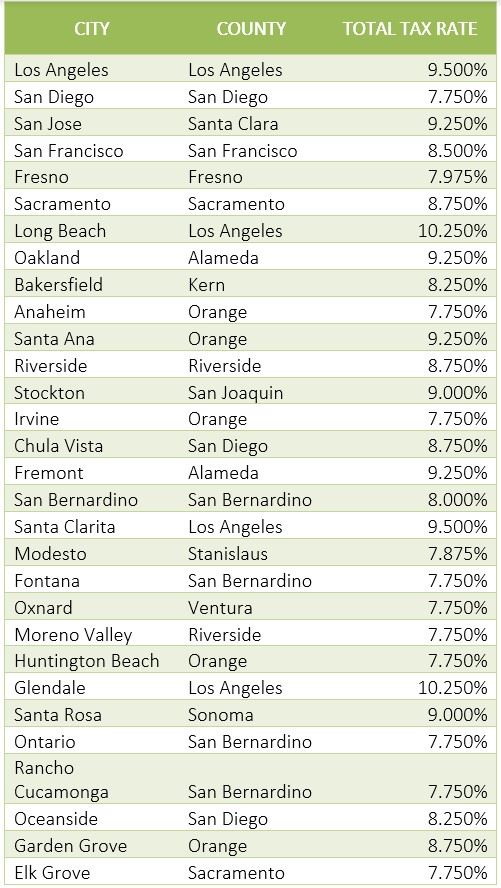
Let’s look at some examples of combined sales tax rates in popular California areas (as of recent data, always check current rates with the California Department of Tax and Fee Administration for the most accurate information):
- Los Angeles County: Many areas, including the city of Los Angeles, hover around 9.5%. Some specific cities within the county can even reach 10.25%. This higher rate accounts for various local measures supporting transportation and other services.
- San Francisco: Typically around 8.625%. This rate reflects the city and county’s unique district taxes, contributing to its urban infrastructure and public services.
- San Diego: Generally 7.75%. As one of the lower combined rates among major cities, this can offer a slight advantage for shoppers, though it’s still above the state base.
- Anaheim (Orange County): Often 7.75%. Home to major attractions like the Disneyland Resort, this rate applies to purchases within the city.
- Sacramento: Typically around 8.75%. The state capital incorporates district taxes that contribute to its local government and community projects.
- Santa Clara County (e.g., San Jose): Often around 9.25%. This reflects local funding needs in the heart of Silicon Valley.
These variations highlight the importance of being aware of your specific location when making purchases, especially if you are traveling between different cities or counties during your visit.
What’s Taxed and What’s Exempt?
Understanding what types of goods and services are subject to sales tax in California is just as important as knowing the rates. Generally, sales tax applies to the sale of tangible personal property. This broad category includes most physical items you might buy.
Common Taxable Items Include:
- Retail Goods: Souvenirs, clothing, electronics, books, household items, cosmetics, and most items purchased from stores.
- Prepared Food and Beverages: Meals purchased at restaurants, cafes, food trucks, and most ready-to-eat items from grocery stores (e.g., hot deli items, pre-made sandwiches). This also includes fountain drinks and alcoholic beverages sold for on-premise consumption.
- Certain Digital Goods: While generally services are exempt, some digital products, especially those that provide permanent possession (like certain software downloads), may be subject to sales tax.
- Rental of Tangible Personal Property: This includes car rentals, equipment rentals, and sometimes even the rental of household furnishings for long-term stays in serviced apartments.
Common Exemptions Include:
- Unprepared Food (Groceries): Most staple food items purchased for home consumption are exempt from sales tax. This means buying fresh produce, raw meat, dairy products, bread, and packaged non-perishable goods at a grocery store typically won’t incur sales tax.
- Prescription Medicine: Prescription drugs and certain medical devices are exempt.
- Services: Generally, services are not subject to sales tax in California. This includes services like haircuts, legal advice, consulting, gym memberships, movie tickets (the service of watching a movie, not the sale of tangible goods at the concession stand), and most labor charges. This is a crucial distinction, as it means spa treatments, guided tours, and hotel room charges (though subject to other taxes) are typically sales tax-exempt.
- Certain Agricultural Products: Some specific agricultural products sold for specific purposes are exempt.
- Resale Purchases: Businesses purchasing items for resale are usually exempt, provided they have a valid seller’s permit and provide a resale certificate.
For travelers, the most common taxable items will be your retail purchases, souvenirs, and meals at restaurants. Being aware of the distinction between prepared food (taxable) and unprepared groceries (exempt) can even offer a small saving if you plan to cook some meals during your stay.
Sales Tax for Travelers and Tourists: Planning Your California Adventure
For visitors to California, understanding sales tax is more than just an academic exercise; it’s a practical tool for effective trip planning and budgeting. Your travel experience, from dining out to souvenir shopping, will invariably interact with this tax system.
Budgeting for Retail, Dining, and Souvenirs
When you’re exploring California, spontaneous purchases are part of the fun. Whether you’re picking up a t-shirt from Universal Studios Hollywood, a local artisan craft from a market in Napa Valley, or dining at a gourmet restaurant overlooking the Golden Gate Bridge, sales tax will be added to your bill.
For example, if you buy a $100 souvenir in Los Angeles, with a sales tax rate of 9.5%, your total cost will be $109.50. This 9.5% might seem small on a single item, but across an entire trip, especially if you’re planning significant shopping or dining experiences, these cumulative taxes can add up. It’s wise to factor in an extra 8-10% (or more, depending on your destinations) on top of listed prices for taxable goods and restaurant meals when setting your travel budget. This foresight prevents unexpected expenses from eating into your fun money.
Exploring Sales Tax in Popular California Destinations
The variation in sales tax rates across California’s diverse regions means your purchasing power can subtly shift as you move from one iconic destination to another.
- Coastal Cities vs. Inland Resorts: Major coastal hubs like Los Angeles and San Francisco often have higher combined sales tax rates due to numerous local initiatives. If you venture to popular inland destinations such as Palm Springs or the Lake Tahoe area, you might encounter slightly lower rates, though this is not always the case, as district taxes can vary widely.
- Theme Parks and Attractions: When visiting world-renowned attractions like the Disneyland Resort in Anaheim or Universal Studios Hollywood in Los Angeles, remember that merchandise and prepared food inside the parks will be subject to the local sales tax rate of that city. Entry tickets themselves, being for a service or experience, are generally not subject to sales tax, but rather an admission fee.
- Wine Country: In regions like Napa Valley or Sonoma County, while wine tastings are typically a service and exempt, any bottled wine purchased to take home will be subject to the local sales tax rate of that county. The same applies to gifts and souvenirs bought at wineries or local shops.
Keeping these regional differences in mind, especially for significant purchases, can help you manage your travel budget more effectively. For instance, if you’re planning to buy high-value items, researching the sales tax rates in various potential purchasing locations along your itinerary might be worthwhile.
Distinguishing Sales Tax from Other Visitor Levies
It’s vital for travelers not to confuse sales tax with other common taxes that apply to visitors in California. The most prominent of these is the Transient Occupancy Tax (TOT), often referred to as “hotel tax” or “lodging tax.”
- Sales Tax: Applied to the sale of tangible personal property and certain prepared foods. It is a percentage of the item’s price.
- Transient Occupancy Tax (TOT): Applied to the cost of short-term accommodation, such as hotel rooms, motel rooms, vacation rentals, and sometimes even campground fees. This tax is levied by cities and counties and can range significantly, often between 8% and 15% (or even higher in some major cities) on top of your room rate. It is not a sales tax, but a separate tax on the rental of transient lodging. Funds from TOT typically support local tourism initiatives, city services, and infrastructure.
Example: If you book a hotel room in San Francisco for $200 per night, you will pay a TOT rate (which can be around 14-16% in San Francisco), adding approximately $28-$32 to your bill. If you then buy a souvenir at the hotel gift shop for $50, you’ll pay San Francisco’s sales tax rate (8.625%), adding $4.31 to that purchase. These are distinct taxes serving different purposes.
Other potential levies could include tourism improvement district fees or resort fees, which are often added by hotels to cover amenities. While these are not taxes in the traditional sense, they do add to your total cost of accommodation and should be budgeted for accordingly.
Navigating Sales Tax as a Lifestyle and Business Consideration
Beyond the casual traveler, California’s sales tax system has broader implications for those planning longer stays, conducting business, or simply adopting the California lifestyle.
Impact on Accommodation and Hospitality Services
While the room rate for hotels, resorts, apartments, and villas is subject to Transient Occupancy Tax rather than sales tax, the hospitality sector still interacts with sales tax in numerous ways.
- Hotel Amenities: Purchases made within a hotel, such as items from a gift shop, minibar contents (excluding services), or prepared meals at the hotel restaurant, will be subject to local sales tax. If a hotel provides services like spa treatments or guided tours, these are generally exempt from sales tax, but products sold at the spa will not be.
- Long-Term Stays and Furnishings: If you’re planning a long-term stay in California and decide to furnish an apartment or villa, all new furniture, appliances, and decor items you purchase will be subject to sales tax. Even renting furniture might incur sales tax on the rental fees, as it is the rental of tangible personal property.
- Business Travel: For business travelers, understanding sales tax is vital for expense reporting and compliance. While many travel expenses are for services (flights, lodging, ground transportation), purchases of office supplies, conference materials, or client gifts will carry sales tax. Companies operating in California must carefully track and remit sales tax on their taxable sales, a critical component of operating within the state.
Tips for Budget and Luxury Travelers
Both budget-conscious and luxury travelers can benefit from understanding California’s sales tax.
- Budget Travel:
- Grocery Shopping: Maximize savings by purchasing unprepared food items from grocery stores (like Trader Joe’s or Whole Foods Market) instead of eating out for every meal. These items are sales tax exempt.
- Picnics and Self-Catering: Embrace picnics at California’s beautiful parks or beaches. Buying sandwich fixings and drinks from a supermarket avoids sales tax on prepared meals.
- Secondhand Shopping: In some cases, purchasing from thrift stores or flea markets might offer sales tax savings, depending on the seller’s sales tax permit status, but most established secondhand retailers will charge sales tax.
- Luxury Travel:
- High-Value Purchases: If you’re considering a significant purchase, such as high-end fashion on Rodeo Drive or artwork, the sales tax can add a substantial amount to the total cost. Factoring this into your budget is crucial.
- Inclusive Pricing: Some luxury hotels or tour operators might offer “all-inclusive” packages. Always clarify whether “all-inclusive” truly covers all taxes (sales tax, TOT, resort fees) or just specific services.
- Personal Shoppers and Stylists: While the service of a personal shopper is sales tax exempt, the items they purchase on your behalf will be subject to sales tax.
Regardless of your travel style, being informed allows you to make smarter spending decisions, ensuring your California experience is as financially smooth as it is memorable.
Resources for Further Information
Staying up-to-date with California’s sales tax rates and regulations is important, as rates can change, and new district taxes may be approved. The most authoritative source for current and accurate information is the California Department of Tax and Fee Administration (CDTFA).
The CDTFA website (cdtfa.ca.gov) provides:
- Current Sales and Use Tax Rates: An online tool to look up combined sales tax rates by city and county.
- Publications and Guides: Detailed guides on what is taxable and exempt, specific industry information, and compliance requirements.
- FAQs: Answers to common questions about sales tax.
Before making any significant purchases or planning complex itineraries, consulting the CDTFA’s resources can provide peace of mind and help you avoid any unexpected financial surprises.
In conclusion, while the sales tax in California might appear intricate at first glance, understanding its components – the statewide base rate, the varying local district taxes, and the distinction between taxable goods and exempt services – empowers you to navigate your travels and lifestyle choices with confidence. By factoring sales tax into your budget and knowing what to expect in different destinations, you can fully immerse yourself in the vibrant culture, breathtaking landscapes, and unforgettable experiences that the Golden State offers, free from financial surprises.