
Navigating the financial landscape of a new city is a key part of any well-planned trip, and understanding local sales tax is crucial for budgeting effectively. When visiting Chicago, a vibrant metropolis renowned for its architecture, culinary scene, and cultural attractions, factoring in various taxes can significantly impact your overall expenses. Beyond the sticker price, sales tax in the Windy City is a layered system, influenced by state, county, and municipal levies. Being informed about these rates will empower you to make smarter spending decisions, whether you’re indulging in retail therapy along the Magnificent Mile, dining at a world-class restaurant, or simply picking up souvenirs.
Understanding the Sales Tax Landscape in Chicago
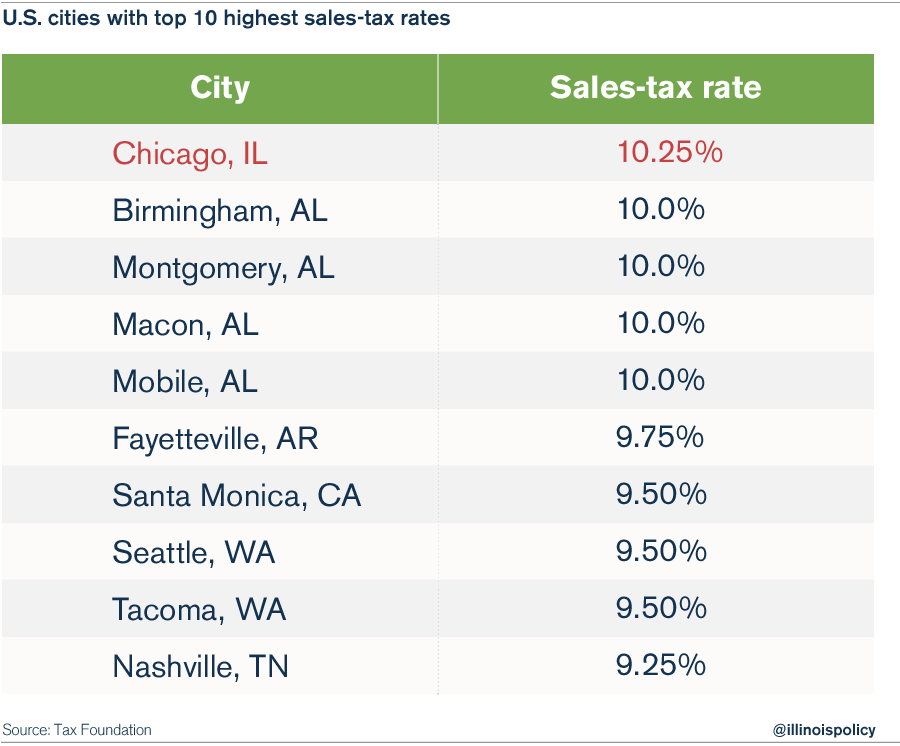
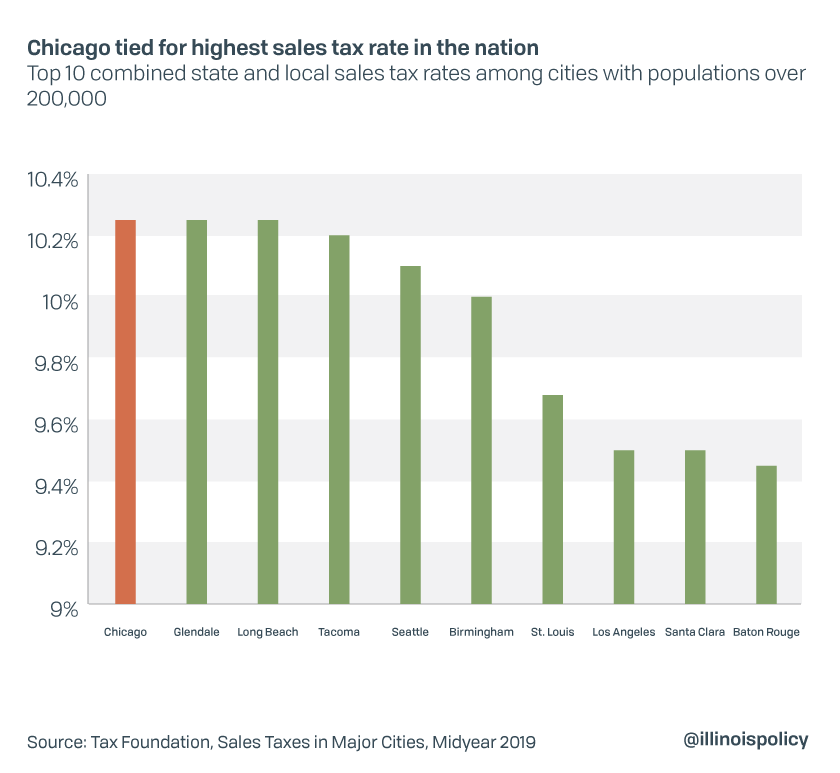
Chicago’s sales tax rate is among the highest in the United States, a detail that often catches first-time visitors by surprise. This elevated rate is not a single, flat percentage but rather a composite of taxes imposed by different governmental bodies. For tourists, recognizing this structure is the first step toward accurately predicting costs.
The Combined Rate Explained
The general sales tax rate in Chicago is approximately 10.25%. This rate applies to most tangible goods purchased within the city limits. To break it down, this includes:
- Illinois State Sales Tax: The foundational layer, currently at 6.25%. This portion is uniform across the entire state.
- Cook County Sales Tax: An additional 1.75% is imposed by Cook County, where Chicago is located.
- Chicago City Sales Tax: The city itself adds another 1.25%.
- Regional Transportation Authority (RTA) Tax: A crucial component, the RTA levies an additional 1.00% to fund public transportation infrastructure.
When combined, these individual rates accumulate to the familiar 10.25%. This means that for every $100 you spend on taxable goods in Chicago, you’ll pay an additional $10.25 in sales tax. This percentage can vary slightly in other parts of Cook County or Illinois, so it’s specifically important for visitors to Chicago to be aware of the city’s rate.
Who Sets the Rates? (Illinois State, Cook County, and Chicago)
The multi-layered approach to sales tax reflects the various levels of government that contribute to and benefit from these revenues. The Illinois General Assembly sets the state-wide rate, which forms the base. Cook County commissioners then determine their additional percentage, and the Chicago City Council adds its portion. Finally, the RTA, a regional entity, has the authority to impose its own tax to support critical public transit services like the ‘L’ train and bus system, which are indispensable for tourists navigating the city. This complex interplay ensures that funds are collected to support everything from state-wide social services to local infrastructure and public transportation.
What Sales Tax Applies To (and What It Doesn’t)
Understanding what items are subject to sales tax is just as important as knowing the rate itself. This distinction can help tourists make informed decisions, particularly regarding large purchases or essential goods.
Tangible Goods: The Main Target
The 10.25% general sales tax primarily applies to the sale of tangible personal property. This includes a vast array of items that most tourists purchase:
- Clothing and Apparel: From designer wear on Michigan Avenue to a souvenir t-shirt, all garments are subject to sales tax.
- Electronics: Cameras, headphones, smartphones, and other gadgets carry the full sales tax.
- Souvenirs and Gifts: Anything from small trinkets at Navy Pier to art pieces from a gallery falls under this category.
- Home Goods and Decor: If you decide to pick up something for your home, it will be taxed.
- Restaurant Meals and Prepared Food: While often considered a service, prepared food and beverages consumed on or off-premises are generally taxed at the standard rate, though sometimes separate food and beverage taxes apply.
For tourists, this means that most of their shopping expenses, whether for personal items or gifts, will incur the 10.25% sales tax.
Services and Digital Products: A Nuanced View
Historically, most services in Illinois were not subject to sales tax. However, the landscape is evolving. While many personal services (like haircuts or dry cleaning) remain exempt, some select services, especially those considered “amusements” or relating to specific transactions, may have their own taxes. Digital products, such as streaming subscriptions or downloadable software, often fall into a gray area, but generally, tangible items like physical media are taxed. For the average tourist, the primary concern remains tangible goods and prepared food.
Exemptions and Special Considerations
Not everything you purchase in Chicago is subject to the full 10.25% sales tax. Certain categories of items are either exempt or taxed at a reduced rate:
- Groceries: Unprepared food items, often referred to as “groceries” or “food for home consumption,” are taxed at a reduced state rate of 1%. This applies to items bought at grocery stores for cooking at your accommodation, rather than prepared meals from restaurants.
- Prescription and Over-the-Counter Medicine: Most prescription drugs and certain medical appliances are fully exempt from sales tax. Over-the-counter medications are also often subject to the reduced 1% rate.
- Farming and Manufacturing Equipment: These items are generally exempt, but are not relevant to the typical tourist.
Understanding these exemptions can offer minor savings, especially if you plan to stock your hotel fridge or apartment rental with basic groceries rather than eating out for every meal.
Beyond General Sales Tax: Special Taxes for Tourists
While the 10.25% sales tax is a significant factor, tourists in Chicago need to be aware of several other specific taxes that target popular tourist activities and services. These additional levies can add substantially to the cost of your trip.
Restaurant and Prepared Food Taxes
Dining out is a quintessential Chicago experience, from deep-dish pizza to Michelin-starred restaurants. In addition to the standard sales tax on the food itself, you might encounter specific food and beverage taxes. The exact rates can be complex, but often, the combined rate for prepared food in Chicago approaches or exceeds the general sales tax rate. This includes dine-in meals, takeout, and delivery. It’s wise to assume that the final price you pay for a meal will be considerably higher than the menu price once all taxes and potential service charges are added.
Hotel Occupancy Tax
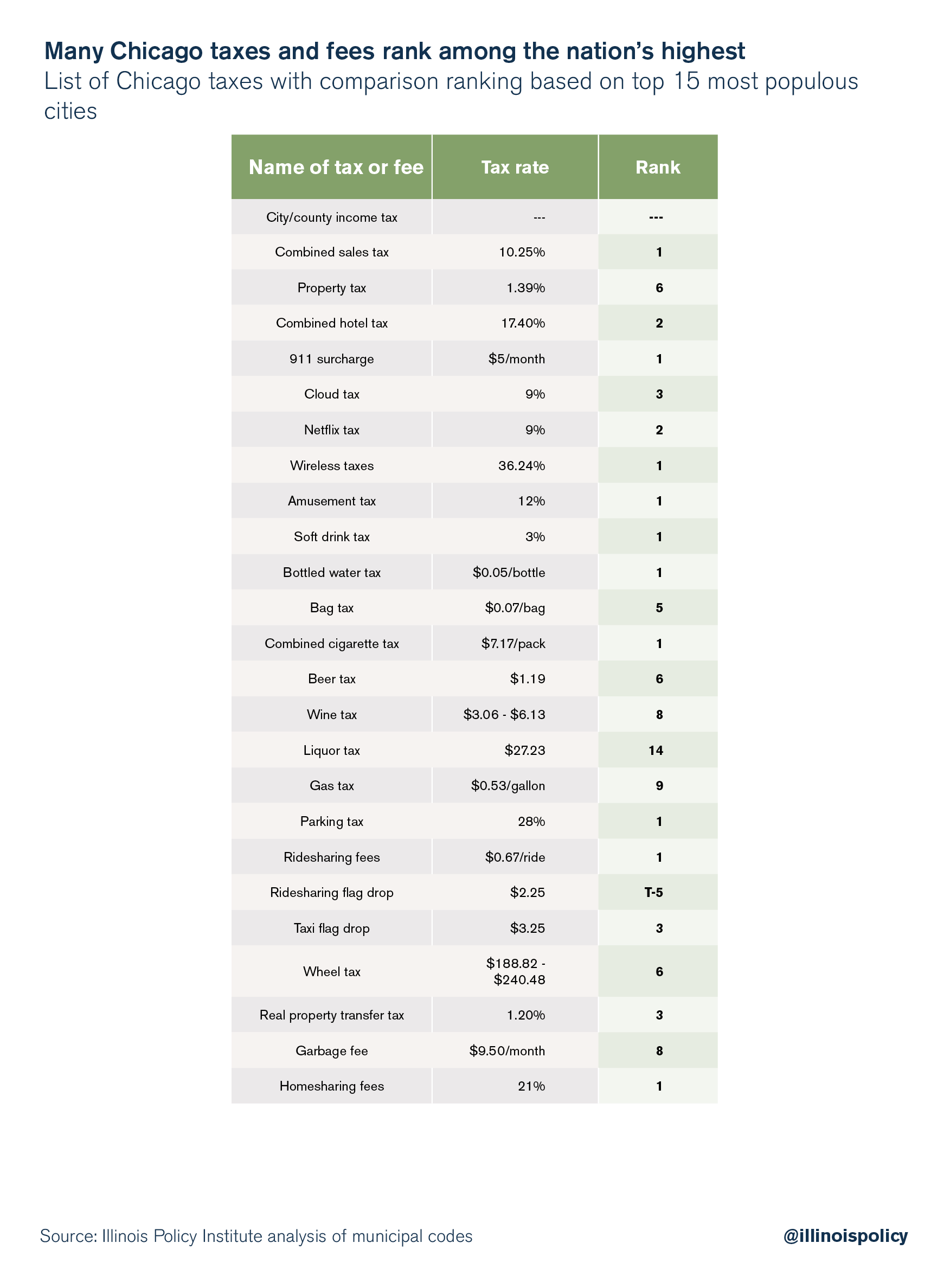
One of the most significant additional taxes for tourists is the hotel occupancy tax. Chicago imposes a substantial hotel tax that combines state, county, and city levies, often reaching around 17.4% on the room rate. This means that a $200 per night hotel room could incur nearly $35 in additional taxes, pushing the actual cost significantly higher. This tax is critical to factor into your accommodation budget, as it can quickly add up over a multi-night stay. This tax contributes to various city services and tourism initiatives, making Chicago a premier destination.
Rental Car Tax
If you plan to rent a car to explore beyond the immediate downtown area or to reach attractions like the Museum of Science and Industry, be prepared for additional taxes on your rental. Illinois and Cook County apply various taxes and surcharges to car rentals, which can significantly increase the daily rate. These often include a state tax, a county tax, and possibly other fees that vary by rental agency and location. Always get a full quote including all taxes and fees before finalizing a rental.
Entertainment Taxes (Tickets, Events)
Chicago offers a plethora of entertainment options, from Broadway in Chicago shows to concerts at the United Center and sports events at Wrigley Field or Guaranteed Rate Field. Tickets to these events are subject to an amusement tax, which is typically around 9% of the ticket price. This applies to most live performances, concerts, sporting events, and even movie tickets. When planning your leisure activities, remember that the advertised ticket price is likely not the final price you will pay.
Practical Tips for Budgeting Your Trip to Chicago
Armed with a better understanding of Chicago’s sales and specialized taxes, you can now approach your trip planning with greater financial foresight. Proactive budgeting for these additional costs can prevent unwelcome surprises and allow you to fully enjoy your visit without financial stress.
Factor Taxes into Your Shopping and Dining
When browsing in stores or perusing restaurant menus, mentally add 10-15% to the listed prices for taxable goods and meals. This simple exercise will give you a more realistic estimate of the final cost. For instance, a $50 item will cost you $55.13 with sales tax. Similarly, a $100 dinner bill could easily become $110 or more after sales tax and other potential food and beverage taxes, before even considering gratuity. Being mindful of this can help you manage your daily spending limits.
Consider the Impact on Larger Purchases
For bigger ticket items, such as high-end electronics, designer clothing, or significant souvenirs, the 10.25% sales tax becomes a substantial addition. A $1,000 purchase will incur over $100 in tax. If you’re contemplating a major shopping spree, ensure your budget accounts for these extra charges. Sometimes, if a similar item is available in a neighboring state with lower sales tax (e.g., Indiana or Wisconsin on the border), the difference could be considerable for very expensive items, though this is rarely practical for the average tourist.
Leverage Tax-Free Items Where Possible
While exemptions are limited, utilize them where you can. Opting to buy groceries for breakfast or snacks from a supermarket (taxed at 1%) instead of frequently dining out can offer minor savings, especially for longer stays. Similarly, carrying essential over-the-counter medications with you or purchasing them in a state with lower sales tax before your trip can be a negligible but existing strategy.
Keeping Track of Your Spending
The best defense against overspending due to taxes is diligent tracking. Use a budgeting app or a simple spreadsheet to record your expenses. Pay attention to receipts, noting the base price versus the taxed amount. This practice not only helps you stay within budget for your Chicago visit but also provides a clear picture of how taxes impact your travel expenses in general, helping you plan future trips more effectively. By being aware and prepared, you can fully immerse yourself in all that Chicago has to offer, without any fiscal surprises.
LifeOutOfTheBox is a participant in the Amazon Services LLC Associates Program, an affiliate advertising program designed to provide a means for sites to earn advertising fees by advertising and linking to Amazon.com. Amazon, the Amazon logo, AmazonSupply, and the AmazonSupply logo are trademarks of Amazon.com, Inc. or its affiliates. As an Amazon Associate we earn affiliate commissions from qualifying purchases.