
Venturing to the Sunshine State, whether for a sun-soaked escape, a cultural immersion, or a business endeavor, promises an unforgettable experience. Florida, a premier global travel destination, beckons with its diverse attractions, pristine beaches, vibrant cities, and unique ecosystems. From the thrilling theme parks of Orlando to the historic charm of St. Augustine, and the tropical allure of the Florida Keys, the state offers a kaleidoscope of experiences for every type of traveler. However, amidst the excitement of planning your itinerary, booking your accommodation, and envisioning your adventures, one crucial detail often overlooked is the impact of sales tax. Understanding “how much is sales tax in Florida” is more than just a trivial financial query; it’s a fundamental aspect of effective budgeting, ensuring a smooth trip, and making informed decisions about your spending.
For visitors and residents alike, sales tax isnays an invisible yet ever-present component of almost every transaction. It affects everything from your daily coffee and souvenir purchases to the cost of your hotel room and entry tickets to world-famous landmarks. A grasp of Florida’s sales tax structure is particularly vital for those managing travel budgets, planning long-term stays, or indulging in luxury experiences. This comprehensive guide aims to demystify Florida’s sales tax, providing clarity on its rates, applications, and how it impacts various aspects of your visit and lifestyle in the Sunshine State. By delving into the specifics, you’ll be better equipped to plan your perfect Florida adventure, free from unexpected financial surprises.
Understanding Florida’s Sales Tax Landscape
At the heart of Florida’s revenue generation is its sales tax, a critical component that funds essential public services and infrastructure across the state. Unlike some other states in the United States that levy an income tax, Florida relies heavily on sales tax and tourism-related taxes to support its vibrant communities and maintain its allure as a top destination. However, the sales tax landscape isn’t a monolithic entity; it’s a dynamic system with both a statewide rate and additional local surtaxes that can vary significantly depending on where you are in the state.
The Statewide Sales Tax Rate
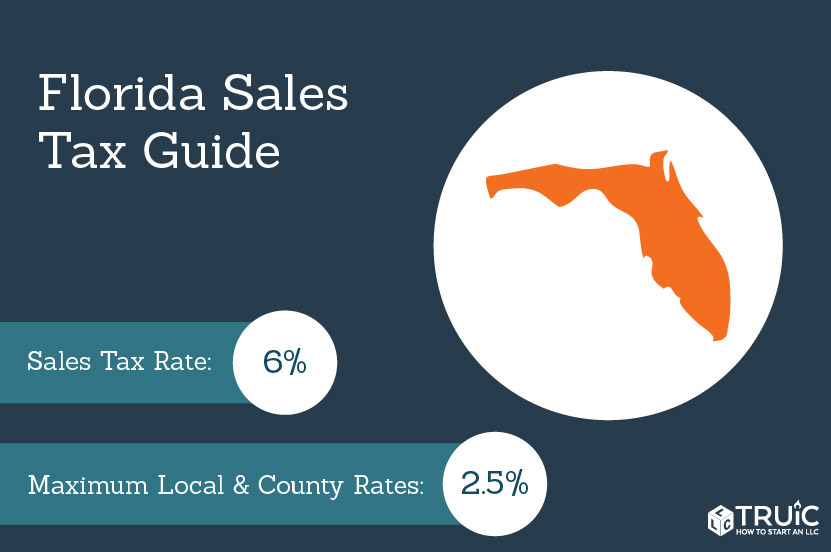
The foundation of Florida’s sales tax structure is its statewide rate. As of the time of writing, the base sales tax rate across the entire state of Florida is 6%. This 6% applies uniformly to the sale, lease, or rental of most goods, as well as to certain services. Whether you’re purchasing a new swimsuit on South Beach, buying groceries (with some important exceptions, as discussed later), or paying for a guided tour through the Everglades National Park, this 6% is the minimum you can expect to pay in sales tax. This consistent base rate provides a starting point for all financial calculations, but it’s crucial to remember that it’s often just the beginning.
Delving into Discretionary Sales Surtaxes by County
While the 6% statewide rate is constant, the total sales tax you pay in Florida is frequently higher due to discretionary sales surtaxes, often referred to as county surtaxes. These additional taxes are levied by individual counties to fund specific local initiatives, such as infrastructure improvements, public transportation projects, or school system enhancements. The authority to impose these surtaxes is granted by state law, allowing counties to address their unique local needs.
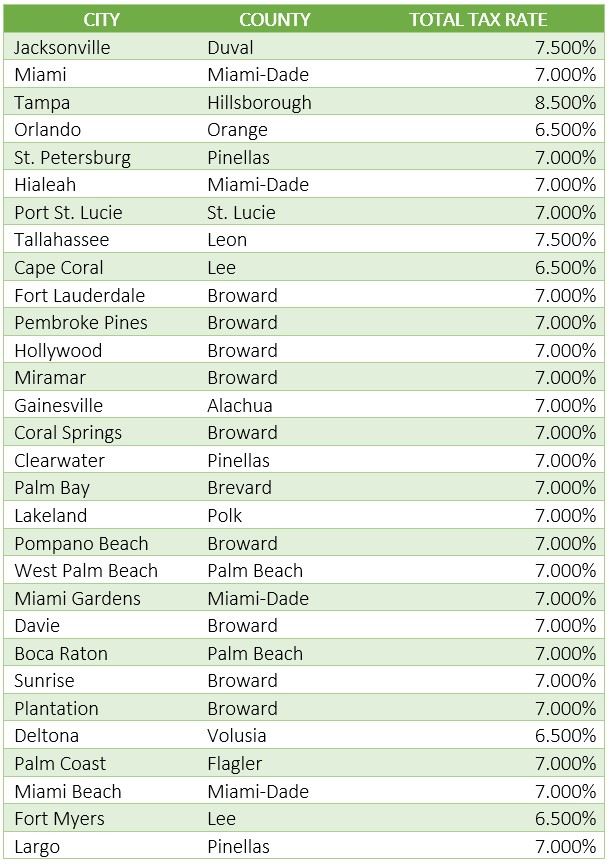
These surtaxes vary widely from county to county, ranging from 0% in some areas to as high as 1.5% in others. This means that the combined sales tax rate (state rate plus county surtax) can fluctuate significantly across Florida. For instance, in popular tourist destinations, understanding these variations is paramount. Miami-Dade County, for example, might have a different combined rate than Orange County (home to much of Orlando’s attractions) or Hillsborough County (where Tampa is located).
To illustrate the impact, consider a scenario where you’re comparing purchases in two different counties. A county with a 1% surtax would result in a combined sales tax rate of 7% (6% state + 1% local), while a county with a 1.5% surtax would lead to a 7.5% combined rate. For smaller purchases, this difference might seem negligible, but for significant expenses like car rentals, electronics, or extensive retail therapy, these fractions of a percent can add up substantially. This variability underscores the importance of checking the specific sales tax rate for your destination within Florida to accurately anticipate costs. Information on current county surtaxes is readily available through the Florida Department of Revenue’s official website.
Sales Tax and Your Florida Travel Budget
For anyone planning a trip to Florida, understanding how sales tax applies to various expenditures is crucial for meticulous budget planning. From choosing your accommodation to dining experiences and engaging in thrilling activities, sales tax will be a consistent factor. By anticipating these additional costs, travelers can avoid unexpected expenses and ensure their travel funds stretch further, enhancing their overall experience in the Sunshine State.
Accommodation: Hotels, Resorts, and Vacation Rentals
Accommodation is often the largest single expense for travelers, and it’s also where sales tax, alongside other specific taxes, plays a significant role. When you book a hotel room, stay at a lavish resort, or rent an apartment or villa for your vacation, the base price will typically be subject to Florida’s state sales tax rate, plus any applicable county surtax.
Beyond the standard sales tax, transient rentals (stays of six months or less) are also subject to a Tourist Development Tax (TDT), often referred to as a resort tax or bed tax. This local-option tax is levied by counties and municipalities on the rental of living quarters, such as hotels, motels, vacation rentals, and even short-term apartment rentals. The TDT rates vary widely by county, ranging from 1% to 6%, and are added on top of the state sales tax and county surtax. For example, a traveler staying in a high-tourism area like Orlando (which includes Orange County, Osceola County, and Polk County) or Miami-Dade County could face combined taxes on their lodging that significantly increase the advertised nightly rate. This is particularly important for those considering luxury travel or extended stays, as these cumulative taxes can add a substantial amount to the total cost. When booking, always look for the “total price” or review the breakdown of charges to see all applicable taxes and fees to avoid surprises at check-out.
Dining Out and Food Purchases
Florida‘s vibrant culinary scene is a major draw, offering everything from fresh seafood on the Gulf Coast to international cuisine in Miami and theme park snacks in Orlando. How sales tax applies to food depends largely on whether it’s prepared food consumed on-site or groceries purchased for home preparation.
Generally, meals purchased at restaurants, cafes, food trucks, and other establishments for immediate consumption are subject to the full state sales tax and any applicable county surtax. This includes dine-in, take-out, and delivery orders. So, when you order a delicious grouper sandwich in Key West or a gourmet meal in Palm Beach, expect the sales tax to be added to your bill before gratuity.
However, most staple groceries purchased at supermarkets and grocery stores for off-premises consumption are exempt from Florida sales tax. This exemption is a significant relief for families planning budget travel or long-term stays where cooking meals at their accommodation is a common practice. Items like fresh produce, meats, dairy products, and packaged goods typically do not incur sales tax. There are nuances, though: prepared foods sold at grocery stores, such as hot deli items or pre-made sandwiches, may be taxable if they are considered ready for immediate consumption. Understanding this distinction can help travelers manage their food budget effectively.
Attractions, Experiences, and Retail Therapy
No trip to Florida is complete without indulging in its myriad attractions and retail opportunities. From world-renowned theme parks to museums, historical sites, and shopping sprees, sales tax will be part of the final cost.
Admission tickets to popular tourist attractions like Walt Disney World Resort, Universal Orlando Resort, the Kennedy Space Center Visitor Complex, or local museums are generally subject to Florida sales tax. Similarly, tickets for various experiences such as boat tours in the Florida Keys, airboat rides in the Everglades, or paddleboard rentals along the Atlantic Coast will also have sales tax applied. This means that the advertised price for an attraction might not be the final price you pay, and budgeting for the extra percentage is wise, especially for family trips where multiple tickets add up quickly.
Retail purchases, from souvenirs and clothing to electronics and beach gear, are also subject to the standard state and local sales tax rates. Whether you’re browsing the boutiques in Fort Lauderdale, hunting for deals in outlet malls near Orlando, or picking up gifts in St. Augustine, expect sales tax to be added at checkout. For luxury travel experiences that often involve high-end shopping, the sales tax can represent a significant additional cost.
Transportation and Rental Services
Getting around Florida is essential for exploring its vast offerings, and transportation services often come with their own sales tax considerations. The most common scenario involves car rentals. When you rent a vehicle from an agency at airports like Orlando International Airport, Miami International Airport, or Tampa International Airport, the rental fee is subject to Florida sales tax, along with other specific rental surcharges and fees. These additional charges for rental vehicles can make the final cost significantly higher than the quoted base rate, so always check the full breakdown of costs when booking.
Other transportation services, such as taxi fares, ride-sharing services, or public transportation tickets, may or may not include sales tax directly in their advertised fares, depending on their specific service structure and local regulations. However, for most vehicle rentals and certain equipment rentals (e.g., bicycles, boats), sales tax will be an expected addition to the base price.
Navigating Sales Tax Exemptions and Special Considerations
While sales tax is pervasive in Florida, not every transaction is subject to it. Understanding exemptions and special scenarios can be particularly beneficial for travelers and residents, allowing for more informed purchasing decisions and potentially saving money. These exceptions often cater to essential goods or specific types of services, aligning with broader economic and social policies.
What’s Exempt from Sales Tax in Florida?
Florida provides several key exemptions from sales tax, primarily for necessities and certain services:
- Groceries: As mentioned earlier, most unprepared food items sold in grocery stores are exempt. This includes fresh produce, meats, dairy, baked goods, and many packaged pantry staples. This exemption is a significant advantage for those looking to self-cater during their stay.
- Prescription Medicines: Both prescription drugs and over-the-counter medicines (when prescribed by a doctor) are exempt from sales tax. This is a vital exemption for health and welfare.
- Medical Services: Services provided by doctors, dentists, hospitals, and other healthcare professionals are generally not subject to sales tax.
- Many Professional Services: While the sale of goods is usually taxed, many professional services (e.g., legal, accounting, consulting) are typically exempt, although this can be a complex area depending on whether tangible goods are transferred as part of the service.
- Certain Educational Materials: Textbooks and some other specific educational materials may be exempt.
- Periodicals and Newspapers: The sale of newspapers and certain magazines is also exempt from sales tax.
- Residential Rent: Long-term residential rent (over six months) is typically exempt from sales tax, though it might be subject to other local fees or taxes not categorized as sales tax.
It’s important to differentiate between sales tax exemptions and other taxes or fees that might still apply. For instance, while groceries are exempt from sales tax, single-serve hot foods purchased at a grocery store deli might not be. Always clarify if you’re unsure, especially for borderline items.
Unique Scenarios: Long-term Stays and Business Travel
Certain situations warrant special attention when it comes to Florida sales tax:
- Long-term Stays: For those planning an extended stay in Florida, such as snowbirds or individuals relocating, the distinction between “transient rental” and “residential rental” is critical. If you rent accommodation for more than six consecutive months, it generally transitions from being a transient rental (subject to sales tax and tourist development tax) to a residential rental, which is usually exempt from both these taxes. This can result in significant savings for long-term residents or visitors. However, the initial contract must clearly indicate an intent for a stay longer than six months to qualify. Always confirm this with your accommodation provider or landlord.
- Business Travel: Business travelers may encounter specific scenarios. While general expenses like meals, lodging, and transportation are subject to sales tax, businesses often have processes for managing and potentially recovering these taxes, especially for larger corporations or specific types of purchases. Purchases made by tax-exempt organizations (e.g., non-profits, government entities) for official use are also typically exempt, though specific documentation is required. Business-related purchases of goods that are resold or become components of goods for resale are also generally exempt through a resale certificate. For companies that regularly conduct business in Florida, understanding these nuances is essential for compliance and optimizing expenditures.
Practical Tips for Travelers and Tourists
Navigating the sales tax landscape in Florida can seem complex, but with a few practical tips, travelers and tourists can ensure a smoother and more predictable financial experience. Being proactive about understanding these costs will help you manage your budget effectively and fully enjoy your time in the Sunshine State.
Budgeting for Sales Tax
The most important tip for any traveler is to always budget for sales tax and other applicable fees on top of the advertised price. Whether it’s the nightly rate for your hotel, the cost of a rental car, or tickets to Walt Disney World Resort, the sticker price is rarely the final price.
- Accommodation: When looking at hotel or vacation rental prices, remember to add the statewide sales tax (6%), the county surtax (up to 1.5%), and the Tourist Development Tax (ranging from 1% to 6% depending on the county). In some high-tourism areas, your total tax burden on lodging could easily reach 12-13% or more. A $200 hotel room could quickly become $226-$230 after taxes.
- Dining: For restaurant meals, simply factor in the combined sales tax rate of the county you’re in (e.g., 6% to 7.5%). A $50 meal might cost $53-$53.75 before tip.
- Attractions & Retail: For larger purchases like theme park tickets, expensive souvenirs, or electronics, a simple mental calculation of the state and local sales tax can prevent sticker shock at the register. If you’re in a 7% tax area and buying a $100 item, it will cost you $107.
By rounding up your estimated costs slightly or adding a buffer percentage to your budget for these taxes, you can avoid depleting your funds sooner than expected. This proactive approach is a hallmark of smart budget travel and contributes to a stress-free experience.
Staying Informed
Knowledge is power, especially when it comes to taxes. While this guide provides a general overview, specific rates and regulations can change.
- Check Local Rates: Before finalizing your plans for a particular city or county, quickly check the current combined sales tax rate for that specific area. The Florida Department of Revenue website is the official and most reliable source for up-to-date information on state and county sales tax rates, including discretionary sales surtaxes and tourist development taxes. Many county tourism boards or chambers of commerce also provide this information on their websites, particularly for accommodation taxes.
- Ask When Booking: When booking hotels, car rentals, or tours, don’t hesitate to ask for a full breakdown of all taxes and fees. Reputable providers will be transparent about these charges. Online booking platforms usually show a “total price” that includes estimated taxes, but double-checking is always a good idea.
- Review Receipts: Always review your receipts to ensure that sales tax has been applied correctly. While errors are rare, they can happen, and understanding what you’re being charged for is part of being an informed consumer.
By staying informed and doing a little homework, you can confidently navigate the financial aspects of your Florida trip, leaving more time and mental energy to focus on the unforgettable destinations, attractions, and experiences that await you.
The Broader Economic Impact on Florida’s Tourism
Beyond the immediate financial implications for individual consumers and businesses, Florida’s sales tax system plays a pivotal role in shaping the state’s economy, particularly its dominant tourism sector. The revenue generated from these taxes is not merely an overhead cost; it’s a vital lifeline that supports the infrastructure, services, and local communities that make Florida such an attractive destination in the first place. Understanding this broader economic impact provides context for why these taxes exist and how they contribute to the overall lifestyle and travel experience in the state.
Funding Public Services and Infrastructure
The sales tax collected on goods and services, as well as the specialized Tourist Development Tax on accommodation, directly contribute to the coffers of both the state government and individual counties. This revenue is then allocated to fund a wide array of public services and crucial infrastructure projects.
At the state level, sales tax revenue helps pay for public education, healthcare services, law enforcement, and the maintenance of Florida’s extensive network of roads and highways. For a state that relies heavily on vehicular travel to connect its major cities and tourist hubs – from Jacksonville to Miami, and Pensacola to Key West – robust infrastructure is non-negotiable.
Locally, county surtaxes and the Tourist Development Tax are often earmarked for specific projects that directly benefit residents and enhance the visitor experience. These can include funding for local parks and recreation facilities, public transportation systems (which are increasingly important in sprawling cities like Orlando and Tampa), convention centers, sports stadiums, and even environmental protection initiatives for Florida’s precious natural landscapes like the Everglades National Park and the pristine beaches of Sarasota and Naples. Essentially, the sales tax you pay helps to maintain the very attractions and amenities that draw people to Florida.
Supporting Local Economies
The tourism industry in Florida is a colossal economic engine, supporting millions of jobs and driving business for countless local enterprises. Sales tax revenue, particularly the Tourist Development Tax, acts as a circular investment, with funds generated from visitors often reinvested into programs and marketing efforts that attract even more tourists. This cycle of investment is critical for the sustained growth and vitality of the state’s tourism-dependent communities.
For example, counties use TDT revenue to promote their destinations, maintain beaches and historic sites, and even fund cultural events that highlight Florida’s local culture and unique heritage. This support helps small businesses, from mom-and-pop restaurants in Daytona Beach to independent tour operators in Port Canaveral, to thrive. By contributing to sales tax, travelers are indirectly participating in the economic ecosystem that underpins their enjoyable vacation. It ensures that the destination remains vibrant, clean, safe, and continuously evolving, offering new experiences for future visitors.
In essence, while sales tax might feel like an additional cost, it represents an investment in the quality of the destination itself. It contributes to the sophisticated infrastructure, the preservation of natural beauty, and the diverse range of activities that define the Florida experience, making the Sunshine State a premier choice for global travel, tourism, and accommodation for all lifestyles, from budget-conscious explorers to luxury seekers.
In conclusion, understanding “how much is sales tax in Florida” is an indispensable part of planning any visit or long-term stay. With a statewide rate of 6% forming the base, coupled with variable county surtaxes and specific tourist development taxes on lodging, the total tax burden can fluctuate. Being aware of these rates and how they apply to accommodation, dining, attractions, and retail purchases empowers travelers to budget effectively and avoid any unwelcome surprises. By proactively researching the rates for your specific destination, accounting for them in your financial plans, and recognizing the broader economic impact they have on supporting the state’s infrastructure and tourism industry, you can ensure your Florida experience is as seamless and enjoyable as possible, allowing you to focus on creating unforgettable memories in this extraordinary state.
LifeOutOfTheBox is a participant in the Amazon Services LLC Associates Program, an affiliate advertising program designed to provide a means for sites to earn advertising fees by advertising and linking to Amazon.com. Amazon, the Amazon logo, AmazonSupply, and the AmazonSupply logo are trademarks of Amazon.com, Inc. or its affiliates. As an Amazon Associate we earn affiliate commissions from qualifying purchases.