
Navigating the financial landscape of New York State requires more than just a map and an itinerary. For travelers planning an extended stay or a luxury getaway to the Empire State, understanding the intricacies of local taxation is essential for accurate budget planning. Whether you are shopping on Fifth Avenue in New York City or exploring the historic districts of Albany, the total cost of your purchases is often dictated by a layered tax structure that can surprise the uninitiated visitor.
The Foundation of New York Sales Tax
Sales tax in New York is not a singular, uniform rate. Instead, it is a cumulative percentage comprised of state-level mandates and local-level additions. Understanding this breakdown is the first step in managing your travel expenses effectively.
The Base Rate and Local Supplements
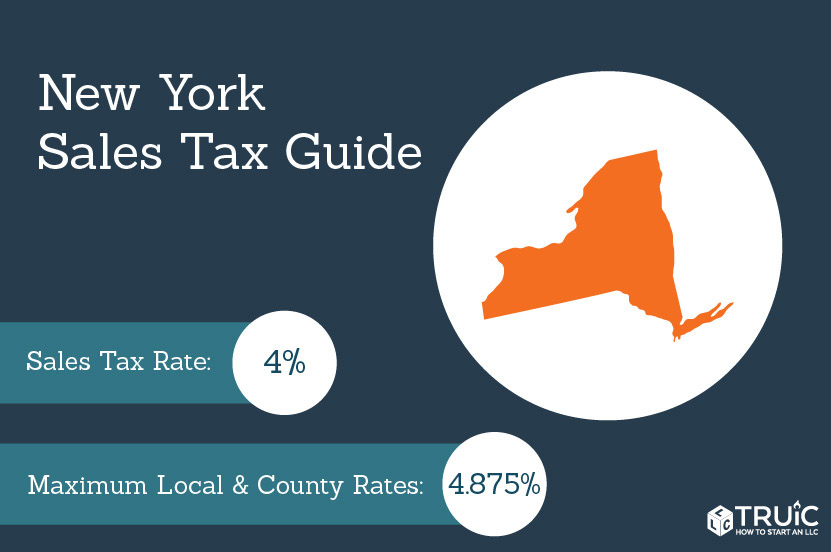
The state of New York imposes a base sales tax rate of 4% on most tangible personal property and certain services. However, the true cost you pay at the register is almost always higher because counties and cities are authorized to add their own local sales tax on top of this state base. In many parts of the state, including popular tourist hubs, the combined rate often fluctuates between 7% and 8.875%.
Tax-Free Thresholds on Clothing
One of the most frequently asked questions by visitors involves the “Clothing and Footwear Exemption.” New York State has a long-standing tradition of exempting clothing and footwear items priced under $110 from state sales tax. While this sounds straightforward, it is critical to note that this exemption does not automatically apply to all local jurisdictions. Some cities and counties have opted out of this exemption, meaning you might pay local sales tax even if the state portion is waived. Always check the specific county regulations if you are planning a major shopping excursion in locations like Buffalo or Rochester.
Navigating Sales Tax in New York City
New York City is a world-class destination for dining, shopping, and entertainment, but its tax environment is distinct from the rest of the state. If you are staying at an upscale hotel near Times Square or enjoying a Broadway show, your receipt will reflect the city’s unique tax profile.
The 8.875% Reality
In the five boroughs, the combined sales tax rate is firmly set at 8.875%. This is the sum of the 4% state tax, the 4.5% local city tax, and a 0.375% surcharge for the Metropolitan Commuter Transportation District. This rate applies to the vast majority of retail goods. When you are budgeting for a trip to the Statue of Liberty or purchasing souvenirs at the Empire State Building, this is the figure you should keep in mind to avoid end-of-trip financial surprises.
Hotel Occupancy Taxes
It is vital to distinguish between sales tax and occupancy tax. When you check into a hotel in Manhattan or Brooklyn, you are subject to both. In addition to the standard sales tax, hotels charge an occupancy tax, which is often a percentage of the room rate plus a flat fee per day. These taxes are non-negotiable and are usually added to your final bill upon checkout. Travelers should ensure their travel budget accounts for these extra fees, which can add significant costs to a luxury stay at venues like the Plaza Hotel.
Regional Variations Beyond the City
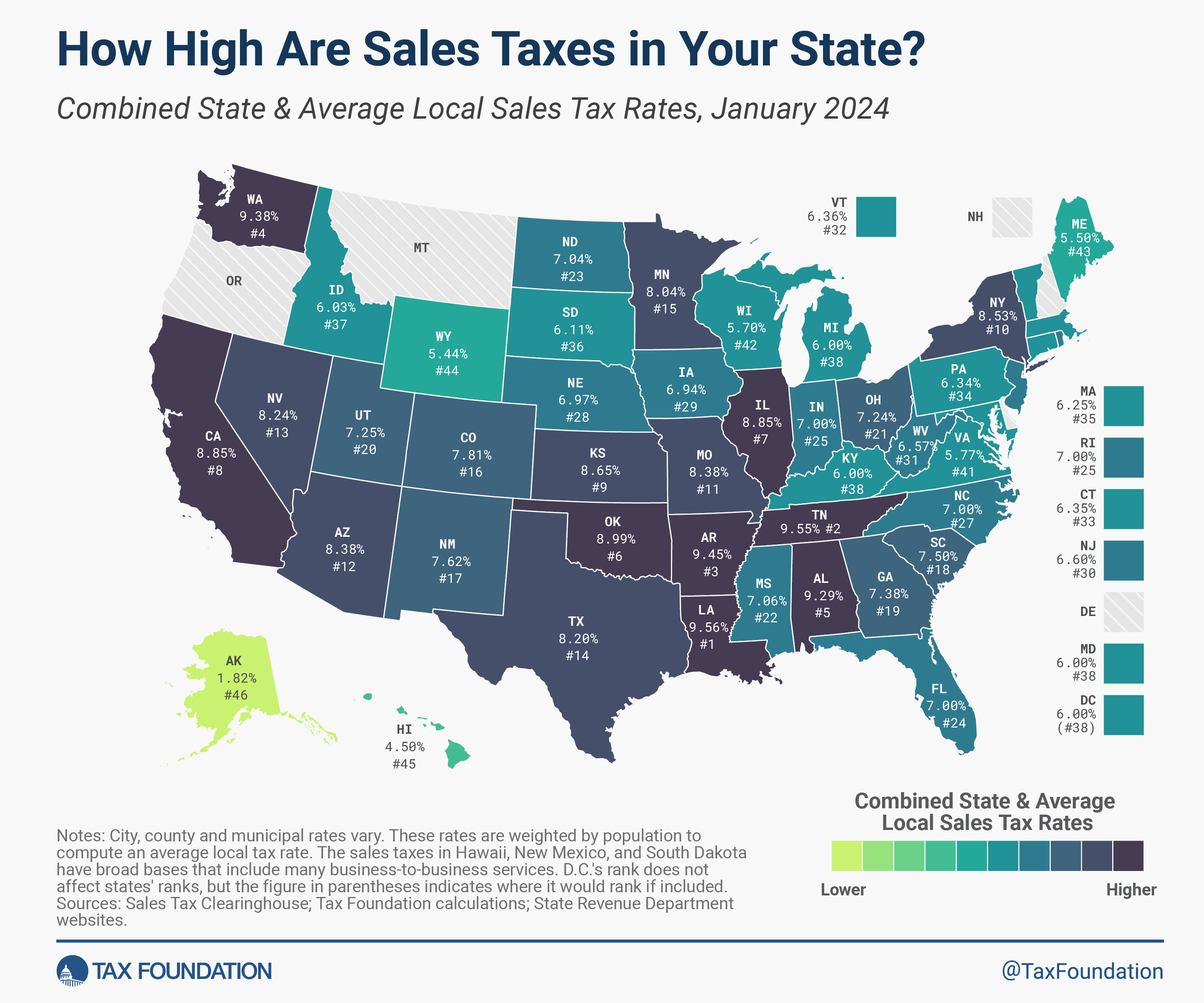
As you venture further from the urban core into the scenic regions of the Hudson Valley or the Finger Lakes, the tax rates tend to be slightly lower than in the metropolis. However, consistency remains elusive, as rates change at every county line.
Tax Considerations for Long-Term Visitors
If you are planning an extended stay in a rental property or a summer home in the Hamptons, you may encounter different tax rules regarding short-term rentals. Many jurisdictions in New York have expanded their tax reach to include platforms like Airbnb or Vrbo. Consequently, the “service fees” you see during the booking process often include local hotel/motel taxes that mirror the rates applied to traditional resorts in Saratoga Springs.
Dining and Prepared Foods
One aspect of travel that remains consistent across the state is the taxation of prepared foods. Whether you are grabbing a quick bagel in Queens or dining at a fine-establishment in Cooperstown, prepared meals are fully taxable. Unlike some states that offer tax relief on grocery items, New York treats restaurant meals as a luxury service, subjecting them to the full applicable sales tax rate of the jurisdiction. Budgeting for an extra 8% to 9% on top of your restaurant menu prices is a standard practice for savvy travelers.
Tips for Managing Travel Expenses
Planning for taxes is a hallmark of an experienced traveler. While you cannot opt out of tax laws, you can definitely plan your spending to mitigate the impact of these unavoidable costs.
Strategy 1: Prioritize Tax-Exempt Purchases
If you are coming to New York specifically for a shopping spree, look for items that qualify for exemptions. Focus your retail therapy on clothing and footwear priced below $110. While this won’t cover luxury handbags or designer coats, it significantly lowers the “tax friction” of buying casual wear and walking shoes for your urban explorations of Central Park.
Strategy 2: Factor Taxes into “All-In” Pricing
When using booking engines to reserve your accommodation at a boutique resort in the Catskill Mountains, don’t just look at the nightly rate. Always click through to the final checkout screen before confirming. This reveals the “all-in” price, which includes occupancy taxes, state sales taxes, and any resort fees. By doing this, you ensure that your initial vacation budget is realistic and that you aren’t left scrambling for extra funds when it comes time to pay the final bill.
Strategy 3: Be Aware of Local “City Taxes”
In certain tourist-heavy cities, there may be additional municipal taxes on top of standard sales tax, specifically targeting hospitality and entertainment. If you are attending a major event at the Madison Square Garden, anticipate that the price of your ticket may already incorporate these local levies. Knowing these details upfront helps you prioritize your experiences without overextending your financial goals.
By understanding that tax rates are dynamic and influenced by both state and local mandates, you can better navigate the costs associated with your journey through the Empire State. Whether you are exploring the Adirondacks or navigating the fast-paced streets of Wall Street, a little bit of research into the local tax structure goes a long way toward ensuring your trip remains as enjoyable as it is well-funded.
LifeOutOfTheBox is a participant in the Amazon Services LLC Associates Program, an affiliate advertising program designed to provide a means for sites to earn advertising fees by advertising and linking to Amazon.com. Amazon, the Amazon logo, AmazonSupply, and the AmazonSupply logo are trademarks of Amazon.com, Inc. or its affiliates. As an Amazon Associate we earn affiliate commissions from qualifying purchases.