
For many, the mention of California immediately conjures images of sun-drenched beaches, towering redwoods, vibrant cities, and boundless opportunities. It’s a dream destination for travelers worldwide, a hub of innovation, and a state celebrated for its diverse landscapes and rich cultural tapestry. Yet, beneath the glittering facade of Hollywood and the tech boom of Silicon Valley, lies a complex economic reality, particularly concerning the cost of living. This reality significantly impacts individuals relying on fixed incomes, such as those receiving Supplemental Security Income (SSI). The question, “How much is SSI in California?” transcends a simple numerical answer; it delves into the very fabric of lifestyle, local exploration, and the pursuit of a fulfilling life within the Golden State.
Understanding the SSI benefit amounts in California is crucial for those who depend on it, as these funds form the bedrock of their daily existence. It dictates not just basic necessities but also the extent to which they can engage with the state’s renowned attractions, immerse themselves in local culture, or simply enjoy the unique environment that makes California so appealing. For our audience, keen on travel, accommodation, and lifestyle, exploring this intersection provides a vital perspective on accessibility, budget-conscious exploration, and the resilience required to thrive in one of the world’s most desired—and often most expensive—locations. This article aims to illuminate the financial specifics of SSI in California and, more importantly, to explore how these figures shape the opportunities for local lifestyle and modest travel within this incredible state.
Understanding SSI in the Golden State: A Financial Foundation
Supplemental Security Income (SSI) is a critical federal program administered by the Social Security Administration (SSA) that provides monthly cash payments to adults and children with disabilities or blindness who have limited income and resources, and to people aged 65 or older without disabilities who meet the financial limits. It is designed to meet basic needs for food, clothing, and shelter, serving as a vital safety net for some of the nation’s most vulnerable populations. In a state like California, where the cost of living consistently ranks among the highest in the country, the adequacy of these benefits takes on particular importance.
What is Supplemental Security Income (SSI)?
At its core, SSI is a needs-based program, meaning eligibility and benefit amounts are determined by an individual’s financial situation. Unlike Social Security retirement or disability benefits, which are based on work history and contributions to the system, SSI does not require a prior work record. It’s funded by general tax revenues, not Social Security taxes. The primary purpose is to ensure that eligible individuals have a minimal income floor to cover essential living expenses. This includes rent or mortgage payments, groceries, utilities, and other basic necessities that form the foundation of anyone’s lifestyle, whether they aspire to travel the world or simply enjoy their local community park. The program is particularly significant in California, home to a vast and diverse population, including many seniors and individuals with disabilities who rely heavily on this financial assistance.
SSI Payment Amounts in California
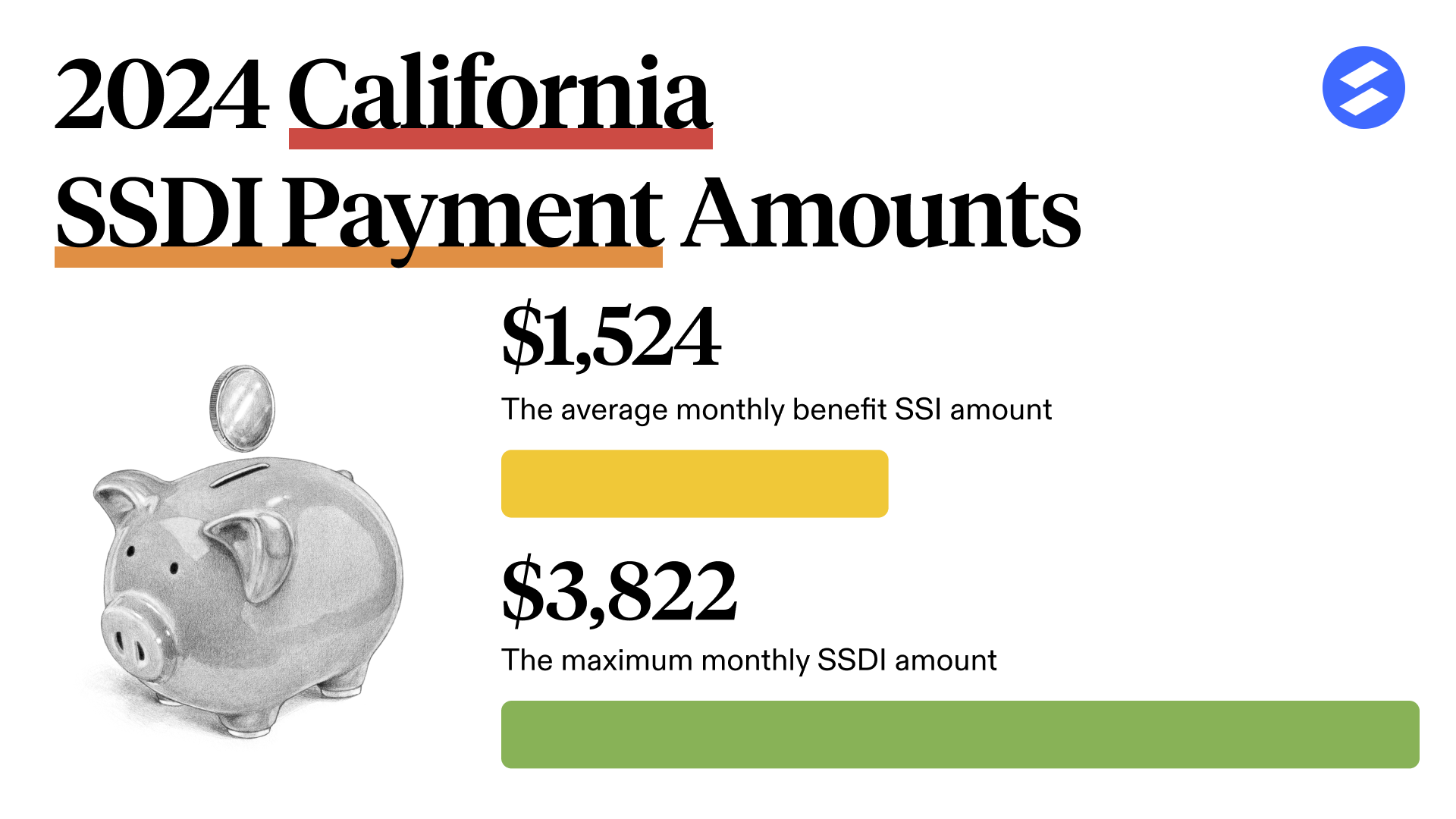
The SSI payment is composed of two main parts: a federal benefit rate (FBR) and, in many states including California, a state supplementary payment (SSP). The federal benefit rate is uniform across the country and is adjusted annually for cost-of-living increases. As of 2024, the federal benefit rate is $943 for an eligible individual and $1,415 for an eligible couple.
However, California is one of the states that provides an SSP, significantly increasing the total monthly payment for its residents. This SSP is administered through the California Department of Social Services (CDSS) and is crucial for helping recipients cope with the state’s elevated living costs. The exact SSP amount varies based on an individual’s living arrangement (e.g., living independently, in someone else’s household, or in a non-medical facility).
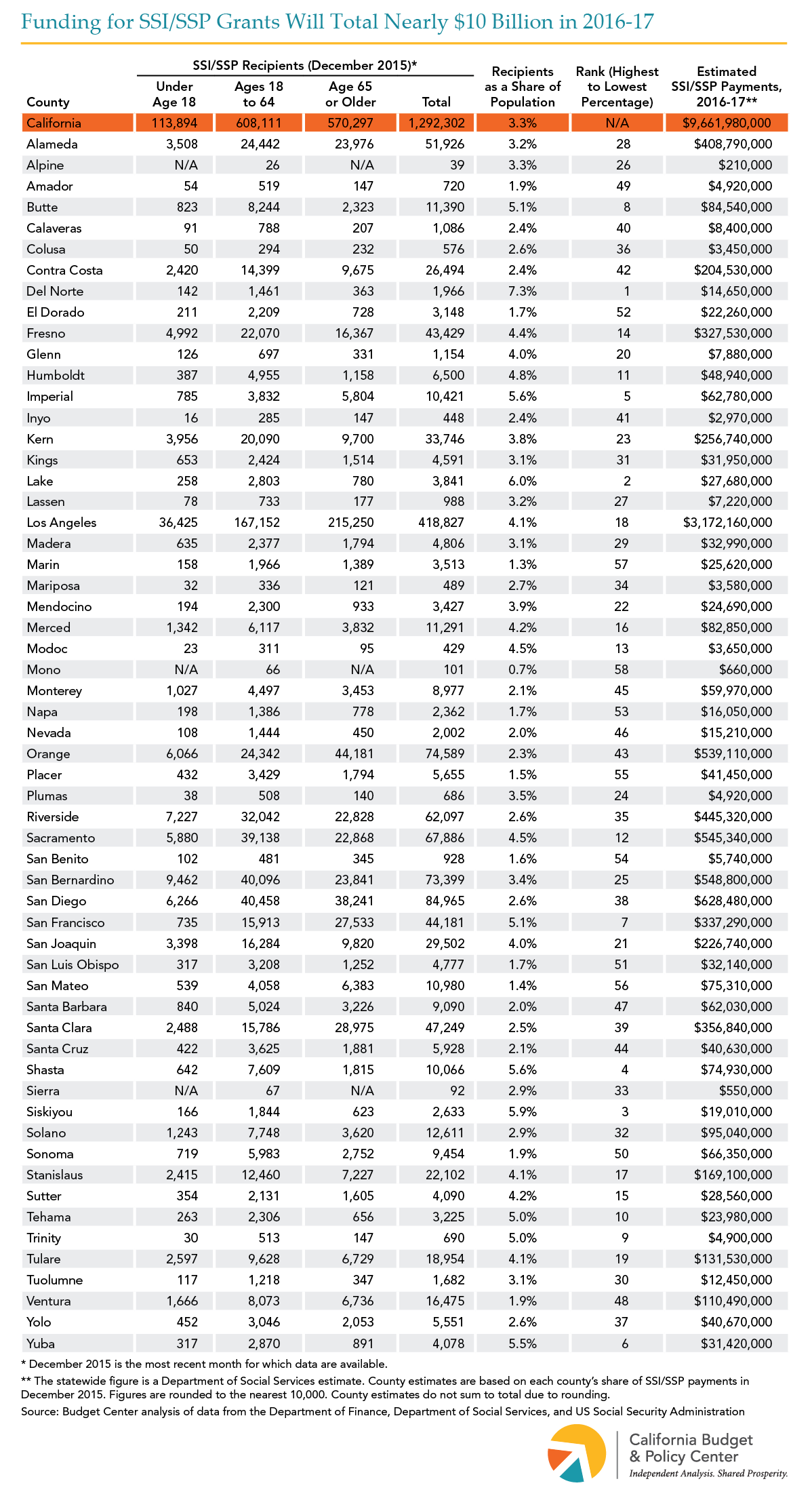
For instance, as of January 1, 2024, an eligible individual living independently in California could receive a combined SSI/SSP payment of approximately $1,182.94 per month. An eligible couple living independently might receive around $2,022.94 monthly. These figures represent the maximum possible benefits for those with no other countable income. It’s important to note that any other income (such as earned wages, pensions, or other Social Security benefits) would generally reduce the SSI/SSP payment, as the program is designed to be a “payer of last resort.” The complex calculation of countable income and resources often requires individuals to navigate intricate rules, but the goal remains to ensure a baseline level of financial stability. These amounts, while higher than the federal minimum, still present significant challenges when considering the typical costs associated with housing, transportation, and discretionary spending—elements that often define a desirable lifestyle or the ability to experience California’s many attractions.
Lifestyle on SSI: Balancing Essentials and Experiences in California
Living on SSI in California is a masterclass in budgeting and resourcefulness. The financial support provides a fundamental safety net, yet it often necessitates a focused approach to daily living, where every dollar counts. This impacts everything from the choice of accommodation to daily meals and, crucially, the ability to engage in leisure activities or experience the renowned landmarks that define the Golden State. For those navigating life with these benefits, the term “lifestyle” takes on a deeper meaning, focusing on sustainable well-being and localized enjoyment rather than grand travel plans.
The Cost of Living in California and its Impact
California’s reputation for high living costs is well-deserved. Housing, in particular, presents an immense hurdle. Major metropolitan areas like Los Angeles, San Francisco, and San Diego boast some of the most expensive rental markets in the nation. Even more inland cities like Sacramento and Oakland, or areas within Orange County, demand significant portions of income for rent. For an individual receiving approximately $1,183 per month from SSI/SSP, securing safe and stable housing is often the paramount challenge, consuming the majority, if not all, of their monthly income. This reality leaves very little room for other essentials, let alone discretionary spending on travel or tourism.
Beyond housing, the costs of transportation, groceries, and healthcare co-pays further strain budgets. Public transportation, while available in many urban centers, can still accumulate costs, and car ownership, with its associated expenses of fuel, insurance, and maintenance, is often prohibitively expensive. This economic environment means that for SSI recipients, “lifestyle” often equates to meticulous financial planning and prioritizing fundamental needs over aspirational leisure activities. The dream of a spontaneous trip to Lake Tahoe or a weekend getaway to Napa Valley remains largely out of reach for most.
Crafting a Fulfilling Local Lifestyle
Despite the financial constraints, many SSI recipients in California adeptly craft fulfilling and enriching local lifestyles. This often involves leveraging community resources, seeking out free or low-cost activities, and finding joy in accessible, local amenities. Public parks become invaluable green spaces for relaxation and recreation. Community centers offer free or low-cost classes, social events, and support groups, fostering a sense of belonging. Libraries provide access to books, media, and internet services, serving as crucial hubs for entertainment and information.
For example, residents in Los Angeles might frequent the expansive Griffith Observatory for its free exhibits and stunning city views, or enjoy the outdoor spaces of the Getty Center which offers free admission (though parking fees apply). In San Francisco, a stroll through Golden Gate Park offers endless free exploration, from gardens to open spaces. Similarly, [San Diego](https://lifeoutofthebox.com/san-diego] residents can enjoy the vast cultural offerings and serene gardens of Balboa Park, many of which are free or have nominal fees.
The focus shifts to quality-of-life improvements within one’s immediate surroundings rather than extensive travel. This can include gardening, participating in local senior programs, volunteering, or simply enjoying the natural beauty of California’s diverse neighborhoods. The ability to afford a meal out at an inexpensive local eatery, visit a local farmers market, or attend a free community concert can represent significant luxuries, demonstrating how a “luxurious lifestyle” on SSI is redefined through small, attainable pleasures and strong community connections.
Exploring California on a Budget: Accessible Tourism and Local Gems
While extensive travel might be challenging on an SSI income, the allure of California’s diverse attractions remains. The key for SSI recipients and other budget-conscious individuals is to embrace creative strategies for local exploration and accessible tourism, focusing on day trips, free attractions, and maximizing public resources. The state, rich in natural beauty and public spaces, offers numerous opportunities for adventure without breaking the bank.
Unlocking Affordable Adventures
One of the most effective ways to experience California’s wonders on a limited budget is to prioritize free or very low-cost activities. Many of California’s most iconic landmarks offer free admission, or at least public areas that can be enjoyed without cost.
For instance, in San Francisco, walking across the Golden Gate Bridge, exploring the bustling Fisherman’s Wharf (and resisting souvenir shops), or taking in the views from Twin Peaks are all magnificent, free experiences. In Los Angeles, a stroll along the Santa Monica Pier or Venice Beach, visiting the Hollywood Walk of Fame, or hiking in the Hollywood Hills provides iconic experiences at no cost. Even some world-class museums in cities like Los Angeles (like the Getty Center) offer free general admission, requiring only payment for parking.
National and State Parks are also incredible resources. While some may have entrance fees, many offer free days, and some federal programs provide lifetime passes at reduced rates for seniors and individuals with disabilities. Day trips to accessible parts of parks like Yosemite National Park (focusing on valley views and short accessible trails), Joshua Tree National Park, or Death Valley National Park can be accomplished with careful planning, packed lunches, and carpooling if possible. The sheer scale and beauty of California’s natural wonders often don’t require expensive tours; simply being present and observing can be profoundly rewarding.
Transportation is another critical factor. Utilizing extensive public transit systems in urban areas can open up possibilities for exploring different neighborhoods and attractions. For instance, in the Bay Area, BART and Muni can connect residents to various parts of San Francisco and Oakland, allowing access to everything from the Ferry Building Marketplace to specific cultural districts. Many transit agencies offer discounted fares for seniors and individuals with disabilities, making these options even more viable.
Accommodation and Travel Considerations
When it comes to overnight stays, the options for SSI recipients are severely limited by budget. Traditional hotels and resorts are generally out of reach. However, short day trips within one’s local region are highly feasible. For those who might consider a very rare, planned overnight trip, options might include staying with family or friends, or exploring extremely budget-friendly alternatives like specific hostels that cater to long-term stays (though this is rare for SSI recipients) or campgrounds if accessible and equipped. The focus for “accommodation” in this context shifts from seeking out luxury suites or boutique hotels to finding safe, affordable, and often, free places to rest during a day of exploration, such as public benches, picnic areas, or community centers.
The concept of “travel” itself might be reimagined as “local immersion.” Instead of flying to distant destinations, it involves thoroughly exploring one’s own city or a neighboring town. Discovering hidden murals, sampling diverse cuisines from food trucks, attending free festivals, or spending an afternoon at a local beach are all forms of enriching travel. Places like the Monterey Bay Aquarium, while having an admission fee, often have beautiful surrounding areas (like Cannery Row) that can be enjoyed for free. Even the drive along the Pacific Coast Highway is an experience in itself, requiring only fuel and perhaps a packed lunch for stunning views and photo opportunities.
While aspirational destinations like Disneyland Resort or Universal Studios Hollywood remain largely inaccessible due to cost, California is rich with public art, historic sites, and natural beauty that can be enjoyed by everyone, regardless of income. The lifestyle of an SSI recipient in California truly embodies the spirit of making the most of what’s available, finding profound value in community, nature, and the free cultural offerings that define the state.
The Future of Support and Accessibility: Enhancing the California Experience
The challenges faced by SSI recipients in California are well-recognized by advocates, policymakers, and community organizations. While the current SSI/SSP benefits provide a crucial baseline, there is continuous effort to enhance both the financial support and the accessibility of resources, which would ultimately improve the lifestyle and local exploration opportunities for this population. The overarching goal is to ensure that all residents, regardless of their economic circumstances, can experience a dignified and engaging life in the Golden State.
Advocacy for Increased Benefits and Services
Ongoing advocacy efforts frequently target increasing the federal benefit rate for SSI, recognizing that the current national standard often falls below the poverty line, especially in high-cost-of-living areas like California. At the state level, there is continuous pressure to raise the State Supplementary Payment (SSP) to better reflect California’s unique economic landscape. These increases are not merely about numbers; they are about providing a greater margin for necessities, reducing financial stress, and allowing for a modest allocation towards social engagement, cultural activities, and even limited travel within local communities. Every additional dollar can translate into better nutrition, more stable housing, or the ability to afford a bus fare to a favorite park or a local museum’s free day.
Beyond direct financial aid, advocacy also focuses on expanding support services. This includes assistance with housing, utility payments, and food programs, which indirectly free up SSI funds for other uses. Furthermore, initiatives to simplify the application and reporting processes for SSI can reduce administrative burdens and ensure more eligible individuals receive the benefits they are entitled to without unnecessary stress. These structural improvements are critical to improving the overall quality of life and enabling a more integrated and fulfilling existence for SSI recipients.
The Role of Community and Public Resources
Community engagement and the availability of public resources play an indispensable role in enriching the lives of SSI recipients in California. Local governments, non-profit organizations, and volunteer groups are often at the forefront of providing accessible leisure and cultural opportunities. Senior centers, for example, frequently organize free or low-cost excursions, offer discounted meals, and host social events that combat isolation and promote well-being. Many public museums and cultural institutions in cities like San Francisco, Los Angeles, and San Diego offer free admission days, senior discounts, or specific programs designed to be inclusive. Even iconic landmarks like Alcatraz Island, while having a ticket price, are supported by public infrastructure that ensures their preservation and accessibility for future generations, even if visits are rare for those on limited budgets.
The focus on improving accessibility extends beyond physical infrastructure to program design, ensuring that cultural sites, parks, and public transportation are welcoming and usable for individuals with various disabilities. This includes accessible pathways, clear signage, assistive listening devices, and inclusive programming. By investing in these areas, California strives to ensure that its natural beauty and rich cultural heritage are not exclusive to those with ample disposable income but are truly available for all residents to enjoy and incorporate into their daily lives and local explorations. The strength of community, coupled with dedicated public services, transforms the financial reality of SSI into a foundation upon which a rich and locally connected life can be built.
In conclusion, “How much is SSI in California?” is a question that opens a window into the nuanced reality of life in one of the world’s most desirable locations. The combined SSI/SSP benefits provide essential financial support, forming the bedrock for many individuals with limited income. While these amounts necessitate a carefully managed budget, they do not preclude a fulfilling lifestyle or engaging with California’s renowned offerings. Through careful planning, reliance on free and low-cost public resources, and a focus on local gems, SSI recipients can craft lives rich in community, culture, and nature. As California continues to evolve, ongoing advocacy for increased benefits and enhanced accessibility will be vital to ensuring that the Golden State’s allure and opportunities are truly within reach for all its residents, fostering a sense of belonging and enabling everyone to experience the vibrant tapestry of life it offers.
LifeOutOfTheBox is a participant in the Amazon Services LLC Associates Program, an affiliate advertising program designed to provide a means for sites to earn advertising fees by advertising and linking to Amazon.com. Amazon, the Amazon logo, AmazonSupply, and the AmazonSupply logo are trademarks of Amazon.com, Inc. or its affiliates. As an Amazon Associate we earn affiliate commissions from qualifying purchases.