
Navigating the requirements and costs associated with vehicle state inspections in Texas is a crucial aspect of vehicle ownership for residents and visitors alike. This essential process ensures that vehicles operating on Texas roadways meet minimum safety and emissions standards, contributing to the overall safety and environmental quality of the state. Understanding the fee structure, what the inspection entails, and where to get it done can save you time and money, and prevent unexpected issues.
Understanding the Texas State Inspection Fee
The state of Texas mandates a comprehensive vehicle inspection designed to ensure roadworthiness and compliance with environmental regulations. The cost of this inspection is regulated by the state, ensuring a consistent and fair price across all authorized inspection stations.

The Official Inspection Fee
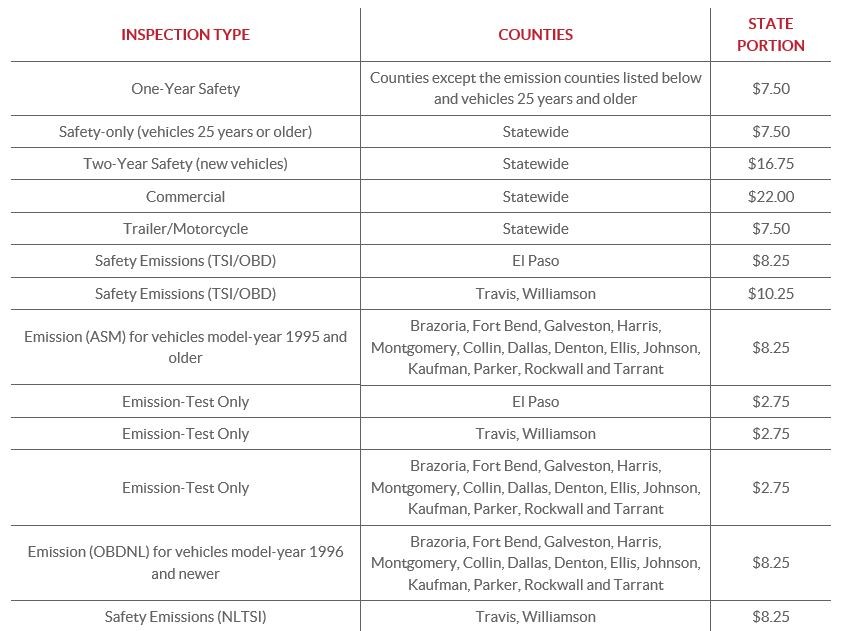
As of the latest regulations, the official fee for a state inspection in Texas is $30.00. This fee is divided between the state and the inspection station, with a portion allocated to the Texas Department of Public Safety (DPS) and the remainder retained by the station for their services. It’s important to note that this fee covers both the safety inspection and, where applicable, the emissions inspection.
What Your Inspection Fee Covers
The $30.00 fee is not simply a charge for a sticker; it encompasses a thorough examination of your vehicle. This includes a rigorous safety inspection and, for vehicles registered in the more populous counties, an emissions test.
Safety Inspection Components
The safety inspection is designed to identify potential hazards that could compromise the driver, passengers, or other road users. Inspectors will check a comprehensive list of components, including but not limited to:
- Brakes: Functionality of the brake pedal, parking brake, and all brake components.
- Lights: Headlights (high and low beams), taillights, brake lights, turn signals, and hazard lights.
- Tires: Tread depth, wear, and proper inflation.
- Windshield Wipers and Washers: Effectiveness of wipers and the presence of washer fluid.
- Horn: Operability and loudness.
- Mirrors: Presence and condition of rearview and side mirrors.
- Exhaust System: Checking for leaks and excessive noise.
- Steering and Suspension: Ensuring proper alignment and no loose components.
- Seat Belts: Functionality and proper installation for all occupants.
- Windows: Visibility and absence of excessive cracks or damage.
- Airbags: Warning light status.
Emissions Inspection Components (Where Applicable)
In 27 counties across Texas with larger populations, an emissions test is also required. This test is designed to ensure that your vehicle’s exhaust system is not releasing harmful pollutants into the atmosphere above the legal limits. The emissions test typically involves:
- On-Board Diagnostics (OBD) Scan: For vehicles model year 1996 and newer, the inspector will connect to your vehicle’s OBD system to check for diagnostic trouble codes and emissions-related data.
- Visual Inspection: Inspectors will visually check for modifications to the emissions control system, such as catalytic converters.
- Gas Cap Test: Ensuring the gas cap is properly sealed to prevent evaporative emissions.
The emissions test is a critical component for maintaining air quality in urban areas. If your vehicle fails the emissions test, you will need to have the necessary repairs made before it can pass the state inspection. The inspection fee covers both the safety and emissions tests.
Additional Costs to Consider
While the official inspection fee is $30.00, there are instances where you might incur additional costs:
- Re-inspection Fees: If your vehicle fails the initial inspection, you will need to have the identified issues repaired. Most inspection stations offer a free re-inspection within a certain timeframe (typically 30 days) after the initial failure, provided the repairs are done at the same station. However, if you opt for repairs elsewhere or if the timeframe has passed, you may be charged a partial or full inspection fee for the re-test.
- Repair Costs: The inspection fee does not include the cost of any repairs needed to pass the inspection. These costs will vary significantly depending on the nature of the problem.
- Pre-Inspection Tune-Ups: Some vehicle owners opt for a pre-inspection tune-up or diagnostic check to proactively address potential issues, incurring separate costs for this service.
Where to Get Your Texas State Inspection
Texas state inspections can only be performed by licensed inspection stations. These stations are typically found at various locations throughout the state.
Types of Inspection Stations
You can get your vehicle inspected at a wide range of businesses, including:
- New and Used Car Dealerships: Many dealerships offer inspection services for their customers.
- Independent Auto Repair Shops: The vast majority of local mechanics are licensed to perform state inspections.
- Tire Shops: Many tire retailers also provide state inspection services.
- Some Quick Lube and Oil Change Centers: Several national and local chains are authorized inspection stations.
Finding a Licensed Inspection Station
To ensure you are going to an authorized station, look for the official Texas State Inspection Station sign displayed prominently at the business. You can also use the Texas Department of Public Safety’s online search tool to find licensed inspection stations in your area. This tool allows you to search by zip code or city and provides details about the stations.
When is Your Texas State Inspection Due?
The state of Texas has a unified inspection and registration system. This means that when you register your vehicle, you will need to present a passing vehicle inspection report.
The One-Step Inspection and Registration Process
Previously, Texas had a two-step process where you would get your vehicle inspected first, and then receive your inspection certificate to register your vehicle. However, with the implementation of the “One-Step” program, the vehicle inspection is now integrated into the vehicle registration process.
- Inspection First: You must get your vehicle inspected and pass before you can renew your vehicle registration.
- Electronic Verification: The inspection station electronically transmits your inspection results to the state.
- Registration Renewal: When you renew your registration, the Texas Department of Motor Vehicles (DMV) system will automatically verify that your vehicle has a current, passing inspection.
Grace Periods and Deadlines
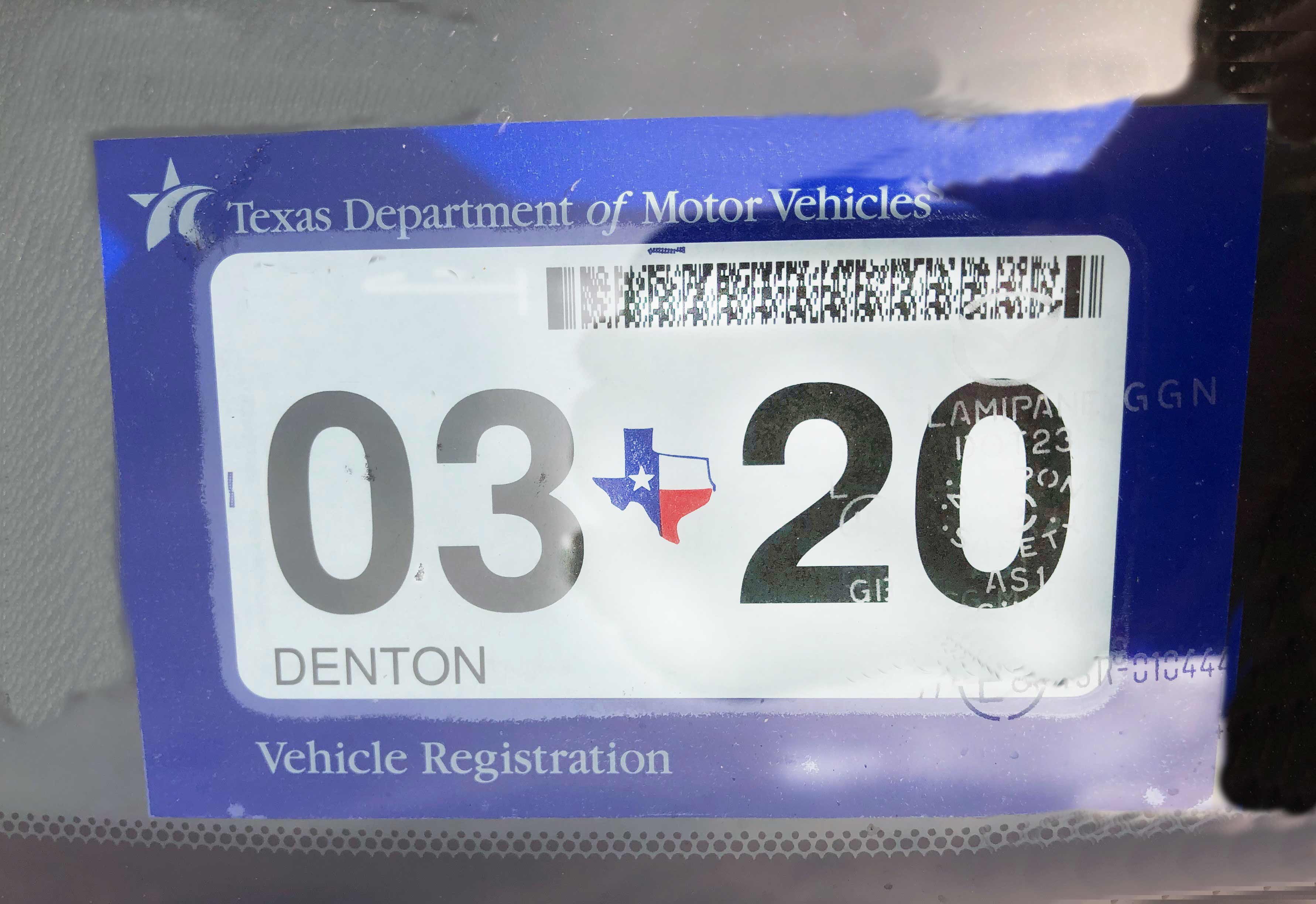
While there isn’t a specific grace period for inspections in the same way there might be for registration renewals, it’s crucial to get your inspection done well before your registration is due. If your inspection sticker has expired, your vehicle is technically not roadworthy, and you could be subject to fines if pulled over. The inspection is valid for a period of 12 months from the date of inspection. The expiration date is printed on the inspection sticker itself.
Why is the Texas State Inspection Important?
The Texas state inspection is more than just a bureaucratic hurdle; it serves several vital functions that benefit all road users and the environment.
Enhancing Road Safety
By ensuring that critical safety components like brakes, lights, and tires are in good working order, the inspection directly contributes to preventing accidents. A vehicle with faulty brakes or dim headlights poses a significant risk to its occupants and others on the road. The inspection acts as a preventative measure, identifying and rectifying potential safety hazards before they lead to incidents.
Protecting the Environment
The emissions testing component of the inspection is crucial for maintaining air quality in Texas. Vehicles are a major source of air pollution, and older or poorly maintained vehicles can emit harmful pollutants at significantly higher rates. By ensuring that vehicles meet emissions standards, the inspection program helps reduce smog and improve the overall health of the environment, particularly in densely populated areas.
Ensuring Compliance and Vehicle Value
Passing the state inspection is a prerequisite for renewing your vehicle registration, which is mandatory for legal operation in Texas. Failing to have a valid inspection can result in citations and fines. Furthermore, a well-maintained vehicle that passes inspection is often seen as more valuable and reliable, both for personal use and when it comes time to sell.
Tips for a Smooth Inspection Experience
To make your Texas state inspection as hassle-free as possible, consider these tips:
- Check Your Vehicle’s Condition: Before heading to an inspection station, do a quick visual check of your vehicle. Ensure all your lights are working, your tires have adequate tread, and your wipers are functional.
- Address Warning Lights: If any dashboard warning lights are illuminated (like the check engine light or airbag light), address them before your inspection. These are common reasons for failure.
- Know Your County: If you live in one of the 27 emissions counties, be aware that your vehicle will undergo an emissions test. If you live outside these counties, only the safety inspection will apply.
- Keep Your Registration Handy: While not always strictly necessary for the inspection itself, having your current registration and insurance information readily available can be helpful.
- Choose a Reputable Station: While all licensed stations charge the same inspection fee, the quality of service can vary. Reading online reviews or asking for recommendations can help you find a reliable station.
- Understand the Re-inspection Policy: If your vehicle fails, clarify the station’s policy for re-inspection to avoid unexpected charges.
By understanding the process, costs, and requirements, Texas vehicle owners can ensure their vehicles remain safe, compliant, and environmentally friendly. The $30.00 state inspection fee is a modest investment in the safety and well-being of our communities and the preservation of Texas’s natural beauty.
LifeOutOfTheBox is a participant in the Amazon Services LLC Associates Program, an affiliate advertising program designed to provide a means for sites to earn advertising fees by advertising and linking to Amazon.com. Amazon, the Amazon logo, AmazonSupply, and the AmazonSupply logo are trademarks of Amazon.com, Inc. or its affiliates. As an Amazon Associate we earn affiliate commissions from qualifying purchases.