
Understanding the deductions from your paycheck in Texas is crucial for effective personal finance management, particularly when planning your travel adventures. While the Lone Star State is renowned for its tax-friendly environment, a clear grasp of these subtractions ensures you can accurately budget for your dream vacations, whether it’s a spontaneous weekend getaway to Austin or an extended exploration of the Big Bend National Park. This guide will demystify the typical deductions, helping you maximize your disposable income for experiences and explorations.
Federal Income Tax: The Universal Deduction
The most significant and universal deduction from any paycheck across the United States, including Texas, is federal income tax. This tax is levied by the Internal Revenue Service (IRS) and is based on your gross income, filing status (single, married filing jointly, etc.), and the number of dependents you claim.
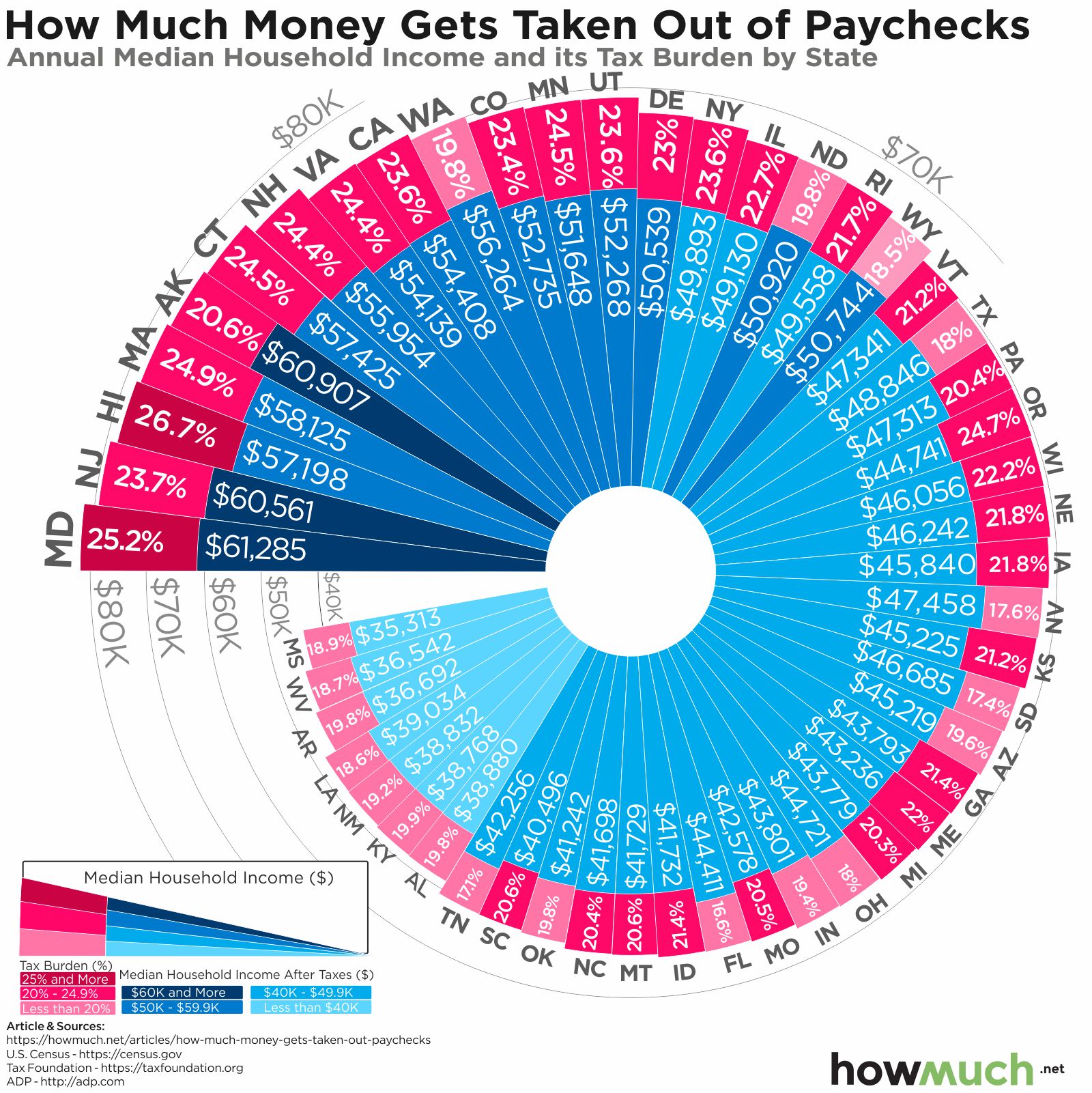
Understanding Tax Brackets and Withholding
The U.S. operates on a progressive tax system, meaning higher earners pay a larger percentage of their income in taxes. Your employer uses IRS-provided withholding tables to estimate the amount of federal income tax to deduct from each paycheck. This estimate is based on the information you provide on your W-4 form.
- W-4 Form: This is the critical document where you declare your filing status, claim dependents, and indicate any additional income or deductions you wish to account for. Accurately completing your W-4 is essential for ensuring the correct amount of tax is withheld. Over-withholding means you’re essentially giving the government an interest-free loan, while under-withholding can lead to a tax bill and potential penalties come tax season.
- Taxable Income: This is your gross income minus any pre-tax deductions, such as contributions to a 401(k) retirement plan or health insurance premiums. The higher your taxable income, the higher the tax bracket you fall into, and thus, the more tax is withheld.
- Tax Credits vs. Deductions: It’s important to distinguish between tax credits and deductions. Deductions reduce your taxable income, while credits directly reduce your tax liability dollar-for-dollar. While deductions impact your withholding, credits are typically applied when you file your annual tax return.
For those planning extensive travels, understanding your withholding allows you to adjust your W-4 if you anticipate significant changes in income or other tax-related events that might affect your overall tax liability. For instance, if you’re planning a sabbatical or a period of reduced work, adjusting your W-4 proactively can prevent over-withholding.
State Income Tax: The Texas Advantage
One of the most attractive financial aspects of living and working in Texas is the absence of state income tax. Unlike many other states, Texas does not levy a tax on individual earnings. This means that a larger portion of your gross income remains in your pocket, which is a significant advantage for residents who enjoy exploring the diverse landscapes and vibrant cities of Texas.
No State Income Tax: What It Means for Your Paycheck
The absence of state income tax simplifies paycheck deductions considerably. You won’t see a line item for state income tax, freeing up funds that can be allocated towards travel, entertainment, or savings. This financial flexibility is one of the primary reasons many individuals and families choose to reside in Texas.
This state-specific advantage means that the deductions you see on your Texas pay stub will primarily be federal taxes, Social Security and Medicare taxes, and any voluntary deductions like health insurance premiums or retirement contributions. This can significantly increase your take-home pay compared to living in a state with a high state income tax. For avid travelers, this means more funds available for booking flights to international destinations, securing accommodations in charming boutique hotels, or enjoying local culinary experiences in cities like New Orleans (just a road trip away!).
Social Security and Medicare Taxes: FICA Contributions
Beyond federal income tax, every American worker contributes to Social Security and Medicare through Federal Insurance Contributions Act (FICA) taxes. These are mandatory payroll taxes that fund critical social insurance programs.
Social Security Tax
- Rate: The Social Security tax rate is 6.2% of your gross wages, up to an annual income limit. This limit changes each year. For 2023, the Social Security wage base limit was $160,200. Any earnings above this threshold are not subject to Social Security tax for that year.
- Purpose: Social Security provides retirement benefits, disability benefits, and survivor benefits to eligible individuals and their families.
Medicare Tax
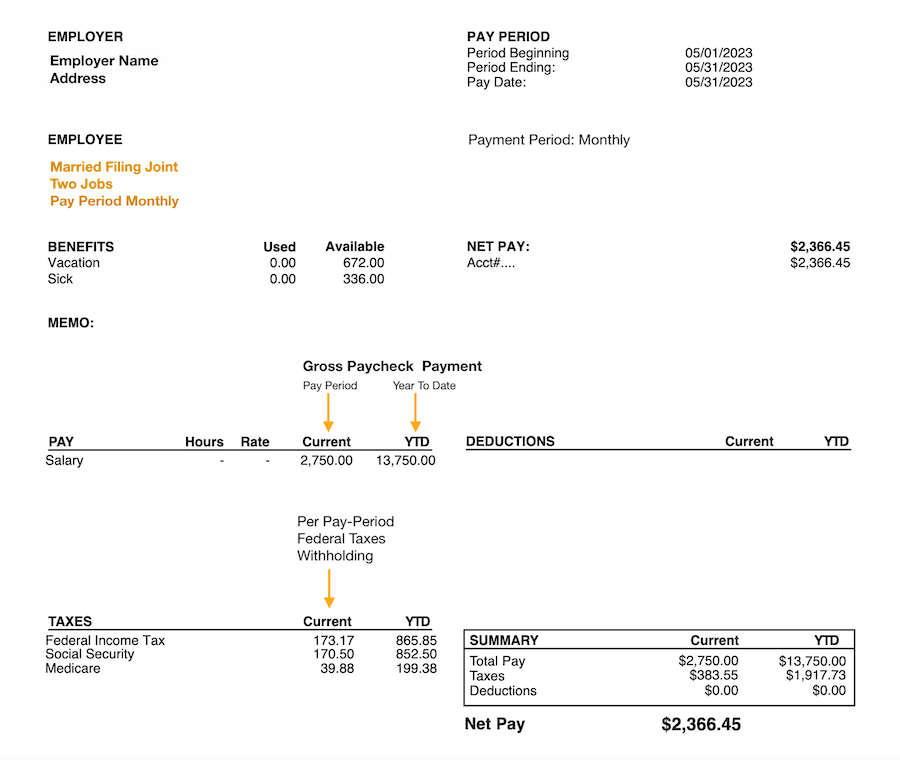
- Rate: The Medicare tax rate is 1.45% of all your gross wages, with no income limit.
- Additional Medicare Tax: High-income earners may be subject to an Additional Medicare Tax of 0.9% on earnings above certain thresholds ($200,000 for single filers, $250,000 for married couples filing jointly).
- Purpose: Medicare provides health insurance for individuals aged 65 and older, as well as for younger people with certain disabilities.
Together, Social Security and Medicare taxes amount to a 7.65% deduction (6.2% + 1.45%) from your gross wages up to the Social Security wage base. For high earners, the rate can increase. These contributions are a fundamental part of your employment and, while a deduction, are investments in your future social safety net. For travelers, understanding these fixed deductions helps in accurately projecting your net income, allowing for more precise budgeting for excursions, from exploring the historic missions in San Antonio to enjoying the vibrant arts scene in Dallas.
Voluntary Deductions: Tailoring Your Paycheck
Beyond the mandatory federal income tax and FICA taxes, your paycheck in Texas may include various voluntary deductions. These are typically elected by the employee and can significantly impact your take-home pay, as well as your ability to fund your travel aspirations.
Health Insurance Premiums
Many employers offer health insurance plans, and the employee’s share of the premium is usually deducted from their paycheck. These deductions are often taken pre-tax, meaning they reduce your taxable income, providing a small tax benefit. The amount deducted varies widely depending on the plan chosen, the employer’s contribution, and whether you are covering just yourself or your family.
Retirement Plan Contributions (401(k), 403(b), etc.)
Contributing to a retirement plan like a 401(k) is a smart financial move for long-term security, and it also impacts your current paycheck. Contributions are typically made on a pre-tax basis, reducing your immediate taxable income and, consequently, your current tax withholding. This effectively lowers your tax bill now and grows your nest egg for future travels. The amount you contribute is entirely up to you, within IRS limits.
Other Potential Deductions
- Life Insurance: Premiums for employer-provided or supplementary life insurance policies.
- Disability Insurance: Premiums for short-term or long-term disability coverage.
- Flexible Spending Accounts (FSAs) or Health Savings Accounts (HSAs): Contributions to these accounts for healthcare or dependent care expenses are usually pre-tax.
- Union Dues: If you are a member of a union, dues are often deducted from your pay.
- Garnishment: In certain legal situations, such as unpaid child support or debts, a portion of your wages may be legally garnished. This is a court-ordered deduction and not voluntary.
By carefully managing these voluntary deductions, you can optimize your take-home pay. For instance, if your primary goal is to save for a significant international trip, you might consider temporarily reducing your retirement contributions (while being mindful of long-term consequences and employer match policies) or opting for a less expensive health insurance plan if feasible, thereby increasing your immediate disposable income for travel.
Calculating Your Net Pay and Maximizing Travel Funds
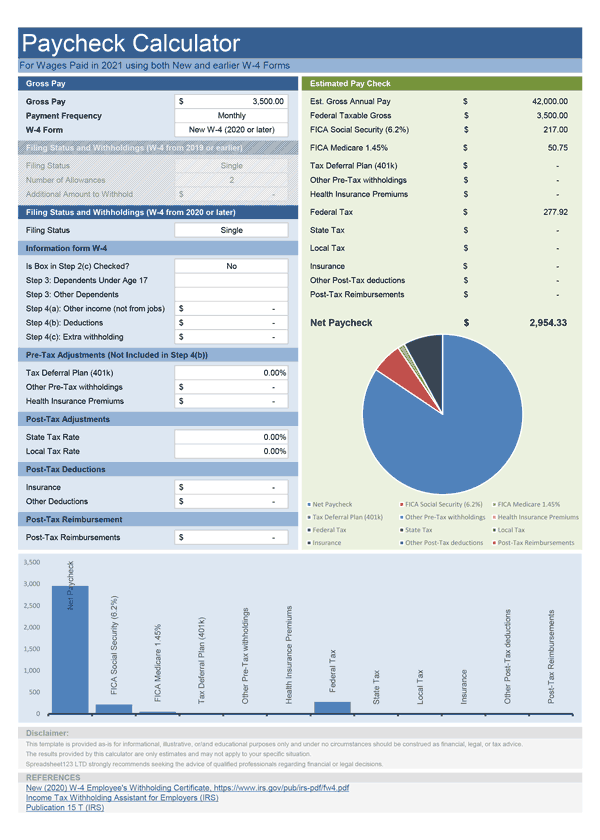
To truly understand how much is taken out of your paycheck in Texas and, more importantly, how much you have available for travel, it’s essential to perform a net pay calculation. This involves starting with your gross pay and subtracting all the deductions discussed above.
Step-by-Step Net Pay Calculation
- Gross Pay: This is your total earnings before any deductions.
- Subtract Federal Income Tax Withholding: This is the amount estimated based on your W-4 and IRS tables.
- Subtract Social Security Tax: 6.2% of your gross pay (up to the annual limit).
- Subtract Medicare Tax: 1.45% of your gross pay (and potentially Additional Medicare Tax if applicable).
- Subtract Pre-Tax Voluntary Deductions: This includes contributions to 401(k)s, health insurance premiums, FSAs, HSAs, etc. These reduce your taxable income, meaning the federal income tax calculated in step 2 should already reflect this reduction.
- Subtract Post-Tax Voluntary Deductions: This includes items like life insurance premiums that are deducted after taxes have been calculated.
- Subtract Garnishment (if applicable): Any court-ordered deductions.
The resulting figure is your net pay – the actual amount of money deposited into your bank account. This is the number you should use when planning your travel budgets.
Strategies for Travel Funding
- Budget Review: Regularly review your pay stubs to understand where your money is going. Identify any deductions that could be adjusted to free up funds for travel.
- Tax Planning: While Texas has no state income tax, understanding your federal tax situation can reveal opportunities. For example, if you consistently over-withhold, you might consider adjusting your W-4 to receive more take-home pay throughout the year, which can then be directed towards savings for a trip to the Grand Canyon or a cruise from Galveston.
- Prioritize Travel Savings: Create a dedicated savings account for travel and automate transfers from your checking account on payday. Treating travel savings like any other essential bill ensures consistent progress towards your goals.
- Explore Travel Rewards: Leverage credit cards with travel rewards programs. By responsibly using these cards for everyday expenses and paying them off monthly, you can earn points or miles that can significantly offset the cost of flights or hotel stays at destinations like Orlando or Las Vegas.
By diligently tracking your deductions and making informed choices about your voluntary contributions, you can effectively manage your finances in Texas and unlock more opportunities for memorable travel experiences. The absence of state income tax is a powerful financial advantage, and understanding the other components of your paycheck allows you to capitalize on it fully.
LifeOutOfTheBox is a participant in the Amazon Services LLC Associates Program, an affiliate advertising program designed to provide a means for sites to earn advertising fees by advertising and linking to Amazon.com. Amazon, the Amazon logo, AmazonSupply, and the AmazonSupply logo are trademarks of Amazon.com, Inc. or its affiliates. As an Amazon Associate we earn affiliate commissions from qualifying purchases.