
Planning a trip to the Grand Canyon State offers breathtaking landscapes, vibrant cities, and rich cultural experiences. However, an often-overlooked aspect of travel budgeting is understanding the various taxes that can add to your overall expenses. While Arizona doesn’t have a direct “sales tax” in the traditional sense, it operates under a unique system called the Transaction Privilege Tax (TPT). This guide delves into the tax landscape for travelers in Arizona, helping you prepare for your adventure without unexpected financial surprises.
Understanding Arizona’s Tax Landscape for Travelers
Arizona’s tax structure is distinct from many other states, primarily due to its Transaction Privilege Tax (TPT). While often referred to colloquially as a sales tax, the TPT is legally a tax on businesses for the privilege of engaging in certain business activities within the state. Businesses generally pass this tax on to the consumer as a separate line item, making it feel like a sales tax. For travelers, understanding this distinction is less critical than knowing what to expect when purchasing goods, services, or booking accommodations.
The TPT is not a flat rate across the entire state. It comprises a state-level rate, plus additional rates levied by counties and individual cities. This means that the total tax you pay on purchases or services can vary significantly depending on whether you are in Phoenix, Tucson, Sedona, or a smaller town like Page. This variability is a key factor for travelers to consider when budgeting for different segments of their trip, from dining out to souvenir shopping.
The Role of State, County, and Municipal Taxes
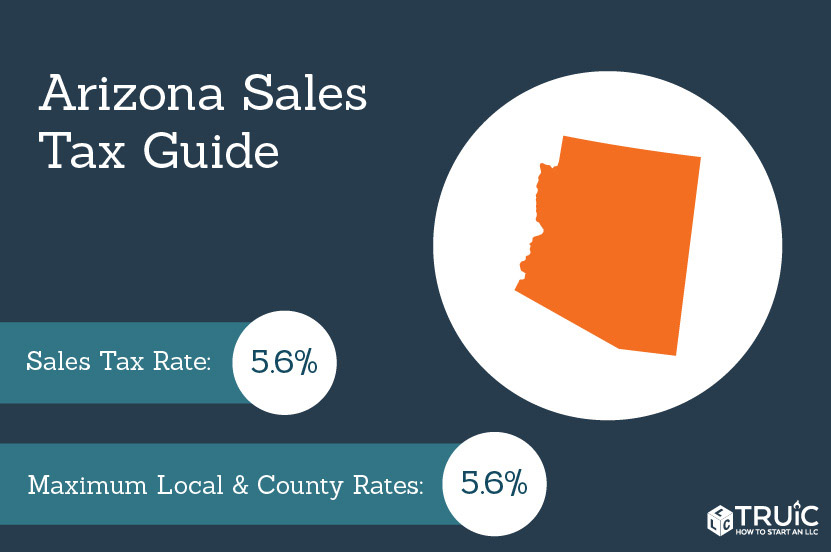
Every transaction subject to TPT in Arizona begins with the state’s base rate. Currently, the state TPT rate is 5.6%. On top of this, counties impose their own TPT rates, which generally range from 0.5% to 2.0%. Finally, cities within those counties can add their municipal TPT rates, often varying widely, from around 1.0% to over 3.0% or even higher for specific services.
For example, a purchase made in Phoenix would include the state TPT, Maricopa County TPT, and Phoenix city TPT. The combined rate dictates the final tax applied to your transaction. This layered approach means that a simple meal or a souvenir can have a different total tax depending on the specific city you are visiting. Always be aware that the advertised price of goods or services typically does not include this combined TPT.
Key Taxes Affecting Your Arizona Trip Budget
As you plan your journey through Arizona, several categories of taxes will directly impact your spending. These include general sales tax on goods and services, lodging taxes, and specific taxes for rental cars. Being informed about these can help you allocate your travel funds more effectively.
Transaction Privilege Tax (TPT) on Goods and Services
The TPT, as described, applies to a broad range of goods and services purchased by travelers. This includes retail items, restaurant meals, admission to attractions (like museums or theme parks), and certain services. The combined rate can be substantial, often reaching between 7% and 11% in major cities.
- Retail Purchases: From clothing to electronics, souvenirs, and groceries (though some food items may be exempt or taxed at a lower rate in certain municipalities), most retail items will have the combined TPT added at checkout.
- Dining Out: Enjoying Arizona’s diverse culinary scene, whether a casual diner or an upscale restaurant, will incur the TPT on your food and beverage bill.
- Entertainment and Activities: Tickets for tours, guided experiences (such as a jeep tour in Sedona), or entrance fees to private attractions will also be subject to TPT. State and national parks, like Grand Canyon National Park, typically have their own entrance fees that are separate from the TPT system.
Lodging Tax (Hotel/Transient Occupancy Tax)
For most travelers, accommodation is a significant expense, and lodging taxes are a key component to factor in. These are separate from the general TPT and are specifically levied on hotel rooms, vacation rentals, and other temporary accommodations. Arizona imposes a state lodging tax, and counties and cities can add their own.
- State Lodging Tax: Arizona applies a statewide lodging tax.
- County and City Lodging Taxes: Many counties and cities layer their own transient occupancy taxes on top of the state rate. These local taxes are often a percentage of the room rate and can vary widely. For instance, a hotel stay in Phoenix will include the state tax, Maricopa County lodging tax, and Phoenix city lodging tax, potentially pushing the total tax rate well into the double digits. Similarly, Tucson, Scottsdale, and Flagstaff will have their own specific rates. It is not uncommon for combined lodging taxes in popular tourist destinations to range from 12% to over 15%.
When booking accommodation, always check the “total estimated cost” which should include these taxes and any resort fees, to get an accurate picture of your nightly rate.
Rental Car Tax and Fees
Exploring Arizona often involves renting a car, especially for scenic drives and visits to remote natural wonders like Antelope Canyon or Monument Valley. Be prepared for additional taxes and fees beyond the base rental rate.
- Rental Car Surcharge: Arizona imposes a per-day surcharge on rental cars. This is typically a flat dollar amount per day, rather than a percentage.
- TPT on Rental Income: The rental income itself is subject to the state, county, and city TPT rates of the location where the car is rented.
- Concession Fees: If you rent a car at an airport, there will almost certainly be an airport concession recovery fee, which is a percentage of the rental cost that often feels like another tax. These fees are designed to reimburse rental car companies for the cost of operating at the airport.
These various charges can significantly increase the total cost of your car rental, sometimes by 20% or more, so always factor them into your transportation budget.
Navigating Local Taxes in Popular Arizona Destinations
The variance in local TPT and lodging tax rates can be a major factor in your budget, especially if you plan to visit multiple cities. Here’s a general overview of what to expect in some key Arizona destinations.
Metropolitan Areas: Phoenix and Tucson
- Phoenix Metro Area: This sprawling region includes Phoenix, Scottsdale, Mesa, Chandler, Glendale, and Tempe, each with its own municipal TPT and lodging tax rates. While the Maricopa County TPT is consistent, city rates vary. For example, Phoenix has a city TPT rate, and Scottsdale has a slightly different one. Similarly, lodging taxes can differ by a few percentage points from one city to another within the metro area, impacting the total cost of your stay.
- Tucson: As the second-largest city, Tucson also has its municipal TPT and lodging taxes on top of the state and Pima County rates. These combined rates will apply to most purchases and accommodation in the area.
Northern Arizona: Sedona and Flagstaff
- Sedona: Famous for its red rocks and spiritual vortexes, Sedona is a major tourist draw. Travelers here will pay state, Yavapai County, and Sedona city TPT rates on goods and services. Lodging taxes in Sedona can be quite high due to the high demand for accommodations.
- Flagstaff: Often a base for visiting the Grand Canyon, Flagstaff also has its own municipal TPT and lodging tax. These are in addition to the state and Coconino County rates.
Other Notable Destinations
Smaller towns like Prescott, Yuma, Lake Havasu City, and Page (gateway to Antelope Canyon and Horseshoe Bend) also have unique city-specific TPT and lodging tax rates. While the state TPT is constant, the absence or presence of county and city taxes, and their respective rates, means your total tax burden can shift as you traverse the state. Always consider looking up local tax rates for specific areas if you are on a strict budget.
Tips for Budgeting Taxes on Your Arizona Adventure
An awareness of Arizona’s tax structure is the first step toward smart travel budgeting. Here are some actionable tips to help you manage these expenses:
- Research Specific City Rates: Before booking accommodations or planning major purchases, quickly check the combined TPT and lodging tax rates for the specific cities you plan to visit. The Arizona Department of Revenue website is a reliable source for current rates.
- Factor in “Total Cost”: When comparing hotel prices or rental car rates, always look at the “total estimated cost” or “all-inclusive price” to see the full impact of taxes and fees. Websites typically display these clearly before final booking.
- Allocate a “Tax Buffer”: For general spending on food, souvenirs, and activities, consider adding an extra 8-12% to your estimated costs as a general “tax buffer,” especially in popular tourist areas. This helps absorb the varying TPT rates without straining your budget.
- Be Mindful of Resort Fees: While not technically a tax, resort fees are mandatory daily charges at many hotels and resorts in Arizona, particularly in destinations like Scottsdale. These fees are added to your bill, often regardless of whether you use the services they cover (e.g., Wi-Fi, fitness center), and are often subject to TPT themselves. Ensure you factor these into your accommodation budget.
- Consider Grocery Shopping: If budget is a concern, purchasing groceries and preparing some meals can save on restaurant TPT, though groceries will still be subject to TPT, albeit often at a lower or even exempt rate for certain food items in some municipalities.
By understanding the unique tax landscape of Arizona and planning accordingly, travelers can better manage their expenses and fully immerse themselves in the state’s incredible offerings without financial surprises.
LifeOutOfTheBox is a participant in the Amazon Services LLC Associates Program, an affiliate advertising program designed to provide a means for sites to earn advertising fees by advertising and linking to Amazon.com. Amazon, the Amazon logo, AmazonSupply, and the AmazonSupply logo are trademarks of Amazon.com, Inc. or its affiliates. As an Amazon Associate we earn affiliate commissions from qualifying purchases.