
Texas is a land of vast open spaces, diverse landscapes, and vibrant cities, attracting millions of visitors and new residents each year. From the bustling metropolitan hubs of Houston and Dallas to the serene natural beauty of Big Bend National Park and the charming wineries of the Texas Hill Country, exploring the Lone Star State often necessitates the freedom and flexibility of owning a vehicle. Whether you’re planning a cross-country road trip, relocating for a new job, or simply looking to upgrade your current ride, understanding the financial implications of vehicle ownership is crucial. Beyond the purchase price, several key expenses—namely sales tax, title fees, and registration/license plate fees—are non-negotiable costs that every car owner in Texas must factor into their budget.

These costs are not just bureaucratic hurdles; they are fundamental components of legal vehicle ownership that ensure your travels are smooth, compliant, and enjoyable. For those considering a long-term stay, a move to Texas, or even a business venture requiring local transportation, having a clear picture of these expenses empowers you to make informed lifestyle and travel decisions. This comprehensive guide will delve into the specifics of vehicle tax, title, and license costs in Texas, offering insights that will help you budget effectively and navigate the process with ease, ensuring your Texas adventure begins on the right financial footing.
Understanding Vehicle Ownership Costs in the Lone Star State
Texas’s immense size makes a personal vehicle almost indispensable for enjoying the full spectrum of its offerings. Imagine driving from the beaches of Galveston to the desert mountains of El Paso, or commuting across the expansive urban sprawl of San Antonio or Austin. For both residents and long-term visitors, a car is often more than just transportation; it’s a gateway to experiences, a tool for daily life, and a means to explore the rich tapestry of Texas culture and natural beauty. However, the convenience and freedom of vehicle ownership come with a set of mandatory costs that must be understood and accounted for.
The primary costs associated with legally acquiring and operating a vehicle in Texas fall into three main categories: sales tax, title fees, and registration/license plate fees. While these might seem like straightforward administrative charges, their specific calculations and requirements can vary depending on factors such as the vehicle’s age, value, and whether it’s new or used. For individuals planning a move to Texas, these expenses form a significant part of their initial relocation budget. For businesses establishing operations, understanding these costs is vital for fleet management and employee mobility. Even tourists contemplating a long-term stay and purchasing a vehicle locally would need to consider these factors when evaluating their overall travel budget and lifestyle choices in the state. Getting a handle on these expenses early on can prevent unwelcome surprises and ensure a smoother transition into your Texas journey.
Breaking Down the Big Three: Tax, Title, and License
Navigating the financial landscape of vehicle ownership in Texas requires a clear understanding of the core fees. These three components — sales tax, title fees, and registration — are not merely line items on a receipt; they are essential legal requirements that ensure proper vehicle ownership, identify your vehicle on the road, and contribute to state infrastructure and services. Each has its own calculation and purpose, and together they form the foundation of your initial outlay beyond the vehicle’s purchase price.
Texas Sales Tax on Vehicles: A Major Consideration
The motor vehicle sales tax is often the largest single charge you’ll encounter when buying a car in Texas. Currently, the state imposes a 6.25% motor vehicle sales tax on the purchase price of the vehicle. This tax applies to both new and used vehicles, whether purchased from a dealership or a private seller. However, how the “purchase price” is determined can vary slightly, especially for used vehicles.
For new vehicles, the tax is typically calculated directly on the agreed-upon sales price. For used vehicles, the tax is applied to either the actual purchase price or the vehicle’s “standard presumptive value” (SPV), whichever is greater. The SPV is a value determined by the Texas Department of Motor Vehicles (TxDMV) based on a recognized automotive pricing guide. This system is designed to prevent tax evasion through under-reporting the sale price of a used vehicle. It’s a critical detail, especially for those seeking budget-friendly options, as a very low reported sale price might still trigger tax based on a higher SPV.
There are a few key exemptions and considerations. If you’re trading in a vehicle, the sales tax is generally applied to the difference between the new vehicle’s price and the trade-in value, effectively reducing your taxable amount. Vehicles received as a gift from a direct family member may be eligible for a gift tax, which is a nominal fee (e.g., $10) instead of the full sales tax, provided certain conditions are met. Understanding these nuances is vital for anyone planning to buy a car. For instance, a family moving to Houston and needing a spacious SUV for daily commutes and weekend trips to the Texas Gulf Coast will find this 6.25% tax a significant factor in their overall budget, especially if they opt for a higher-end model. Similarly, a luxury traveler purchasing a premium vehicle for exploring Texas’s upscale destinations will see this tax amount scale significantly with the vehicle’s price.
Navigating Texas Vehicle Title Fees
The vehicle title is the official document that proves you are the legal owner of your car. In Texas, securing a proper title is not just a formality; it’s a legal imperative that protects your investment and facilitates any future sale or transfer of the vehicle. The fee for processing a motor vehicle title in Texas is relatively modest compared to the sales tax, currently set at $33.00. This fee applies to every vehicle that needs to be titled in the state, whether it’s a brand-new purchase or an out-of-state transfer.
The process involves submitting an application for a Texas Certificate of Title, along with proof of ownership (such as a manufacturer’s certificate of origin for new cars or a previous title for used cars), proof of identity, and payment of all applicable fees (including sales tax and registration). This step is typically handled at your local county tax assessor-collector’s office. For newcomers to Texas, understanding the importance of promptly transferring an out-of-state title to a Texas title is crucial, as there’s usually a 30-day window after establishing residency to complete this process. A properly titled vehicle ensures that your asset is legally recognized, protecting you from potential disputes and making future transactions, like selling the car or using it as collateral, straightforward. It also provides peace of mind when traveling, knowing your ownership is undisputed wherever your Texas adventures take you.
Texas Vehicle Registration and License Plates: Your Annual Expense
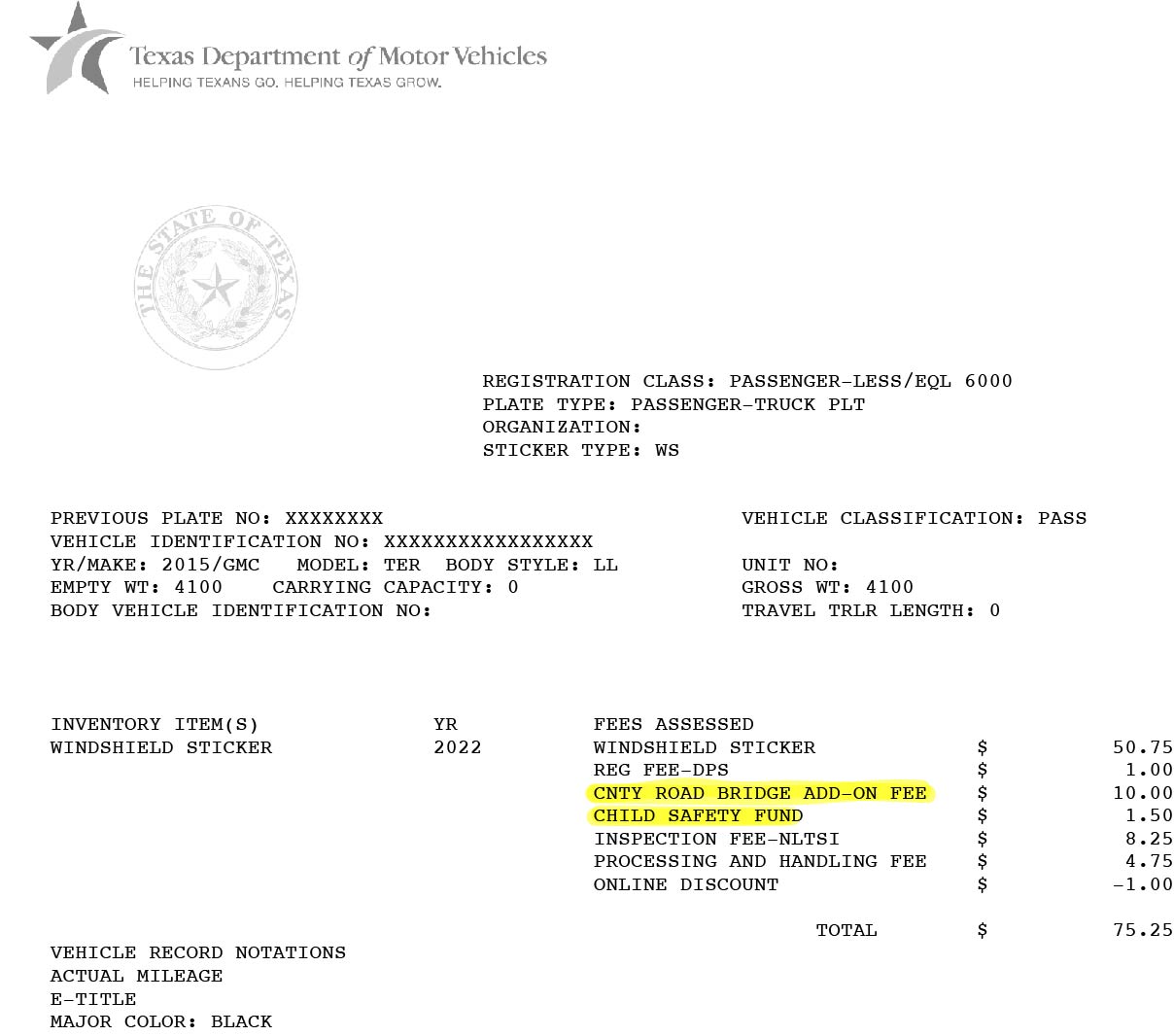
Vehicle registration and license plates are your car’s official permission to operate on public roads in Texas. Unlike the sales tax and title fee, which are typically one-time costs at the time of purchase, registration is an annual expense that keeps your vehicle legally roadworthy. The base registration fee for most passenger vehicles in Texas is $50.75.
However, this is just the starting point. Several additional fees can be added to your total registration cost:
- Local Optional Fees: Many counties levy additional fees, often referred to as Road and Bridge fees. These can vary by county, ranging from $1.50 to $10.00 or more, contributing to local transportation infrastructure.
- Inspection Fee: While the actual vehicle safety inspection is performed at licensed inspection stations (see below), a portion of this fee (typically around $7.00) is collected during registration.
- Automation Fees: Small fees for improving the state’s motor vehicle services, such as the TxDMV online system.
- Plate Fees: If you opt for specialty license plates (e.g., university plates, military plates, or personalized plates), these will incur additional annual charges that can range from $30 to over $100.
In total, the annual registration cost for a standard passenger vehicle often falls in the range of $60 to $80, depending on your county and choice of license plate. The registration period is typically one year, and you’ll receive a renewal notice in the mail or via email (if you opt-in) as your expiration date approaches. Renewing your registration involves having your vehicle inspected (if due), paying the fees, and receiving a new registration sticker for your windshield, along with updated license plate stickers. Keeping your registration current is essential for hassle-free travel and avoids potential fines. For a family planning a multi-city tour of Texas or a business conducting deliveries across regions, valid registration ensures uninterrupted mobility, which is key to a successful journey or operation.
Beyond the Basics: Other Costs and Considerations

While sales tax, title, and registration are the primary financial requirements for vehicle ownership in Texas, there are other mandatory expenses and practical considerations that prospective car owners should be aware of. These additional costs contribute to the overall cost of living and traveling in the Lone Star State, impacting your budgeting and lifestyle choices.
Mandatory Vehicle Inspection and Emissions Testing
Texas mandates that all vehicles registered in the state undergo an annual safety inspection. For vehicles registered in certain counties, an emissions inspection is also required. This program, known as “Two Steps, One Sticker,” combines the vehicle inspection and registration processes. When you get your vehicle inspected, the inspection station will electronically transmit the results to the state. Once your vehicle passes, you can then renew your registration online, by mail, or in person, and your inspection status will automatically be verified.
The cost of the inspection itself is paid directly to the inspection station. A standard safety inspection typically costs around $7.00, but this can be slightly higher for certain vehicle types. If your vehicle is registered in one of the 17 counties that require emissions testing (including large metropolitan areas like Dallas-Fort Worth, Houston-Galveston-Brazoria, and Austin-Round Rock), an additional emissions testing fee applies, which can range from $11.50 to $25.50, depending on the vehicle and inspection station. These inspections are crucial for road safety and air quality, and failure to comply can lead to fines and impede your ability to renew your vehicle registration. Budgeting for this annual cost is a small but important part of maintaining your vehicle’s legal status and contributing to cleaner air in Texas’s vibrant urban centers.
Local Optional Fees and Other Potential Charges
Beyond the statewide fees, your total cost can be influenced by specific charges levied at the county level or by the dealership where you purchase your vehicle. As mentioned previously, local optional fees, such as Road and Bridge fees, are collected by individual counties to fund local transportation projects. These fees, typically an additional $1.50 to $10.00, are added to your annual registration cost. While seemingly small, they add up and highlight the importance of understanding the specific requirements of your residential county, particularly if you’re relocating to a new part of Texas.
When purchasing a vehicle from a dealership, you might also encounter various dealer-specific fees. These can include document preparation fees (“doc fees”), processing fees, or advertising fees. While some of these are legitimate costs for services rendered, others can be negotiable. It’s always wise to ask for a detailed breakdown of all charges and understand what each fee represents before finalizing a purchase. Additionally, if you fail to register your vehicle or renew your registration on time, you could face late fees and penalties, further increasing your costs. Being diligent about timelines and documentation can save you from these avoidable expenses, ensuring your Texas lifestyle remains financially streamlined.
The Impact on Your Texas Lifestyle and Travel Budget
Understanding these vehicle-related expenses is more than just about budgeting for a car; it’s about shaping your overall Texas lifestyle and travel plans. For a family considering a move to a major city like Austin, these costs factor into their decision-making process alongside housing, utilities, and other living expenses. For a couple planning extensive road trips to explore the diverse regions of Texas, from the historic sites of San Antonio to the pristine beaches of Corpus Christi, these vehicle costs are a crucial part of their travel budget.
The choice of vehicle itself can also be influenced. A budget-conscious traveler might opt for an economical used car, minimizing sales tax and potentially lower insurance premiums, allowing more funds for experiences like gourmet food tours in Dallas or exploring the vibrant music scene in Austin. Conversely, a luxury traveler might invest in a high-end vehicle, recognizing that the higher sales tax and registration fees are part of the premium experience of cruising the Texas highways in comfort and style. By factoring in these recurring and one-time costs, individuals and families can accurately project their financial outlay, ensuring their Texas experience is not only enjoyable but also financially sustainable.
Simplifying the Process: Tips for New Texas Residents and Car Buyers
For those new to Texas or simply new to the car-buying process in the state, the array of taxes and fees can seem daunting. However, with a little preparation and knowledge, navigating the system can be straightforward. The key is to be proactive and informed, ensuring a smooth transition into vehicle ownership in the Lone Star State.
Firstly, gather all necessary documents before heading to the county tax assessor-collector’s office or a dealership. This typically includes proof of identity (driver’s license), proof of Texas residency (utility bill, lease agreement), proof of insurance, the vehicle’s previous title or manufacturer’s certificate of origin, and a passing inspection report. Having everything in order prevents delays and multiple trips. For new residents, it’s also crucial to remember the 30-day timeline to register your out-of-state vehicle once you’ve established residency. This timeframe is strict, and exceeding it can lead to penalties.
Secondly, utilize online resources. The TxDMV website (txdmv.gov) is an invaluable tool, providing detailed information on all fees, forms, and procedures. You can often estimate your registration costs, check standard presumptive values for used cars, and even renew your registration online after your vehicle has passed inspection. Many county tax assessor-collector offices also have their own websites with specific local information and services.
Thirdly, seek advice when needed. If you’re purchasing from a dealership, their finance department will typically handle all the title, tax, and registration paperwork for you, incorporating the costs into your total financing or purchase agreement. While convenient, always review the itemized breakdown of costs. If you’re buying from a private seller, don’t hesitate to call your local county tax assessor-collector’s office with any questions about the specific documentation or fees required. They are a primary resource for clarifying any ambiguities.
Finally, consider the larger picture of your lifestyle in Texas. Owning a vehicle opens up incredible opportunities for exploration, from spontaneous weekend trips to the natural springs of the Texas Hill Country to detailed tours of historical landmarks. By meticulously planning for these initial and recurring vehicle expenses, you’re not just buying a car; you’re investing in mobility, freedom, and the ability to fully immerse yourself in the rich experiences that Texas has to offer. This proactive approach ensures a seamless entry into your new Texas life, whether it’s for work, retirement, or extended travel.
Conclusion: Driving Forward in Texas
Embarking on a journey of vehicle ownership in Texas involves understanding more than just the sticker price. The costs associated with sales tax, title fees, and annual registration—along with mandatory inspections and potential local charges—are fundamental to legally and responsibly operating a vehicle in the Lone Star State. These financial considerations are not merely administrative burdens; they are integral parts of budgeting for your Texas lifestyle, whether you’re a long-term resident, a new transplant, or a traveler planning an extended stay.
By taking the time to comprehend these expenses, you empower yourself to make informed decisions that align with your financial goals and travel aspirations. While the initial outlay and annual renewals require careful planning, the benefits of having your own transportation in Texas are immeasurable. From navigating the sprawling urban centers like Houston and Dallas with ease, to embarking on unforgettable road trips through Big Bend National Park or along the Texas Gulf Coast, a vehicle provides the freedom and flexibility to truly experience the depth and breadth of this remarkable state.
In essence, understanding “How Much Is Tax, Title, And Licence In Texas?” is the first step toward unlocking countless adventures and ensuring a smooth, compliant, and enjoyable journey on the open roads of Texas. Prepare wisely, drive safely, and get ready to explore everything this vibrant state has to offer.
LifeOutOfTheBox is a participant in the Amazon Services LLC Associates Program, an affiliate advertising program designed to provide a means for sites to earn advertising fees by advertising and linking to Amazon.com. Amazon, the Amazon logo, AmazonSupply, and the AmazonSupply logo are trademarks of Amazon.com, Inc. or its affiliates. As an Amazon Associate we earn affiliate commissions from qualifying purchases.