
Understanding the financial commitment involved in pursuing higher education at a prestigious institution like Texas A&M University is a crucial step for prospective students and their families. While the sticker price for tuition and fees is a primary consideration, a comprehensive financial picture also necessitates an exploration of various cost components, potential savings, and the overall value proposition of an Aggie education. This article delves into the typical annual tuition expenses at Texas A&M University, distinguishing between in-state and out-of-state rates, and examining the ancillary costs that contribute to the total cost of attendance.

Understanding Tuition and Fees at Texas A&M University
The cost of attending Texas A&M University is primarily determined by a student’s residency status. The university, like many public institutions in Texas, offers significantly lower tuition rates for residents of the state compared to non-residents. These rates are subject to change annually, reflecting adjustments in university budgets, state appropriations, and operational costs. It is always advisable to consult the official Texas A&M University Registrar’s office or the Bursar’s office for the most current and detailed fee schedules.
In-State Tuition Rates
For Texas residents, the tuition structure at Texas A&M University is designed to be more accessible. These rates are generally based on a per-credit-hour charge, which accumulates over the course of a semester or academic year. A typical full-time undergraduate student is expected to enroll in 15 credit hours per semester, totaling 30 credit hours per academic year.
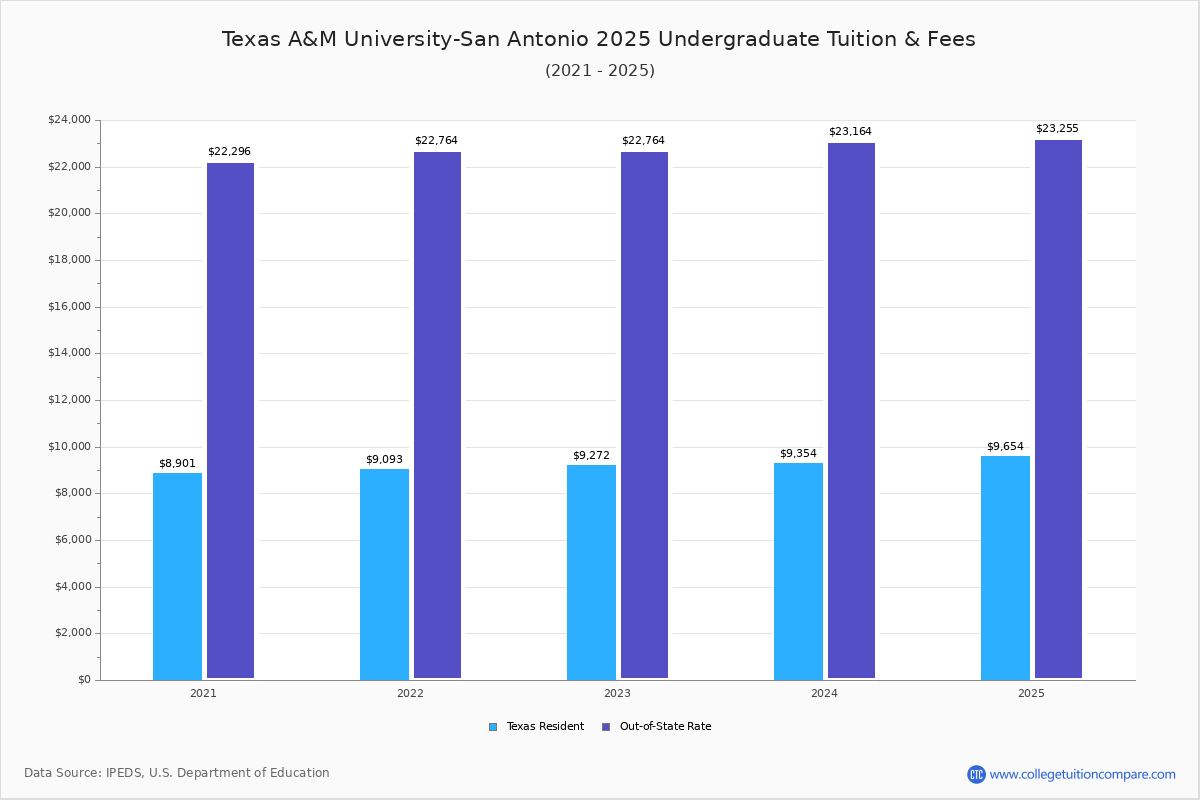
For the most recent academic year, the estimated in-state tuition and mandatory fees for undergraduates at Texas A&M University typically hover around $13,000 to $14,000 per academic year. This figure can vary slightly depending on the specific program of study, as some specialized colleges or departments may have differential tuition rates or additional course fees. For example, engineering and business programs might incur slightly higher fees due to the specialized resources and faculty required.
Out-of-State Tuition Rates
The cost for out-of-state students is substantially higher, reflecting the principle that public universities are primarily funded by state taxpayers. Non-resident students bear a greater portion of the university’s operating costs. The differential is significant, often doubling or even tripling the tuition cost.
For out-of-state undergraduates at Texas A&M University, the annual tuition and mandatory fees can range from approximately $38,000 to $40,000. This substantial difference underscores the importance of establishing residency in Texas if eligible, as it can lead to considerable savings over the course of a four-year degree program. The criteria for establishing Texas residency are specific and typically involve demonstrating intent to remain in the state indefinitely and meeting certain duration requirements.
Mandatory Fees
Beyond the core tuition, both in-state and out-of-state students are subject to a variety of mandatory fees. These fees are essential for supporting university operations and student services. They can include:
- Student Services Fees: These fees fund various aspects of student life, such as counseling services, recreational facilities, student organizations, and career services.
- Technology Fees: These contribute to maintaining and upgrading the university’s technological infrastructure, including computer labs, Wi-Fi networks, and online learning platforms.
- Buildings and Infrastructure Fees: These support the maintenance, repair, and development of campus facilities.
- Health Services Fees: These provide access to on-campus health and wellness clinics.
- Transportation Fees: These may contribute to campus shuttle services or parking infrastructure.
The sum of these mandatory fees typically adds several thousand dollars to the annual cost for all students, regardless of residency. For instance, these fees can collectively amount to $1,500 to $2,500 annually for undergraduates.
Beyond Tuition: Additional Costs of Attendance
While tuition and mandatory fees form the largest part of the direct educational expense, a realistic financial plan must account for other significant costs associated with attending university. These living expenses can vary widely based on individual student choices and lifestyle.
Housing and Food
The cost of on-campus housing and meal plans is a major component of the total cost of attendance. Texas A&M University offers a range of dormitory options, from traditional shared rooms to apartment-style living. Meal plans also vary in price depending on the number of meals included.
- On-Campus Housing: Annual costs for on-campus housing can range from approximately $6,000 to $10,000, depending on the type of accommodation and its location on campus. Newer or single-occupancy dormitories tend to be at the higher end of this spectrum.
- Meal Plans: Meal plans typically cost between $4,000 and $5,000 per academic year. Students can choose plans that offer flexibility in terms of dining hall access and dining dollar allowances for other campus eateries.
Alternatively, students choosing to live off-campus in the College Station area will face different cost structures. Rent prices can vary significantly based on proximity to campus, apartment size, and amenities. While off-campus housing can sometimes be more affordable, especially for groups of students sharing an apartment, it also introduces additional expenses such as utilities, internet, and transportation to campus. The estimated cost for off-campus living, including rent and utilities, can range from $7,000 to $12,000 or more per year for a shared living situation.
Books and Supplies

The expense of textbooks, course materials, and other academic supplies is another recurring cost. While some courses utilize digital materials or open educational resources that can reduce these costs, traditional textbooks remain a significant expenditure for many students. On average, students should budget between $1,000 and $1,500 per year for books and supplies. Strategies such as purchasing used books, renting textbooks, or utilizing library reserves can help mitigate these expenses.
Personal Expenses and Transportation
Beyond academic necessities, students incur costs for personal items, entertainment, and transportation. This category is highly variable and depends on individual spending habits. It can include:
- Personal Care: Toiletries, haircuts, and other personal grooming items.
- Clothing: Outfits for various occasions, including professional attire for interviews or internships.
- Entertainment and Social Activities: Movies, dining out with friends, and participating in campus events.
- Transportation: Costs associated with a personal vehicle (gas, insurance, parking permits) or public transportation.
- Miscellaneous: Expenses not covered in other categories, such as cell phone plans or subscription services.
A reasonable estimate for personal expenses and transportation for a student living on or off campus might be between $2,000 and $4,000 per year.
Calculating the Total Cost of Attendance
To arrive at a comprehensive annual cost of attendance, all these components must be aggregated.
For in-state undergraduate students, the total estimated annual cost, including tuition, fees, housing, food, books, and personal expenses, could range from approximately $26,500 to $35,500.
For out-of-state undergraduate students, the total estimated annual cost, including the higher tuition and fees, alongside the same estimates for living expenses, would range from approximately $51,500 to $61,500.
These figures are estimates and can fluctuate based on the student’s chosen lifestyle, major, and any personal circumstances. It is vital for prospective students to use these numbers as a starting point for their financial planning and to conduct their own detailed research on the Texas A&M University website for the most precise and up-to-date figures.
Financial Aid and Scholarships: Reducing the Burden
The significant cost of higher education is a concern for many, but Texas A&M University offers various avenues for financial assistance that can substantially reduce the out-of-pocket expenses for students.
Federal and State Aid
Students can apply for federal financial aid through the Free Application for Federal Student Aid (FAFSA). This application determines eligibility for grants (which do not need to be repaid), federal student loans, and work-study programs. Texas also offers state-specific financial aid programs for eligible residents.
Institutional Scholarships and Grants
Texas A&M University itself provides a wide array of scholarships and grants funded through university endowments, alumni donations, and departmental resources. These can be merit-based, need-based, or awarded based on specific criteria such as field of study, extracurricular involvement, or leadership potential. The Texas A&M Foundation and individual colleges within the university are excellent resources for identifying and applying for these scholarships.
External Scholarships
Beyond institutional aid, students are encouraged to explore external scholarship opportunities from private organizations, community foundations, and professional associations. Numerous databases and search engines exist to help students find scholarships that match their profiles.
Payment Plans and Loans
For remaining balances after financial aid and scholarships are applied, Texas A&M University may offer payment plans that allow students to spread tuition payments over the semester. Additionally, federal and private student loans can be utilized to cover educational expenses, though it’s important to borrow responsibly and understand the repayment terms.
By diligently exploring these financial aid options, prospective students can significantly offset the direct costs of tuition and fees, making an education at Texas A&M University a more achievable and financially sound investment.
LifeOutOfTheBox is a participant in the Amazon Services LLC Associates Program, an affiliate advertising program designed to provide a means for sites to earn advertising fees by advertising and linking to Amazon.com. Amazon, the Amazon logo, AmazonSupply, and the AmazonSupply logo are trademarks of Amazon.com, Inc. or its affiliates. As an Amazon Associate we earn affiliate commissions from qualifying purchases.