
Navigating the financial landscape of vehicle ownership in the Lone Star State involves understanding various fees, with Texas tax, title, and license (TTL) costs being a significant component. For any new vehicle purchase, or when bringing a vehicle from out of state, these charges are unavoidable. The question of “How Much Is Texas Tax, Title, and License?” doesn’t have a single, fixed answer; rather, it’s a calculation dependent on several factors, primarily the vehicle’s value, its weight, and the specific county within Texas where it will be registered. This comprehensive guide aims to demystify these costs, providing clarity for prospective vehicle owners and ensuring a smoother registration process.

Understanding the Components of Texas TTL Fees
The total cost of Texas tax, title, and license (TTL) is a composite of three distinct governmental fees. Each serves a specific purpose in the state’s revenue collection and vehicle registration infrastructure. Understanding each part is crucial for budgeting and avoiding surprises when you visit your local county tax assessor-collector’s office.
Vehicle Sales Tax
The most substantial portion of the TTL fees is typically the state sales tax levied on the purchase of a vehicle. This tax is not a flat rate but is based on the vehicle’s selling price or its fair market value, whichever is greater.
Sales Tax Rate
In Texas, the standard state sales tax rate for motor vehicles is 6.25%. However, this is often supplemented by a local sales tax, which can vary by city and county. The combined state and local sales tax rate can reach up to 8.25% in some jurisdictions. For example, a purchase made in Dallas might have a different combined rate than one made in Houston.
Calculating the Sales Tax
To determine the sales tax, you will need to know the gross weight of the vehicle. For passenger cars and light trucks weighing 10,000 pounds or less, the tax is calculated on the selling price. If the vehicle is a gift or purchased from a private seller for less than its appraised value, the tax is calculated on the Texas Department of Motor Vehicles’ appraised value.
- New Vehicles: The tax is calculated on the purchase price.
- Used Vehicles: The tax is calculated on the purchase price or the appraised value, whichever is higher.
- Vehicles Purchased Out of State: If you buy a vehicle outside of Texas and bring it into the state, you will owe Texas sales tax upon registration. You can usually get a credit for sales tax paid to another state, up to the Texas rate.
Exemptions and Special Cases
Certain vehicles and transactions are exempt from Texas sales tax. These can include:
- Vehicles purchased by active-duty military personnel stationed in Texas but residing in another state.
- Transfers between immediate family members (spouses, parents, children).
- Vehicles donated to charitable organizations.
- Vehicles purchased by certain governmental entities.
It’s important to verify specific exemption criteria with the Texas Comptroller of Public Accounts or your local tax office.
Title Fee
The title fee is a one-time charge when a vehicle is first titled in your name in Texas. This fee covers the cost of processing the ownership transfer and issuing a new certificate of title. The certificate of title is a legal document that proves your ownership of the vehicle.
Standard Title Fee
The standard fee for a new Texas title is $33. This fee is relatively consistent across the state and is a fixed amount for most standard vehicle titling transactions.
Additional Title Charges
In some instances, additional fees might apply to the title process. For example, if you are applying for a bonded title due to lost or missing documentation, the process can be more complex and may incur additional administrative costs. Similarly, certain types of vehicles or specialized titling situations might have slightly different fee structures.
License Plate Fee
The license plate fee, often referred to as the registration fee, is an annual or biennial cost that allows you to legally operate your vehicle on Texas roads. The amount of this fee is primarily determined by the vehicle’s gross weight.
Weight-Based Registration Fees
For passenger vehicles and light trucks weighing 10,000 pounds or less, the base registration fee is $17.50. However, this can increase significantly for heavier vehicles.
- Passenger Cars and Light Trucks (up to 10,000 lbs): Base fee is $17.50.
- Medium Duty Trucks (10,001 – 20,000 lbs): Fees range from $80 to over $200.
- Heavy Duty Trucks (over 20,000 lbs): Fees can extend into the thousands of dollars annually, based on precise weight classes.
Other Registration Fees
Beyond the base registration fee, other charges may be added, such as:
- Vehicle Inspection Fee: A mandatory safety and emissions inspection is required annually in most Texas counties. The cost of this inspection is separate from the registration fee, typically around $7 to $15 for gasoline-powered vehicles and higher for diesel vehicles.
- County and Regional Fees: Some counties may impose additional registration fees to fund local road maintenance and improvements or regional transportation projects.
- Late Fees: If you fail to renew your registration by the expiration date, significant late penalties will be assessed.
Factors Influencing Texas Tax, Title, and License Costs
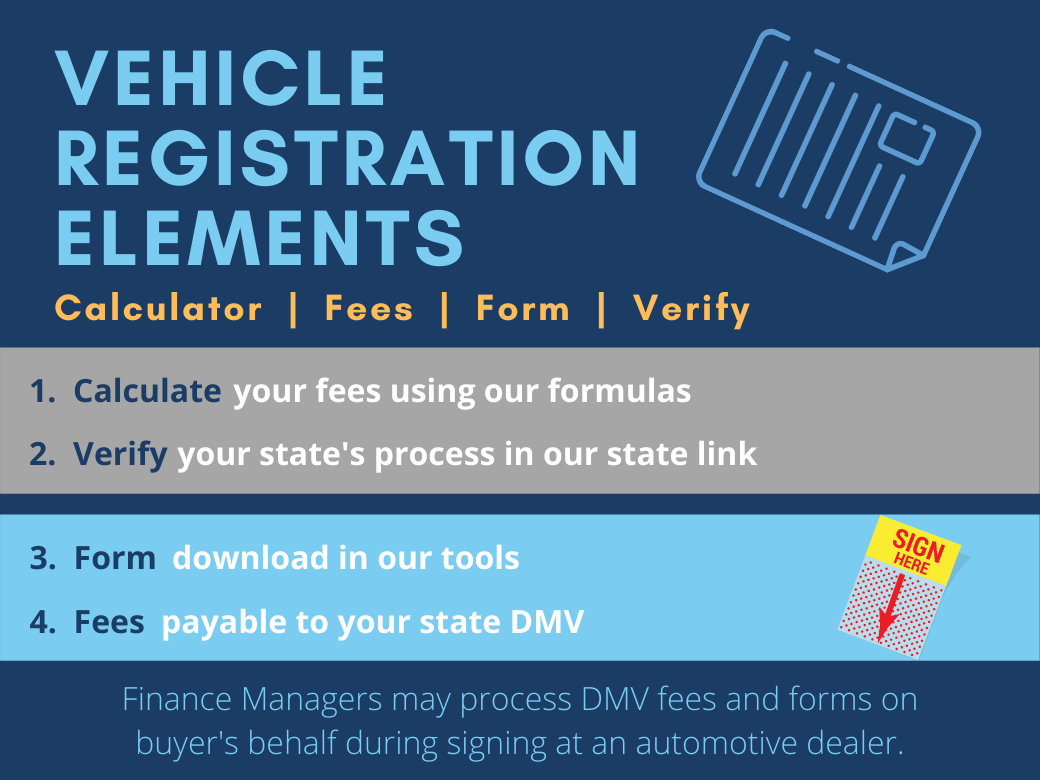
Several variables directly impact the total amount you will pay for Texas tax, title, and license. Understanding these can help you estimate costs more accurately before finalizing a purchase or moving your vehicle to Texas.
Vehicle Value
As mentioned, the Texas sales tax is a significant driver of TTL costs. A vehicle with a higher purchase price will naturally incur a higher sales tax. For example, a $30,000 vehicle will be subject to more sales tax than a $15,000 vehicle, assuming the same sales tax rate. This is why the adage “cheaper to buy a cheaper car” holds true when considering TTL expenses.
Vehicle Weight
The gross weight of a vehicle is the primary determinant of its annual registration fee (license plate cost). Larger trucks, RVs, and commercial vehicles, due to their weight, will have substantially higher registration fees than standard passenger cars or SUVs. This fee structure is designed to ensure that heavier vehicles, which contribute more to road wear, bear a proportionally larger share of maintenance costs.
Location within Texas
Texas is a large state with diverse economic conditions and local governance. The combined state and local sales tax rate can vary from one county and city to another. This means that purchasing the exact same vehicle in Austin might result in a slightly different sales tax amount than purchasing it in a smaller town in West Texas. Similarly, some counties may have additional local registration fees. Therefore, checking the specific rates for your intended county of registration is advisable.
New vs. Used Vehicles and Out-of-State Purchases
The way you acquire your vehicle also influences TTL costs.
- New Vehicles Purchased in Texas: You will pay Texas sales tax based on the purchase price, a title fee, and the appropriate registration fee based on weight.
- Used Vehicles Purchased in Texas: You will pay Texas sales tax based on the purchase price or the appraised value (whichever is higher), a title fee, and the registration fee. If purchasing from a private seller, ensure you have the proper documentation to prove the purchase price.
- Vehicles Purchased Out-of-State: You will pay Texas sales tax upon registration, a title fee, and the registration fee. You can claim a credit for sales tax paid to the other state, but you will owe the difference if the Texas rate is higher. This is a crucial point to avoid double taxation.
Estimating Your Texas TTL Costs
While precise figures require specific vehicle details and location, you can make a reasonable estimate of your Texas TTL costs. This process involves breaking down each component.
Step-by-Step Estimation Process
- Determine Vehicle Purchase Price or Appraised Value: This is the basis for your sales tax calculation. For a used vehicle, use the higher of the purchase price or the Texas DMV’s appraised value.
- Identify the Applicable Sales Tax Rate: Find the combined state and local sales tax rate for the county and city where you will register the vehicle. The Texas Comptroller’s website often has resources to look up these rates.
- Calculate Sales Tax: Multiply the vehicle’s value by the applicable sales tax rate. For instance, on a $25,000 vehicle with an 8.25% combined sales tax rate, the sales tax would be $25,000 * 0.0825 = $2,062.50.
- Add the Title Fee: This is a fixed amount, currently $33.
- Estimate the License Plate Fee: Determine the vehicle’s gross weight. Use the Texas Department of Motor Vehicles (TxDMV) fee schedule or an online calculator to find the registration fee for that weight class. Remember to factor in any additional county or regional fees. For a standard passenger car, add $17.50 plus potential small local fees.
- Factor in Inspection Fees: If purchasing the vehicle, the seller may have provided an inspection, or you will need to get one. Add an estimated $15 for this.
Example Scenario
Let’s consider a scenario: You are purchasing a new sedan in Dallas for $28,000. The combined sales tax rate in Dallas County is 8.25%.
- Sales Tax: $28,000 * 0.0825 = $2,310.00
- Title Fee: $33.00
- License Plate Fee (for a passenger vehicle): $17.50 (base fee) + estimated $2.00 (local fee) = $19.50
- Vehicle Inspection Fee: Approximately $15.00
Estimated Total TTL Cost: $2,310.00 + $33.00 + $19.50 + $15.00 = $2,377.50
This is an estimate, and actual costs can vary slightly based on specific county ordinances and the exact appraised value used by the tax assessor for used vehicles.
Where to Handle Texas Tax, Title, and License
The designated state agency responsible for vehicle registration, titling, and tax collection in Texas is the Texas Department of Motor Vehicles (TxDMV), but the actual processing and fee collection are handled at the local level by the county tax assessor-collector’s offices.
County Tax Assessor-Collector Offices
Your local county tax assessor-collector’s office is where you will physically go to pay your Texas tax, title, and license fees, register your vehicle, and obtain your license plates. These offices are distributed throughout every county in Texas, making them accessible to residents.
Services Offered
At these offices, you can:
- Apply for and transfer vehicle titles.
- Register your vehicle and obtain new license plates.
- Pay state sales tax on vehicle purchases.
- Renew existing vehicle registrations.
- Handle other vehicle-related transactions.
It is advisable to check the specific requirements and accepted forms of payment for your local office, as policies can vary. Bringing all necessary documentation, such as the bill of sale, previous title, and proof of insurance, is essential to expedite the process.
Online and Mail-in Options
While many transactions require an in-person visit, some services may be available online or via mail.
- Online Renewals: The Texas Department of Motor Vehicles (TxDMV) offers an online portal for renewing existing vehicle registrations, often referred to as “My Texas Vehicle.” This is a convenient way to avoid a trip to the tax office for renewals.
- Mail-in Renewals: Some counties may allow registration renewals to be completed by mail.
- New Registrations and Titles: Generally, new vehicle registrations and titling require an in-person visit to the county tax assessor-collector’s office. This is because proof of ownership, inspections, and taxes need to be verified directly.
For any new vehicle purchase or if you are titling a vehicle for the first time in Texas, planning a visit to your local county tax assessor-collector’s office is the most straightforward approach. Being prepared with estimated costs and all necessary paperwork will ensure a seamless experience in getting your vehicle legally on the road.
LifeOutOfTheBox is a participant in the Amazon Services LLC Associates Program, an affiliate advertising program designed to provide a means for sites to earn advertising fees by advertising and linking to Amazon.com. Amazon, the Amazon logo, AmazonSupply, and the AmazonSupply logo are trademarks of Amazon.com, Inc. or its affiliates. As an Amazon Associate we earn affiliate commissions from qualifying purchases.