
For individuals contemplating an extended stay, relocation, or simply navigating the legal requirements of driving in the Sunshine State, understanding the costs associated with obtaining a Florida driver’s license is a crucial piece of information. While the act of taking the actual driving test might seem like a standalone event, it’s part of a broader process with several fees involved. This guide demystifies the financial landscape of securing a driver’s license in Florida, providing a comprehensive breakdown that helps newcomers and long-term visitors budget and prepare effectively. Beyond mere costs, we delve into the practicalities, requirements, and tips that ensure a smooth journey to becoming a licensed driver in this vibrant state.
Understanding the Costs: A Breakdown for Aspiring Florida Drivers
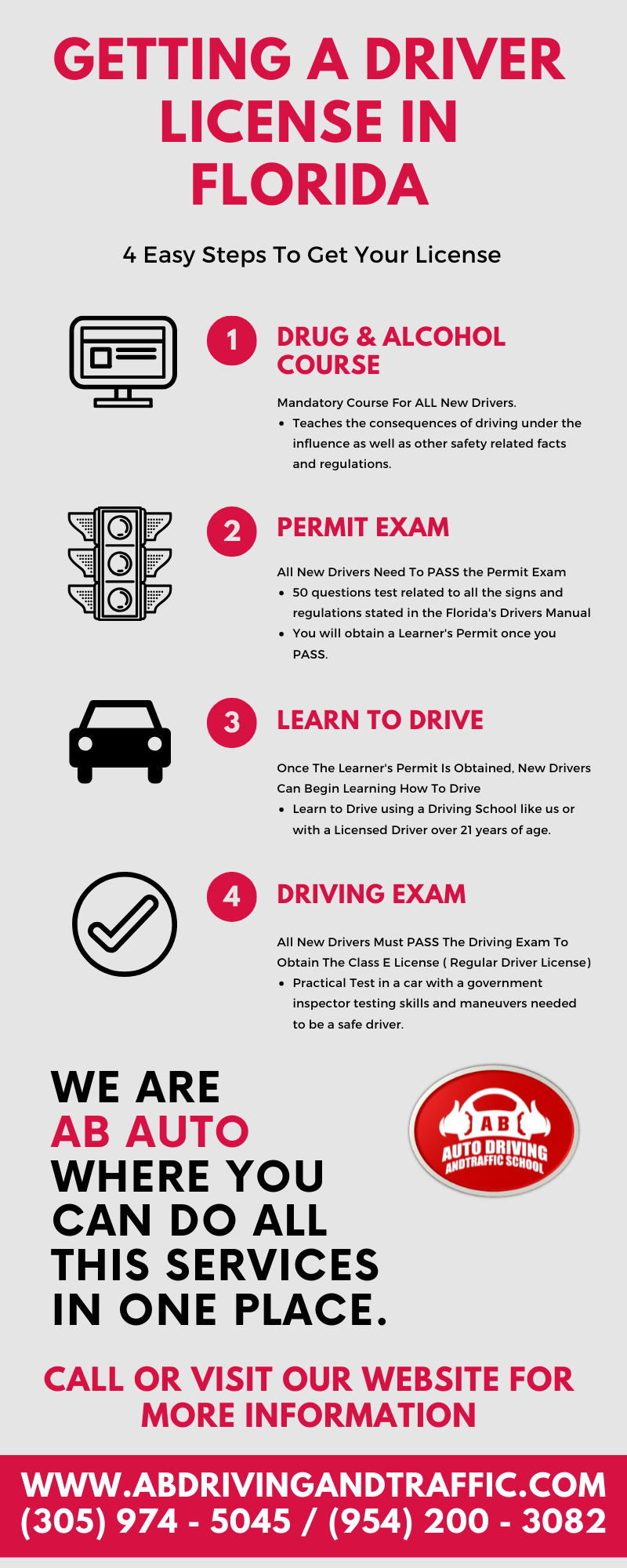
Obtaining a driver’s license in Florida involves more than just passing a single test. There’s a sequence of applications, examinations, and issuance fees that collectively determine the total expenditure. The primary authority overseeing this process is the Florida Department of Highway Safety and Motor Vehicles (DHSMV), which sets the standard fees across the state. These costs are generally consistent whether you’re applying in bustling Miami, tourist-centric Orlando, or the capital city of Tallahassee.
Initial Permit Application Fees
Before you can even think about the driving test, most new drivers in Florida must first obtain a Learner’s Permit (also known as a Restricted Driver’s License or Class E Learner’s License). This permit allows individuals to drive only with a licensed driver over 21 years old in the passenger seat. The application fee for a Class E Learner’s License is typically around $48.00. This fee covers the processing of your application, initial paperwork, and often includes the cost of the knowledge (written) exam. It’s important to note that this is a prerequisite for most new drivers, especially those under 18, but also for many adults seeking their first Florida license.
Knowledge Exam Costs
The knowledge exam, sometimes referred to as the written test, assesses your understanding of Florida traffic laws, road signs, and safe driving practices. For first-time drivers, especially those under 18, completing the Traffic Law and Substance Abuse Education (TLSAE) course is mandatory before they can take the permit test. The cost for the TLSAE course typically ranges from $20 to $50 and is usually offered by private driving schools or online providers, not the DHSMV directly. The fee for the knowledge test itself is generally bundled into the initial Learner’s Permit application fee, meaning you typically won’t pay a separate charge for it unless you fail and need to retake it. Retake fees for the knowledge exam are usually around $10.00.
Driving Skills Test Fees
The practical driving test, often called the road test, is the final hurdle to obtaining a full Class E driver’s license. Surprisingly, the actual driving skills test itself does not have a separate fee if taken at a DHSMV office for your first attempt as part of the initial license application process. The fees you pay for the license issuance cover this. However, this only applies to the first attempt. If you fail the driving test, you will typically incur a re-test fee, which is approximately $20.00 per attempt.
An alternative for those who prefer to test through a third-party provider, such as a certified driving school, might involve additional costs. Many driving schools are authorized by the DHSMV to administer the driving test. While this can offer convenience, shorter wait times, and the familiarity of using the school’s vehicle, these services come at a premium, often ranging from $75 to $150 or more, depending on whether it includes a practice session beforehand.
License Issuance Fees
Once you successfully pass all required tests, including the vision and hearing screenings (which are typically free at the DHSMV office), you will pay a fee for the issuance of your physical driver’s license. For a Class E Driver’s License (the standard non-commercial license), the initial issuance fee is approximately $48.00. This fee covers the production and mailing of your plastic driver’s license card, which is valid for eight years. For those seeking a REAL ID compliant license, the process and fees are the same, as all new Florida driver’s licenses are REAL ID compliant.
Potential Additional Costs
Several other costs might arise depending on individual circumstances:
- Traffic School/Driver Improvement Courses: If you have prior traffic infractions or are required to complete remedial training, these courses can cost anywhere from $30 to $100+, not including court fees or fines.
- Driving Instruction: For those who require professional driving lessons, costs can vary significantly. A single hourly lesson might be $50-$80, while comprehensive packages can range from $300 to $800+, depending on the number of hours and the school. While not mandatory, these lessons can significantly improve your chances of passing the driving test, especially for new drivers or those unfamiliar with Florida driving customs.
- Vehicle Rental for Test: If you don’t have access to a vehicle that meets the DHSMV’s requirements for the driving test, you might need to rent one from a driving school, which can add $50-$100 to your costs. The vehicle must be registered, insured, and pass a basic safety inspection by the examiner.
In summary, a conservative estimate for obtaining a standard Florida Class E driver’s license for a first-time applicant (excluding driving lessons) would be in the range of $100 to $150, factoring in the permit, knowledge test (if separate), and license issuance. This cost could escalate significantly with retakes, professional instruction, or third-party testing services.
Navigating the Requirements: What Tourists and Newcomers Need to Know
For tourists considering an extended stay or individuals planning a permanent move to Florida, understanding the specific eligibility and documentation requirements is paramount. While short-term visitors can typically drive with a valid out-of-state or international driver’s license for up to one year, establishing residency or planning a longer duration necessitates obtaining a Florida license.
Eligibility for a Florida Driver’s License
To be eligible for a Florida driver’s license, you generally must:
- Be at least 16 years old for a full Class E license (15 for a Learner’s Permit).
- Be a Florida resident. Residency is typically established by registering children in public school, registering to vote, filing for homestead exemption, or accepting employment.
- Surrender any out-of-state or out-of-country driver’s license you hold.
International visitors with a valid driver’s license from their home country can generally drive in Florida for up to one year. However, if they become residents, they must apply for a Florida license. Some countries have reciprocal agreements with the U.S. that may simplify the process, but typically, the knowledge and driving tests are still required.
Required Documentation
The DHSMV strictly adheres to REAL ID requirements, meaning you must provide comprehensive documentation to prove your identity, residency, and Social Security number. This typically includes:
- Proof of Identity: Original or certified birth certificate, valid U.S. passport, or Certificate of Naturalization.
- Proof of Social Security Number: Social Security card, W-2 form, or pay stub showing your full SSN.
- Proof of Residential Address (Two Different Documents): Utility bills, bank statements, rental agreement, or mail from government agencies dated within the last 90 days.
- Proof of Legal Presence (for non-U.S. citizens): Valid immigration documents (e.g., green card, visa, I-94 form).
It’s crucial to gather all original documents as photocopies are generally not accepted. Visiting the DHSMV website or calling ahead to confirm the exact documents for your specific situation can prevent wasted trips.
Vision and Hearing Tests
As part of the application process, all applicants will undergo a vision screening and a hearing check at the DHSMV office. These tests are typically quick, straightforward, and free of charge. If you wear corrective lenses or hearing aids, be sure to bring them and inform the examiner. Failure to meet the minimum vision standards (20/40 acuity with or without corrective lenses) or demonstrate adequate hearing may result in restrictions on your license or require further medical evaluation.
The Process Explained: From Application to Licensure
Understanding the step-by-step process for obtaining a Florida driver’s license can alleviate much of the stress associated with the endeavor. For newcomers, particularly, it helps in planning and ensuring all prerequisites are met efficiently.
The Online Application & Appointment Booking
While you can’t complete the entire driver’s license application online, the DHSMV strongly encourages applicants to pre-fill their application form online and schedule an appointment. This significantly reduces wait times at the local service centers. Navigate to the official DHSMV website, locate the “Online Driver License and ID Card Services” section, and follow the prompts. Scheduling an appointment, especially for the driving skills test, is highly recommended as walk-ins can face extensive delays, particularly in metropolitan areas like Tampa or Jacksonville.
The Written Knowledge Test Experience
For first-time drivers (or those converting certain out-of-country licenses), the written knowledge test is administered either electronically at the DHSMV office or through an approved third-party provider. The test consists of multiple-choice questions covering traffic laws, safe driving practices, and road signs. To pass, you must correctly answer a certain percentage of questions (typically 80%). The best way to prepare is by thoroughly studying the official Florida Driver Handbook, which is available for free online on the DHSMV website.
The Practical Driving Test: What to Expect
The driving skills test is performed by a DHSMV examiner and assesses your ability to safely operate a vehicle and obey traffic laws. You must provide a vehicle that is properly registered, insured, and in safe operating condition. The examiner will conduct a brief safety inspection of your vehicle (e.g., turn signals, brake lights, horn). During the test, you’ll be evaluated on various maneuvers, including:
- Stopping and starting
- Turning
- Backing up (straight line)
- Three-point turn
- Parallel parking (though this is often not a strict pass/fail component in all counties)
- Lane changes
- Maintaining proper speed and following distance
- Observing traffic signs and signals
The test typically lasts 15-20 minutes and is designed to assess your ability to make safe decisions on the road. Remain calm, follow all instructions, and demonstrate confidence and awareness.
After the Test: Receiving Your Florida Driver’s License
If you successfully pass the driving test, and all documentation and fees have been processed, a temporary paper driver’s license will be issued on the spot. Your permanent, plastic driver’s license will then be mailed to your residential address within a few weeks. It’s crucial to keep your temporary license and a photo ID (like your passport) with you until the permanent card arrives. If you fail, the examiner will typically explain the reasons, and you will need to schedule a retake, incurring the re-test fee mentioned earlier.
Strategic Tips for a Smooth Driving Test Journey in Florida
Preparing for and undertaking the driving test in Florida can be a streamlined process with the right approach. These tips are especially valuable for those new to the state’s driving culture and regulations.
Preparing for Success
The key to passing both the knowledge and practical driving tests lies in thorough preparation.
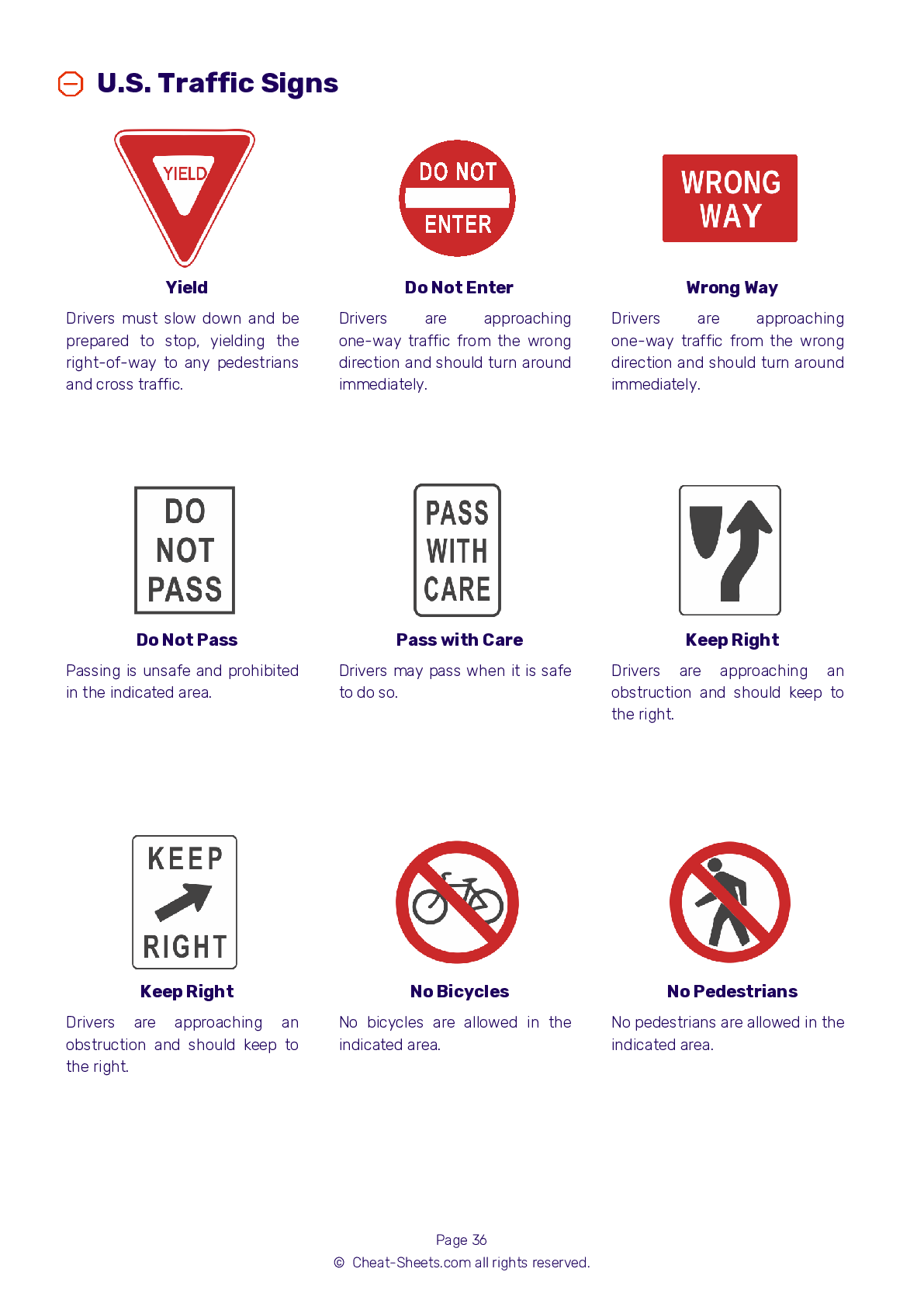
- Study the Handbook: The official Florida Driver Handbook is your bible. Read it multiple times, paying close attention to speed limits, right-of-way rules, and road signs unique to [Florida](https://lifeoutofthebox.com/florida]. Many online practice tests are also available that mimic the format of the official knowledge exam.
- Practice Driving: If you’re a new driver, accumulate ample practice hours with a licensed driver. If you’re converting an out-of-state license but are unfamiliar with Florida roads, take time to drive in various conditions – city streets, highways, and residential areas. Focus on smooth maneuvers, proper signaling, and defensive driving techniques. Consider a few lessons from a local driving school if you feel uncertain.
- Know Your Test Vehicle: Ensure the vehicle you use for the driving test is one you are comfortable with and thoroughly familiar with its controls. Practice the specific maneuvers (three-point turn, backing up) in that exact vehicle.
Choosing a DMV Location
While the rules and fees are statewide, the experience at different DHSMV service centers can vary significantly.
- Research Wait Times: Some offices, particularly in densely populated areas like Orlando, Miami-Dade County, or Tampa, can have longer wait times, even with appointments. Consider looking at less busy locations in surrounding counties if travel is feasible.
- Read Reviews: Online reviews can offer insights into the efficiency, friendliness, and pass rates (anecdotally) of different DHSMV locations.
- Familiarize Yourself with the Area: If possible, drive around the area near your chosen DHSMV office a few times before your test. This can help you anticipate potential test routes and become comfortable with local traffic patterns and intersections.
What to Do If You Fail
Failing a driving test can be disheartening, but it’s not uncommon. The important thing is to learn from the experience.
- Understand the Feedback: Ask the examiner for specific feedback on why you failed. This constructive criticism is invaluable for improving your skills.
- Practice Weaknesses: Focus your practice time on the areas identified as weaknesses.
- Reschedule Promptly: There’s usually a short waiting period before you can retake the test. Schedule your next attempt as soon as you feel prepared to avoid prolonged delays. Remember the re-test fee will apply.
Special Considerations for International Visitors/Expats
For those new to the U.S. and Florida, the differences in road rules, driving culture, and vehicle operation can be significant.
- Traffic Laws: U.S. traffic laws, especially regarding right-on-red and school bus stops, might differ from your home country. Pay extra attention to these specifics in the handbook.
- Driving on the Right: If you come from a country that drives on the left, adapting to driving on the right side of the road and vehicle controls (like turn signals on the left, wipers on the right) will require dedicated practice.
- Vehicle Size: You might be accustomed to smaller vehicles. If you plan to drive a larger SUV or truck, ensure you practice with a similar-sized vehicle.
By approaching the process with preparation and an understanding of the requirements and associated costs, obtaining your Florida driver’s license can be a smooth and manageable experience, allowing you to fully enjoy the freedom of the open road in the Sunshine State.
LifeOutOfTheBox is a participant in the Amazon Services LLC Associates Program, an affiliate advertising program designed to provide a means for sites to earn advertising fees by advertising and linking to Amazon.com. Amazon, the Amazon logo, AmazonSupply, and the AmazonSupply logo are trademarks of Amazon.com, Inc. or its affiliates. As an Amazon Associate we earn affiliate commissions from qualifying purchases.