
Navigating the financial landscape of any vacation destination is a crucial part of responsible travel planning. For those looking to explore the Sunshine State, understanding the nuances of Florida sales tax is paramount, particularly when it comes to the costs associated with accommodations and the myriad of experiences that make up a memorable trip. While often overlooked until the final bill, sales tax in Florida can significantly impact your overall budget, influencing decisions from where to stay to what activities to indulge in. This guide delves into the specifics of Florida sales tax, offering clarity for travelers aiming to maximize their enjoyment while staying fiscally savvy.
Understanding Florida’s Sales Tax Structure
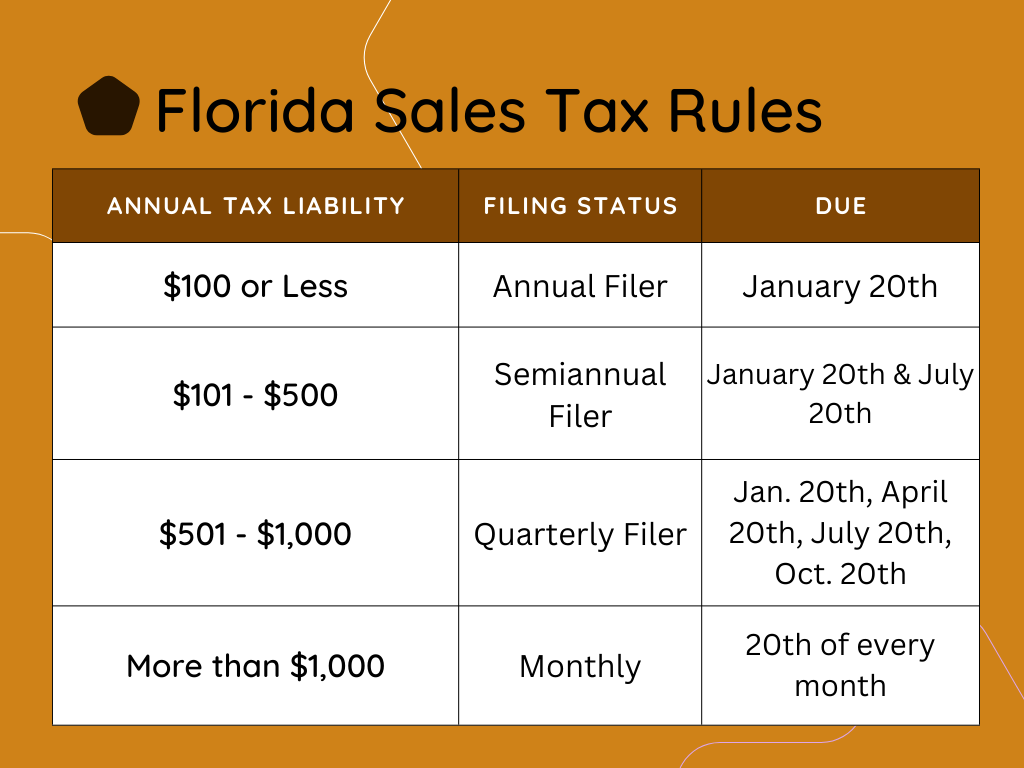
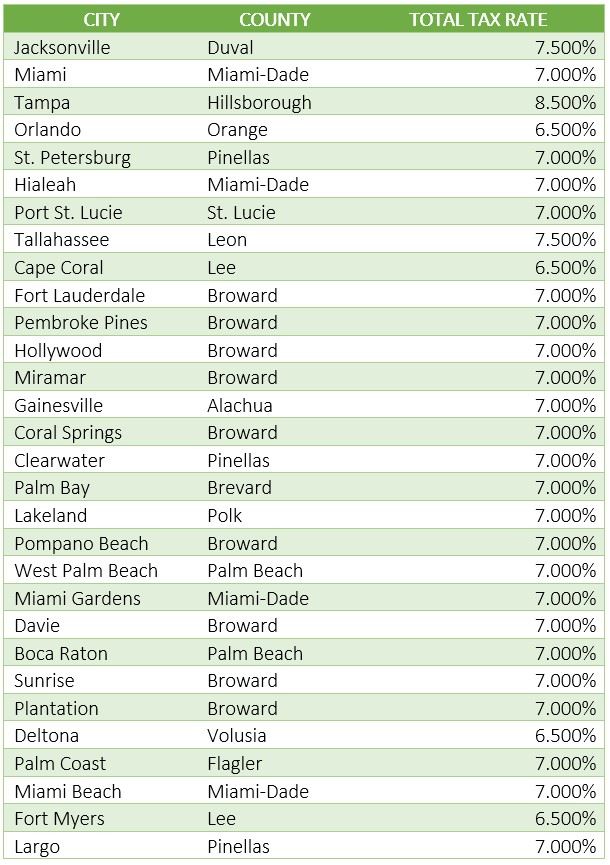
Florida operates on a state sales tax system that is supplemented by local county taxes. This dual structure means that the total sales tax rate can vary considerably depending on the specific county or municipality you are visiting. The state imposes a base rate, and then each county has the option to add its own discretionary sales surtax. These surtaxes are often implemented to fund local projects, infrastructure improvements, or public services. Therefore, a souvenir purchased in Miami-Dade County might have a slightly different tax applied than one bought in Orange County, where the theme parks of Orlando are located.
State Sales Tax Rate
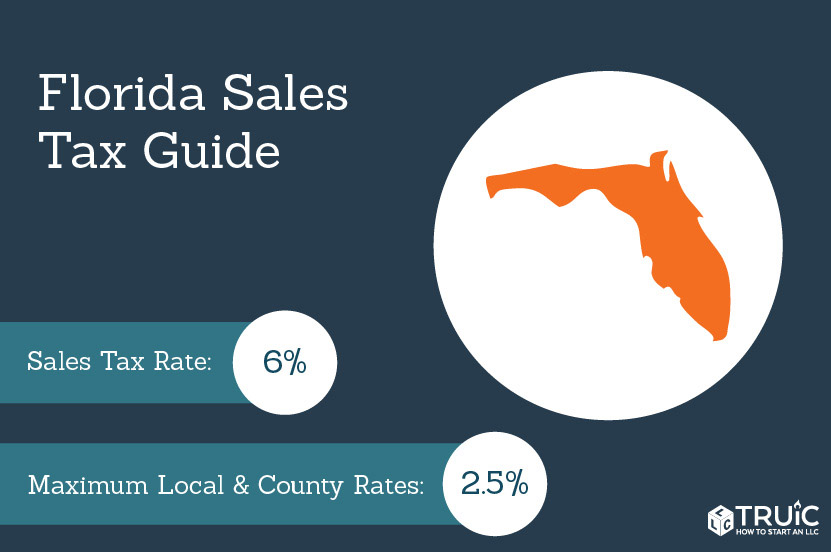
The current statewide Florida sales tax rate stands at 6%. This is the foundational percentage applied to most tangible personal property and taxable services sold within the state. This rate has remained consistent for some time, providing a predictable baseline for consumers and businesses alike. However, it’s essential to remember that this 6% is just the starting point.
Local County Surtaxes
Adding another layer to the tax equation, counties can impose a local option sales tax. The maximum combined rate, including the state and local taxes, is capped at 7.5% in most areas. However, some counties have specific exceptions or special districts that may result in slightly higher rates for certain goods or services, particularly in tourist-heavy regions or areas with dedicated funding initiatives. For instance, counties heavily reliant on tourism, such as those housing major attractions like Walt Disney World Resort or Universal Orlando Resort, may have higher local surtaxes to help fund the infrastructure and services required to support these large-scale operations.
How to Determine the Exact Rate
To find the precise sales tax rate for your specific travel destination within Florida, the most reliable method is to consult the Florida Department of Revenue’s official website. They provide detailed information on rates by county. Alternatively, most point-of-sale systems, whether in retail stores, restaurants, or hotels, are programmed to automatically calculate the correct tax based on the location of the transaction. When booking accommodations, for example, your reservation confirmation or final bill will clearly itemize the applicable state and local taxes.
Sales Tax on Accommodations and Hospitality Services
When it comes to travel, a significant portion of your budget is often allocated to accommodations and related hospitality services. Florida’s sales tax structure applies diligently to these sectors, and understanding these charges can help in budgeting for your stay.
Hotel and Resort Stays
The Florida sales tax, including the state rate and any applicable local surtaxes, is levied on the rental price of hotel rooms, suites, resorts, and vacation rental properties. This means that the advertised nightly rate rarely reflects the final cost, as taxes will be added at checkout. For example, if you book a room at the luxurious Ritz-Carlton Naples for $500 per night in a county with a total tax rate of 7%, you can expect to pay an additional $35 in sales tax per night, bringing your total for that night to $535. This applies to short-term stays, typically less than six months.
Timeshares and Vacation Rentals
Similar to hotels, timeshare rentals and short-term vacation rentals booked through platforms like Airbnb or VRBO are also subject to Florida sales tax. The tax calculation is based on the total rental amount, including any cleaning fees or other surcharges that are part of the advertised price. It is crucial to factor these taxes into your budgeting when comparing different vacation rental options.
Additional Hospitality Charges
Beyond the room rate itself, other services commonly found in hotels and resorts also incur sales tax. This can include charges for room service, mini-bar purchases, and sometimes even resort fees, depending on how they are structured and categorized by the vendor and the Florida Department of Revenue. Ancillary services like spa treatments, golf green fees at resort courses, or rental of recreational equipment are also subject to sales tax.
Tourist Development Tax (Bed Tax)
In many Florida counties, particularly those with a significant tourism industry, an additional tax known as the Tourist Development Tax, or “bed tax,” is imposed. This tax is specifically designed to fund tourism promotion and development activities, such as marketing initiatives, convention centers, and local attractions. The bed tax is levied on lodging charges and is typically calculated as a percentage of the rental cost, varying by county. This tax is added on top of the standard state and local sales taxes, so it’s vital to be aware of its potential impact on your final bill. For instance, Key West is known for its vibrant tourism and consequently has a bed tax that can add a noticeable percentage to your accommodation expenses.
Sales Tax on Attractions, Activities, and Dining
Your Florida vacation is not just about where you sleep; it’s also about the experiences you seek. Sales tax plays a role in the cost of many of these activities and the food you enjoy.
Theme Park Tickets and Admissions
Tickets to Florida’s world-renowned theme parks, such as those operated by The Walt Disney Company and Universal Parks & Resorts, are considered taxable services. The sales tax rate applied to theme park tickets is generally the state rate plus the local county surtax where the park is located. For example, purchasing tickets to Magic Kingdom in Orange County will be subject to the combined sales tax rate for that specific county. It is always advisable to check the price inclusive of taxes when comparing ticket options or packages.
Tours and Excursions
Many organized tours and excursions, whether they are boat tours along the coast, airboat rides through the Everglades, or guided city walking tours, are also subject to Florida sales tax. The tax is typically applied to the total cost of the tour. The specific rate will depend on the county in which the tour originates or is primarily conducted.
Dining and Food Purchases
The taxation of food and beverages in Florida has some distinctions. Prepared food and beverages sold in restaurants, cafes, and other food service establishments are generally taxable. This includes meals eaten on-site or taken to go. However, groceries purchased at supermarkets for consumption at home are typically exempt from sales tax. This distinction is important for travelers who might be opting for a mix of dining out and self-catering during their stay. For instance, a fine dining experience at a restaurant in South Beach will include sales tax on the entire bill, whereas buying produce at a local market will not.
Souvenirs and Retail Purchases
As with most retail transactions, souvenirs, clothing, electronics, and other tangible personal property purchased in Florida are subject to the state and local sales taxes. The rate applied will be that of the county where the purchase is made. For travelers, this means that purchases made in different counties will have potentially different tax amounts.
Sales Tax Exemptions and Special Considerations
While the general rule is that most goods and services are taxable, Florida does offer certain exemptions and has specific considerations for particular items or circumstances that can affect a traveler’s budget.
Exemptions for Certain Food Items
As mentioned previously, many basic food items intended for home consumption, such as fruits, vegetables, dairy products, bread, and meat, are exempt from Florida sales tax when purchased from a grocery store. This exemption aims to alleviate the tax burden on essential foodstuffs for residents and visitors alike.
Services and Tangible Personal Property Exemptions
Certain services and tangible personal property are also exempt from sales tax. These can include prescription medications, most non-prepared foods, and certain agricultural items. For travelers, knowing these exemptions can be helpful, though the most common exemptions encountered will relate to grocery purchases.
Motor Vehicle Purchases and Rentals
The taxation of motor vehicles in Florida involves specific rules. When purchasing a vehicle, sales tax is typically based on the purchase price, and specific county rates apply. For temporary rentals of vehicles, such as rental cars from companies at the airport, sales tax is applied to the rental charge, along with any applicable tourist development taxes in certain counties.
Tax on Digital Goods and Software
The taxability of digital goods and software has evolved over time. Generally, digital products sold or delivered electronically, such as e-books, music downloads, and software licenses, are considered taxable tangible personal property and are subject to Florida sales tax based on the buyer’s location.
Businesses and Tourist Development Tax Collection
Businesses operating in Florida, especially those within the hospitality sector, are responsible for collecting and remitting sales tax to the state. This includes accurately calculating the combined state and local taxes, as well as any applicable Tourist Development Taxes. Compliance with these regulations is crucial for businesses and ensures that state and local governments receive the necessary revenue to fund public services and tourism initiatives. For travelers, this means trusting that the tax applied to your transactions is being correctly managed by the vendor.
In conclusion, understanding Florida sales tax is an integral part of a well-planned trip to the Sunshine State. By being aware of the state and local rates, how they apply to accommodations, attractions, dining, and purchases, and any potential exemptions, travelers can better manage their expenses and enjoy their vacation with greater financial clarity. Whether you’re seeking the magic of the theme parks in Orlando, the vibrant nightlife of Miami, or the serene beaches of the Florida Keys, a little knowledge about sales tax goes a long way in ensuring a smooth and enjoyable experience.
LifeOutOfTheBox is a participant in the Amazon Services LLC Associates Program, an affiliate advertising program designed to provide a means for sites to earn advertising fees by advertising and linking to Amazon.com. Amazon, the Amazon logo, AmazonSupply, and the AmazonSupply logo are trademarks of Amazon.com, Inc. or its affiliates. As an Amazon Associate we earn affiliate commissions from qualifying purchases.