
Understanding the costs associated with obtaining a hunting license in Texas is a crucial first step for any aspiring or seasoned outdoorsperson looking to explore the state’s abundant wildlife opportunities. The Texas Parks and Wildlife Department (TPWD) sets forth a comprehensive fee structure designed to fund conservation efforts and manage hunting resources effectively. The price of a hunting license can vary significantly based on several factors, including residency status, age, the type of hunting being pursued, and the specific hunting packages or endorsements required. This guide aims to demystify these costs, providing a clear breakdown to help hunters plan their expeditions and ensure compliance with state regulations.
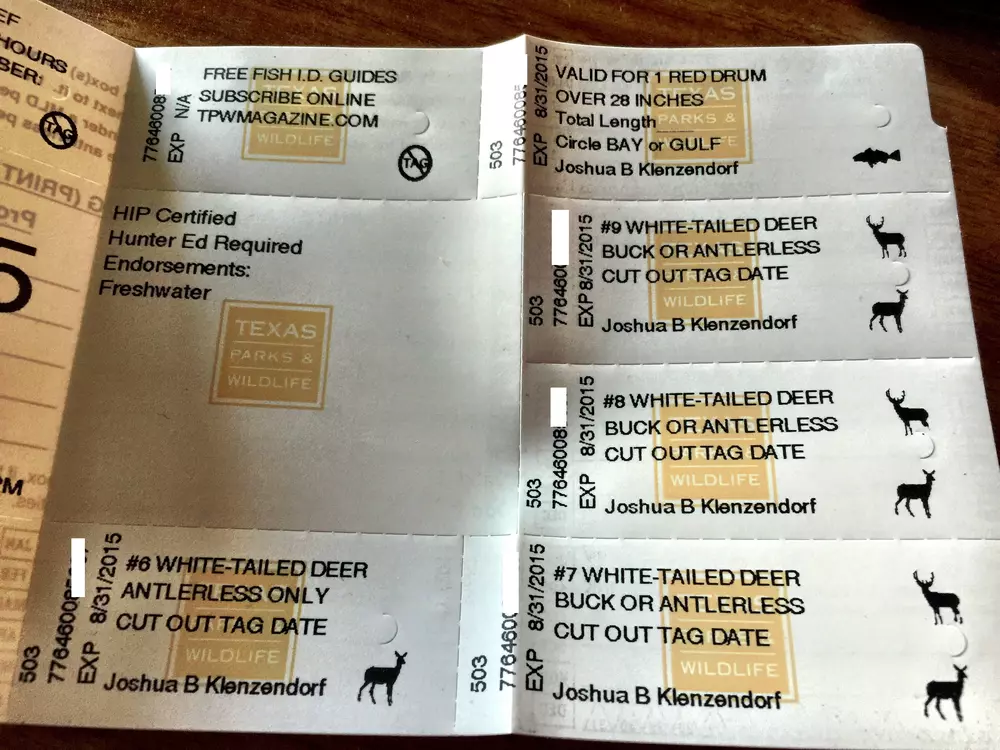
Understanding Texas Hunting License Types and Fees
The TPWD offers a variety of hunting licenses, each tailored to different needs and durations. The most fundamental license is the Resident Annual Hunting License, which serves as the baseline for most Texas hunters. For non-residents, the costs are substantially higher, reflecting the state’s commitment to prioritizing its own citizens’ access to its natural resources. Beyond the general hunting license, specific endorsements are often necessary to pursue certain game animals or hunt in particular areas.
Resident Licenses
For residents of Texas, obtaining a hunting license is generally more affordable. The standard Resident Annual Hunting License (Type 101) is typically the most common choice. This license grants the holder the privilege to hunt all legal game animals and birds within the state for a full year, subject to seasonal regulations and bag limits. The exact cost can fluctuate slightly year-to-year due to legislative adjustments, but it generally remains within a predictable range. For example, a resident adult hunting license might cost around $25 to $35.
Beyond the basic annual license, residents may also consider the Resident Super Combo (Type 157). This comprehensive package bundles several essential licenses and endorsements at a discounted rate compared to purchasing them individually. It typically includes the Resident Annual Hunting License, the Resident Annual Fishing License, and endorsements for hunting migratory game birds (like doves and ducks), white-tailed deer, and turkey. This option is ideal for hunters who engage in multiple types of outdoor pursuits throughout the year, offering significant cost savings and convenience. The price for the Resident Super Combo generally falls in the range of $60 to $80.
For younger hunters, Texas offers discounted licenses. The Resident Junior Hunting License (Type 101J) is available for individuals under 17 years of age and is significantly cheaper than the adult license, often costing around $7. Similarly, there are options for youth hunting and fishing packages designed to introduce young people to the outdoors in an affordable manner.
Seniors also have specific licensing options. The Resident Senior Hunting License (Type 101S) is available for individuals aged 65 and older and is typically very affordable, often costing around $5. This makes it easier for long-time Texan hunters to continue their passion into their golden years.
Non-Resident Licenses
The cost of hunting licenses for non-residents in Texas is considerably higher, reflecting the value placed on the state’s wildlife resources and the desire to manage them sustainably. Non-residents can opt for various licenses depending on their hunting duration and target species.
The Non-Resident Annual Hunting License (Type 102) is the most straightforward option for those planning multiple hunting trips throughout the year. This license generally costs several hundred dollars, often in the range of $300 to $400. It permits the holder to hunt all legal game animals and birds, similar to its resident counterpart, but with the higher non-resident fee structure.
For non-residents who plan a shorter hunting excursion, such as a single trip for deer season, the Non-Resident Short-Term Hunting License might be a more economical choice. These licenses are typically available for 1, 3, or 5 consecutive days and are priced accordingly. A 1-day license might cost around $40-$50, a 3-day license around $80-$100, and a 5-day license around $120-$150. These short-term options provide flexibility for out-of-state hunters with limited time.
The Non-Resident Special Hunting License (Type 156) is another option that might be considered, though its specific benefits and pricing should be carefully reviewed against other available licenses to ensure the best value.
Special Endorsements and Permits
Beyond the base hunting license, several endorsements or permits are often required depending on what game you intend to hunt or where you plan to hunt. These endorsements help the TPWD manage specific populations and ensure fair chase practices.
The Upland Game Bird Stamp (Type 171) is necessary for hunting quail, pheasant, and chukar partridge. This endorsement is relatively inexpensive, typically costing around $10 to $15 for residents and a similar amount for non-residents.
For those targeting migratory game birds, such as ducks, geese, and doves, a Migratory Game Bird Stamp (Type 115) is mandatory. This stamp also often includes a federal requirement, meaning you may need to purchase a federal migratory bird hunting and conservation stamp (commonly known as a “duck stamp”) in addition to the state stamp. The state stamp usually costs around $10 to $15.
Hunting exotic game animals in Texas generally does not require a special endorsement beyond a valid hunting license, as these species are not native and are often managed differently. However, it is always prudent to check the specific regulations for the area and species you intend to hunt.
For deer hunting, a Resident or Non-Resident Annual Youth Deer અથવા Special Youth Hunting License is available for those under 17. For all other hunters, a basic hunting license is required, and if they wish to hunt deer, they will need the appropriate resident or non-resident license. Some specialized deer hunting scenarios or locations might require additional permits or landowner authorizations, especially on private ranches or wildlife management areas.
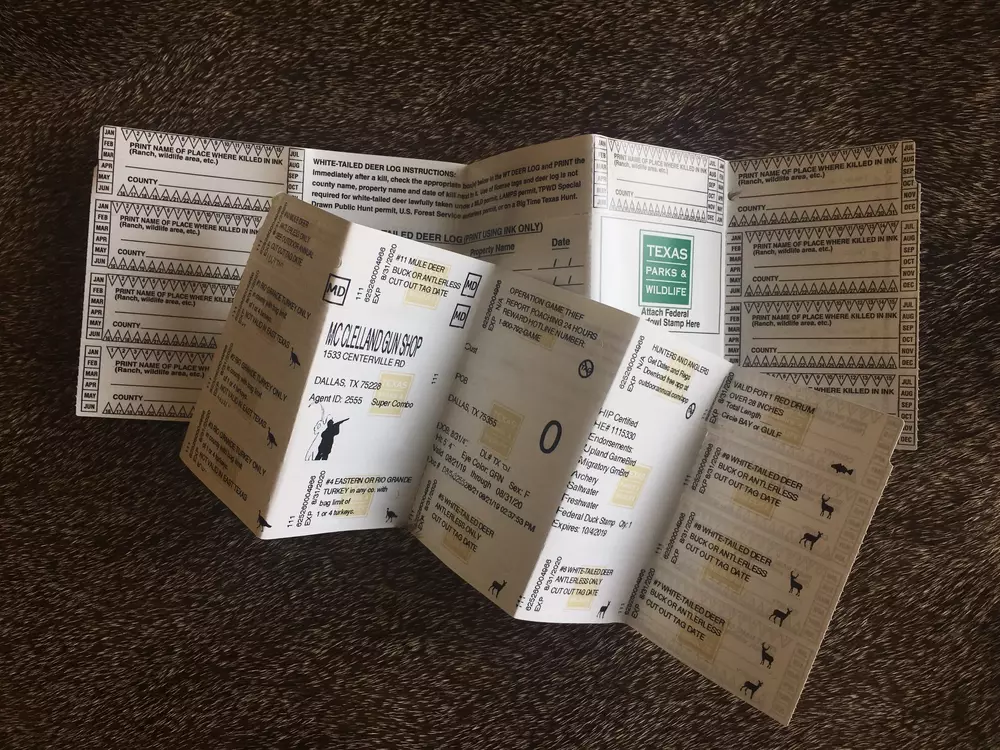
A special permit is required for hunting certain animals during specific seasons or in designated areas. For instance, if you intend to hunt alligators or feral hogs on certain public lands, specific permits might be necessary. These permits are usually tied to specific hunt dates and locations and are often awarded through a draw system. The cost for these special permits varies but is generally modest.
Additional Fees and Considerations
When budgeting for your hunting license in Texas, it’s important to account for potential additional fees and understand the nuances of purchasing these licenses. The TPWD aims to make the process as transparent as possible, but a few extra details can make a difference.
Processing Fees
When purchasing a hunting license in person at a retail vendor, such as a local sporting goods store or a Walmart location that sells licenses, a small processing fee may be applied. This fee is typically a few dollars and goes to the vendor for their service. Purchasing licenses online directly through the TPWD website may or may not incur such a fee, depending on the platform’s policies.
Lifetime Licenses
For dedicated hunters who plan to spend many years pursuing game in Texas, purchasing a lifetime hunting license can be a financially sound long-term investment. These licenses come with a significant upfront cost but eliminate the need for annual renewals. There are various tiers of lifetime licenses, often categorized by age at the time of purchase (e.g., Lifetime Hunting License for youth, adults, and seniors). The cost can range from several hundred to thousands of dollars, depending on the package and the purchaser’s age. These licenses are a commitment to the sport and a way to ensure continued access to hunting opportunities without the worry of annual fee increases.
Youth and Senior Discounts
As mentioned previously, Texas provides substantial discounts for youth and senior hunters. It’s crucial for individuals in these age brackets to ensure they select the correct license type to take advantage of these savings. Proof of age will be required at the time of purchase or when afield.
Special Hunts and Draw Permits
Certain special hunts, particularly for limited species like pronghorn antelope or exotic game on specific wildlife management areas, are often conducted via a draw system. Hunters apply for these opportunities, and successful applicants are then required to pay a specific fee for the permit to participate in the hunt. These fees vary widely but are generally designed to cover the management and administrative costs associated with these specialized hunts. Applying for these draw hunts is often free, but securing a permit comes with a cost.
Where to Purchase Your Texas Hunting License
The Texas Parks and Wildlife Department offers several convenient avenues for purchasing hunting licenses. Understanding these options can help streamline the process and ensure you are ready for your hunting adventure.
Online Purchase
The most convenient method for many hunters is to purchase their licenses directly through the official TPWD website. This online portal allows you to browse all available license types, select the appropriate options, and complete the transaction securely. Once purchased, you can typically print a temporary license immediately, with your official license being mailed to you or accessible digitally. This method is ideal for those who are comfortable with online transactions and want to secure their license from the comfort of their home.
In-Person Retailers
Texas has an extensive network of authorized license vendors throughout the state. These include numerous sporting goods stores, general merchandise retailers like Walmart, and even some bait and tackle shops. Purchasing in person can be beneficial if you have specific questions about license types or need immediate confirmation of your purchase. Be aware that some retailers may charge a small processing fee for each license sold.
County and State Offices
While less common for routine license purchases, some county clerk offices and TPWD regional offices may also be equipped to sell hunting licenses. This option might be more relevant for specialized permits or if you are encountering issues with online or retail purchases.
Conclusion
Navigating the fee structure for Texas hunting licenses is a fundamental aspect of responsible and legal hunting. From the basic resident annual license to specialized non-resident permits and lifetime options, the costs are designed to support vital conservation efforts. Understanding the differences between license types, the necessity of endorsements, and the available purchasing channels empowers hunters to make informed decisions, budget effectively, and fully enjoy the rich hunting heritage that Texas has to offer. Always ensure you are familiar with the latest regulations and fee schedules directly from the Texas Parks and Wildlife Department before embarking on your next hunting excursion.
LifeOutOfTheBox is a participant in the Amazon Services LLC Associates Program, an affiliate advertising program designed to provide a means for sites to earn advertising fees by advertising and linking to Amazon.com. Amazon, the Amazon logo, AmazonSupply, and the AmazonSupply logo are trademarks of Amazon.com, Inc. or its affiliates. As an Amazon Associate we earn affiliate commissions from qualifying purchases.