
Navigating the financial landscape of any destination is a crucial aspect of planning a trip, especially for extended stays or business ventures. While often overlooked amidst the allure of iconic landmarks and vibrant cultural experiences, understanding local taxation is paramount. This guide delves into the intricacies of income tax in New York, a topic that directly impacts the budget of travelers, temporary residents, and those considering a longer sojourn in the Empire State. Whether you’re contemplating a sabbatical to explore Central Park, attending a conference at the Jacob K. Javits Convention Center, or simply enjoying the diverse offerings of New York City, a clear grasp of its tax structure will ensure a more informed and financially sound experience.
Understanding New York’s Tax Framework
New York operates with a multi-tiered tax system, encompassing federal, state, and, for many, local income taxes. This complexity requires careful consideration to accurately estimate financial obligations. The state’s income tax rates are progressive, meaning that individuals with higher incomes are subject to higher tax brackets. This is a common approach in many jurisdictions, designed to distribute the tax burden more equitably. For visitors and temporary residents, understanding these rates is essential for budgeting various expenses, from the cost of a Broadway show to dining in a world-class restaurant.
State Income Tax Rates
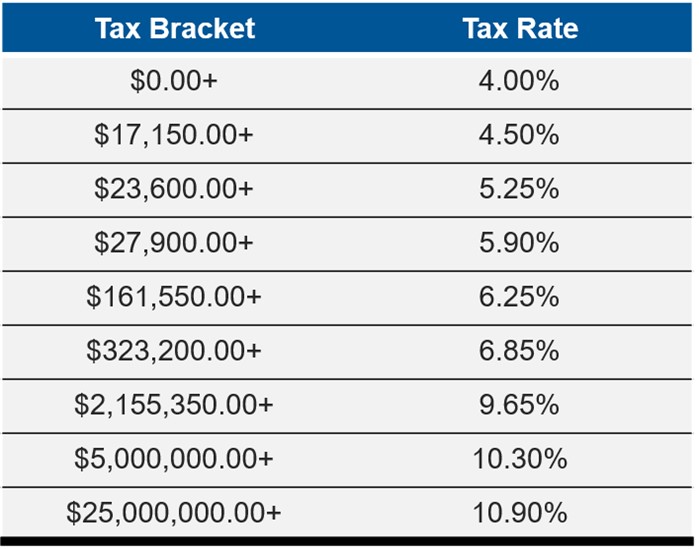
The New York State income tax rates vary based on filing status (single, married filing jointly, married filing separately, head of household) and income level. The tax brackets are adjusted annually for inflation, so it’s important to refer to the most current tax year’s figures. For example, for the 2023 tax year, the rates typically range from a low of 4% for lower income brackets to a high of 10.9% for the highest earners. These rates are applied to your New York adjusted gross income (NY AGI), which is derived from your federal adjusted gross income with certain New York-specific additions and subtractions.
- Progressive Brackets: The progressive nature means that only the portion of your income falling within a specific bracket is taxed at that rate. For instance, if the first $10,000 is taxed at 4%, and the next $20,000 at 5%, you don’t pay 5% on the entire $30,000. This is a critical distinction for accurate calculation.
- Filing Status Impact: Your filing status significantly influences the income thresholds for each tax bracket. Married couples filing jointly often benefit from higher exemption amounts and wider brackets, effectively lowering their tax liability compared to two individuals filing separately.
- Annual Adjustments: Tax authorities in New York typically release updated tax tables and bracket information each year. Travelers and temporary residents should always consult the official New York State Department of Taxation and Finance website for the most up-to-date figures for the tax year in question.
Local Income Taxes
Beyond the state income tax, many localities within New York, most notably New York City, impose their own income taxes. These local taxes are an additional layer of taxation that can significantly impact your overall financial burden.
New York City Income Tax
New York City has one of the most comprehensive local income tax systems in the United States. Residents and those earning income within the city are subject to this tax, which is also progressive. The rates can range from approximately 3% to over 3.8% depending on income. This means that someone earning a salary while working in Manhattan will likely pay both New York State income tax and New York City income tax on that income. For travelers on short business trips, understanding the tax implications of any earnings, however brief, is essential.
- Residency vs. Non-Residency: The rules for determining residency for tax purposes are complex. Generally, if you live in New York City for more than 183 days in a year, you are considered a resident for tax purposes. However, even non-residents may be subject to the city tax if they earn income from sources within the city.
- Combined Tax Burden: When combined with the state income tax, the total income tax rate in New York City can be substantial, especially for higher earners. This is a vital consideration for individuals planning to relocate, even temporarily, or engage in freelance work within the city.
- Other Localities: While New York City is the most prominent example, other counties and cities within New York may also have their own local income taxes, though they are typically less common and often at lower rates than the city tax.
Factors Affecting Your Taxable Income
Several factors can influence the amount of income tax you ultimately pay in New York. These include your income sources, deductions, credits, and residency status.
Income Sources

New York taxes a wide range of income, including wages, salaries, tips, self-employment income, business profits, interest, dividends, and capital gains. If you are working remotely from New York for an employer based elsewhere, you may still be liable for New York income tax depending on the duration and nature of your work within the state. This is particularly relevant for digital nomads or individuals taking extended remote work assignments.
Deductions and Credits
New York offers various deductions and credits that can reduce your taxable income or tax liability. These can include deductions for certain work-related expenses, dependents, medical expenses, and state and local taxes (SALT). Tax credits, such as child and dependent care credits or education credits, directly reduce the amount of tax you owe. Understanding which deductions and credits you are eligible for is crucial for minimizing your tax burden.
- Standard vs. Itemized Deductions: Similar to federal taxes, New York allows taxpayers to claim either the standard deduction or itemize their deductions. The choice depends on which method results in a larger deduction.
- Tax Credits: Credits are generally more valuable than deductions because they reduce your tax bill dollar-for-dollar. New York offers a variety of credits designed to incentivize certain activities or provide relief to specific groups.
Residency Status
Your tax obligations are heavily influenced by whether you are considered a resident, non-resident, or part-year resident of New York.
- Resident: If you are domiciled in New York or spend more than 183 days in the state during the tax year and do not have a permanent place of abode elsewhere, you are generally considered a resident. Residents are taxed on all income, regardless of where it is earned. This includes income earned while traveling abroad or in other states.
- Non-Resident: If you are not a New York resident and do not spend more than 183 days in the state, you are a non-resident. Non-residents are only taxed on income derived from sources within New York.
- Part-Year Resident: If you move into or out of New York during the tax year, you will be classified as a part-year resident. You will be taxed on income earned while you were a resident and on income sourced from New York while you were a non-resident.
Practical Implications for Travelers and Temporary Residents
For those visiting New York for leisure or business, understanding these tax rules can prevent unexpected financial burdens.
Short-Term Stays
For most short-term tourists staying in hotels like the Plaza Hotel or visiting attractions like the Statue of Liberty, the primary financial considerations will be sales tax and hotel taxes, not income tax. However, if a short visit involves any form of income-generating activity, even remote work performed while on vacation, it’s prudent to consult tax guidelines.
Extended Stays and Business Travel
Individuals undertaking extended business trips, attending conferences, or working remotely from New York for several weeks or months need to be particularly diligent.
- Remote Work Nexus: New York has “nexus” rules that can establish a taxable presence. Simply working remotely from a temporary residence for a certain period might trigger tax obligations.
- Business Travel vs. Residency: The distinction between business travel and establishing residency is crucial. Spending significant time in New York for work, even if you maintain a primary residence elsewhere, could lead to tax liabilities.
- Tax Treaties and Agreements: For international visitors, tax treaties between their home country and the United States may offer exemptions or reduced rates on certain types of income earned during their stay. However, these are complex and require careful review.
Seeking Professional Guidance
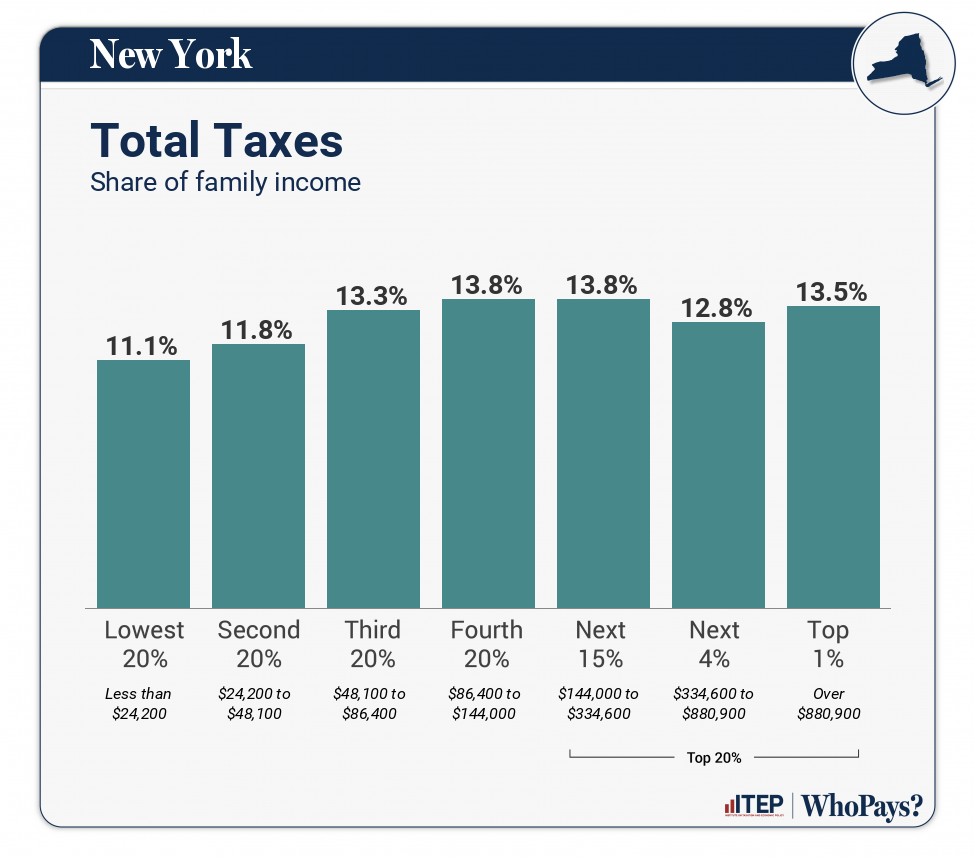
Given the complexities of New York tax law, particularly for non-residents or those with unusual income situations, consulting with a qualified tax professional is highly recommended. A tax advisor specializing in New York tax regulations can provide personalized advice, help identify all eligible deductions and credits, and ensure compliance with state and local tax laws. This is especially important when considering long-term stays, establishing a business, or undertaking significant freelance work within the state. Proactive tax planning can save considerable expense and prevent potential penalties, allowing you to fully enjoy the myriad experiences New York has to offer, from the artistic enclaves of Greenwich Village to the scenic beauty of the Adirondack Mountains.
LifeOutOfTheBox is a participant in the Amazon Services LLC Associates Program, an affiliate advertising program designed to provide a means for sites to earn advertising fees by advertising and linking to Amazon.com. Amazon, the Amazon logo, AmazonSupply, and the AmazonSupply logo are trademarks of Amazon.com, Inc. or its affiliates. As an Amazon Associate we earn affiliate commissions from qualifying purchases.