
California has long been celebrated as a land of opportunity, innovation, and unparalleled beauty, drawing millions of visitors each year to its sun-drenched beaches, vibrant cities, and majestic national parks. From the glittering allure of Los Angeles to the iconic charm of San Francisco and the serene vineyards of Napa Valley, the Golden State offers an endless array of experiences for every type of traveler. However, with its reputation for innovation and a high quality of life comes a corresponding cost of living, which significantly influences everything from hotel prices and dining experiences to the wages of the very people who make your travel seamless. Understanding the minimum wage in California isn’t just a matter for local residents or businesses; it’s a crucial piece of the puzzle for anyone planning a trip, considering an extended stay, or even contemplating a move to this dynamic state.

For travelers, the minimum wage directly impacts the services they consume, the prices they pay, and ultimately, their overall budget. It shapes the economic landscape of the tourism industry, influencing staffing costs for hotels and resorts, the prices at local restaurants and cafes, and even the operational expenses for attractions and tour operators. For those dreaming of a long-term escape or a potential relocation, the minimum wage figures provide a baseline understanding of earning potential versus the notoriously high cost of living. This article will delve into the intricacies of California’s minimum wage, exploring how it stands in comparison to the rest of the United States, the variations across different cities, and what it all means for your travel plans and lifestyle aspirations in the Golden State.
Understanding California’s Minimum Wage Landscape
California is renowned for its progressive labor laws, and its approach to the minimum wage is no exception. The state has consistently been at the forefront of advocating for higher wages, often exceeding the federal minimum wage. This commitment reflects a broader effort to ensure a living wage for its residents, a policy that has significant ramifications across all sectors, including the bustling tourism and hospitality industries that are vital to the state’s economy.
The State-Wide Standard
As of the latest adjustments, California’s state-wide minimum wage stands among the highest in the United States. It applies to nearly all employees in California, regardless of their industry. This standard wage is an important benchmark, setting a baseline for what employers must pay their workers. For instance, a hotel concierge in Sacramento, a chef in San Diego, or a retail assistant on Santa Monica Pier will all be paid at least this state minimum, unless their specific city or county mandates an even higher rate. This high baseline wage influences the operational costs for businesses, which are often passed on to consumers in the form of prices for goods and services. For travelers, this means anticipating higher costs for dining out, local transportation, and various services compared to states with lower minimum wages.
Local Ordinances and Higher City Wages
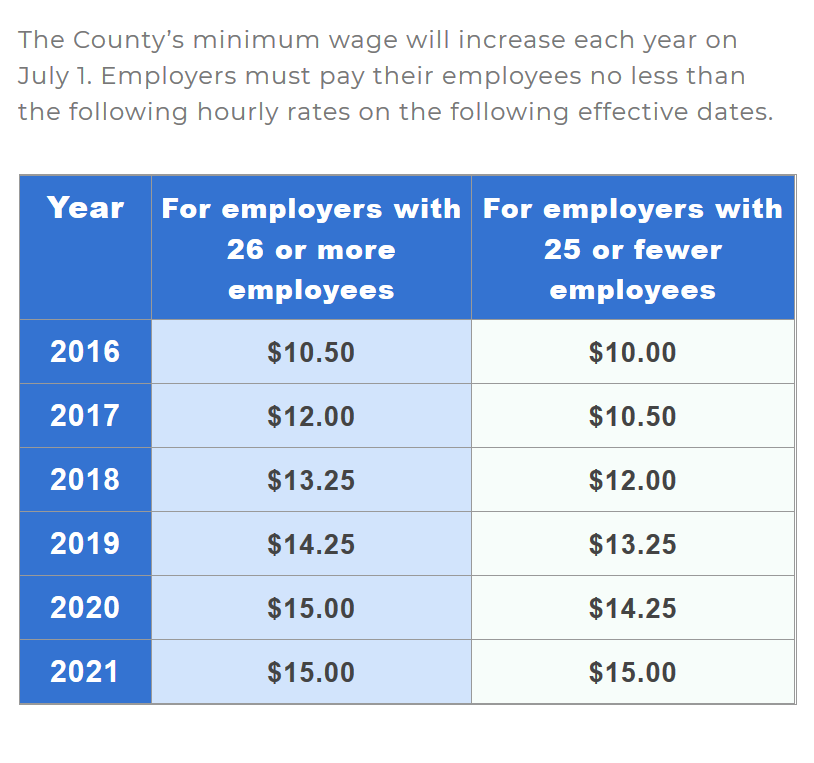
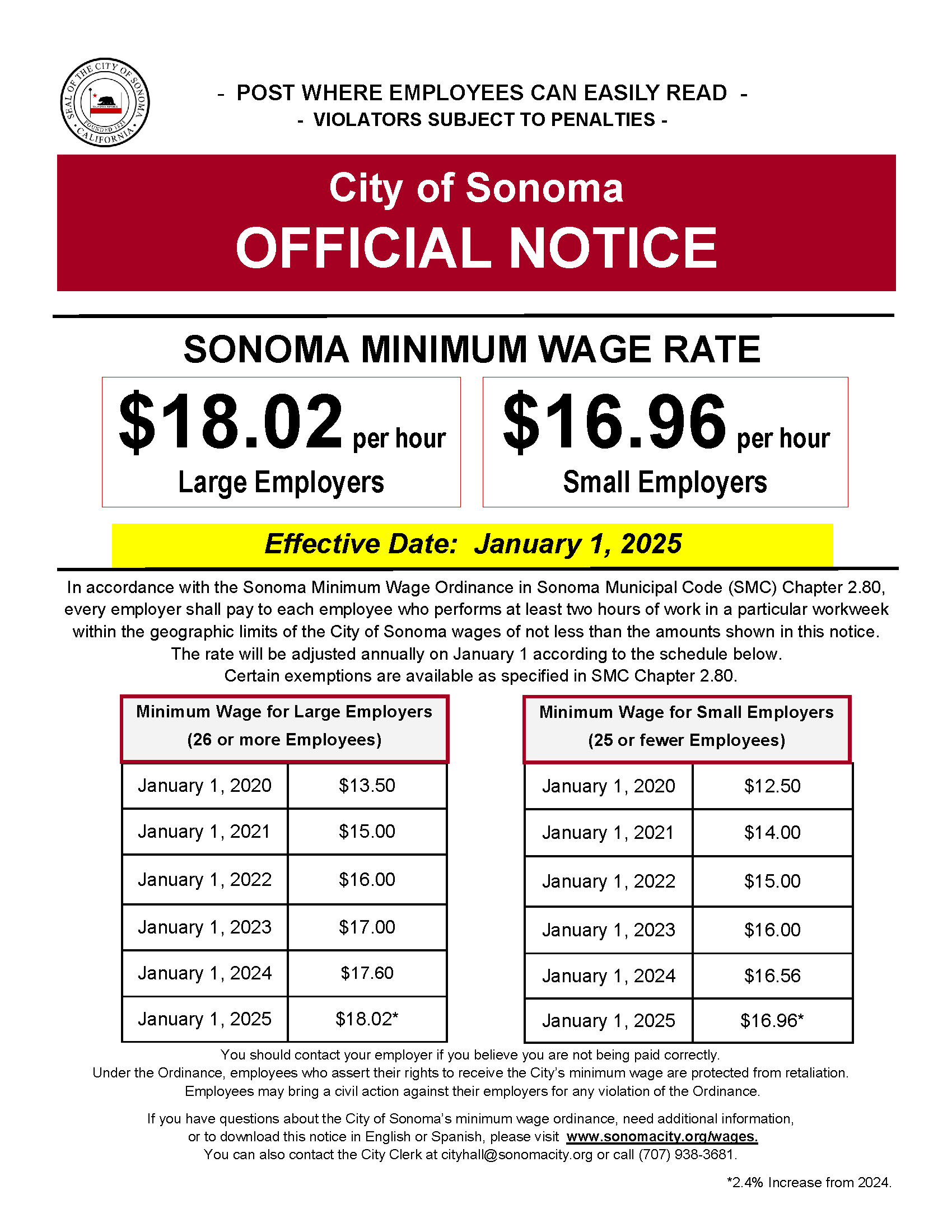
What makes California’s minimum wage landscape particularly complex and fascinating for visitors is the prevalence of local minimum wage ordinances. Many cities and counties across the state have established their own minimum wages that are significantly higher than the state minimum. This reflects the varying costs of living in different regions within California. Major metropolitan areas and popular tourist destinations, in particular, often have some of the highest local minimum wages in the nation.
Consider the contrast: while the state sets a robust baseline, cities like San Francisco, Oakland, San Jose, Los Angeles, and Santa Monica typically boast minimum wages several dollars higher per hour. These increases are often incremental, adjusted annually to account for inflation and cost of living increases. For example, an employee at a boutique hotel in Beverly Hills or a server at a trendy restaurant in Venice Beach would earn the higher local minimum wage, not just the state minimum. This localized approach is critical for travelers to understand, as it means the cost of experiencing California can fluctuate considerably depending on your chosen destination. A cup of coffee, a taxi ride, or a souvenir will likely carry a higher price tag in a city with a higher local minimum wage, directly impacting a traveler’s daily budget. Furthermore, California also implemented specific minimum wages for certain sectors, such as fast food workers and healthcare workers, which can further impact the cost structure of services in those areas.
Impact on Traveler Budgets and Tourism Experiences
The elevated minimum wage in California fundamentally shapes the economic ecosystem of its tourism industry, impacting nearly every aspect of a traveler’s experience, from where they choose to dine to the cost of their excursions. While it ensures a higher standard of living for local workers, it also translates into higher operational costs for businesses, which are frequently reflected in consumer prices.
Dining and Service Costs
One of the most immediate effects of California’s high minimum wage is observed in the cost of dining and various services. Restaurants, cafes, and bars employ a significant number of minimum wage earners, from kitchen staff to hosts and busboys. As labor costs rise, establishments often adjust their menu prices to maintain profitability. This means that enjoying a farm-to-table meal in Napa Valley, a seafood feast in San Diego, or even a casual breakfast in Long Beach will generally be more expensive than similar experiences in states with lower minimum wages.
Beyond food and beverages, service-based industries also feel the ripple effect. Hair salons, spas, car rental agencies, and local tour operators all factor labor costs into their pricing. For travelers, this necessitates a larger portion of their budget being allocated to daily expenses. It also influences the tipping culture; while tipping is customary across the United States, the expectation might subtly shift in California where service staff already earn a higher base wage. However, given the high cost of living, generous tips are still widely appreciated and often necessary for service workers to thrive. Travelers should plan to factor in at least a 15-20% tip for satisfactory service, in addition to already elevated base prices.
Activities, Attractions, and Local Tourism
The operational costs associated with maintaining world-class attractions and delivering memorable tourism experiences are also influenced by wage structures. Iconic destinations such as the Disneyland Resort in Anaheim, Universal Studios Hollywood in Los Angeles, and even smaller museums or cultural sites rely on a large workforce. From ticket takers and ride operators to gift shop assistants and maintenance staff, these individuals earn the California minimum wage or higher, especially in popular urban centers.
Consequently, ticket prices for theme parks, museums, and guided tours often reflect these higher labor costs. While the experience offered at these landmarks is undoubtedly premium, the price tag often matches. Planning a multi-day trip to Disneyland Resort for a family, or exploring the myriad attractions around the Hollywood Walk of Fame, requires a carefully considered budget. Similarly, services like guided hikes in Yosemite National Park or boat tours around Alcatraz Island in San Francisco will have pricing strategies that account for the local wage environment. Savvy travelers often look for bundled packages, city passes, or off-peak visit times to mitigate some of these expenses. Understanding that the price reflects, in part, a higher wage for the local workforce can help travelers appreciate the value and quality of service they receive, contributing to a more sustainable and equitable tourism economy.
Navigating Accommodation and Lifestyle Costs
When planning a trip to California, accommodation typically represents one of the largest budget items. The state’s minimum wage, combined with its overall high cost of living, significantly influences hotel rates, resort fees, and the expenses associated with a broader California lifestyle, particularly for those considering extended stays.
Hotel and Lodging Expenses
Hotels, resorts, and vacation rentals are major employers in California, requiring a substantial workforce ranging from housekeepers and front desk agents to maintenance staff and concierges. These employees are paid at least the state or local minimum wage, which, as discussed, is among the highest in the United States. These labor costs are a significant operational expense for lodging establishments and are inevitably factored into room rates.
For instance, staying at a luxury property like the Waldorf Astoria Beverly Hills or the Grand Hyatt San Francisco will naturally come with a premium, part of which supports the highly paid staff delivering impeccable service. Even more budget-friendly hotels and motels across cities like Sacramento or near tourist hubs like Palm Springs will have their rates influenced by these wage structures. Travelers should anticipate that the baseline cost for accommodation will be higher in California compared to many other destinations. To manage this, exploring options like staying slightly outside central tourist districts, booking during off-peak seasons, or utilizing loyalty programs can help offset costs. Additionally, extended-stay apartments or boutique hotels can sometimes offer better value for longer visits, providing amenities that reduce dining out expenses.
Beyond Basic Travel: Long-Term Considerations
For those whose interests in California extend beyond a typical vacation – perhaps considering a sabbatical, a long-term remote work stint, or even full relocation – the minimum wage takes on a different dimension. Understanding the earning potential versus the cost of living becomes paramount. While the minimum wage offers a higher hourly rate than many other states, the cost of housing, utilities, transportation, and daily necessities in major California cities can quickly absorb these earnings.
This is a critical lifestyle consideration. For example, while working a minimum wage job in San Francisco provides a higher hourly income, the median rent for an apartment in San Francisco is among the highest in the world. This disparity highlights the challenge of achieving financial comfort on a minimum wage, despite its elevated status. Those planning extended stays will need a robust financial plan, likely requiring income significantly above the minimum wage, or choosing to reside in more affordable, albeit less central, areas. The appeal of a California lifestyle, from surfing at Malibu Beach to exploring the majestic redwood forests along Big Sur, is undeniable. However, sustaining that lifestyle requires a realistic understanding of the economic realities shaped by its progressive wage policies. Engaging with local communities, seeking out farmers’ markets for groceries, and utilizing public transportation where available can help manage daily expenses, but the underlying economic framework remains a key factor in long-term financial planning in the Golden State.
Strategic Budgeting for a California Adventure
Traveling through California is an unforgettable experience, but it requires thoughtful financial planning, largely due to the state’s elevated minimum wage and corresponding cost of living. Understanding the economic landscape allows visitors to make informed decisions and maximize their enjoyment without overspending.
One effective strategy is to leverage the wealth of free or low-cost attractions available throughout the state. California boasts stunning natural beauty, from its numerous state parks and beaches to scenic drives like the Pacific Coast Highway. Exploring the historic streets of Old Town San Diego, strolling across the Golden Gate Bridge, or hiking through the breathtaking landscapes of Lake Tahoe are experiences that cost little to nothing. Many museums offer free admission days, and public art installations, like those found in downtown Los Angeles, provide cultural enrichment without a price tag.
When it comes to dining, consider balancing high-end restaurant experiences with more budget-friendly options. Exploring local farmers’ markets provides fresh, affordable produce, perfect for picnics in a park or preparing meals if your accommodation has kitchen facilities. Food trucks, often found in popular urban areas and at events, offer diverse and delicious cuisine at a fraction of restaurant prices. Additionally, taking advantage of happy hour specials can significantly reduce the cost of drinks and appetizers. For transport, utilizing ride-sharing services, public transportation in major cities, or planning routes that minimize gas consumption (especially along iconic but lengthy routes like Big Sur) can lead to considerable savings.
Another smart approach involves choosing accommodation wisely. While major cities come with premium prices, consider staying in charming smaller towns adjacent to popular tourist spots. For instance, instead of downtown San Francisco, look at options in Oakland or Berkeley, which are easily accessible by public transit but may offer more affordable lodging. Booking well in advance, especially for popular destinations and peak seasons, can also secure better rates. For longer stays, exploring vacation rentals with kitchens can significantly cut down on dining expenses, providing a more home-like lifestyle experience. Ultimately, the high minimum wage in California contributes to a vibrant, often high-quality service sector, but with careful planning, it’s entirely possible to enjoy all that the Golden State has to offer without breaking the bank.
Conclusion
The question of “How Much Is The Minimum Wage In California?” reveals far more than just a number; it uncovers a crucial layer of the state’s economic fabric that profoundly influences tourism, travel, and lifestyle. With a state-wide minimum wage that significantly surpasses the federal standard, and numerous cities implementing even higher local ordinances, California stands as a leader in advocating for worker compensation. This commitment to higher wages directly impacts the cost of nearly every service and product consumed by travelers, from the price of a meal in San Francisco to a hotel stay in Los Angeles or an admission ticket to Universal Studios Hollywood.
For visitors, this translates into a need for meticulous budgeting. High labor costs are interwoven into the prices of dining experiences, attractions, and especially accommodation. However, this economic reality also underpins the high standard of service and the vibrant local economies that make California such an appealing destination. The people who staff your hotels, guide your tours, and prepare your meals are earning a wage that allows them a better quality of life, which in turn can contribute to a more skilled and dedicated workforce.
For those contemplating a longer stay or a complete relocation, understanding the minimum wage provides a baseline for earning potential, but it must always be weighed against the state’s famously high cost of living. Achieving a comfortable lifestyle in California often requires income well above the minimum wage, particularly in its sought-after metropolitan areas. Whether you’re planning a week-long adventure through wine country or along the Pacific Coast Highway, or dreaming of a new life under the California sun, being informed about the minimum wage is an essential step towards a realistic and enjoyable experience. By strategically planning your itinerary, exploring diverse accommodation options, and embracing budget-friendly local experiences, you can navigate the economic realities of the Golden State and immerse yourself fully in its boundless allure.