
The question of the minimum wage in Texas is a perennial one, particularly for those planning extended stays, considering relocation for work, or simply seeking to understand the economic landscape of the Lone Star State. While Texas itself does not mandate a state-specific minimum wage, it adheres to the federal standard, creating a unique economic environment. This federal floor has significant implications for various aspects of life and business within the state, from the hospitality sector to the everyday cost of living for residents and temporary visitors alike.
The Federal Minimum Wage: Texas’s Baseline
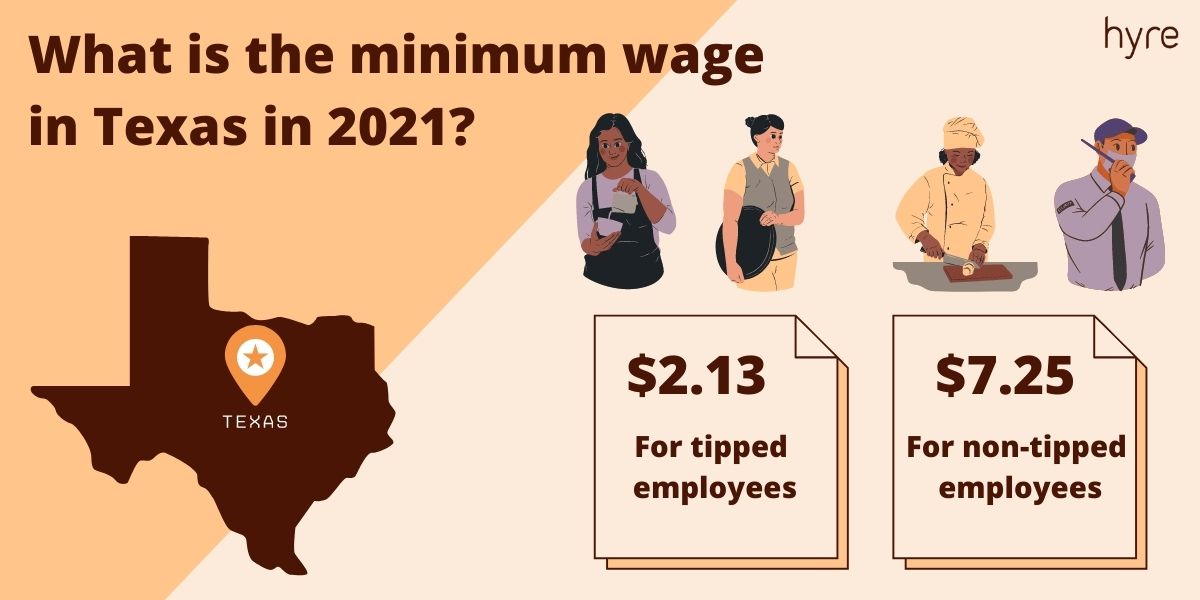
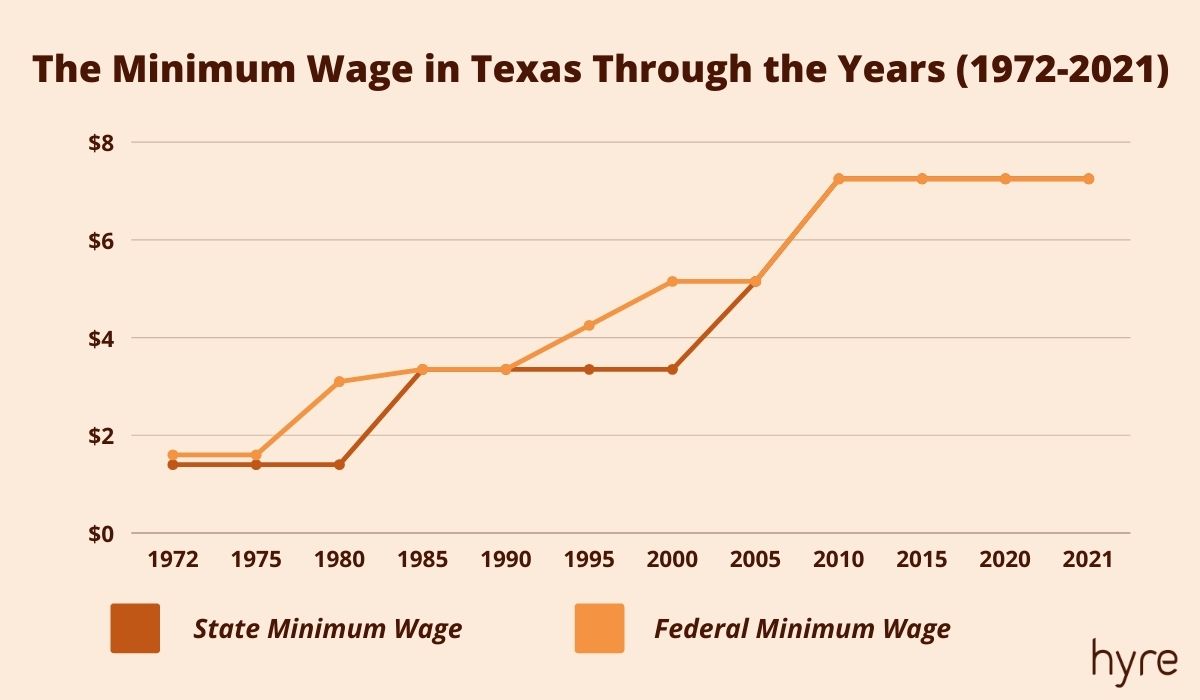
In the absence of a state-level mandate, Texas employers are legally obligated to pay their employees at least the federal minimum wage. As of the latest updates, this rate stands at $7.25 per hour. This figure, established by the Fair Labor Standards Act (FLSA) of 1938, has remained unchanged since 2009. While this rate applies to most non-exempt employees across the nation, it’s crucial to understand its nuances and how it affects those working in or visiting Texas.
Understanding FLSA Exemptions
The FLSA outlines specific criteria that determine whether an employee is exempt from minimum wage and overtime provisions. Generally, employees who are paid on a salary basis above a certain threshold and whose job duties meet specific tests related to executive, administrative, or professional responsibilities are exempt. This means that while the $7.25 per hour is the minimum, many positions, particularly those in management or highly specialized roles, will naturally command higher compensation. For those in roles covered by the FLSA, understanding your classification is key to ensuring you are receiving appropriate wages.
Tipped Employees in Texas
A significant aspect of the minimum wage discussion in Texas, and across the U.S., pertains to tipped employees. Under federal law, employers can pay tipped employees a minimum cash wage of $2.13 per hour, provided that this cash wage, combined with the tips received, equals at least the federal minimum wage of $7.25 per hour. If the tips plus the cash wage do not reach $7.25 per hour, the employer must make up the difference. This “tip credit” system is a point of contention and varies by state. Texas, aligning with federal law in this regard, allows for this reduced cash wage for tipped employees. This directly impacts service industry workers in popular dining destinations like Austin or Houston, where a significant portion of the workforce relies on tips. Understanding this distinction is vital for both employers and employees in these sectors.
Economic Implications for Travelers and Residents
The prevailing federal minimum wage has ripple effects that can be felt by anyone interacting with the Texas economy, from tourists exploring San Antonio to individuals considering a longer-term stay for work or leisure.
Cost of Services and Local Amenities
For visitors, the minimum wage indirectly influences the cost of various services they might utilize. For instance, the wages paid to hotel staff, restaurant servers, tour guides, and retail associates in cities like Dallas or on the Texas Gulf Coast are rooted in this minimum wage structure. While higher-skilled positions and competitive markets often drive wages up, the baseline remains. This can translate to the perceived affordability of certain services, impacting budgets for those planning vacations or business trips. Consider the cost of a meal at a local eatery or the tip you might leave for exceptional service at a resort in Galveston – these are all connected to the underlying wage economy.
Housing and Long-Term Stays
For individuals contemplating a longer-term stay, perhaps considering renting an apartment in Fort Worth or seeking seasonal employment, the minimum wage is a critical factor in assessing financial viability. The ability to afford housing, transportation, and daily expenses is directly linked to earning potential. While the cost of living in Texas can vary significantly by region – with major metropolitan areas generally being more expensive than rural towns – the minimum wage sets a floor below which most wages cannot legally fall. This is particularly relevant for those in entry-level positions or seeking to establish themselves in a new city. Understanding the minimum wage provides a fundamental insight into the earning capacity of a significant portion of the workforce, influencing decisions about long-term accommodation and lifestyle choices.
The Debate for a Higher Minimum Wage in Texas
While Texas operates under the federal minimum wage, there has been ongoing discussion and advocacy for a higher state-specific minimum wage. Proponents argue that the current federal rate is insufficient to provide a livable wage in many parts of Texas, especially in urban centers with a higher cost of living.
Arguments for an Increase
Supporters of a higher minimum wage often point to the concept of a “living wage” – the theoretical minimum income necessary to afford basic necessities such as housing, food, and healthcare in a particular area. They contend that the current federal minimum wage falls short of this mark in many Texas communities. An increase, they argue, could lead to reduced poverty, increased consumer spending, and a more equitable distribution of income. This would benefit not only low-wage workers but also the broader economy as increased purchasing power circulates. For businesses that rely on local consumer spending, such as independent boutiques or family-owned restaurants in places like Waco, a more affluent customer base can be beneficial.
Arguments Against an Increase
Opponents of raising the minimum wage often express concerns about the potential negative impacts on businesses, particularly small businesses. They argue that mandated wage increases could lead to higher operating costs, forcing businesses to reduce staff, slow hiring, or increase prices for consumers. This could disproportionately affect industries with thin profit margins, such as some sectors of the hospitality industry or small retail operations. Some economic studies have produced mixed results on the actual impact of minimum wage increases, leading to an ongoing debate among economists and policymakers. The competitive landscape of Texas, with its diverse industries and business environments, means that any significant policy change would likely have varied effects across different sectors and regions.
Navigating Texas’s Economic Landscape
For anyone planning a trip, a temporary stay, or considering a move to Texas, understanding the minimum wage is just one piece of a larger economic puzzle. While the $7.25 per hour federal minimum wage provides a legal baseline, actual wages in many professions and locations can be significantly higher due to market forces, demand for labor, and the skills required for a particular job.
Researching Local Wage Standards
When considering employment opportunities or evaluating the cost of services, it is always advisable to research the specific wage standards for the industry and location in Texas you are interested in. Websites like the U.S. Bureau of Labor Statistics provide detailed occupational wage data for various regions within Texas, offering a more nuanced picture than the single minimum wage figure. For example, the average wage for a hotel manager in El Paso will likely be far greater than the minimum wage, as will the salaries for positions in burgeoning tech hubs like Austin.
Budgeting for Your Texas Experience
Whether you are a budget traveler seeking affordable accommodations and dining experiences or a professional relocating for a high-paying job, understanding the prevailing wage environment is crucial for effective budgeting. The minimum wage in Texas, while a legal requirement, does not represent the full spectrum of earning potential or the cost of living across the state. By considering the federal minimum wage alongside local economic conditions, industry-specific compensation trends, and the cost of goods and services, you can create a more accurate financial plan for your time in the Lone Star State. From the vast ranches of West Texas to the bustling cultural scenes of its major cities, Texas offers diverse experiences, and a solid understanding of its economic underpinnings will enhance your enjoyment and preparedness.
LifeOutOfTheBox is a participant in the Amazon Services LLC Associates Program, an affiliate advertising program designed to provide a means for sites to earn advertising fees by advertising and linking to Amazon.com. Amazon, the Amazon logo, AmazonSupply, and the AmazonSupply logo are trademarks of Amazon.com, Inc. or its affiliates. As an Amazon Associate we earn affiliate commissions from qualifying purchases.