
New York City, a global beacon of culture, commerce, and unparalleled experiences, beckons millions of travelers each year. From the iconic skyline of Manhattan to the vibrant streets of Brooklyn, the city offers an endless array of attractions, world-class dining, and diverse neighborhoods waiting to be explored. However, as with any major travel destination, understanding the local tax landscape is crucial for a well-planned and budget-friendly trip. Taxes, often an afterthought for many travelers, can significantly impact the overall cost of your accommodation, dining, shopping, and entertainment in the Big Apple. Ignoring them can lead to unexpected expenses that might derail your travel budget, whether you’re embarking on a luxurious getaway or a savvy budget adventure.
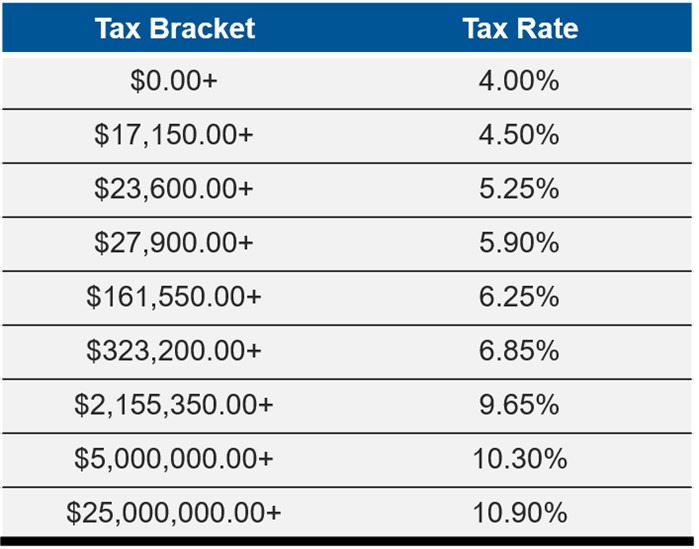
For those planning their dream vacation, a business trip, or even a long-term stay, grasping the various taxes levied in New York City is as essential as securing your flights and booking your hotel. This comprehensive guide delves into the specifics of New York City’s tax structure, breaking down everything from sales tax on souvenirs to occupancy taxes on your chosen accommodations. We’ll explore how these taxes are applied, what they typically fund, and most importantly, how to factor them into your travel plans to ensure a seamless and financially predictable New York City experience. By understanding these nuances, you can navigate the city’s offerings with confidence, ensuring that your focus remains on soaking in the unforgettable sights and sounds rather than worrying about hidden costs.
Understanding New York City’s Sales Tax: Your Guide to Shopping and Dining
Sales tax is perhaps the most ubiquitous tax travelers will encounter across the United States, and New York City is no exception. This tax is applied to the sale of most goods and services, and it’s a significant component of the city and state’s revenue, funding essential public services and infrastructure that both residents and visitors benefit from. For travelers, understanding how sales tax works is particularly important when budgeting for shopping sprees, dining experiences, and everyday purchases.
The combined state and local sales tax rate in New York City typically hovers around 8.875%. This figure comprises a New York State sales tax, a Metropolitan Commuter Transportation District surcharge, and the New York City local sales tax. While this percentage might seem modest on its own, it can add up quickly, especially for those indulging in high-value purchases or frequent dining out.
What Does Sales Tax Apply To?
Virtually every tangible product you purchase in New York City will be subject to sales tax. This includes:
- Souvenirs and Gifts: Whether you’re picking up a “I Love NYC” t-shirt from Times Square, a unique piece of art from a Greenwich Village boutique, or gourmet food items from Chelsea Market, the listed price won’t be the final price you pay. Remember to factor in the additional 8.875% at checkout.
- Clothing and Footwear: Shopping is a quintessential New York City experience, from luxury brands on Fifth Avenue to trendy shops in SoHo. Most clothing and footwear purchases are subject to sales tax, with one notable exception that savvy shoppers should be aware of.
- Electronics and Gadgets: From cameras to new smartphones, any electronic purchase will include sales tax.
- Prepared Foods and Restaurant Meals: This is a crucial point for foodies. While groceries (unprepared food items) are generally exempt from sales tax, any prepared food—whether it’s a gourmet meal at a Michelin-starred restaurant, a grab-and-go sandwich from a deli, or even a coffee from your favorite café—is taxed. This means every time you dine out or buy a snack, you’ll be paying sales tax on top of the menu price. This also applies to food delivery services, which often add their own fees and taxes.
Sales Tax Exemptions and Special Cases
While sales tax is broad, there are a few important exemptions, particularly beneficial for travelers:
- Clothing and Footwear Under $110: This is a fantastic perk for shoppers! Individual items of clothing and footwear costing less than $110 are exempt from New York State and local sales tax, including New York City’s. This means you can buy multiple items, as long as each item individually is under $110, without paying sales tax. This exemption is a boon for those looking to refresh their wardrobe or pick up multiple gifts without adding to the tax burden. However, if an item is $110 or more, the entire cost of that item (not just the amount over $110) becomes taxable.
- Most Groceries: Unprepared food items, such as fresh produce, meat, and packaged goods purchased at grocery stores for home consumption, are typically exempt from sales tax. This can be a money-saving tip for travelers opting for apartments or suites with kitchenettes, allowing them to prepare some of their own meals.
- Prescription Drugs: Essential healthcare items like prescription medications are also exempt from sales tax.
For budget travelers, being mindful of these exemptions can lead to significant savings. Opting for casual eateries where individual prepared food items might be smaller in cost, or focusing on clothing purchases under the $110 threshold, are smart strategies. Luxury travelers, while perhaps less concerned with individual tax percentages, should still factor the cumulative effect into their overall spending estimates, especially when purchasing high-end fashion or electronics. Regardless of your lifestyle, understanding New York City sales tax empowers you to make more informed spending decisions and enjoy your shopping and dining experiences without any fiscal surprises.
Decoding Hotel and Accommodation Taxes in NYC: What to Expect on Your Stay
For most travelers, accommodation is the single largest expense, and in New York City, the associated taxes can add a substantial amount to your bill. Whether you’re reserving a plush suite in a five-star Manhattan hotel, a charming boutique hotel in Brooklyn, or a cozy apartment through a short-term rental platform, you’ll encounter various occupancy taxes. These taxes are crucial revenue streams for the city and state, funding everything from public safety and sanitation to tourism promotion and infrastructure maintenance.
The cumulative effect of New York City’s hotel taxes is among the highest in the United States, often reaching over 14% on top of the room rate, plus an additional flat fee per night. This can significantly inflate the advertised price of a room, making it imperative for travelers to understand these charges when comparing booking options and planning their budgets.
The Basics of Hotel Occupancy Tax
When you book a hotel room in New York City, you typically pay a combination of several taxes:
- New York State Sales Tax: Just like goods, hotel rooms are considered a taxable service. The state sales tax portion is approximately 4% of the room rate.
- New York City Occupancy Tax: This is a significant local tax, typically around 5.875% of the room rate. This portion goes directly to the city to fund local services.
- Metropolitan Commuter Transportation District (MCTD) Surcharge: An additional 0.25% surcharge on the room rate, contributing to public transit infrastructure.
- Javits Center Surcharge: A flat fee of $1.50 per room per night. This fee helps fund the expansion and maintenance of the Jacob K. Javits Convention Center, a major economic driver for the city that hosts numerous conferences and events.
When combined, the percentage-based taxes typically add up to around 10.125% of the room rate. Add the state’s 4% sales tax, and you’re looking at approximately 14.125% plus the $1.50 flat fee per night. For a room costing $300 per night, this means an additional $42.38 in taxes plus $1.50, bringing the total tax to almost $44 per night. Over a multi-night stay, this can quickly accumulate to hundreds of dollars, highlighting the need for careful budgeting.
How Accommodation Type Affects Taxes
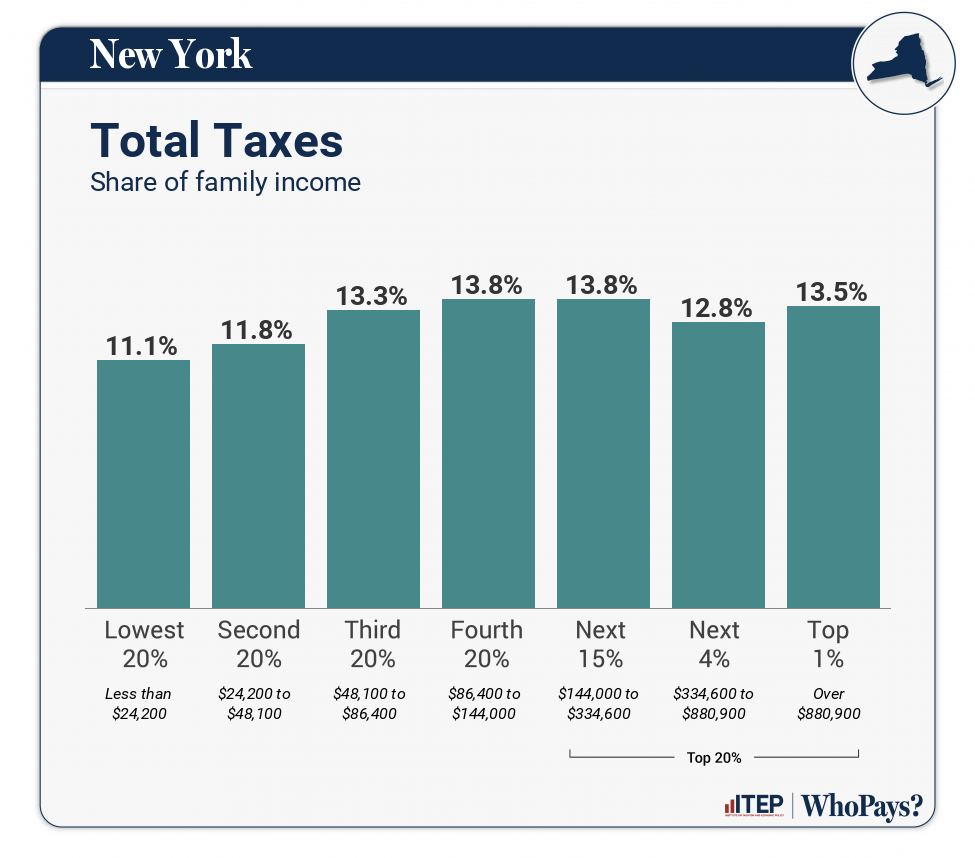
The tax structure primarily targets traditional hotels and similar lodging establishments. However, the rise of alternative accommodation options has introduced some nuances:
- Traditional Hotels and Resorts: These establishments are consistently subject to the full spectrum of New York City occupancy taxes. When booking a stay at prominent properties like the Grand Hyatt near Grand Central Terminal, a luxury hotel in Midtown, or a charming boutique hotel in SoHo, always anticipate these taxes on top of the quoted room rate. Many online travel agencies (OTAs) and hotel websites will display the estimated total, including taxes, but it’s always wise to double-check the breakdown.
- Apartment and Home Rentals (e.g., Airbnb, Vrbo): The tax implications for short-term apartment rentals in New York City are more complex due to local regulations. Generally, rentals of entire homes or apartments for less than 30 days are subject to the same hotel occupancy taxes if the host is properly registered. However, New York City has strict laws regarding short-term rentals, often limiting them to situations where the host is present. Many platforms automatically collect and remit these taxes, but guests should verify this during the booking process. The specific taxes applied can vary based on the platform’s arrangement with the city and the legality of the rental itself. It’s crucial to understand the platform’s tax disclosures and, for longer stays, inquire if any exemptions might apply.
- Long-term Stays (30+ days): Generally, stays of 30 consecutive days or more in a single establishment may be exempt from New York City occupancy taxes. This can be a significant cost-saving factor for those planning extended visits or corporate housing. If you’re considering a long-term accommodation option, whether in a hotel or an apartment, it’s advisable to inquire directly with the provider about tax exemptions for extended stays.
For travelers comparing different accommodation types, the “total price” becomes the most important metric. When reviewing booking sites, make sure to toggle filters or look for options that display the price inclusive of all taxes and fees to get a true picture of your expenditure. This proactive approach helps in budgeting effectively and avoids any surprises upon check-out, ensuring your stay in New York City is as enjoyable as it is financially transparent.
Navigating Dining and Entertainment Taxes: Funding Your NYC Experiences
Beyond shopping and lodging, your culinary adventures and cultural pursuits in New York City will also come with their own set of taxes. New York City is a mecca for foodies and culture enthusiasts, offering everything from street food to Michelin-starred restaurants, and world-class museums to dazzling Broadway shows. Understanding how taxes apply to these experiences is key to accurately budgeting for your tourism activities and enjoying the local culture to the fullest.
Restaurant and Food Taxes: Savoring Every Bite
As mentioned in the sales tax section, prepared foods and restaurant meals are subject to the standard New York City sales tax rate, typically 8.875%. This applies to almost every food item that is ready for immediate consumption, whether purchased at a restaurant, café, food truck, or even a supermarket deli counter.
- Dining Out: Every bill at a New York City restaurant, from a casual diner to an upscale eatery, will have this 8.875% added to the subtotal of your food and drink. This percentage can add a noticeable amount to your dining expenses, especially when enjoying multi-course meals or ordering alcoholic beverages.
- Take-out and Delivery: The same sales tax applies to take-out orders and food delivered to your hotel room or apartment. While the convenience is undeniable, remember to factor in the tax on top of the food cost, along with any delivery fees and expected tips for delivery personnel.
- Beverages: This includes soft drinks, juices, and most importantly, alcoholic beverages. When enjoying a cocktail at a trendy Manhattan bar or a glass of wine with dinner, sales tax will be applied.
It’s important for travelers, especially those on a budget, to not only account for this tax but also for gratuity (tips). In the United States, a tip of 15-20% is customary for good service in restaurants. This means that a meal costing $100 before tax could easily end up costing $125-$130 after tax and tip, a substantial increase from the menu price. Planning for these additional costs is vital for an enjoyable culinary journey through New York City.
Taxes on Attractions and Shows: Unlocking NYC’s Cultural Treasures
When you immerse yourself in New York City’s world-renowned cultural scene, certain taxes will apply to your entertainment purchases.
- Broadway Shows and Theatrical Performances: Tickets for Broadway productions, off-Broadway shows, concerts, and other live performances are generally subject to New York State sales tax. This means the advertised price for a ticket might not be the final price you pay. Often, booking platforms will display the total cost including taxes and any service fees, which can sometimes be quite steep. For iconic experiences like catching a show in the Theater District, budgeting for these additional costs is crucial, especially if you’re planning to see multiple performances.
- Museums and Galleries: Entry fees for many of New York City’s incredible museums, such as the Metropolitan Museum of Art, the Museum of Modern Art, or the American Museum of Natural History, are typically subject to sales tax. However, some institutions, particularly non-profits, may have different tax structures or even “pay-what-you-wish” admission policies on certain days or times. Always check the specific museum’s website for the most accurate pricing and tax information.
- Landmarks and Observation Decks: Tickets for popular landmarks like the Empire State Building observation deck, Top of the Rock, or a ferry to the Statue of Liberty and Ellis Island will also include sales tax. These are often purchased through online booking platforms or at the venue, and the final price will reflect the added tax.
- Sporting Events: Attending a New York Knicks game at Madison Square Garden or a New York Yankees game at Yankee Stadium will also incur sales tax on ticket purchases.
For travelers keen on experiencing New York City’s vibrant attractions and performances, integrating these taxes into your activity budget is non-negotiable. Many tourism passes, such as the New York Pass or CityPASS, often include taxes in their upfront cost, which can simplify budgeting. However, for individual ticket purchases, always anticipate the additional percentage, ensuring you have enough funds to cover the full price of your desired experiences. This foresight allows you to fully engage with the city’s dynamic entertainment scene without any unwelcome financial surprises.
Budgeting for Taxes: Smart Tips for Travelers to New York City
Understanding the various taxes in New York City is one thing; effectively incorporating them into your travel budget is another. For any trip, especially to a major global hub like NYC, a well-planned budget can be the difference between a stress-free adventure and a financially strained experience. Whether you’re on a tight budget seeking affordable accommodations and free activities, or a luxury traveler indulging in high-end hotels and gourmet dining, being aware of and planning for taxes will enhance your trip.
Planning Ahead for a Tax-Inclusive Budget
The golden rule for budgeting in New York City is to always assume taxes are extra unless explicitly stated otherwise. Here’s how to plan effectively:
- Factor in Accommodation Taxes First: Since hotel occupancy taxes are substantial, make them your first priority. When looking at room rates, multiply the nightly rate by the expected total tax percentage (approx. 14.125%) and add the $1.50 per night flat fee. Websites like Booking.com or Expedia often have a “total price” display that includes taxes, but always confirm this. For example, if a room is $250 per night, estimate approximately $35-$40 extra per night for taxes. Over a 5-night stay, that’s an additional $175-$200 – a sum that could cover several meals or an attraction ticket.
- Estimate Daily Sales Tax for Food and Shopping: While individual items under $110 might be sales tax exempt for clothing, most other purchases will incur the 8.875% sales tax. For dining, remember to add this on top of the menu price, plus your expected tip (15-20%). A simple way to estimate is to add an overall buffer of 25-30% to your dining budget to account for both tax and tip. For shopping, keep a mental note of the 8.875% and remember that higher-priced items will see a more significant tax addition.
- Account for Attraction and Entertainment Taxes: When buying tickets for Broadway, museums, or observation decks, check if the price listed is the final price. Many online booking portals will show the total including fees and taxes, but if purchasing directly, expect the sales tax to be added. Budget an extra 10% for these activities to be safe.
- Create Categories in Your Budget: Divide your budget into clear categories: accommodation, food, transportation, attractions, shopping, and miscellaneous. Within each, mentally (or physically) allocate a percentage for taxes and tips. This systematic approach helps prevent overspending.
- Use a Travel Budget App: Numerous travel budgeting apps can help you track expenses in real-time. Input your planned costs, including estimated taxes, and update them as you spend. This offers a clear picture of your financial situation throughout your trip.
Saving Strategies and Maximizing Your New York City Experience
While taxes are unavoidable, smart planning can help you mitigate their impact and stretch your travel dollar further, regardless of your lifestyle.
- Consider Tax-Exempt Clothing Purchases: Take advantage of the $110 clothing and footwear exemption. If you’re planning a significant shopping spree, focus on purchasing individual items below this threshold to avoid the sales tax. This is particularly beneficial for fashion-conscious travelers or those buying multiple gifts.
- Utilize Grocery Stores for Some Meals: For travelers staying in accommodations with kitchenettes or those simply looking to save money, buying unprepared groceries is tax-free. Stock up on snacks, breakfast items, or even ingredients for a simple dinner to reduce your reliance on taxed prepared foods and restaurant meals.
- Leverage Free Attractions: New York City offers a wealth of free activities and landmarks that incur no entry tax. Stroll through Central Park, walk across the Brooklyn Bridge, visit St. Patrick’s Cathedral, explore neighborhoods like Greenwich Village or DUMBO, or take the free Staten Island Ferry for iconic views of the Statue of Liberty and Manhattan skyline. These experiences provide immense value without adding to your tax burden.
- Look for All-Inclusive Packages: Some travel packages or specialized passes (like the New York Pass or CityPASS) might include taxes and fees in their upfront price for multiple attractions, offering predictable costs. Always compare the total cost to individual ticket prices plus estimated taxes to see if it truly offers savings.
- Travel During Off-Peak Seasons or Weekdays: While taxes remain constant, demand-driven pricing for hotels and flights can fluctuate significantly. Traveling during the off-season or booking weekdays can lead to lower base rates, meaning the percentage-based taxes will also be lower in absolute terms.
- Consider Long-Term Stays: If your travel plans permit, a stay of 30 days or more in a single accommodation can often exempt you from the hefty New York City hotel occupancy tax, providing substantial savings for extended visits.
In conclusion, a trip to New York City is an investment in unforgettable memories and experiences. By understanding the city’s tax structure and proactively integrating these costs into your budget, you empower yourself to make informed decisions, minimize financial surprises, and maximize your enjoyment. Whether you’re exploring the cultural richness of Queens, the historic charm of The Bronx, or the iconic sights of Manhattan, being tax-savvy ensures that your focus remains on soaking in the dynamic energy and limitless possibilities that only New York City can offer. Plan smart, budget wisely, and prepare for an extraordinary adventure in one of the world’s most exhilarating destinations.
LifeOutOfTheBox is a participant in the Amazon Services LLC Associates Program, an affiliate advertising program designed to provide a means for sites to earn advertising fees by advertising and linking to Amazon.com. Amazon, the Amazon logo, AmazonSupply, and the AmazonSupply logo are trademarks of Amazon.com, Inc. or its affiliates. As an Amazon Associate we earn affiliate commissions from qualifying purchases.