
Property tax might seem like a dry topic, far removed from the allure of a [Pacific Coast] road trip or the charm of a boutique hotel in [Carmel-by-the-Sea]. However, for the discerning traveler considering extended stays, or the lifestyle enthusiast eyeing a second home, these figures directly impact the overall cost of living and the feasibility of their dreams. From the bustling streets of [Los Angeles] to the tranquil vineyards of [Sonoma Valley], the cost of property ownership, significantly influenced by property taxes, varies dramatically.
Understanding California’s Property Tax Landscape: Proposition 13 and Beyond
The foundation of [California]’s property tax system is unique, largely due to a landmark piece of legislation passed in 1978. Without understanding this bedrock, comprehending current property tax rates is nearly impossible.
The Foundation: Proposition 13
At the heart of [California]’s property tax structure lies [Proposition 13], a voter-approved initiative that fundamentally reshaped how properties are assessed and taxed. Before [Proposition 13], property taxes were based on the current market value, leading to substantial increases as property values appreciated rapidly. This caused distress, particularly for long-time residents on fixed incomes who found themselves priced out of their homes.
[Proposition 13] introduced several key provisions that continue to influence property taxes today:- Assessed Value Cap: It rolled back property values to their 1975 fair market value and capped annual increases in the assessed value at a maximum of 2% per year, or the rate of inflation, whichever is lower. This provides predictability and protects homeowners from sudden, dramatic tax hikes due to rising market values.
- Base Tax Rate Limit: It limited the basic property tax rate to 1% of the property’s assessed value. This 1% is statewide and forms the core of every property tax bill.
- Change of Ownership Reassessment: Property is only reassessed to its current market value when there is a “change of ownership.” This is a critical point for anyone buying property in [California], as their initial assessed value will be the purchase price.
- Local Voter Approval: It requires a two-thirds vote of the electorate for any special local taxes (like those for schools, fire departments, or specific infrastructure projects) that exceed the 1% base rate.
For a traveler looking to invest in a vacation rental near [Lake Tahoe] or a long-term residence in [San Diego], understanding [Proposition 13] is crucial. It means that while you might purchase a home at a high market price, your property tax increases will be relatively modest as long as you own the property. This stability is a significant factor in long-term financial planning for accommodation and lifestyle in [California].
Calculating Your Property Tax: Components and Considerations
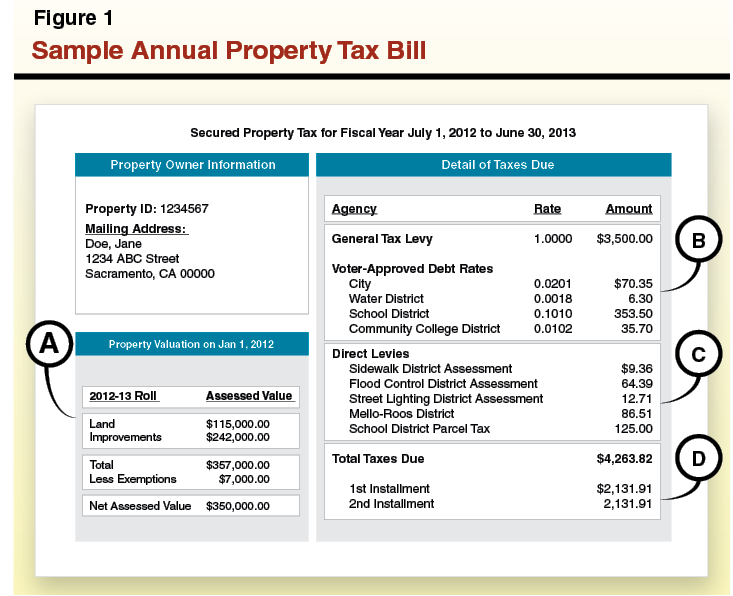
While [Proposition 13] sets the foundational 1% rate, a typical [California] property tax bill is composed of more than just this base. Here’s a breakdown of the components:
- The 1% Base Rate: As mentioned, this is applied to your property’s current assessed value. If you just bought a home, this will be your purchase price.
- Voter-Approved Local Bond Indebtedness: This category includes levies approved by local voters for specific public projects or services. These can be for schools, libraries, parks, or transportation improvements. These bonds are typically spread over many years and are added on top of the 1% base rate. The rates for these bonds vary significantly by county, city, and even specific school or special districts.
- Special Assessments: These are charges for specific local services or improvements that directly benefit your property. Examples include street lighting districts, landscape maintenance districts, sewer service charges, or even local community facilities districts, often referred to as [Mello-Roos] districts. [Mello-Roos] taxes are a common feature in many newer developments across [California], especially in areas like [Irvine], [Rancho Cucamonga], or parts of [Sacramento], where new infrastructure like roads, schools, and parks needed funding. These assessments are usually a fixed amount or a percentage of the property value and are also added to your property tax bill.
So, while the base rate is 1%, the effective property tax rate in [California] can range from approximately 1.1% to 1.5% or even higher, depending on the combination of local bonds and special assessments applicable to a specific property. This variation is key for anyone planning a long-term stay, as it directly impacts the recurring costs of accommodation.
Navigating Regional Differences: Property Tax Across California’s Diverse Locales
The diverse geography and economy of [California] mean that property taxes are not uniform. What you pay in a bustling urban center might differ significantly from a rural retreat.
Urban Havens vs. Coastal Retreats: A Tale of Two Tax Bills
[California]’s real estate market is notoriously diverse, and so are the effective property tax rates.- High-Value Urban Areas: Cities like [San Francisco], [Palo Alto] (in [Silicon Valley]), [Beverly Hills], and [Malibu] boast some of the highest median home prices in the nation. While [Proposition 13] caps annual increases in assessed value, the initial assessed value (purchase price) is often astronomical. Consequently, even with a 1% base rate, the dollar amount paid in property taxes in these areas can be exceptionally high. For instance, a luxury apartment in [San Francisco] or a villa in [Beverly Hills] purchased for several million dollars will incur annual property tax bills in the tens of thousands of dollars, regardless of whether it’s for permanent residence or a high-end vacation rental.
- Coastal Gems and Tourist Hotspots: Popular tourist destinations like [Santa Monica], [Monterey], or [Coronado] also command premium prices, leading to substantial tax bills. Many of these areas might also have specific local assessments to maintain tourist infrastructure, beaches, or historic landmarks, adding to the overall tax burden. This is an important consideration for someone dreaming of a permanent move or acquiring a vacation property in these highly sought-after locations.
- Inland and Developing Regions: Areas further inland, such as parts of the [Central Valley] (e.g., [Fresno], [Bakersfield]) or newer master-planned communities on the outskirts of major metropolitan areas, often have lower initial purchase prices. However, these developing areas might rely more heavily on [Mello-Roos] taxes to fund new infrastructure, which can result in an effective tax rate that, while still moderate in dollar terms compared to urban centers, is a higher percentage of the home’s value than the basic 1%.
For anyone researching long-term accommodation options or investment properties, it is crucial to investigate the specific tax rates for the precise address or area. Online resources from county assessor’s offices are invaluable for this research, providing transparency on the tax components.
Special Assessments and Mello-Roos Districts: What to Look Out For
When planning a lifestyle in [California], especially if it involves property ownership, understanding special assessments like [Mello-Roos] is vital. These districts are prevalent in many attractive residential communities, particularly those built since the mid-1980s.
- What are Mello-Roos Taxes? They are special taxes levied on property within a Community Facilities District (CFD) to finance public services (like police, fire, libraries, parks, and schools) and public facilities (like roads, water, sewage, and drainage). Unlike general property taxes, [Mello-Roos] taxes are directly tied to the property and typically remain in effect for a specified period (e.g., 30-40 years) or until the bonds are repaid. They are often calculated based on factors like square footage of the home, lot size, or unit type, rather than solely on the property’s value.
- Impact on Budgeting: For a family considering a move to a newly developed suburb with excellent schools, the presence of [Mello-Roos] can add several thousand dollars annually to their property tax bill. This is a significant factor in the overall cost of living and must be factored into the budget, especially for those transitioning from areas without such assessments. This also applies to individuals looking to buy property for long-term rental income, as the higher tax burden will impact net returns.
- Disclosure is Key: By law, sellers must disclose the presence of [Mello-Roos] taxes. Prospective buyers should always review the property tax statement (often called a “tax bill” or “property tax roll”) during due diligence to understand all the specific levies applied to a property.
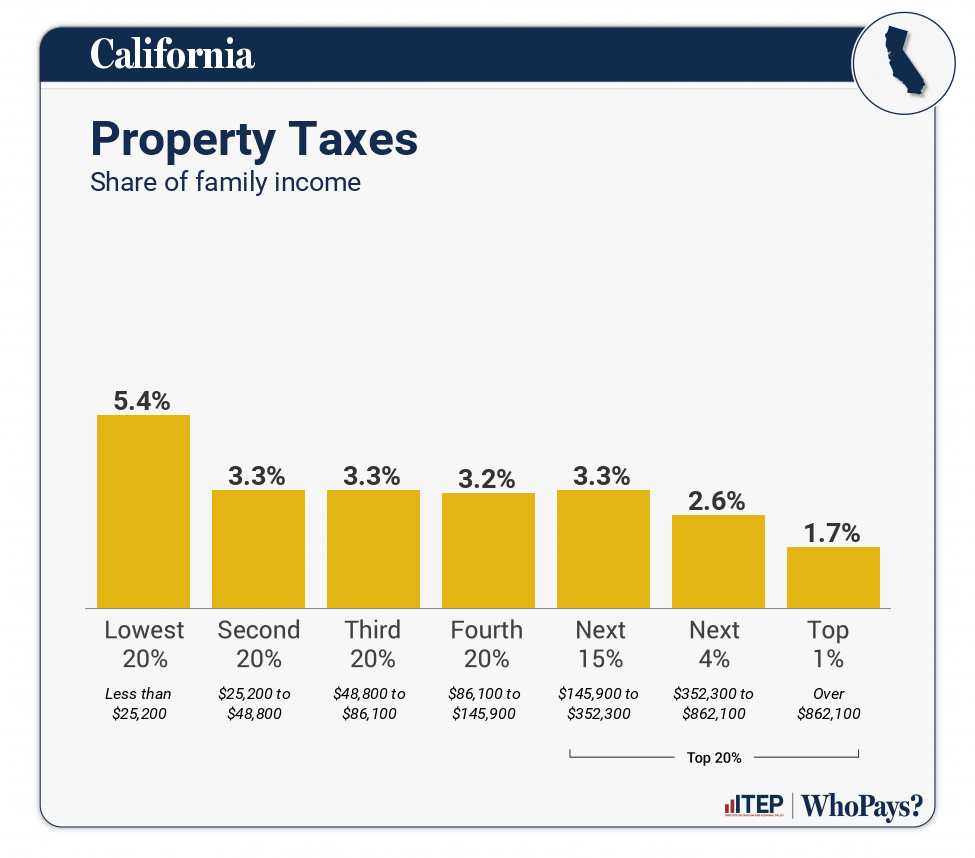
Understanding these additional assessments is crucial for accurately budgeting for property ownership in various [California] locations, from the family-friendly suburbs to emerging lifestyle communities.
Exemptions, Relief Programs, and What They Mean for You
While [California]’s property tax system can seem complex and, at times, costly, the state does offer certain exemptions and relief programs that can help reduce the tax burden for eligible property owners.
The Homeowners’ Exemption: A Small but Significant Break
The most common form of property tax relief in [California] is the Homeowners’ Exemption.
- Eligibility: To qualify, you must own and occupy the property as your principal place of residence as of January 1st. You can only claim one Homeowners’ Exemption in [California].
- Benefit: If eligible, this exemption reduces your property’s assessed value by $7,000. This translates to an annual tax saving of approximately $70 (1% of $7,000) plus a small fraction of any additional voter-approved taxes. While this might seem modest compared to the overall tax bill, it’s a consistent saving that every eligible homeowner should claim.
- How to Apply: You typically apply through your county assessor’s office. Many new homeowners receive an application automatically after their property purchase is recorded.
For someone relocating to [California] for a long-term stay or retirement, claiming this exemption is a straightforward step to reduce annual accommodation costs, however small.
Programs for Seniors and Veterans: Finding Support
[California] also provides specific property tax relief programs for certain demographics, recognizing their unique circumstances.- Senior Citizen Property Tax Postponement Program: This program allows eligible homeowners who are 62 or older (or blind or disabled) to postpone payment of property taxes on their principal residence. The state then places a lien on the property, and the deferred taxes become due when the property is sold, changes ownership, or the homeowner moves out. This can be a lifeline for seniors on fixed incomes who are “house-rich but cash-poor,” enabling them to maintain their lifestyle in their beloved [California] homes without immediate financial strain.
- Veterans’ Exemption: Eligible veterans, or their unmarried surviving spouses, may qualify for a property tax exemption. The basic Veterans’ Exemption is $4,000 of assessed value. However, a much more substantial “Disabled Veterans’ Exemption” is available for veterans who are totally disabled due to service-related injury or disease, or for their unremarried spouses. This exemption can be up to approximately $160,000 of assessed value, adjusted annually for inflation, leading to significant tax savings. This is a vital benefit for those who have served and are looking to enjoy a peaceful retirement or establish a home in [California].
These programs are crucial for fostering diverse communities and supporting those who have contributed significantly. For those exploring long-term accommodation options, understanding these potential savings is an important part of comprehensive financial planning.
Property Tax and Your California Lifestyle: From Vacation Homes to Long-Term Stays
Beyond the raw numbers, property tax in [California] weaves directly into lifestyle choices, investment strategies, and the overall experience of living or vacationing in the state.
Investing in a Golden State Getaway: The Financial Angle
Many dream of owning a slice of [California], whether it’s a cozy bungalow near the beaches of [Orange County], a cabin retreat in the [Sierra Nevada] mountains, or a luxury condominium overlooking [San Francisco] Bay.
- Vacation Rentals: For those looking to invest in a property for personal use and as a vacation rental (e.g., through platforms like Airbnb), property taxes are a fixed, recurring expense that must be factored into the profitability calculations. Higher property taxes in popular tourist destinations will directly impact your net rental income. On the other hand, the stability offered by [Proposition 13] means these costs are predictable year after year, barring a sale.
- Second Homes: For individuals purchasing a second home purely for personal enjoyment, the property tax represents a non-deductible (for federal limits) annual cost of maintaining that lifestyle. The choice of location—from the serenity of [Big Sur] to the vibrant cultural scene of [Oakland]—will dictate the initial property value and thus the tax bill.
- Market Dynamics: [California]’s property market, especially in desirable areas, sees continuous appreciation. While this is beneficial for equity growth, it also means new buyers are entering at higher price points, leading to higher initial property tax payments. This must be weighed against the potential for future appreciation and the enjoyment of the [California] lifestyle.
Understanding the financial commitment, including property taxes, is fundamental to realizing the dream of a [California] property investment, whether for leisure or profit.
Long-Term Accommodation and Budgeting: A Key Consideration
Even if you’re not buying property, but planning a long-term stay, the property tax environment indirectly affects your costs.
- Rental Market Influence: Property owners factor their costs, including property taxes, into rental prices. In areas with high property taxes, landlords are more likely to set higher rents to cover their expenses. This means that a long-term rental in a high-tax area like [Santa Barbara] or [Palo Alto] will likely be more expensive than a comparable property in a lower-tax region, all else being equal.
- Retirement Planning: For retirees considering moving to [California], property taxes are a critical component of their fixed monthly expenses if they plan to purchase a home. The choice between a high-tax, high-amenity urban area and a more affordable, perhaps suburban, community becomes a central part of their retirement lifestyle budgeting.
- Business Stays: Companies offering long-term accommodation for employees on extended business trips in [Silicon Valley] or [Los Angeles] will find that their operational costs are affected by the underlying property tax burden on their corporate housing or serviced apartments.
For anyone spending an extended period in [California], whether for work, retirement, or simply a prolonged exploration of its many wonders, recognizing the impact of property taxes on both ownership and rental markets is essential for effective financial planning and maximizing the enjoyment of their stay.

Essential Tips for Prospective Property Owners and Long-Term Visitors
Navigating the financial landscape of property in [California] requires careful research and proactive planning.
- Always Verify Specific Rates: Never assume. For any property you are interested in, obtain the most recent property tax statement from the county assessor’s office. This document will detail the 1% base rate, any bond indebtedness, and special assessments like [Mello-Roos] taxes.
- Factor in Reassessment: Remember that if you purchase a property, it will be reassessed to the purchase price. Do not rely on the previous owner’s tax bill as an indicator of your future liability.
- Budget for Future Increases: While [Proposition 13] caps assessed value increases at 2% annually, this still means your tax bill will likely increase slightly each year. Factor this into your long-term budget.
- Explore Exemptions: If eligible, apply for the Homeowners’ Exemption or any other veteran or senior relief programs immediately upon taking ownership.
- Seek Professional Advice: For complex situations, such as investment properties or unique family trusts, consult with a real estate attorney or a financial advisor specializing in [California] property.
- Consider Location Carefully: Your choice of city or county for your accommodation, whether owned or rented long-term, will significantly impact your property tax burden, directly influencing your overall lifestyle costs. From the glamour of [Hollywood] to the vineyards of [Napa], the property tax implications vary widely.
In conclusion, property tax in [California] is more than just a line item on a government form; it’s a fundamental aspect of the state’s financial ecosystem that impacts everything from the cost of a luxury resort stay (indirectly through investment and development costs) to the feasibility of a retirement dream home. By understanding its nuances, travelers, investors, and long-term residents can better plan their [California] adventures and ensure their Golden State experience is as rewarding as possible.
LifeOutOfTheBox is a participant in the Amazon Services LLC Associates Program, an affiliate advertising program designed to provide a means for sites to earn advertising fees by advertising and linking to Amazon.com. Amazon, the Amazon logo, AmazonSupply, and the AmazonSupply logo are trademarks of Amazon.com, Inc. or its affiliates. As an Amazon Associate we earn affiliate commissions from qualifying purchases.