
Florida, the Sunshine State, is a magnet for tourists, retirees, and anyone seeking a vibrant lifestyle. From the dazzling beaches of Miami to the theme park thrills of Orlando, and the charming historic streets of St. Augustine, its appeal is undeniable. For many, owning a piece of this paradise is a dream, and understanding the financial commitments, particularly property taxes, is crucial before making that leap. While Florida is known for its favorable tax environment compared to many other states, property taxes are a reality for homeowners. This guide delves into the intricacies of Florida property taxes, helping you understand what to expect and how to navigate this essential aspect of homeownership in the Sunshine State.

Understanding the Florida Property Tax System
Florida property taxes are levied by local government entities – counties, municipalities, and special taxing districts (like school districts or water management districts) – to fund essential public services. Unlike states that have a statewide property tax, Florida‘s system is decentralized. This means that property tax rates can vary significantly from one county to another, and even within different cities or special districts in the same county. The primary driver of these taxes is the need to fund schools, law enforcement, fire services, road maintenance, and other local amenities that contribute to the quality of life for residents, whether they are enjoying the luxury resorts in Palm Beach or the family-friendly atmosphere of a vacation home in Kissimmee.
Key Components of Your Property Tax Bill
Your Florida property tax bill is composed of several key elements, all of which contribute to the final amount you will owe. Understanding these components will provide clarity on how your tax burden is calculated.
Assessed Value of Your Property
The first and most fundamental component is the assessed value of your property. This is the value that the county property appraiser determines your property to be worth for tax purposes. It’s important to note that the assessed value might not always align with the market value, which is what a willing buyer would pay for the property on the open market. The assessment process typically involves a combination of factors, including recent sales of comparable properties in your area, the cost to replace your property, and the income it might generate if it were a rental property (relevant for vacation homes or investment properties).
Property appraisers are required to assess property at 100% of its just value (market value) as of January 1st of each year. However, various exemptions and limitations can affect the taxable value. For instance, if you are a permanent resident of Florida, you are eligible for the Homestead Exemption, which can significantly reduce your property’s assessed value for tax purposes. This exemption is a cornerstone of Florida‘s property tax system, making it more attractive for residents to own their primary homes. The impact of this exemption is profound, especially for those who choose to settle in popular areas like Sarasota or Naples.
Millage Rates
Once the taxable value of your property is determined, it is multiplied by the millage rate. A “mill” is one-tenth of a cent, or $0.001. So, a millage rate of 10 mills means you pay $10 in taxes for every $1,000 of taxable value. Each taxing authority that has the power to levy property taxes (county, city, school district, special districts) sets its own millage rate. These rates are established annually by the respective governing bodies.
The total millage rate applied to your property is the sum of the millage rates set by all the taxing authorities that serve your specific location. This is why a property in one part of Florida can have a different tax bill than an identical property in another, even if their assessed values are the same. For example, the millage rates in a thriving metropolitan area like Tampa might differ from those in a more rural county like Dixie County. When considering investing in property near a popular attraction like Walt Disney World Resort or exploring the vibrant arts scene in Miami, understanding the local millage rates is paramount.
Exemptions and Discounts
Florida offers a variety of property tax exemptions designed to reduce the tax burden for certain individuals and property types. The most common and significant is the Homestead Exemption, which applies to an owner-occupied primary residence. This exemption reduces the assessed value of your home by up to $50,000. There are also additional benefits for seniors and individuals with disabilities.
Other exemptions include those for veterans, widows/widowers, and agricultural land. These exemptions are crucial for making homeownership more affordable and encouraging specific types of land use. For example, a historic home in St. Augustine might be eligible for preservation tax credits, while agricultural land in rural Florida benefits from lower assessments. These provisions reflect Florida‘s commitment to supporting its diverse population and land use practices, from the luxury estates of Boca Raton to the agricultural heartland.
Factors Influencing Property Tax Amounts
The amount of property tax you pay in Florida is not a fixed figure; it is influenced by a dynamic interplay of several factors. Understanding these elements will empower you to better estimate your potential tax liability and identify opportunities for savings.
Location, Location, Location
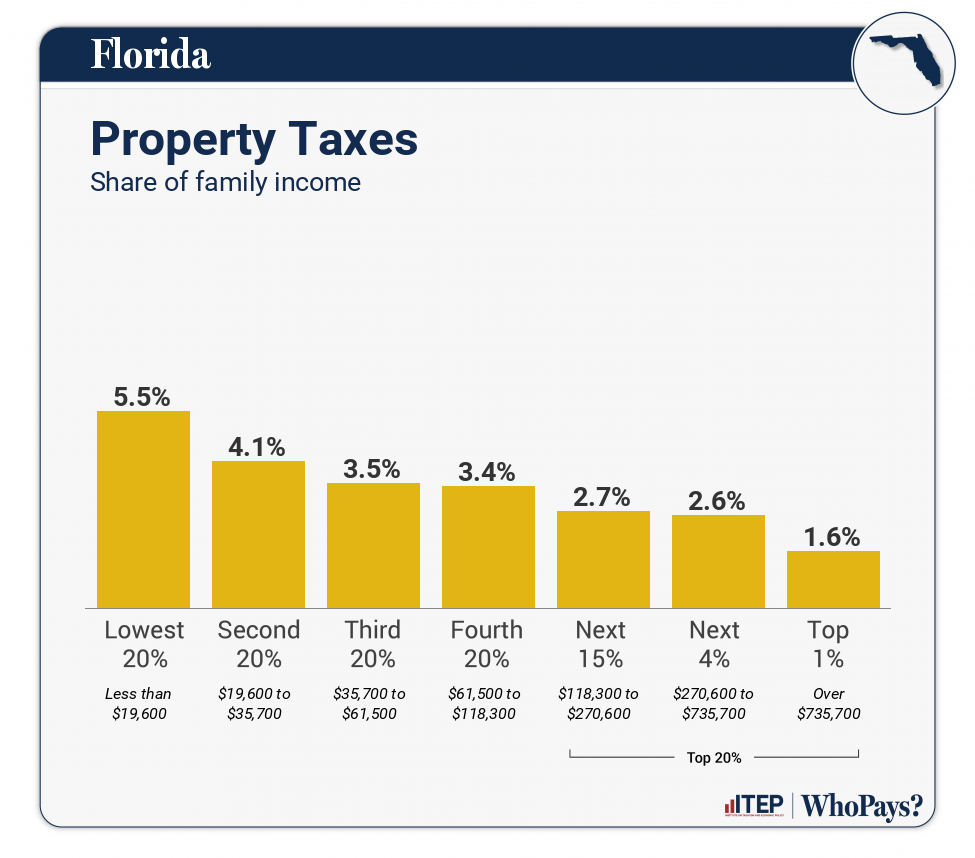
As in real estate, location is paramount when it comes to property taxes. Property tax rates vary considerably across Florida‘s 67 counties and the numerous municipalities within them. These differences are driven by the varying needs and budgets of local governments. A property located in a well-serviced, amenity-rich area might have higher millage rates to fund enhanced services like excellent schools, extensive park systems, or robust public safety departments. Conversely, areas with fewer public services might have lower rates.
For instance, the property tax rates in a bustling coastal city like Fort Lauderdale might be higher than those in a more sparsely populated inland county. Similarly, areas that are home to major tourist attractions, such as the theme parks surrounding Orlando or the vibrant nightlife of Miami Beach, may have higher millage rates to support the infrastructure and services required for a large influx of visitors. When planning a stay at a resort in Key West or considering a long-term rental in Clearwater, it’s essential to research the specific tax implications for that locality.
Property Type and Use
The type of property you own and how you use it also play a role in determining your property tax. Residential properties, especially those that qualify for the Homestead Exemption, generally receive preferential tax treatment. Commercial properties, vacation rentals, and vacant land are typically assessed and taxed differently.
For example, a property used as a short-term vacation rental in Destin or Panama City Beach might be subject to different assessment methods and potentially higher tax rates compared to a primary residence in the same area. This is because such properties are often viewed as income-generating assets. The classification of your property by the county property appraiser – whether it’s a single-family home, a condominium in Miami’s Brickell district, a luxury villa in Orlando, or a commercial space in Jacksonville – will directly influence its assessed value and, consequently, its tax bill.
Changes in Property Value and Local Budgets
Property tax assessments are not static. The value of your property can change over time due to market fluctuations, improvements you make to the property, or new developments in the surrounding area. County property appraisers conduct annual assessments, and if your property’s value increases, your taxable assessment will likely rise as well, assuming no exemptions offset the increase.
Furthermore, local governments periodically review their budgets and may adjust millage rates to meet financial obligations or fund new initiatives. A significant increase in the cost of public services, such as rising pension costs for first responders or the need for new infrastructure projects, could lead to an increase in millage rates. Conversely, efficient fiscal management or increased revenue from other sources might allow for millage rate reductions. Staying informed about local government meetings and budget proposals can provide insights into potential future tax changes, whether you are a resident of Tallahassee or a snowbird with a winter home in Punta Gorda.
Estimating Your Florida Property Tax
While a precise calculation requires specific property details and current local millage rates, you can develop a strong estimate of your Florida property tax liability. This estimation process is crucial for budgeting, especially when considering purchasing property in popular tourist destinations or retirement havens.
Utilizing Online Property Tax Estimators
Many Florida county property appraiser websites offer online tools that can help you estimate property taxes. These tools typically allow you to input an address or parcel identification number, and they will retrieve the property’s current assessed value, any applicable exemptions, and the relevant millage rates for your area. By combining this information, the tool can generate an estimated tax bill. These estimators are invaluable for potential buyers who are exploring different neighborhoods or even different cities, such as comparing taxes in the bustling entertainment hub of Orlando to the more laid-back coastal town of Sanibel Island.
Calculating a Rough Estimate Manually
For a rough manual estimate, you can follow these steps:
- Determine the Property’s Estimated Market Value: Research recent sales of comparable properties in the area. Real estate websites and local real estate agents can be helpful resources.
- Identify Applicable Exemptions: The most common is the Homestead Exemption for primary residences. Other exemptions may apply. Research these on your county property appraiser’s website.
- Calculate the Taxable Value: Subtract the value of any applicable exemptions from the property’s assessed value (which is often close to market value for initial estimates).
- Find the Total Millage Rate: Obtain the combined millage rate for your property’s location. This information is usually available on the county property appraiser’s website or through the tax collector’s office. Remember, the millage rate is expressed in mills (per $1,000 of taxable value).
- Calculate the Estimated Tax: Multiply the taxable value by the total millage rate (expressed as a decimal). For example, if the taxable value is $200,000 and the millage rate is 15 mills (or 0.015), the estimated tax would be $200,000 * 0.015 = $3,000.
This manual calculation is a good starting point for understanding potential costs, whether you are considering a winter retreat in Vero Beach or an investment property near the theme parks of Orlando.

Seeking Professional Advice
For the most accurate understanding of your Florida property tax obligations, especially if you are considering a significant investment such as purchasing a vacation home, a luxury condominium, or even a commercial property for tourism-related businesses, consulting with a local real estate agent or a tax professional is highly recommended. They can provide tailored advice based on your specific situation and the nuances of the local tax laws in areas like St. Petersburg, Tampa, or the exclusive enclaves of Palm Beach. They can also guide you through the process of applying for exemptions and understanding potential tax implications for rental income if you plan to use your property for short-term or long-term rentals. This professional guidance is invaluable, whether you’re drawn to the vibrant culture of Miami, the serene beauty of the Florida Keys, or the family-friendly attractions of Orlando.
By thoroughly understanding these aspects, prospective and current property owners in Florida can make informed decisions and effectively manage their financial commitments in the Sunshine State. From the bustling streets of Miami to the quiet charm of Amelia Island, Florida offers diverse living experiences, and understanding property taxes is a vital part of enjoying them to the fullest.
LifeOutOfTheBox is a participant in the Amazon Services LLC Associates Program, an affiliate advertising program designed to provide a means for sites to earn advertising fees by advertising and linking to Amazon.com. Amazon, the Amazon logo, AmazonSupply, and the AmazonSupply logo are trademarks of Amazon.com, Inc. or its affiliates. As an Amazon Associate we earn affiliate commissions from qualifying purchases.