
Navigating the financial intricacies of a visit to New York City often involves understanding various costs, and a significant component for many travelers is sales tax. While New York City is renowned for its iconic landmarks, vibrant culture, and world-class dining, a clear comprehension of its sales tax structure is essential for budgeting and making informed purchasing decisions. This guide aims to demystify the sales tax in New York City, providing travelers with the clarity they need to manage their expenses effectively, whether they’re shopping for souvenirs, dining out, or indulging in the many experiences the city offers.
Understanding the Components of New York City Sales Tax
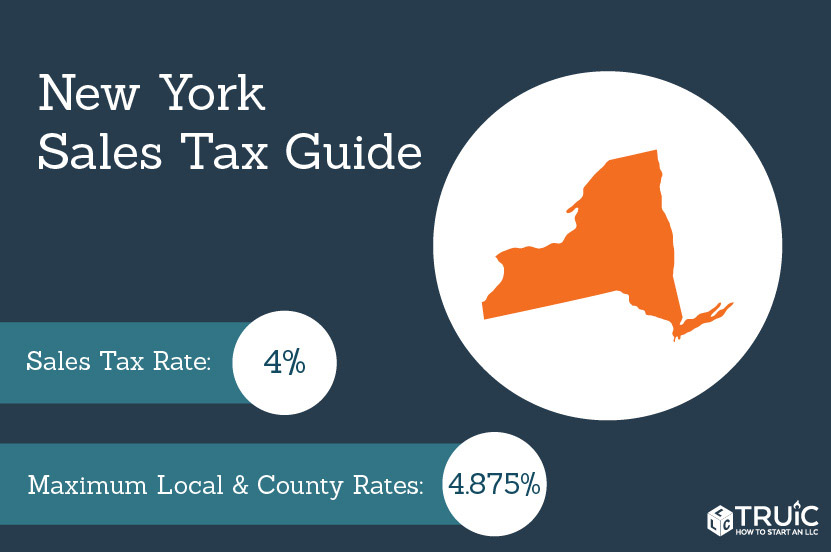
The sales tax applied in New York City is not a single, unified rate. Instead, it’s a composite of taxes levied by different governmental bodies. This layered taxation system can sometimes lead to confusion, but by breaking it down, it becomes much more manageable. The primary contributors to the overall sales tax rate are the state, the city, and, in some cases, metropolitan transportation district taxes. Understanding these individual components is the first step to grasping the total tax burden on your purchases.
The State Sales Tax
The foundation of sales tax in New York City is the New York State sales tax. This is a baseline rate that applies across the entire state. While the exact percentage can fluctuate slightly over time due to legislative changes, it forms the bedrock upon which other local taxes are added. For most taxable goods and services, the state sales tax is a fixed percentage that every consumer in New York must account for. It’s important to note that certain goods and services are exempt from state sales tax, such as most groceries and prescription medications, but for the majority of retail purchases made by tourists, this rate will be applicable.
The Metropolitan Commuter Transportation District (MCTD) Sales Tax
Beyond the state tax, purchases within the metropolitan area are subject to an additional tax to support public transportation. This tax is part of the Metropolitan Commuter Transportation District (MCTD) surcharge. This specific tax is critical to understanding the combined rate in New York City and surrounding areas. The revenue generated from this tax is specifically allocated towards the upkeep and improvement of the region’s extensive public transit system, which includes the iconic New York City subway and bus network.
The City Sales Tax
Perhaps the most significant contributor to the total sales tax in New York City, besides the state tax, is the city-specific sales tax. This tax is levied by the City of New York itself and is added on top of the state and MCTD taxes. The city sales tax is a direct reflection of the local government’s revenue needs, funding a wide array of municipal services that contribute to the unique character and functionality of the metropolis. This city tax, when combined with the state and MCTD taxes, results in the final, comprehensive sales tax rate that consumers encounter when making purchases within the five boroughs.
The Current Combined Sales Tax Rate in New York City
When all the individual tax components are aggregated, New York City boasts one of the higher sales tax rates among major U.S. cities. This combined rate directly impacts the final price of most retail goods and services. Understanding this overall percentage is crucial for budgeting for everything from a Broadway show ticket to a meal at a renowned restaurant or a splurge at a boutique on Fifth Avenue.
The Standard Rate for Most Taxable Goods and Services
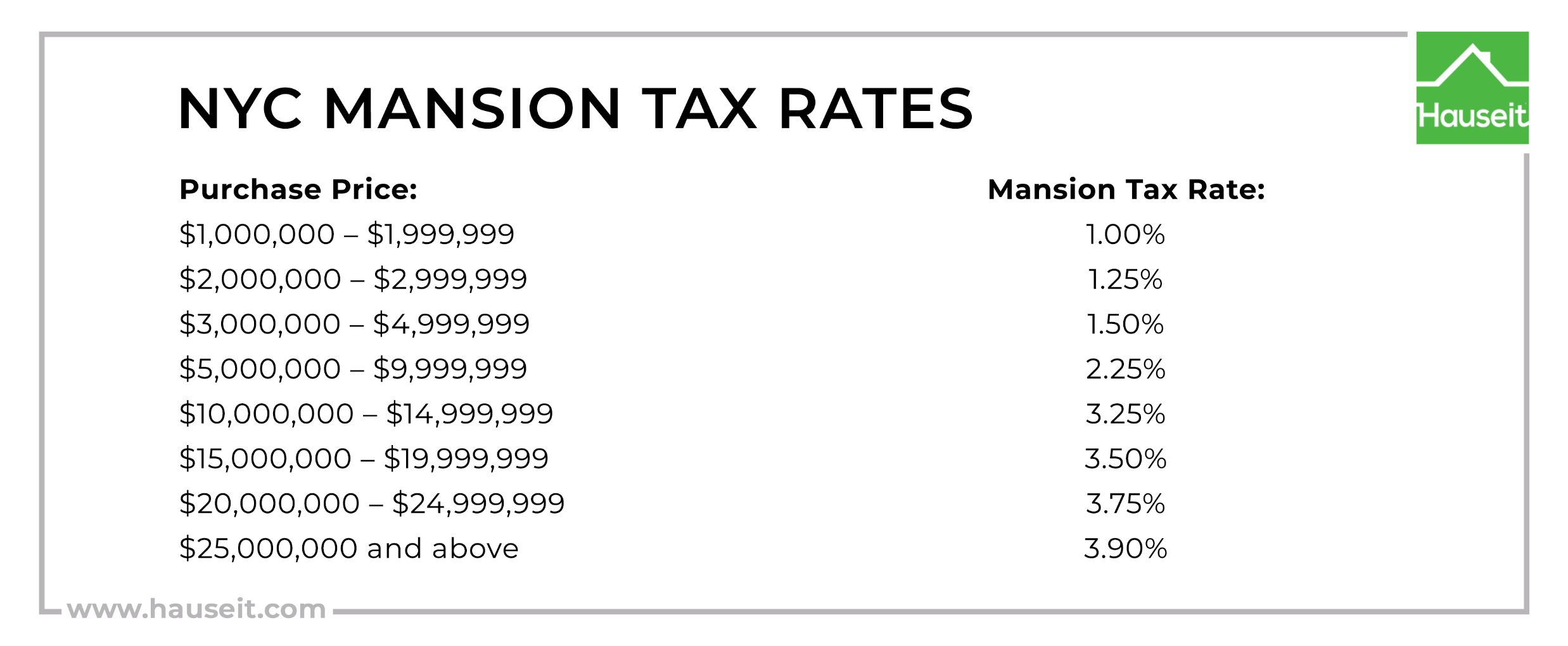
For the vast majority of taxable goods and services purchased in New York City, the combined sales tax rate is a significant figure. This rate is not static and can be subject to legislative amendments, making it advisable to be aware of any recent changes. However, as of the current understanding, the standard combined rate is a substantial percentage. This rate applies to a wide range of items, including clothing (above a certain price threshold), electronics, souvenirs, restaurant meals, and hotel stays. For instance, when purchasing a new gadget or a piece of designer clothing, this combined rate will be added to the listed price. This is the figure most often referenced when discussing the cost of everyday shopping in the city.
Rates for Specific Items and Locations
While a standard rate applies to most transactions, there are nuances and exceptions that can affect the final sales tax applied. Certain items might be taxed at different rates, or some areas might have slightly different tax structures, though for the most part, the New York City rate is uniform across its boroughs. For example, clothing and footwear priced at $110 or more are subject to the full sales tax rate, while items below this threshold may be exempt from the city and state portions, though this exemption is complex and generally applies to the state tax only. Furthermore, some specific districts or types of services might have unique tax considerations. It is always prudent to check the final bill or inquire with the vendor if you are unsure about the applicable tax rate for a particular purchase.
Sales Tax Exemptions and What They Mean for Travelers
Fortunately for visitors, certain goods and services are exempt from sales tax, offering a slight reprieve from the overall tax burden. Understanding these exemptions can help travelers save money and make more strategic purchasing decisions during their visit to New York City. These exemptions are primarily designed to either encourage specific types of purchases or provide relief on essential goods.
Exempt Goods and Services
Several categories of goods and services are generally exempt from New York City sales tax. The most common exemption for travelers pertains to food and beverages consumed off-premises. This means that most groceries purchased at a supermarket, such as produce, dairy, and packaged goods, are typically not subject to sales tax. However, prepared foods, such as those bought from a deli or restaurant for immediate consumption, are usually taxable. Another significant exemption is for clothing and footwear under a certain price threshold, though as mentioned, items over $110 are taxed. Prescription medications are also universally exempt. For travelers planning to cook some meals in their New York City accommodation or seeking out affordable, non-prepared food options, these exemptions can lead to noticeable savings.
Tax-Exempt Purchases for Tourists
While New York City does not offer a general “tourist exemption” that allows visitors to reclaim sales tax on all purchases like some other destinations, there are specific scenarios where tax might not apply or where goods intended for export might be handled differently. For instance, if a significant purchase is being shipped directly to an out-of-state address, it may be exempt from New York sales tax. This often applies to larger items like furniture or appliances, but it’s essential to confirm this with the retailer at the point of sale, as policies can vary. For most typical tourist purchases like souvenirs, clothing, and dining, the standard sales tax will apply. Understanding this distinction is key to managing expectations about potential tax savings.
Planning Your Budget: Tips for Travelers
To make the most of your New York City adventure, integrating sales tax into your budget is a fundamental step. By anticipating these costs, you can avoid surprises and allocate your funds more effectively towards experiencing all that the city has to offer, from its world-class museums like the Metropolitan Museum of Art to its vibrant culinary scene and theatrical performances on Broadway.
Estimating Costs on Purchases
The simplest way to estimate the total cost of a purchase is to add the applicable sales tax to the pre-tax price. Knowing the current combined rate in New York City, which is a substantial percentage, means that a $100 item will realistically cost more than $100. For example, if the combined rate is 8.875%, a $100 purchase will end up costing approximately $108.88. Many modern point-of-sale systems will automatically calculate this for you, but having a general understanding allows for quicker mental calculations when browsing shops or considering a meal. It’s always a good practice to mentally round up or use a calculator on your phone if you want a precise figure before committing to a purchase.
When to Seek Clarity on Tax Rates
If you are making a significant purchase, engaging in a transaction involving multiple items with varying tax statuses, or if you are in doubt about whether a particular service or item is taxable, it is always best to ask. Retail staff are generally accustomed to answering questions about sales tax. You can politely inquire, “Could you please confirm the total price including tax for this item?” or “Is this item subject to sales tax?” This proactive approach can prevent misunderstandings and ensure you have an accurate picture of your expenditure. Many businesses will also clearly display their tax registration and the rates they apply, though direct inquiry is often the most efficient way to get immediate clarification for your specific transaction.
LifeOutOfTheBox is a participant in the Amazon Services LLC Associates Program, an affiliate advertising program designed to provide a means for sites to earn advertising fees by advertising and linking to Amazon.com. Amazon, the Amazon logo, AmazonSupply, and the AmazonSupply logo are trademarks of Amazon.com, Inc. or its affiliates. As an Amazon Associate we earn affiliate commissions from qualifying purchases.