
While the allure of California often conjures images of sun-drenched beaches, towering redwoods, and the glittering lights of Hollywood, the Golden State also grapples with a significant financial reality: its debt. Understanding the scale of this debt is crucial for residents and anyone interested in the economic health of this influential U.S. state. This article delves into the intricacies of California’s financial obligations, exploring its various components and offering a comprehensive overview of its fiscal standing.
Unpacking California’s Financial Obligations
When discussing the “debt” of a state like California, it’s important to recognize that this isn’t a single, monolithic figure. Instead, it’s a complex web of liabilities that can be categorized into several key areas. These include general obligation bonds, revenue bonds, unfunded pension liabilities, and unfunded other post-employment benefits. Each of these represents a financial commitment that the state has made or will need to address in the future.
General Obligation Bonds: Funding Infrastructure and Major Projects
General obligation (GO) bonds are arguably the most straightforward form of state debt. These are bonds that are backed by the full faith and credit of the State of California. This means that the state government has the legal authority to tax its citizens to repay these bonds. GO bonds are typically issued to finance specific public projects, such as infrastructure improvements, school construction, or environmental protection initiatives. For instance, voters might approve a proposition that authorizes the sale of GO bonds to fund repairs to state highways or to build new parks in cities like Los Angeles or San Francisco.
The total amount of outstanding GO debt fluctuates as new bonds are issued and existing ones are repaid. These bonds often have long repayment periods, stretching over decades. While they provide essential funding for public amenities that enhance the quality of life for residents and attract tourists to California’s diverse attractions, they also represent a significant long-term financial commitment. The state’s ability to manage this debt effectively is a key indicator of its fiscal responsibility. Citizens often have a direct say in authorizing GO bond measures through statewide referendums, ensuring a degree of democratic oversight over these substantial financial decisions. The interest paid on these bonds is also a considerable expenditure within the state’s annual budget.
Revenue Bonds: Projects Tied to Specific Income Streams
Revenue bonds, while also a form of borrowing, differ from general obligation bonds in how they are repaid. Instead of being backed by the state’s general taxing power, revenue bonds are secured by the income generated from the specific projects or facilities they finance. For example, bonds issued to build or improve a state toll road would be repaid from the tolls collected on that road. Similarly, bonds for a new stadium or a port facility would be repaid from the revenue generated by those entities.
This structure means that the repayment of revenue bonds is contingent on the financial success of the underlying project. If the revenue stream is insufficient, the bondholders might not be fully repaid. However, this method allows the state to finance projects that might not be feasible through general obligation bonds, often because they generate their own dedicated funding. This approach is common for large-scale infrastructure projects, such as those managed by the California Department of Transportation or the California State Water Project. The diverse economic activities within California, from its thriving tech industry in Silicon Valley to its agricultural heartland, contribute to the potential revenue streams for such projects.
Unfunded Pension Liabilities: A Long-Term Challenge
One of the most significant and often discussed components of California’s financial picture is its unfunded pension liabilities. These liabilities represent the difference between the promised future pension benefits for state employees and retirees and the assets currently set aside to pay those benefits. Over the years, various factors have contributed to the growth of these unfunded liabilities, including investment performance shortfalls, changes in actuarial assumptions, and periods of underfunding.
The state’s public pension systems, such as the California Public Employees’ Retirement System (CalPERS) and the California State Teachers’ Retirement System (CalSTRS), are responsible for managing these pension funds. While these systems are designed to provide financial security for retired public servants, the unfunded portion represents a future obligation that the state must address. Addressing these liabilities involves making higher contributions to the pension funds, potentially adjusting future benefit levels, or seeking other fiscal solutions. The ongoing management of these pension obligations is a critical aspect of California’s long-term financial stability and influences the state’s budget for decades to come, impacting its capacity to invest in other areas like education or tourism infrastructure.
Unfunded Other Post-Employment Benefits (OPEB): Beyond Pensions
Similar to pension liabilities, unfunded Other Post-Employment Benefits (OPEB) represent another significant financial commitment for the state. OPEB typically includes healthcare benefits and other forms of post-employment compensation promised to former employees, often retirees. While pensions cover retirement income, OPEB focuses on ongoing benefits provided after an individual leaves public service.
The state of California, like many other governments, has made commitments to provide these benefits without adequately funding them in advance. As the number of retirees eligible for these benefits grows, so does the unfunded liability associated with them. This creates a future financial strain on the state budget, as it will need to allocate funds to cover these costs. Managing OPEB liabilities requires careful planning and, often, difficult policy decisions. These can include measures to reduce the long-term cost of healthcare benefits or to establish dedicated trust funds to pre-fund these obligations. The focus on California’s financial health extends beyond just its immediate debts to these long-term, less visible obligations that will shape its fiscal future.
The State of California’s Overall Debt Picture
Estimating the exact total debt of the State of California can be challenging due to the various accounting methods and reporting standards used. However, various financial reports and analyses provide a comprehensive understanding of the scale of its obligations. These often include figures for outstanding bonds, unfunded pension and OPEB liabilities, and other potential claims on the state’s resources.
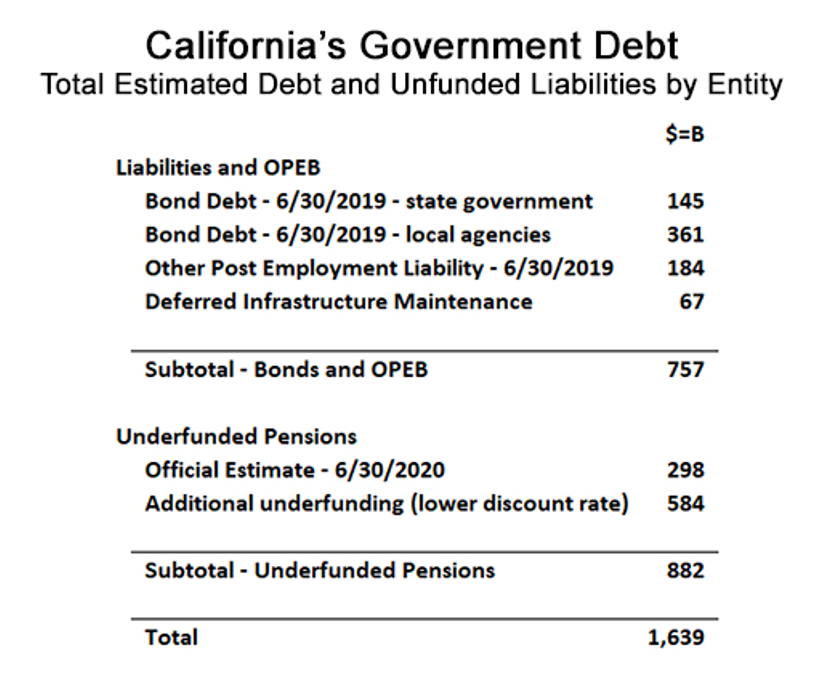
Official reports from the California State Treasurer and the Legislative Analyst’s Office are primary sources for this information. These agencies track the issuance and repayment of bonds, monitor the financial health of pension funds, and project future liabilities. The total debt figure is not static; it changes annually as the state issues new debt, repays existing obligations, and its unfunded liabilities fluctuate based on economic conditions and actuarial valuations. It’s crucial to consider both the “on-budget” debt (like GO bonds) and the “off-budget” or unfunded liabilities when assessing the state’s true financial burden. A healthy economy, strong tax revenues, and prudent fiscal management are all essential for California to effectively manage its debt and maintain its financial stability, ensuring it can continue to invest in its world-renowned attractions and services.
Factors Influencing California’s Debt Levels
Several macroeconomic and policy-driven factors contribute to California’s debt levels. Understanding these influences provides context for the state’s financial situation and its ongoing efforts to manage its obligations.
Economic Cycles and Revenue Volatility
California’s economy is one of the largest in the world, driven by sectors like technology, entertainment, and agriculture. However, this economic dynamism also leads to revenue volatility. During economic booms, tax revenues, particularly from income and capital gains taxes, tend to surge. Conversely, during recessions, these revenues can decline sharply. This fluctuation makes long-term budget planning challenging and can lead to periods where the state might need to borrow more to cover expenses or bridge revenue gaps. For instance, a downturn might impact tourism revenue, affecting businesses from luxury resorts in Napa Valley to boutique hotels in San Diego. The state’s reliance on progressive income taxes means that its revenue is particularly sensitive to the performance of high earners and the stock market, which are key drivers of sectors concentrated in places like Los Angeles and San Francisco.
Policy Decisions and Spending Commitments
State government policy decisions play a direct role in shaping debt levels. The decision to issue bonds for infrastructure projects, to fund public education, or to expand social services all have financial implications. Furthermore, voter-approved initiatives and legislative actions can create new spending commitments or increase existing ones, which may require borrowing if not fully funded by current revenues. The state’s commitment to robust public services, from higher education at institutions like the University of California system to environmental programs, often necessitates substantial financial outlays. Balancing these important policy objectives with fiscal prudence is a constant challenge for California’s policymakers. The allure of its lifestyle and natural beauty is supported by significant public investment, which in turn influences its financial obligations.
Interest Rates and Investment Returns
The cost of borrowing and the returns on invested pension funds are critical factors influencing the state’s debt burden. When interest rates are low, the cost of issuing new bonds is reduced, making it cheaper for the state to finance its projects. Conversely, rising interest rates increase the cost of debt servicing. Similarly, the performance of the stock market and other investments held by pension funds directly impacts the unfunded status of those liabilities. Strong investment returns can help reduce the unfunded pension gap, while poor performance can exacerbate it. For example, a thriving stock market might benefit the investment portfolios of funds supporting employees of major attractions like Disneyland Resort or hotels in Las Vegas, though Las Vegas is in Nevada. The interplay of these financial market dynamics is a key consideration in California’s long-term financial planning.
Managing California’s Debt: Strategies and Outlook
The State of California employs various strategies to manage its debt and address its long-term financial obligations. The goal is to ensure fiscal sustainability while continuing to provide essential services and invest in the state’s future.
Fiscal Discipline and Budgetary Controls
Maintaining fiscal discipline is paramount. This involves careful budgeting, prioritizing spending, and implementing controls to prevent excessive expenditure. The state regularly reviews its budget and makes adjustments as needed, especially in response to economic shifts. For instance, during periods of budget surplus, the state may choose to pay down debt or increase its reserves. Conversely, during downturns, it may implement spending cuts or defer certain projects. The annual budget process, involving the governor and the legislature, is a critical mechanism for these decisions. This fiscal prudence is vital for maintaining confidence among investors and ensuring the state’s ability to fund its diverse attractions and services, from the beaches of Southern California to the wine country of Northern California.
Pension Reform and OPEB Strategies
Addressing the unfunded pension and OPEB liabilities is a long-term endeavor. Reforms have been implemented over the years to slow the growth of these liabilities, such as adjusting pension formulas for new employees and increasing employer contributions. For OPEB, strategies often focus on pre-funding these benefits through dedicated trust funds or negotiating more sustainable healthcare plans for retirees. These reforms are often complex and involve collaboration between the state, employee unions, and pension fund administrators. The aim is to strike a balance between fulfilling the state’s commitments to its employees and retirees and ensuring the long-term fiscal health of California.
Economic Growth and Revenue Generation
Ultimately, a strong and growing economy is the most effective tool for managing debt. California’s vibrant economy generates significant tax revenues, which are essential for servicing its debt and funding public services. Policies aimed at fostering economic growth, innovation, and job creation are therefore indirectly related to debt management. Investments in education, infrastructure, and a favorable business climate can all contribute to sustained economic prosperity, which in turn enhances the state’s capacity to manage its financial obligations and continue to be a desirable destination for tourists and residents alike, whether they are visiting landmarks like the Golden Gate Bridge or exploring the natural wonders of Yosemite National Park.
In conclusion, while the State of California carries a substantial debt, it is a complex picture involving various types of obligations. Through a combination of fiscal discipline, strategic reforms, and efforts to foster economic growth, the state continues to navigate its financial landscape, aiming to balance its commitments with the ongoing needs and aspirations of its citizens and visitors.