
New York City, a global epicenter of culture, commerce, and unparalleled experiences, beckons millions of visitors and residents each year. From the dazzling lights of Times Square to the serene pathways of Central Park, the city offers a tapestry of destinations and attractions that are truly iconic. However, amidst the excitement of planning a trip or considering a move to the Big Apple, one crucial aspect often warrants closer attention: the intricate world of taxes. Understanding “how much is the tax in New York City” is not merely a matter of financial curiosity; it’s an essential element of budgeting for travel, accommodation, and maintaining a comfortable lifestyle within its vibrant boroughs.
The tax structure in New York City is layered and comprehensive, impacting nearly every facet of spending, from a simple cup of coffee to luxury retail purchases, hotel stays, and even long-term residential costs. For tourists, being aware of sales tax on goods, dining, and the specific hotel occupancy tax is paramount to avoiding unexpected expenses. For those considering making New York City their home, grappling with state and city income taxes, as well as property taxes, becomes a significant part of financial planning. This comprehensive guide aims to demystify the various taxes you’ll encounter in New York City, providing clarity and practical insights for both short-term visitors and long-term residents. By shedding light on these often-overlooked financial details, we hope to empower you to navigate the city’s economic landscape with confidence, ensuring your New York City adventure or residency is as smooth and enjoyable as possible.
Navigating the Tax Landscape of New York City
The financial ecosystem of New York City operates on a multi-tiered tax system, a common characteristic in the United States. This means that taxes are levied at three primary levels: the Federal government, New York State, and New York City itself. Each layer contributes to the overall tax burden, and understanding their individual components is key to comprehending the full financial picture.
For instance, when you make a purchase, dine out, or book a hotel room, you’re likely paying a combination of state and city sales or occupancy taxes. Similarly, earned income is subject to Federal income tax, then a separate New York State income tax, and finally an additional New York City income tax for residents. This complex interplay of governmental levies makes New York City one of the higher-taxed areas in the country, but it also funds the extensive public services, infrastructure, and cultural institutions that make the city so dynamic and attractive. Navigating these layers effectively is crucial for accurate budgeting, whether you’re here for a weekend getaway or a lifetime.
Essential Taxes for Visitors and Tourists
For the millions who visit New York City annually, understanding the taxes directly impacting their travel expenses is vital. These are the taxes that will most commonly appear on receipts from shopping, dining, and particularly, from your accommodation.
Sales Tax: What You Pay for Goods and Dining
The most ubiquitous tax visitors will encounter is sales tax. In New York City, the combined sales tax rate is currently 8.875%. This figure is a summation of the New York State sales tax (4%), the New York City local sales tax (4.5%), and a Metropolitan Commuter Transportation District (MTA) surcharge (0.375%).
This tax applies to most retail purchases, including souvenirs, electronics, and general merchandise. If you’re planning a shopping spree down Fifth Avenue, through the trendy boutiques of SoHo, or simply grabbing groceries at a local market, this tax will be added to your total.
Key exemptions to note:
- Clothing and Footwear: One of the most significant exemptions for shoppers is on clothing and footwear items. Individual items of clothing or footwear priced under $110 are exempt from New York State and New York City sales tax. This means if you buy a shirt for $100, you pay no sales tax on that specific item. However, if you purchase a designer coat for $500, the entire amount is subject to the 8.875% sales tax. This exemption can lead to significant savings for budget-conscious shoppers.
- Unprepared Food: Most unprepared food items purchased at grocery stores, such as fresh produce, meats, and dairy, are generally exempt from sales tax. However, prepared foods, hot foods, and restaurant meals are fully taxable at the 8.875% rate. This includes everything from a bagel at a deli to a gourmet dinner in a Michelin-starred restaurant.
Understanding these nuances can help you make informed decisions, whether you’re dining in Greenwich Village or browsing art galleries.
Hotel Occupancy Tax: A Major Accommodation Cost
For anyone staying overnight in New York City, the hotel occupancy tax will be a significant addition to their accommodation bill. This tax is applied to rooms in hotels, motels, apartments rented short-term, and other temporary living spaces.
The combined hotel occupancy tax rate typically hovers around 14.75% plus an additional fee of $1.50 per night (known as the Javits Center fee). This rate is composed of a New York State sales tax portion (4%), a New York City hotel occupancy tax (5.875%), and the general New York City sales tax (4.5% + 0.375% MTA surcharge).
For example, if you book a hotel room at The St. Regis New York for $500 per night, you would pay an additional approximately $73.75 in taxes (14.75% of $500) plus the $1.50 Javits Center fee, totaling roughly $75.25 in taxes per night. Even for a more budget-friendly boutique hotel in DUMBO or a stay at a Grand Hyatt Hotel in Midtown Manhattan, these taxes can quickly add up, especially for multi-night stays or bookings at luxury resorts. It’s crucial to factor this into your travel budget to avoid sticker shock upon checkout.
Entertainment and Transportation Taxes
Beyond shopping and lodging, visitors will also encounter taxes on their leisure activities and movement around the city.
- Entertainment Tax: Tickets for Broadway shows, concerts at iconic venues like Radio City Music Hall or Madison Square Garden, and sporting events are typically subject to New York State sales tax. This means the price you see advertised for a ticket might not be the final price you pay. Always check for added fees and taxes when purchasing tickets.
- Transportation Tax: While the subway and public buses generally have straightforward fares, other forms of transportation can incur additional taxes or fees. Bridge and tunnel tolls, such as those for the George Washington Bridge, Lincoln Tunnel, or Holland Tunnel, add to travel costs, especially when driving in and out of the city. Ride-sharing services like Uber and Lyft often include various state and city surcharges, taxes, and airport access fees (e.g., from JFK Airport or LaGuardia Airport), which can significantly increase the total fare.
Taxes for Residents and Those Considering a Move
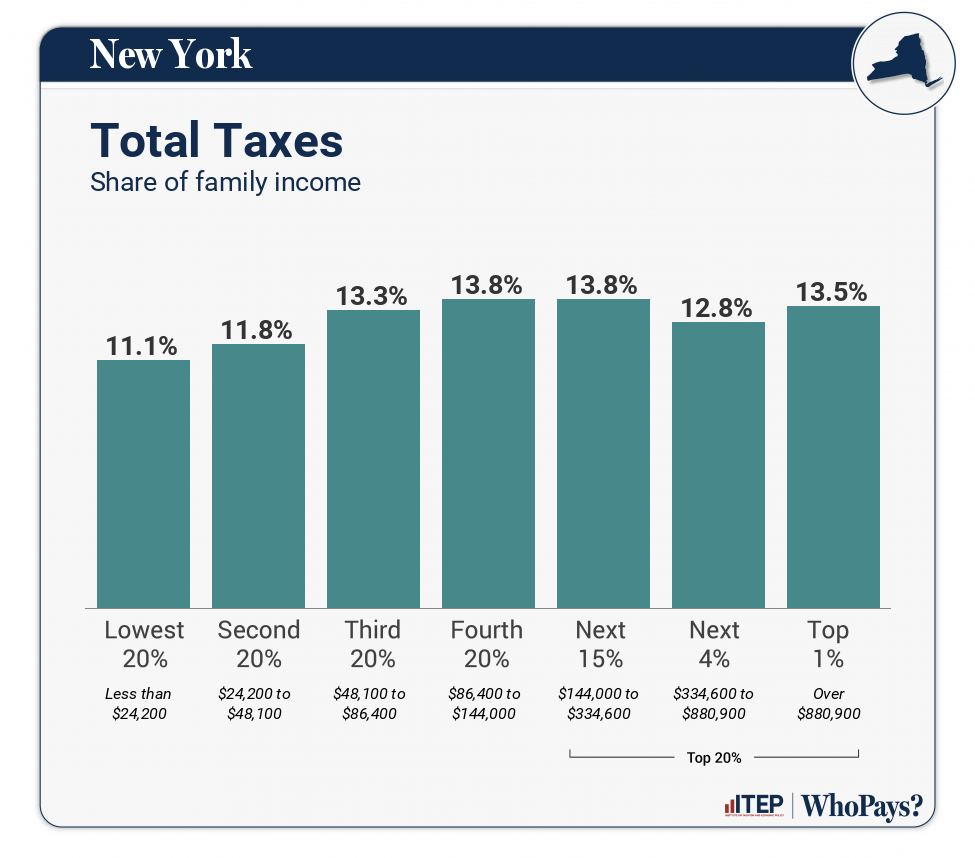
For individuals planning a longer stay, relocation, or establishing a permanent lifestyle in New York City, the tax landscape expands considerably beyond visitor-centric levies. Understanding these taxes is crucial for comprehensive financial planning.
Income Tax: State and City Levies
One of the most significant taxes for residents is income tax, levied at both the state and city levels, in addition to Federal income tax.
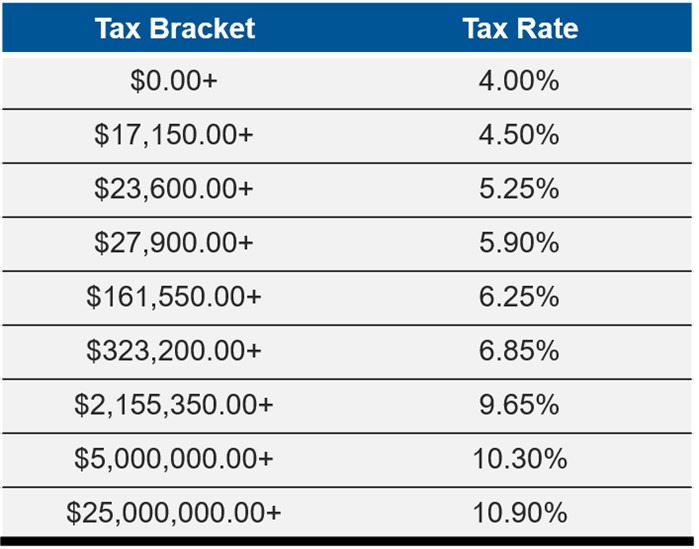
- New York State Income Tax: New York State imposes a progressive income tax, meaning higher earners pay a higher percentage of their income in taxes. Rates can range from around 4% for lower income brackets to over 10% for the highest earners.
- New York City Income Tax: Residents of New York City are subject to an additional layer of income tax, also progressive, on top of the state tax. These rates typically range from approximately 3% to nearly 4% for top earners. This dual state and city income tax structure means that a significant portion of a resident’s earnings can be allocated to taxes, a factor that heavily influences the cost of living and attracts consideration for those contemplating business stays or permanent residency.
Property Tax: Homeownership and Rental Implications
Property taxes are a cornerstone of municipal funding in New York City and impact everyone, whether they own or rent.
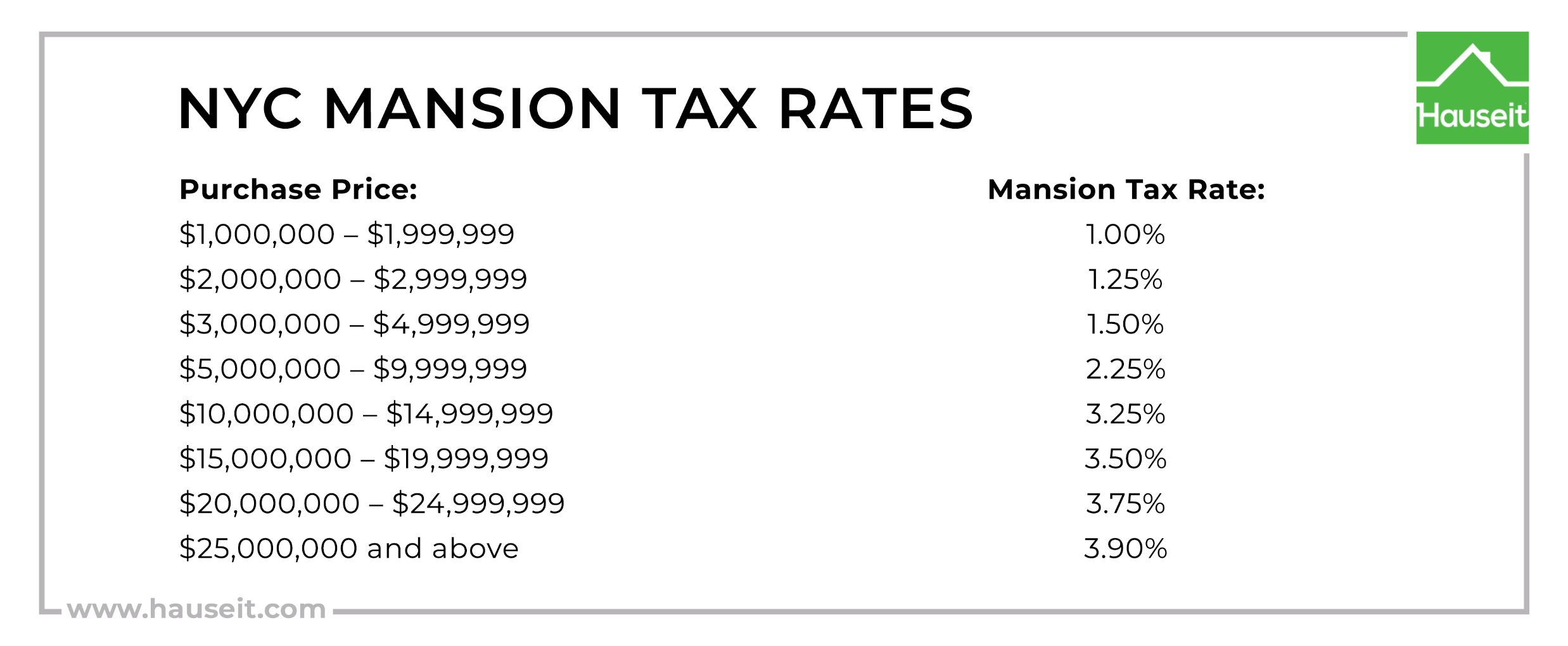
- For Homeowners: Property taxes are levied by New York City on real estate. The actual tax bill depends on the assessed value of the property and the tax rate, which varies by property class. New York City property taxes are notoriously high, reflecting the high property values in the five boroughs. Rates can differ significantly between a condo in Manhattan, a brownstone in Brooklyn, a family home in Queens or Staten Island, or property in the Bronx.
- For Renters: While renters don’t directly pay property tax bills, these costs are inevitably factored into rental prices by landlords. This means that high property taxes contribute to New York City’s reputation for expensive accommodation, indirectly affecting virtually all residents.
Other Local Taxes and Fees
Beyond the primary taxes, residents and businesses may encounter a range of other local levies and fees:
- Utility Taxes: Taxes are typically applied to utility services such as electricity, natural gas, and telecommunications. These appear as separate line items on monthly utility bills.
- Commercial Rent Tax (CRT): Businesses leasing commercial space south of 96th Street in Manhattan are subject to a Commercial Rent Tax, which is an additional tax on their gross rent. This can be a significant cost for companies operating in prime Manhattan locations.
- Business Taxes: Various other taxes and fees exist for businesses, including corporation taxes, unincorporated business taxes, and specific taxes for industries such as utilities or banking. Entrepreneurs considering starting a venture in New York City must factor these into their operational costs.
- Permits and Licenses: Many activities, from street vending to building renovations, require permits and licenses from the city, each carrying associated fees.
Budgeting for New York City: Smart Tax Strategies
Successfully navigating the financial aspects of New York City largely depends on informed budgeting and an understanding of its tax structure. Whether you’re a first-time visitor or a potential resident, a proactive approach to taxes can help maximize your experiences and minimize financial surprises.
Tips for Tourists to Minimize Tax Surprises
For visitors eager to explore the city’s myriad landmarks and immerse themselves in its vibrant local culture, these strategies can be invaluable:
- Factor in Taxes from the Start: When planning your travel budget, always add a buffer for taxes on hotels, shopping, and dining. Don’t just rely on advertised prices; estimate the additional 8.875% for sales tax and the approximately 14.75% plus $1.50 per night for hotel tax. For a week-long stay, these amounts can add hundreds of dollars to your expenses.
- Leverage Sales Tax Exemptions for Clothing: If shopping is on your itinerary, be mindful of the $110 per item clothing and footwear exemption. Consider purchasing items individually if their price is just under the threshold, rather than combining them on a single receipt which might inadvertently push you over.
- Book Accommodation Wisely: When comparing hotels or apartments for your stay, look for the “total price” or “price including taxes and fees” option. Many booking websites provide this to give you a clearer picture upfront. Some accommodation types, particularly non-traditional short-term rentals, might have different tax structures or hidden fees, so always read the fine print.
- Explore Free Attractions and Budget-Friendly Experiences: To offset the higher cost of taxed purchases and activities, balance your itinerary with some of New York City’s’s fantastic free attractions. Walking across the Brooklyn Bridge, enjoying Central Park, or riding the Staten Island Ferry for views of the Statue of Liberty are memorable experiences that won’t incur sales tax on entry.
Resources for Residents and Long-Term Planners
For those making New York City their home, continuous awareness and utilization of official resources are key:
- Utilize Official Government Tax Portals: The NYC Department of Finance and the New York State Department of Taxation and Finance websites are invaluable resources. They provide up-to-date information on tax rates, filing requirements, forms, and various credits or deductions that might apply to you. These sites are essential for understanding property taxes, income tax obligations, and other municipal fees.
- Seek Professional Financial Advice: Given the complexity of New York City’s tax structure, especially for income and property taxes, consulting with a qualified tax professional or financial advisor can be highly beneficial. They can help you understand your specific obligations, identify potential deductions, and strategize for long-term financial health.
- Stay Informed About Policy Changes: Tax laws can change. Staying informed about proposed or enacted changes at the Federal, state, and city levels is crucial for accurate financial planning. Subscribing to relevant government newsletters or following reputable financial news sources can help.
Conclusion: The Cost of the New York Experience
New York City offers an unparalleled blend of vibrant tourism, diverse destinations, and a dynamic lifestyle. However, as with any major global hub, this comes with a cost, and taxes are an undeniable and significant component of that equation. From the 8.875% sales tax on most goods and restaurant meals to the approximately 14.75% plus $1.50 per night hotel occupancy tax, visitors will find taxes woven into many aspects of their trip. For residents, the additional layers of New York State and New York City income taxes, alongside substantial property taxes, define a substantial part of their financial landscape.
Understanding “how much is the tax in New York City” is not about deterrence; it’s about preparedness. By knowing what to expect and where these taxes apply, both tourists and residents can make more informed decisions, budget more effectively, and enjoy all that this incredible city has to offer without financial surprises. Whether you’re planning your dream vacation, exploring potential business stays, or considering a permanent move, integrating tax awareness into your financial planning is a smart strategy. Despite the costs, the unique energy, endless attractions, and boundless opportunities available in New York City continue to make it a worthwhile investment for millions, offering experiences that truly are priceless.
LifeOutOfTheBox is a participant in the Amazon Services LLC Associates Program, an affiliate advertising program designed to provide a means for sites to earn advertising fees by advertising and linking to Amazon.com. Amazon, the Amazon logo, AmazonSupply, and the AmazonSupply logo are trademarks of Amazon.com, Inc. or its affiliates. As an Amazon Associate we earn affiliate commissions from qualifying purchases.