
Planning a trip to the bustling metropolis of New York City is an exhilarating prospect, filled with visions of iconic landmarks, world-class dining, and unforgettable experiences. However, any seasoned traveler or first-time visitor knows that budgeting is a crucial component of enjoying all that the Big Apple has to offer. Often overlooked in the initial excitement are the various taxes that can significantly impact your overall travel expenses. New York is renowned for being one of the most expensive cities in the world, and a clear understanding of its tax structure is essential for smart financial planning, ensuring your dream vacation doesn’t come with unexpected sticker shock.
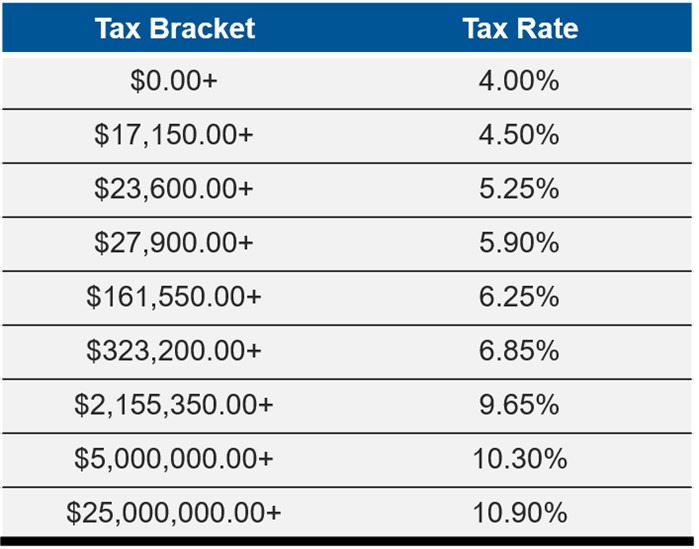
From the moment you book your accommodation to the souvenirs you purchase and the meals you savor, taxes will play a role. This comprehensive guide aims to demystify the tax landscape in New York State, with a particular focus on New York City, equipping you with the knowledge to budget effectively and make the most of your travel, accommodation, and lifestyle choices while exploring this vibrant destination. Understanding these levies isn’t just about saving money; it’s about gaining a clearer picture of the true cost of your adventure, whether you’re indulging in luxury travel or navigating the city on a budget.
Navigating New York’s Sales Tax: What Travelers Need to Know
The sales tax is arguably the most pervasive tax you’ll encounter as a traveler in New York. It applies to most goods and many services, and its presence will be felt in everything from your morning coffee to a new designer outfit. Knowing the rates and key exemptions can make a substantial difference in your spending.
The Standard Sales Tax Rate
In New York State, the base sales tax rate is 4%. However, localities, including New York City, are authorized to impose their own additional sales taxes. For New York City residents and visitors, this means a combined rate that can add a significant percentage to many purchases. The city adds another 4.5% to the state’s 4%. Furthermore, there’s a 0.375% surcharge for the Metropolitan Commuter Transportation District (MCTD), which encompasses New York City and several surrounding counties.
This brings the total combined sales tax rate within New York City to 8.875%. This rate applies to a vast array of items, including clothing above a certain price threshold, electronics, souvenirs, many prepared foods, and numerous services. For instance, if you purchase a gadget for $100, you’ll actually pay $108.875. While a few dollars here and there might seem negligible, these amounts quickly accumulate over the course of a trip, particularly if you plan on doing a lot of shopping or dining out. Whether you’re browsing boutiques in SoHo or picking up a last-minute travel essential near Times Square, this sales tax is an unavoidable part of the transaction.
Sales Tax Exemptions and Special Cases
Fortunately, not everything you purchase in New York is subject to this full sales tax. Understanding these exemptions is crucial for budget-conscious travelers.
One of the most significant exemptions for visitors, particularly those interested in fashion, applies to clothing and footwear. In New York State, individual items of clothing and footwear costing less than $110 are exempt from the 4% state sales tax and the 4.5% New York City local sales tax. This means that if you buy a pair of shoes for $109, you will pay no sales tax on that purchase. However, the 0.375% MCTD surcharge still applies, making the effective tax rate a minimal 0.375% for items under $110. For items priced at $110 or more, the full 8.875% sales tax applies. This exemption can lead to considerable savings if you plan to shop for clothes, making New York a potentially attractive destination for fashionistas. Many visitors flock to department stores like Macy’s Herald Square or flagship stores on Fifth Avenue specifically to take advantage of these savings.
Another important exemption relates to food. Groceries, or food purchased for home consumption (e.g., items from a supermarket like Whole Foods Market), are generally exempt from sales tax. This is great news for travelers staying in accommodations with kitchenettes or those looking to save money by preparing some of their own meals. However, prepared foods, such as those bought at restaurants, delis, or hot food bars in grocery stores, are typically subject to the full 8.875% sales tax. This distinction is vital when deciding whether to dine out or grab ingredients for a picnic in Central Park.
Understanding Accommodation Taxes: The Cost of Your Stay
For most travelers, accommodation is the single largest expense, and New York City is notorious for its high hotel prices. On top of the quoted room rate, various taxes and fees can add a significant percentage to your bill, sometimes catching unprepared travelers off guard. Understanding these charges is fundamental to budgeting for hotels, suites, resorts, apartments, and villas.
Hotel Occupancy Tax in New York City
When booking a hotel or similar lodging in New York City, you will encounter a specific charge known as the Hotel Room Occupancy Tax. This tax is levied by the city in addition to the standard sales tax. The New York City Hotel Room Occupancy Tax is currently 5.875% of the daily room rate, plus a flat fee of $1.50 per room per night.
To illustrate, consider a hotel room costing $300 per night.
- 5.875% of $300 is $17.625.
- Add the $1.50 flat fee.
- So, the occupancy tax alone would be $19.125 per night.
This tax applies across the board, whether you’re staying in a budget-friendly hostel in Midtown or a luxurious suite at the Plaza Hotel overlooking Central Park. Over a multi-night stay, this can accumulate quickly, adding a noticeable sum to your total accommodation cost. For instance, a five-night stay in our $300 room would incur $95.625 in occupancy tax alone.
State Sales Tax on Hotel Stays
Compounding the hotel occupancy tax is the application of the standard New York City sales tax to your accommodation. Yes, the same 8.875% sales tax that applies to many goods and services also applies to your hotel room rate.
Let’s revisit our $300 per night room example:
- Sales tax: 8.875% of $300 is $26.625.
- Occupancy tax: $17.625 + $1.50 = $19.125.
- Total taxes per night: $26.625 (sales tax) + $19.125 (occupancy tax) = $45.75.
This means that a $300 room actually costs $345.75 per night before any additional hotel-specific fees (like resort fees, though less common in New York City than in some other resort destinations). Over a five-night stay, those taxes alone amount to $228.75. This combined tax rate of approximately 14.75% plus the $1.50 per night flat fee makes New York City one of the highest-taxed hotel markets in the world. It’s imperative to factor these charges into your accommodation budgeting, whether you’re comparing options on Booking.com or directly with a property like the Grand Hyatt New York.
The Impact on Short-Term Rentals and Alternative Accommodations
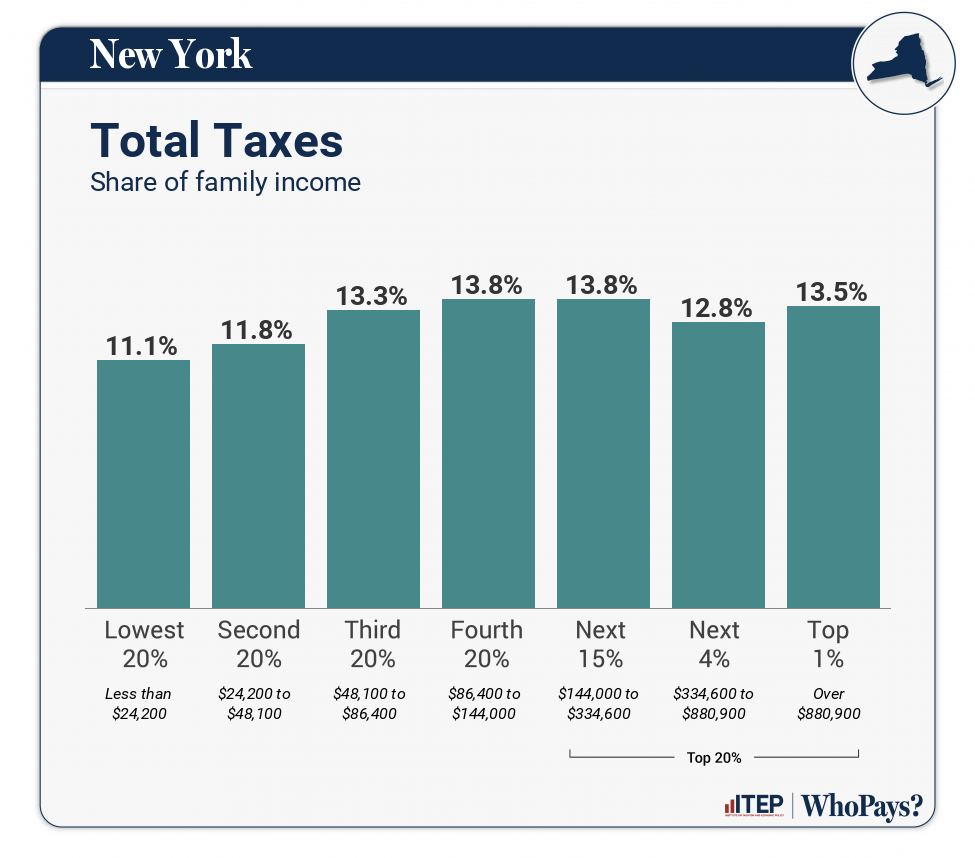
The rise of platforms like Airbnb has introduced alternative accommodation options, but they are not exempt from taxes and often come with their own set of regulations. In New York City, rules surrounding short-term rentals (stays of less than 30 days) in multi-unit buildings are quite strict, generally prohibiting them unless the host is present during the stay. However, if a short-term rental is legally operating, either because the host is present or it meets other specific criteria (like being in a two-family home), it is generally subject to the same sales tax (8.875%) and hotel occupancy tax (5.875% plus $1.50) as traditional hotels.
Many booking platforms like Airbnb and Vrbo are now equipped to automatically collect and remit these taxes on behalf of hosts, displaying the total price inclusive of taxes and fees upfront. However, it’s always wise to double-check the detailed breakdown of costs before confirming your booking. Sometimes, cleaning fees or service charges from the platform are also added, further increasing the total. For travelers seeking a long-term stay, typically 30 days or more, these hotel and occupancy taxes often do not apply, offering a potential cost saving for extended visits. This distinction can significantly impact the budget for those considering an immersive experience in a specific neighborhood like the West Village or Brooklyn Heights.
Dining, Entertainment, and Services: Beyond the Basics
Beyond shopping and sleeping, your New York experience will inevitably involve dining out, enjoying world-class entertainment, and utilizing various services. Each of these categories comes with its own tax implications that smart travelers should consider.
Taxes on Food and Drink
As mentioned, prepared foods purchased at restaurants, cafes, delis, or even hot food bars in grocery stores are subject to the full 8.875% sales tax. This includes everything from a bagel and coffee from a local deli to a gourmet meal at a Michelin-starred restaurant. It’s important to remember that the menu prices you see typically do not include this sales tax, so you’ll need to factor it in when calculating your bill.
Alcoholic beverages are also subject to the standard 8.875% sales tax when purchased in a bar, restaurant, or liquor store. While there isn’t a separate, explicit “alcohol tax” like in some other states, the general sales tax applies. Furthermore, New York has a strong tipping culture. While not a tax, standard gratuity for good service in restaurants, bars, and for services like taxi rides is typically 15-20% of the pre-tax bill. When budgeting for dining, you should realistically add 8.875% for sales tax and another 18-20% for tip, effectively increasing your food and drink costs by almost 30% beyond the menu price. This is a crucial consideration for foodies planning to explore New York’s diverse culinary scene, from Katz’s Delicatessen on the Lower East Side to high-end dining in Tribeca.
Taxes on Entertainment and Attractions
Accessing New York’s unparalleled entertainment and cultural attractions also comes with tax implications. Tickets for Broadway shows like Hamilton or The Lion King at the Minskoff Theatre, concerts at Madison Square Garden or Radio City Music Hall, sporting events at Yankee Stadium or Citi Field, and entry to most museums and tourist attractions (e.g., the Metropolitan Museum of Art, the Museum of Modern Art (MoMA)) are generally subject to the 8.875% sales tax.
When you buy tickets online or at a box office, the tax is usually added to the displayed price. It’s important to check whether the price quoted includes taxes and any associated booking fees. These additional costs can add up, especially if your itinerary is packed with multiple shows, tours (like a boat tour around the Statue of Liberty and Ellis Island), or experiences. Always verify the total price before committing, especially when using third-party booking sites.
Other Potential Taxes and Fees
While less pervasive for the typical tourist, other taxes and fees can arise:
- Transportation: While fares for MTA subways and buses are generally tax-inclusive, private transportation services like taxis and ride-shares (e.g., Uber, Lyft) may have sales tax applied to the base fare in some instances, along with various surcharges or tolls. For example, tolls on bridges and tunnels (like the George Washington Bridge or Holland Tunnel) are separate charges and can impact the cost of travel to and from airports or areas outside the immediate city center.
- Rental Cars: If you choose to rent a car, prepare for significant taxes and surcharges, including sales tax, various state and local surcharges, and airport fees, which can add 20-30% or more to the base rental rate. However, for most New York City trips, public transportation or ride-shares are more practical.
- Resort Fees: While more common in resort destinations, some hotels might implement a “resort fee” or “amenity fee” per night. These are not taxes but mandatory additional charges by the hotel for services like Wi-Fi, fitness center access, or daily newspapers. They are typically subject to sales tax. Always clarify if your chosen accommodation charges such fees.
Budgeting for Taxes: Tips for a Seamless New York Experience
Navigating the tax landscape in New York doesn’t have to be daunting. With a bit of foresight and strategic planning, you can effectively manage these costs and ensure your trip remains within budget, enhancing your overall travel experience.
Plan Ahead and Research
The most effective strategy is to assume taxes will apply to nearly everything and factor them into your budget from the very beginning. When researching hotels, dining establishments, or attractions, don’t just look at the base price. Seek out the “total cost” or look for small print that indicates whether taxes are included. Many online travel agencies or direct booking sites for hotels like the Mariott Marquis or The St. Regis New York will show the estimated taxes and fees before final confirmation. This proactive approach prevents unpleasant surprises and allows you to compare true costs more accurately. Knowing, for example, that your $200 hotel room will actually be closer to $230-235 per night with taxes, allows for a more realistic financial picture.
Savvy Shopping and Dining
Leverage the tax exemptions to your advantage. If you plan on buying clothes or shoes, remember the $110 per item exemption to minimize sales tax. This can make a significant difference, especially if you’re shopping for multiple items. Similarly, balancing your dining experiences between exquisite restaurant meals and more budget-friendly options can save you money. Consider utilizing the grocery store exemption for some meals, perhaps enjoying breakfast in your hotel room or packing a lunch for your explorations. Food carts, while still subject to sales tax on prepared foods, often offer more affordable options than sit-down restaurants. Exploring diverse neighborhoods such as Chinatown or Flushing can also lead to delicious and more budget-friendly culinary adventures.
Choose Your Accommodation Wisely
Given the substantial accommodation taxes, carefully consider your lodging choices. While a luxury hotel offers unparalleled amenities and service, a slightly more modest hotel, an extended-stay apartment, or even a legal short-term rental could offer significant savings once all taxes and fees are factored in. Compare the total cost per night, including all taxes and any additional fees, when making your booking decision. For longer stays (30 days or more), explore options that might exempt you from hotel occupancy taxes, potentially leading to substantial savings. Look for hotels that clearly break down their pricing structure, ensuring transparency.
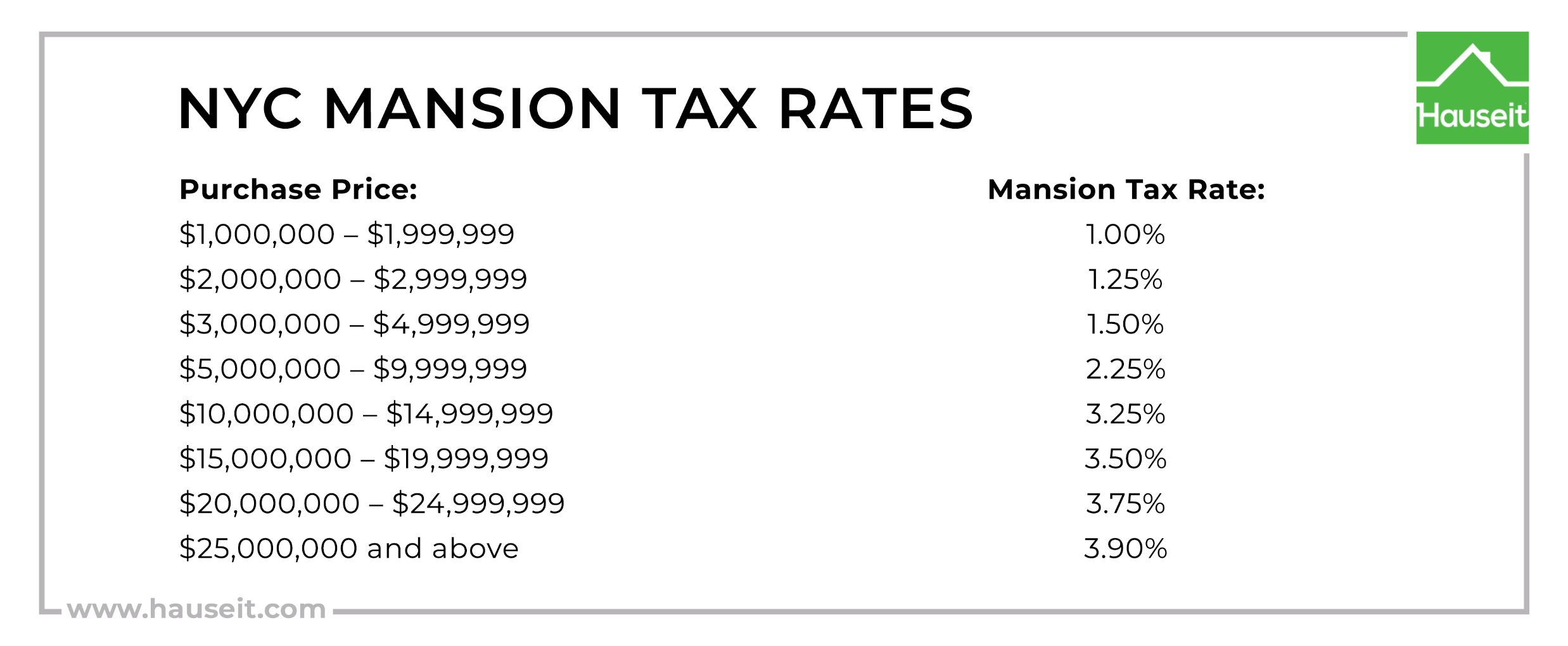
Keep an Eye on Your Receipts
Always review your receipts for accuracy, especially at restaurants and hotels. While rare, errors can occur, and identifying them promptly can save you money. Confirm that the correct sales tax rate has been applied to purchases and that hotel bills reflect the expected occupancy and sales taxes. This practice not only helps you verify charges but also reinforces your understanding of where and how taxes are being applied.
In conclusion, understanding “How Much Is The Tax In New York?” is not just a matter of curiosity; it’s a fundamental part of planning a successful and stress-free trip to one of the world’s most exciting cities. While the cumulative effect of various taxes can initially seem daunting, being informed empowers you to make smarter choices about your spending, accommodation, and activities. By factoring in the 8.875% sales tax on most goods and services, and the roughly 14.75% plus $1.50 per night on hotel rooms, you can build a more accurate budget. This knowledge allows you to fully immerse yourself in the vibrant culture, explore the iconic landmarks like the Empire State Building and the Brooklyn Bridge, and enjoy the unique lifestyle of New York without financial surprises. Embrace the city with a clear head and a well-prepared wallet, ready to make memories that will last a lifetime.
LifeOutOfTheBox is a participant in the Amazon Services LLC Associates Program, an affiliate advertising program designed to provide a means for sites to earn advertising fees by advertising and linking to Amazon.com. Amazon, the Amazon logo, AmazonSupply, and the AmazonSupply logo are trademarks of Amazon.com, Inc. or its affiliates. As an Amazon Associate we earn affiliate commissions from qualifying purchases.