
Navigating the road network of Oklahoma is a quintessential part of any cross-country road trip or regional adventure. As the “Sooner State” serves as a vital corridor connecting the Midwest to the Southwest, its toll infrastructure is designed to keep traffic flowing efficiently across vast stretches of prairie and urban landscapes. For travelers planning a journey that takes them through iconic cities like Tulsa or the capital city of Oklahoma City, understanding the toll system is essential for accurate budget planning and stress-free travel.
The Oklahoma Turnpike Authority manages the state’s extensive turnpike system. Unlike some states that rely on a mix of public highways and private toll roads, Oklahoma has strategically placed these turnpikes to bypass congested areas and shorten travel times significantly. Whether you are driving a rental car or your own vehicle, knowing the costs, payment methods, and rules of the road will ensure your trip remains smooth from start to finish.

Understanding the Oklahoma Turnpike System
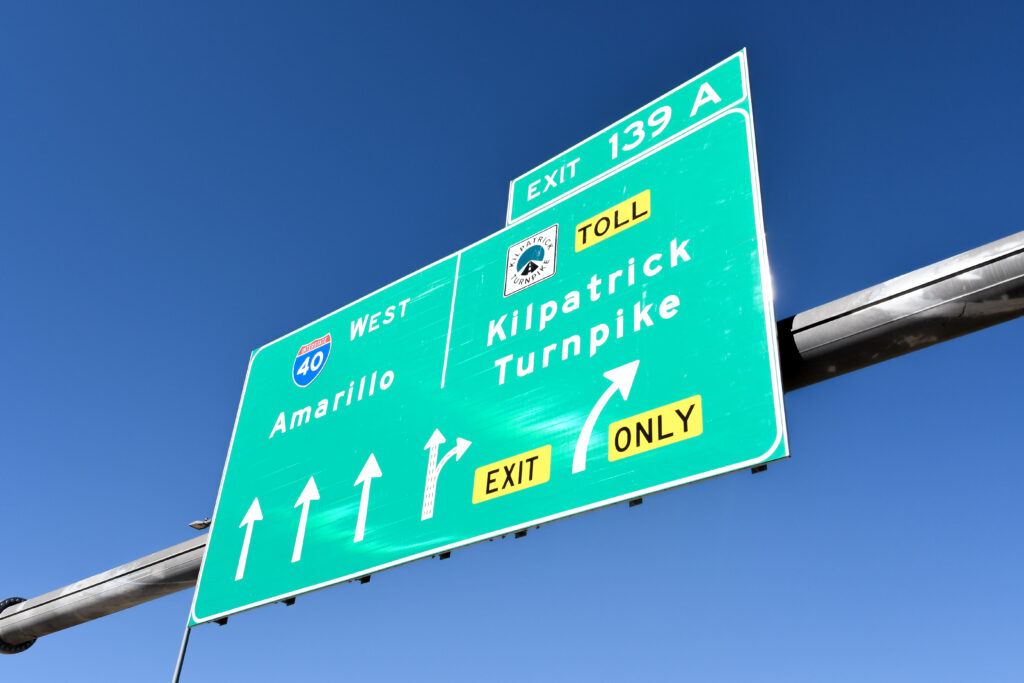
The turnpike system in Oklahoma is not a single uniform road but a network of interconnected routes. These routes are vital for commuters and tourists alike, linking major metropolitan areas to regional destinations. The primary turnpikes include the Will Rogers Turnpike, the Cimarron Turnpike, the H.E. Bailey Turnpike, the Chickasaw Turnpike, the Indian Nation Turnpike, the Kilpatrick Turnpike, and the Turner Turnpike.
How Pricing is Calculated
Tolls in Oklahoma are generally determined by the distance traveled and the class of the vehicle. Passenger vehicles, such as standard sedans, SUVs, and pickup trucks, fall into the lowest toll bracket. Commercial vehicles, including those with trailers, multi-axle trucks, and oversized loads, are subject to higher rates.
Most turnpikes operate on a fixed-rate toll plaza system, while some modern segments have transitioned to electronic “all-electronic” tolling. Because rates vary by the specific turnpike—for instance, the trip between Tulsa and Oklahoma City on the Turner Turnpike has a different pricing structure than the smaller, regional turnpikes—it is highly recommended to check the official Oklahoma Turnpike Authority website before you depart. On average, a standard passenger vehicle trip across a major turnpike can cost anywhere from $2.00 to $7.00 depending on the length of the segment.
The Shift Toward PlatePay
Oklahoma has made significant strides in modernizing its toll collection. The state has moved heavily toward “PlatePay,” an electronic tolling system that identifies vehicles via their license plates. When you pass through a toll gantry, cameras capture your plate, and a bill is mailed to the registered owner of the vehicle.
While this is convenient for those who do not travel often, it is important to note that PlatePay rates are often slightly higher than those paid with a transponder. If you find yourself frequently traveling through Oklahoma or if you are on a long-term road trip, investing in a transponder, such as the PikePass, is a smart financial move.
Payment Methods and Toll Technology

Efficiency is the name of the game when traveling through the heart of the United States. Understanding how to pay will save you time and prevent unnecessary administrative fees.
PikePass vs. PlatePay
The PikePass is the preferred method for frequent travelers in the region. It is a small transponder that attaches to the inside of your windshield. As you drive through toll lanes at highway speeds, the system automatically deducts the toll amount from your pre-funded account. Using this method ensures you are charged the lowest possible rate.
If you are a visitor, you might wonder if it is worth acquiring a PikePass for a short trip. For a single pass-through, PlatePay is perfectly acceptable. However, for those staying longer or exploring more of the state, the PikePass offers peace of mind. Furthermore, the PikePass is interoperable with several other states’ electronic toll systems, making it a valuable tool for anyone traveling across the Great Plains.
Managing Your Bill
If you do not have a transponder and travel on a turnpike, do not panic if you don’t see a physical toll booth. The cameras will record your passage. Keep an eye on your mail, as the invoice will be sent to the address associated with your vehicle registration. It is vital to pay these invoices on time to avoid late fees or potential registration holds. You can also visit the official portal to pay your tolls online by entering your license plate number, which is a great way to handle the payment before the bill even arrives at your home.
Tips for Budget-Conscious Travelers
Traveling through Oklahoma does not have to be expensive. By planning your route and understanding the options, you can keep your travel costs low while maximizing the quality of your trip.
Route Planning Strategies
If you have extra time and are looking to save money, you can choose to bypass the turnpikes entirely by taking state highways or county roads. These routes will take you through small towns, offering a more intimate look at the local culture and landscapes. However, keep in mind that these routes are often much slower, involve frequent stoplights, and may add several hours to your trip, especially if you are traveling across the entire state.
For most travelers, the convenience and speed of the Will Rogers Turnpike or the Kilpatrick Turnpike far outweigh the small cost of the toll. When calculating your budget, set aside a modest amount—roughly $15 to $25 for a cross-state journey—to cover all potential toll expenses.
Avoiding Common Pitfalls
- Rental Cars: If you are renting a vehicle, ask the rental agency about their toll policy. Many agencies offer their own toll programs, which are convenient but sometimes include an additional daily fee. Clarify whether your rental car comes pre-equipped with a transponder.
- Stay Informed: Road construction and maintenance can occasionally shift traffic patterns. Check the Oklahoma Department of Transportation website or mobile apps for real-time travel alerts.
- Don’t Ignore Notices: Even if you think you didn’t drive on a toll road, always double-check mail addressed to the vehicle owner. Occasionally, automated systems may misread a plate. Promptly addressing these ensures your travel history remains clear.
Exploring Oklahoma Beyond the Tolls
Once you have accounted for the tolls, you are free to enjoy the best of Oklahoma. Whether you are heading to the Oklahoma City National Memorial to pay your respects, exploring the vibrant arts district in Tulsa, or seeking nature at the Wichita Mountains Wildlife Refuge, the toll roads act as the gateway to these incredible experiences. By understanding the system, you move from being a stressed navigator to a confident explorer, ready to soak in the beauty of the American Southwest.
Travel in Oklahoma is designed to be accessible and efficient. The turnpike network is a tool that facilitates discovery, allowing you to spend less time in traffic and more time enjoying the unique sights and experiences this diverse state has to offer. With a little bit of preparation regarding toll costs and payment systems, you can traverse the state with ease, keeping your focus on the road ahead and the destinations that await.
LifeOutOfTheBox is a participant in the Amazon Services LLC Associates Program, an affiliate advertising program designed to provide a means for sites to earn advertising fees by advertising and linking to Amazon.com. Amazon, the Amazon logo, AmazonSupply, and the AmazonSupply logo are trademarks of Amazon.com, Inc. or its affiliates. As an Amazon Associate we earn affiliate commissions from qualifying purchases.