
Navigating the bustling freeways and scenic routes of California is an experience many travelers and residents cherish. From the sun-drenched beaches of San Diego to the iconic Golden Gate Bridge in San Francisco, the Golden State offers an unparalleled tapestry of destinations. However, the sheer volume of traffic and the complex network of roads can sometimes lead to an unwelcome souvenir: a traffic ticket. While a citation might seem like a minor inconvenience, it carries potential implications that can impact your driving record, insurance premiums, and even your future travel plans. This is where traffic school comes into play, offering a valuable opportunity to mitigate these consequences. But a common question arises for many drivers: how much does traffic school in California actually cost?
Understanding the financial outlay for traffic school is crucial for anyone considering this option. It’s not a single, fixed fee, but rather a combination of various charges that can fluctuate based on several factors, including the specific court, the type of violation, and the traffic school you choose. For those who prioritize a clean driving record—a key aspect of a stress-free lifestyle and seamless travel experiences—the investment in traffic school is often worthwhile. A pristine driving history not only keeps your insurance rates down, saving you money for future vacations and accommodations, but also ensures you encounter no roadblocks when renting vehicles, whether for a family trip to Disneyland or a business stay in Los Angeles. Let’s delve into the detailed financial breakdown and the broader benefits of attending traffic school in California.
Understanding the Costs: A Detailed Breakdown
The total cost of attending traffic school in California is a composite of several distinct fees. It’s important to understand each component to get a clear picture of the overall expense. These fees are designed to cover administrative processing, the educational course itself, and state surcharges.
Court Administrative Fees
The first and often most significant part of the cost comes from the court where your citation was issued. When you opt for traffic school, the court levies an administrative fee. This fee is distinct from the original fine for your traffic violation; it’s an additional charge for the privilege of masking the point on your driving record. This fee can vary significantly across different counties and courthouses within California. For instance, a court in Orange County might charge a slightly different amount than one in Sacramento.
These administrative fees typically range from $30 to $70, but it’s essential to confirm the exact amount with the specific court handling your case. This information can usually be found on your traffic ticket, a court notice, or by visiting the court’s official website. Paying this fee is a prerequisite for being eligible to attend traffic school and having your completion reported to the Department of Motor Vehicles (DMV). Failure to pay this fee will result in the original point appearing on your record, negating the entire purpose of traffic school.
Traffic School Course Fees
Once the court fees are settled, the next cost is for the traffic school course itself. In California, traffic schools are typically privately run but must be licensed and approved by the Department of Motor Vehicles (DMV). This competitive market means there’s a range of options, from traditional classroom settings to convenient online courses, each with its own pricing structure.
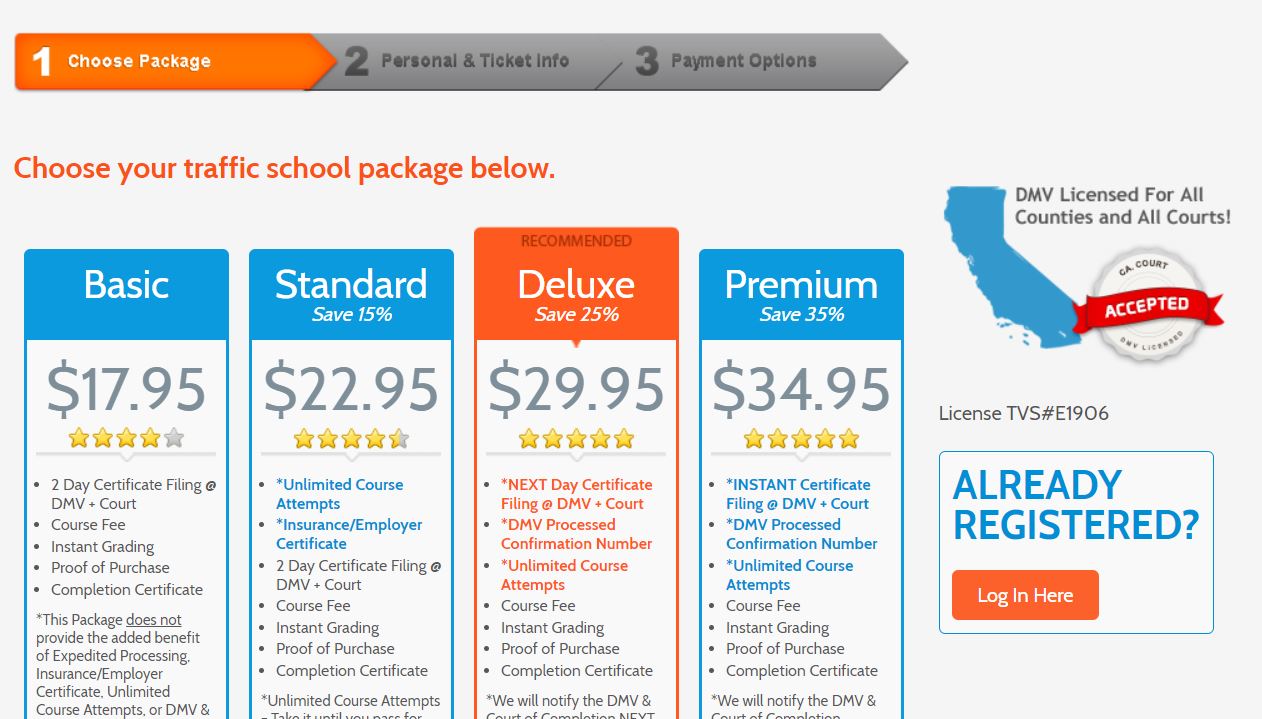
- Online Traffic Schools: These are by far the most popular choice due to their flexibility and convenience, especially for busy individuals or travelers with unpredictable schedules. Online courses allow you to complete the required hours at your own pace, from anywhere with internet access – whether you’re at home, a hotel suite, or even a quiet cafe during a business trip. Fees for online traffic schools generally range from $15 to $50. Some providers offer basic, no-frills courses at the lower end of the spectrum, while others might offer “rush processing” or more interactive content for a slightly higher price. Always ensure the school is DMV-approved before enrolling.
- In-Person Classroom Traffic Schools: While less common now, traditional classroom-based schools still exist. These typically involve attending a class for a full day or over several evenings. The fees for in-person schools can be slightly higher than online options, often ranging from $30 to $75. The main draw here might be a structured learning environment or a preference for direct instruction. However, the time commitment can be a significant deterrent, particularly for those on the go or managing complex schedules related to travel and lifestyle.
When choosing a traffic school, consider not just the price but also the features, customer support, and ease of use. A slightly more expensive course might offer better flexibility or reporting services, which can be invaluable.
Department of Motor Vehicles (DMV) Fees
While not always explicitly listed as a separate “traffic school fee,” it’s important to remember that certain actions related to your driving record directly involve the Department of Motor Vehicles. The court and the traffic school will report your completion to the DMV. While there isn’t usually a direct fee from the DMV specifically for attending traffic school, the DMV handles all aspects of your driving record. The overall system is funded by various fees collected for licenses, registrations, and other services. The primary goal of traffic school is to prevent a point from being added to your DMV record, which in turn helps avoid higher insurance premiums, effectively saving you money in the long run.
Potential Additional Costs
Beyond the core fees, there can be a few other expenses to be aware of:
- Expedited Processing: If you’re nearing your court-imposed deadline, some traffic schools offer an option for expedited processing and reporting of your completion certificate to the court and DMV. This service usually comes with an additional charge, typically $5 to $20.
- Hard Copy Certificate: Most online schools provide an electronic certificate of completion. If you require a physical hard copy mailed to you, there might be a small fee, usually $5 to $10.
- Retake Fees: While most traffic schools allow multiple attempts at the final exam without extra charges, some might levy a small fee for retakes after a certain number of attempts. Always check the school’s policy.
- Late Fees and Fines: If you miss your court deadline to complete traffic school, you could face additional late fees from the court, or worse, the forfeiture of your opportunity to mask the point, leading to higher insurance rates. This underscores the importance of prompt action.
In summary, the total cost for traffic school in California can range from approximately $45 to $150, depending on the court, the traffic school selected, and any additional services. While this might seem like a considerable sum upfront, it pales in comparison to the long-term financial consequences of a point on your driving record.
Why Attend Traffic School? Benefits Beyond the Ticket
Paying for traffic school might feel like another expense, but the advantages it offers extend far beyond simply dealing with a single ticket. For anyone who values financial prudence, peace of mind, and uninterrupted travel plans, traffic school is often a strategic investment.
Protecting Your Driving Record
The primary benefit of traffic school is preventing a point from being added to your official Department of Motor Vehicles (DMV) driving record. In California, most minor moving violations result in one point, while more serious offenses can accrue two or more points. Accumulating too many points within a certain timeframe can lead to severe penalties, including:
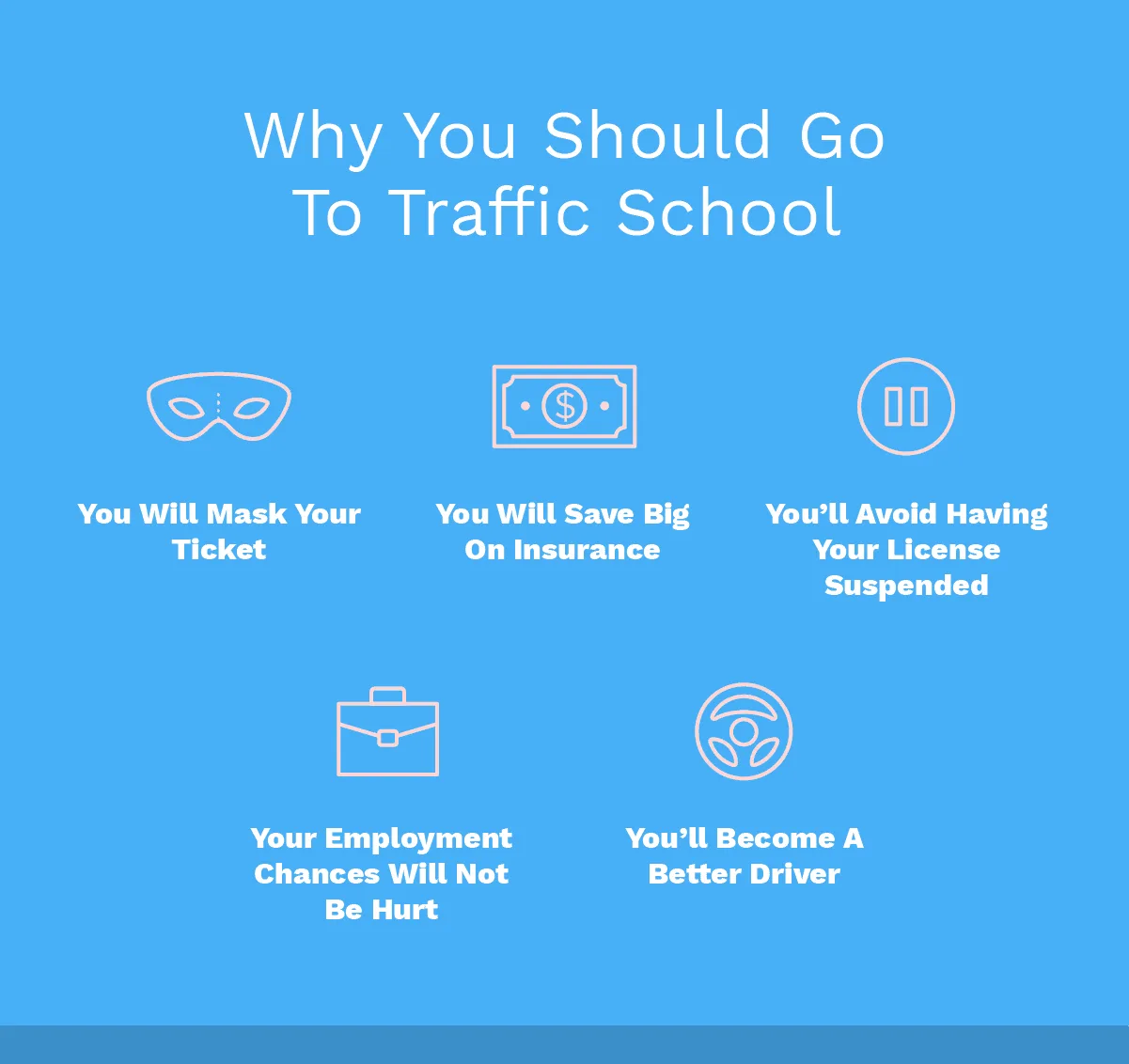
- Driver’s License Suspension: Accumulating 4 points in 12 months, 6 points in 24 months, or 8 points in 36 months can result in your license being suspended. A suspended license is not only a major inconvenience for daily life but can completely derail travel plans, making it impossible to rent a car for a road trip across the United States or even drive to the airport for an international flight.
- Higher Insurance Premiums: This is perhaps the most significant financial consequence. Insurance companies view points on your record as an indicator of higher risk, leading them to significantly increase your premiums for several years. This increased cost can quickly dwarf the one-time fee for traffic school.
By attending and successfully completing traffic school, the violation is masked, meaning it won’t appear as a point on your public DMV record. It effectively keeps your record clean, allowing you to maintain your good standing as a driver.
Maintaining Affordable Insurance Premiums
One of the most compelling reasons to attend traffic school is to keep your auto insurance rates from skyrocketing. A single point on your driving record can lead to an increase in premiums of 10% to 25% or even more, depending on your insurance provider and individual driving history. These elevated rates typically last for three to five years.
Consider this: if you currently pay $1,200 per year for car insurance, a 20% increase means an extra $240 per year. Over three years, that’s an additional $720 – a sum that far exceeds the maximum cost of traffic school. By investing in traffic school upfront, you can save hundreds, if not thousands, of dollars in insurance premiums over time. This saved money can then be reallocated to more enjoyable aspects of your lifestyle, such as planning a dream vacation or investing in a luxurious resort stay. It’s a smart budget travel strategy that pays dividends.
Ensuring Smooth Travel and Rental Experiences
A clean driving record is invaluable for travelers. When you rent a car, especially from major agencies at destinations like Los Angeles or during a tourism trip abroad, your driving record can be a factor. While a single point might not outright disqualify you, a history of multiple violations or a suspended license certainly will. This can lead to significant stress and logistical nightmares when you arrive at your destination expecting to pick up a rental car for exploring local culture or accessing remote attractions.
Furthermore, for those who frequently embark on international travel, certain countries or car rental companies might have stricter requirements for drivers with a less-than-perfect record. Keeping your record clean ensures that obtaining an international driving permit is straightforward and that you’ll have no issues securing a rental vehicle, whether you’re exploring the scenic routes of Europe or navigating the vast landscapes of North America. Traffic school provides the peace of mind that your driving history won’t impede your travel experiences or add unnecessary complications to your accommodations planning.
Navigating the Traffic School Process in California
Once you’ve decided that traffic school is the right path for you, understanding the process is key to a smooth and successful outcome. California‘s system, while standardized, requires attention to detail regarding eligibility and deadlines.
Eligibility and Key Requirements
Not everyone is eligible for traffic school. The court typically determines your eligibility based on several factors:
- Minor Moving Violation: The violation must generally be a minor moving violation (e.g., speeding, illegal turn, stop sign violation). Serious offenses like DUI, reckless driving, or misdemeanors usually do not qualify.
- One-Point Violation: The ticket must generally be for a one-point violation.
- No Mandatory Appearance: Your ticket should not require a mandatory court appearance.
- No Prior Traffic School in 18 Months: You must not have attended traffic school for another violation within the past 18 months from the date of your current violation. This “once every 18 months” rule is strictly enforced.
- Valid Driver’s License: You must possess a valid California driver’s license.
- Non-Commercial Vehicle: The violation must have occurred while driving a non-commercial vehicle. Commercial drivers have different rules.
The court will usually notify you of your eligibility on the back of your ticket or in a subsequent court notice. If unsure, contact the court directly.
Choosing the Right Traffic School for Your Lifestyle
With numerous options available, selecting the right traffic school is crucial for a positive experience. As mentioned, the majority of drivers opt for online schools due to their unparalleled flexibility.
- DMV Approval is Paramount: Always, always verify that the traffic school is licensed and approved by the California Department of Motor Vehicles. Unapproved schools will not be accepted by the court, and your effort and money will be wasted. You can usually find a list of approved schools on the DMV website or your local court’s website.
- Convenience and Flexibility: For busy professionals, travelers, or those juggling family responsibilities, online traffic schools offer the ultimate in accommodation. You can complete the course modules whenever and wherever it suits you, whether during a layover, in the evenings after a day of sightseeing, or during your lunch break. This flexibility helps manage your time efficiently, allowing you to focus on your lifestyle and travel plans without added stress.
- Course Content and User Experience: While the core curriculum is standardized, some schools offer more engaging content, better graphics, or smoother user interfaces. Check reviews to gauge the quality of the experience. Some might offer audio narration, which can be helpful for different learning styles.
- Reporting Services: Confirm how quickly and efficiently the school reports your completion to the court and DMV. Some schools offer direct electronic reporting, while others might provide you with a certificate to submit yourself. Timeliness is critical to meet court deadlines.
The Steps from Ticket to Completion
The process of attending traffic school and clearing your record generally follows these steps:
- Receive Your Traffic Ticket: You’ll be issued a citation by a law enforcement officer.
- Review Your Ticket and Court Notice: Pay close attention to the court jurisdiction, the due date for action, and any information regarding traffic school eligibility. The court will send you an official notice with further instructions, including the total fine and court administrative fee.
- Confirm Eligibility and Inform the Court: If you are eligible and wish to attend traffic school, you must notify the court and pay the original fine plus the court’s administrative fee by the specified due date. This step is critical; if you fail to pay these fees, you will not be allowed to attend traffic school.
- Enroll in a DMV-Approved Traffic School: Choose an approved school, preferably online, that fits your budget and schedule. Complete the enrollment process and pay the school’s course fee.
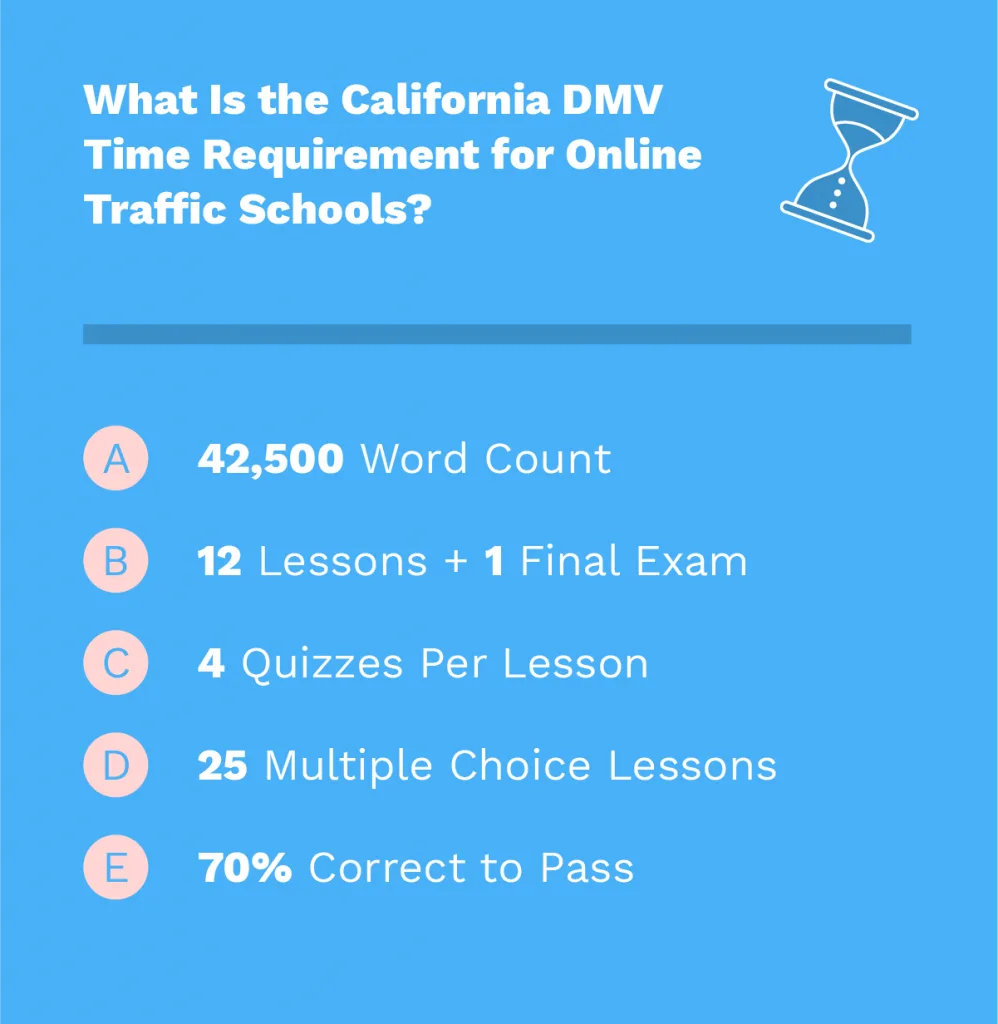
- Complete the Course: Work through the course material, which typically covers traffic laws, defensive driving techniques, and road safety. Most courses are 6-8 hours long, though they can often be completed over multiple sessions.
- Pass the Final Exam: At the end of the course, you’ll take a final exam. Most online schools allow multiple attempts if you don’t pass on the first try.
- School Reports Completion: The traffic school will electronically report your completion to the California Department of Motor Vehicles and the court. This is usually done within 3-5 business days. Keep a copy of your certificate for your records.
- Verify Your Record: After a few weeks, it’s a good practice to check your driving record with the DMV (you can request a copy online) to ensure the point has been masked.
Long-Term Impact and Proactive Driving Tips
Beyond resolving an immediate traffic citation, the commitment to traffic school and maintaining a clean driving record contributes significantly to a smoother, more enjoyable lifestyle and enriched travel experiences.
The Value of a Clean Driving Record for Travelers
For the avid traveler, a clean driving record is more than just a legal formality; it’s an asset. When planning road trips across destinations, exploring remote landmarks, or simply needing reliable transportation during vacations, the ability to rent a car without hassle is paramount. A clean record ensures:
- Easier Car Rentals: Many car rental agencies, especially those catering to luxury travel or premium vehicles, perform background checks. A spotless record prevents potential rejections or demands for higher security deposits.
- International Driving Permits: While not directly related to traffic school, a clean driving record in your home country simplifies the process of obtaining an International Driving Permit (IDP), which is often required or recommended for driving in many foreign countries, supporting your aspirations for global tourism.
- Peace of Mind: Knowing your driving record is clear removes a layer of potential stress when planning any journey that involves driving. This peace of mind allows you to fully immerse yourself in the experiences of your travels, whether it’s savoring local food, exploring historical attractions, or simply relaxing at your chosen accommodation.
Smart Driving Habits for California Roads
Preventing future traffic tickets is the ultimate goal, saving you both money and the inconvenience of traffic school. Adopting smart driving habits is crucial, especially on the diverse roads of California.
- Adhere to Speed Limits: California highways, particularly around major cities like Los Angeles and San Francisco, are heavily policed. Always obey posted speed limits, and be mindful of changes, especially in construction zones or residential areas.
- Practice Defensive Driving: Anticipate the actions of other drivers, maintain a safe following distance, and avoid aggressive driving behaviors. This is a core lesson in traffic school, but it’s a practice that should be integrated into your daily routine.
- Avoid Distracted Driving: Put away your phone. Texting or talking on a handheld device while driving is illegal in California and a significant cause of accidents and tickets.
- Understand Lane Laws: Be aware of carpool lane (HOV) rules, especially during peak travel times, and understand the nuances of lane changes and exits, particularly on complex freeway interchanges.
- Regular Vehicle Maintenance: Ensure your vehicle is in good working order (lights, brakes, tires, registration) to avoid equipment violations, which can also lead to tickets.
In conclusion, while the immediate question “How much is traffic school in California?” points to a direct financial cost, the true value of attending traffic school extends far beyond the monetary outlay. It’s an investment in your driving record, your financial well-being through lower insurance premiums, and your freedom to travel and experience the world without unnecessary complications. By understanding the costs, navigating the process effectively, and adopting proactive driving habits, you can keep your record clean, your wallet heavier for future adventures, and your lifestyle on the road as smooth as California’s scenic coastal drives.
LifeOutOfTheBox is a participant in the Amazon Services LLC Associates Program, an affiliate advertising program designed to provide a means for sites to earn advertising fees by advertising and linking to Amazon.com. Amazon, the Amazon logo, AmazonSupply, and the AmazonSupply logo are trademarks of Amazon.com, Inc. or its affiliates. As an Amazon Associate we earn affiliate commissions from qualifying purchases.