
Understanding the Financial Landscape of the Sunflower State
When individuals experience sudden career disruptions in the heartland of America, navigating the financial safety net becomes a primary concern. The economic framework governing financial assistance in Kansas is designed to provide temporary relief to eligible workers who have lost their jobs through no fault of their own. For anyone planning an extended stay, a relocation, or managing business ventures within cities like Wichita or Overland Park, understanding how local economic cushions operate is crucial for lifestyle stability.
While temporary state assistance is typically associated with workforce transitions, long-term residents and newcomers alike often analyze these fiscal metrics to gauge overall economic health. Whether you are settling down near the historic Kansas State Capitol in Topeka or exploring the vibrant arts scene in Lawrence, knowing how much financial support is available offers a clearer picture of the regional safety net. This guide explores the monetary details, eligibility requirements, and the broader economic context surrounding jobless benefits in the region.
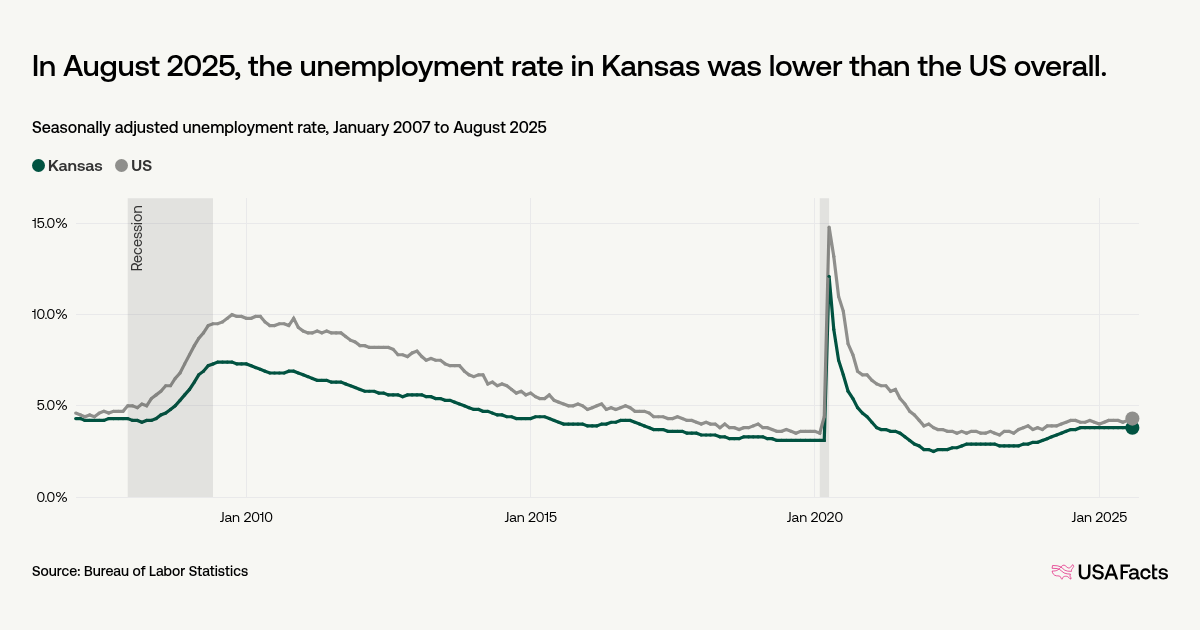
The Maximum Weekly Benefit Amount
The central question for most applicants revolves around the exact payout figures. The maximum weekly benefit amount in Kansas is determined annually by the state’s Department of Labor, based on the average statewide weekly wage.
- Current Caps: The maximum weekly benefit generally hovers around $588, though this figure fluctuates year to year based on legislative adjustments and economic conditions.
- Minimum Thresholds: On the lower end, there is a statutory minimum weekly payout designed to support individuals who earned modest wages during their base period.
- Calculation Formula: Payouts are not a flat rate; they are calculated using a fraction of the wages earned during the highest quarter of the base period, ensuring that the assistance scales proportionally to past earnings.
Duration of Assistance
Financial relief in the Sunflower State is inherently temporary. Recipients generally cannot receive payouts indefinitely.
- Standard Duration: The maximum number of weeks a qualified individual can receive benefits is typically capped at 16 weeks during a standard benefit year, though this can vary depending on statewide unemployment rates and legislative changes.
- Exhaustion of Funds: Once the maximum duration or the maximum total benefit amount is reached—whichever comes first—the claim is exhausted, and regular state-funded assistance ceases.
Eligibility Criteria and Wage Requirements
Securing financial assistance requires meeting specific statutory thresholds set by the state. Simply being out of work is not enough; the circumstances of the separation and the individual’s past earnings play a pivotal role.
Qualifying Separations
The reason behind the job loss dictates whether an applicant can successfully claim benefits.

- Lack of Work: Layoffs resulting from company downsizing, restructuring, or seasonal slowdowns near agricultural hubs like Garden City almost universally qualify.
- Resignation: Quitting a job voluntarily without good cause attributable to the employer typically results in disqualification.
- Termination for Cause: Being fired for proven misconduct, policy violations, or gross negligence generally strips an individual of eligibility.
Base Period Earnings
The state evaluates earnings over a specific timeframe known as the “base period” to determine both eligibility and the exact weekly rate.
- Standard Base Period: This consists of the first four of the last five completed calendar quarters prior to the filing date.
- Alternative Base Period: If an applicant lacks sufficient wages in the standard base period, an alternative calculation utilizing the most recent four calendar quarters may be applied.
- Monetary Eligibility: To qualify, an individual must have earned a minimum amount across multiple quarters within the base period, demonstrating a consistent attachment to the local workforce.
Impact on Long-Term Lifestyle and Cost of Living
Navigating temporary financial assistance directly influences how residents manage their household budgets, lifestyle choices, and housing arrangements. Understanding the correlation between benefit payouts and regional expenses is vital for maintaining financial health.
Managing Expenses in Major Regional Hubs
The cost of living varies significantly across different parts of the state. For instance, renting an apartment or managing a mortgage in bustling urban centers like Kansas City requires a different financial strategy compared to rural communities near the Flint Hills or the Monument Rocks.
- Budget Adjustments: Because the maximum weekly payout replaces only a fraction of a typical salary, recipients often have to trim discretionary spending, entertainment, and non-essential travel.
- Housing Stability: Long-term stays, lease renewals, and residential budgeting must be carefully recalibrated to align with the temporary reduction in household income.
- Local Resources: Many residents supplement state assistance by engaging with community-based support programs, local food pantries, and workforce training initiatives hosted by institutions like Kansas State University in Manhattan.
Transitioning Back to the Workforce
State regulations mandate that recipients actively seek employment while receiving financial support. This requirement ensures that the workforce remains dynamic and encourages quick re-entry into the labor market.
- Work Search Logs: Claimants must document a specified number of employer contacts each week to remain compliant with state guidelines.
- Reemployment Services: Utilizing local American Job Centers provides access to resume workshops, career counseling, and networking events designed to accelerate the job hunt.
- Upskilling Opportunities: Many individuals use the transition period to enroll in short-term certification programs, enhancing their marketability for future career paths in growing sectors such as aerospace, agriculture technology, and healthcare.
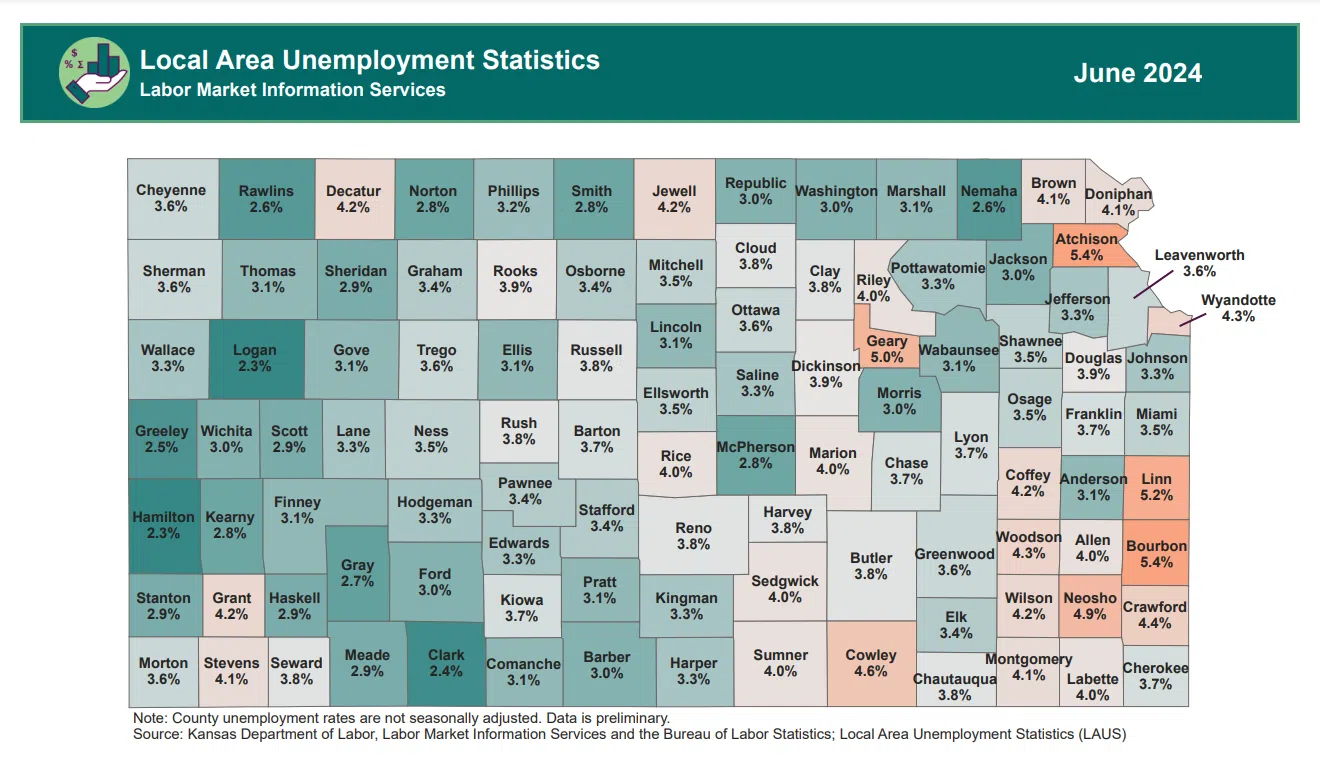
Conclusion and Strategic Planning
Navigating financial transitions in Kansas requires a clear comprehension of how state safety nets operate. While the maximum weekly benefit provides a vital buffer during sudden career interruptions, it is designed strictly as a temporary bridge rather than a long-term solution. By understanding the exact calculation methods, eligibility benchmarks, and the broader economic implications on daily life, residents can better safeguard their financial futures. Whether adjusting household expenditures in Olathe or mapping out a new career trajectory, proactive planning remains the most effective tool for long-term stability and success.
LifeOutOfTheBox is a participant in the Amazon Services LLC Associates Program, an affiliate advertising program designed to provide a means for sites to earn advertising fees by advertising and linking to Amazon.com. Amazon, the Amazon logo, AmazonSupply, and the AmazonSupply logo are trademarks of Amazon.com, Inc. or its affiliates. As an Amazon Associate we earn affiliate commissions from qualifying purchases.