
Moving to, or even contemplating an extended stay in Florida, often conjures images of sun-drenched beaches, vibrant cities, and a relaxed pace of life. However, beneath the allure of the Sunshine State lies a practical reality that significantly impacts one’s lifestyle budget: the cost of car insurance. For many, the sticker shock of Florida’s premiums can be a rude awakening, drastically altering financial plans for everything from housing to daily living expenses. Understanding why car insurance is notably more expensive in Florida compared to national averages, and how to navigate these costs, is crucial for anyone considering a move or long-term residence.
Understanding Florida’s Unique Insurance Landscape
Florida’s car insurance market is shaped by a confluence of legal, demographic, and environmental factors that drive up costs for insurers, and consequently, for policyholders. It’s not simply a matter of higher risk in isolated pockets; rather, it’s a systemic elevation of costs across the state.
No-Fault State Status and PIP Requirements
Florida operates under a “no-fault” car insurance system. This means that after an accident, regardless of who was at fault, your own insurance company is responsible for paying certain medical expenses and lost wages up to a specified limit. To facilitate this, Florida law mandates that all drivers carry Personal Injury Protection (PIP) coverage, typically $10,000, as part of their policy. While the intention is to streamline the claims process and reduce litigation, the reality is that the high incidence of claims, coupled with the potential for fraud, has driven up PIP costs, which are then passed on to consumers. This minimum coverage is often insufficient for serious injuries, leading many to purchase additional medical payments coverage, further increasing premiums.
High Population Density and Tourist Traffic
Florida is one of the most populous states in the U.S. and a perennial magnet for tourists. Cities like Miami, Orlando, and Tampa are bustling hubs with dense traffic, intricate road networks, and a constant influx of drivers unfamiliar with local roads. This high volume of vehicles, particularly during peak tourist seasons or spring break in destinations like Fort Lauderdale, inherently increases the likelihood of accidents. More accidents translate directly to more claims, which insurers factor into their premium calculations. The sheer number of vehicles on the road, combined with the diverse driving habits of locals and visitors, creates a challenging environment for actuarial risk assessment.
Weather-Related Risks
Perhaps one of the most significant and unavoidable factors contributing to high insurance costs in Florida is its vulnerability to severe weather. The state is frequently impacted by hurricanes, tropical storms, and associated flooding. These events can cause widespread damage to vehicles, leading to massive spikes in comprehensive claims. Hailstorms, torrential downpours, and even strong winds unrelated to hurricanes can also contribute to vehicle damage. Insurers must price in the substantial risk of paying out claims for cars damaged by fallen trees, water intrusion, or total losses from catastrophic weather events. This geographic reality makes comprehensive coverage, often considered optional in less prone areas, almost a necessity in Florida, significantly impacting average premiums.
Key Factors Driving Florida’s Higher Premiums
Beyond the foundational elements of Florida’s insurance ecosystem, several other specific factors further exacerbate the cost burden on drivers. These elements are often intertwined, creating a complex web of risk that insurers must account for.
Comprehensive and Collision Coverage
Given the weather risks previously mentioned, comprehensive coverage, which protects against non-collision incidents like theft, vandalism, and natural disasters, is particularly critical in Florida. Similarly, collision coverage is vital due to the high accident rate. While these are optional coverages, most drivers, especially those with newer vehicles or car loans, cannot reasonably forgo them. The high cost of vehicle repairs, increasing parts costs, and specialized labor contribute to the expense of these coverages. For a lifestyle that includes owning a reliable vehicle, budgeting for robust comprehensive and collision insurance is non-negotiable.
Uninsured/Underinsured Motorist Coverage
Despite mandatory PIP, Florida has one of the highest rates of uninsured motorists in the country. This means a significant number of drivers on the road either have no insurance or carry only the bare minimum required by law, which is often insufficient to cover damages from a serious accident. To protect themselves, prudent drivers in Florida often purchase Uninsured/Underinsured Motorist (UM/UIM) coverage. This optional but highly recommended coverage protects you if you’re hit by a driver who lacks sufficient insurance to cover your injuries or vehicle damage. The prevalence of uninsured drivers directly translates to higher demand and cost for UM/UIM coverage, adding another layer to the overall premium.
Fraud and Lawsuits
Florida has a notorious reputation for high levels of insurance fraud, particularly in personal injury protection (PIP) claims. This can range from staged accidents to inflated medical bills and unnecessary treatments. The state also has a highly litigious environment, with a greater propensity for accident victims to pursue legal action, leading to substantial legal costs for insurers. These fraudulent claims and legal expenses are ultimately absorbed by policyholders through higher premiums, contributing to the state’s elevated insurance costs. Insurers pass these operational costs on to maintain profitability within a challenging legal and ethical landscape.
Vehicle Theft Rates
While not as pervasive as some other factors, vehicle theft also contributes to higher comprehensive coverage costs in certain areas. Metropolitan areas such as Jacksonville and Hialeah can experience higher rates of car theft, which adds to the risk profile for insurers operating in those regions. Even if your specific vehicle isn’t stolen, the overall risk in the state means that insurers factor this into their broader pricing models, affecting everyone’s premiums to some extent.
Comparing Florida to National Averages and Neighboring States

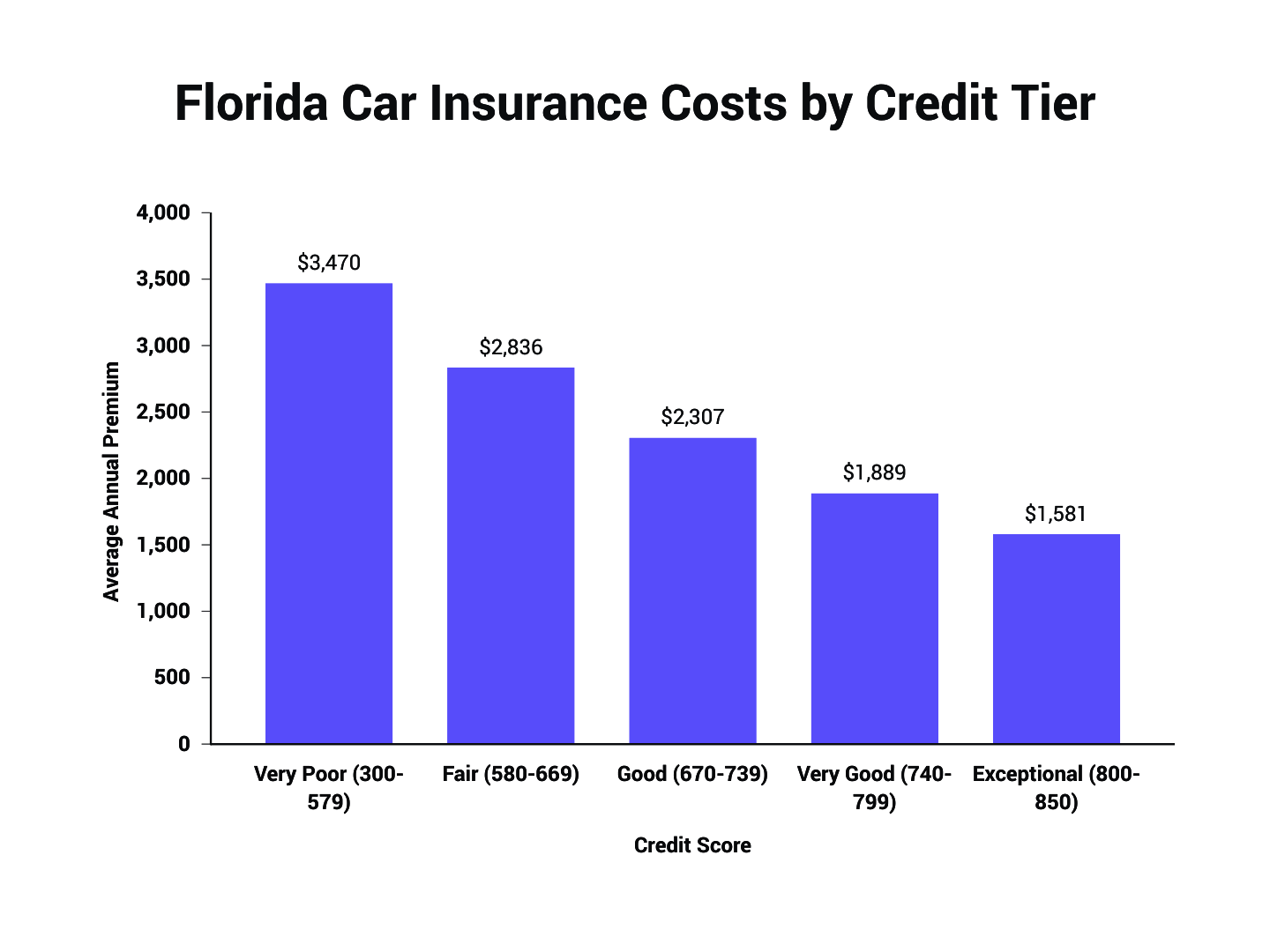
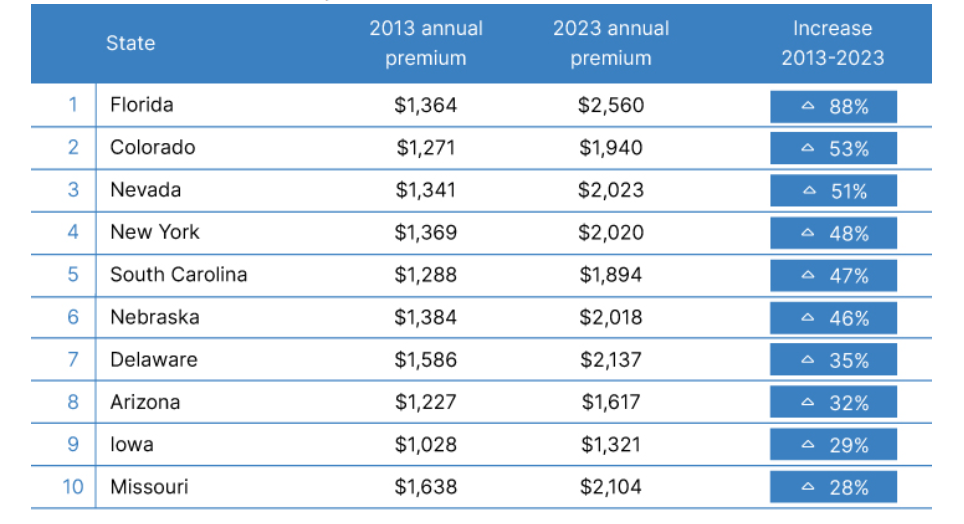
When juxtaposed against national averages, Florida’s car insurance rates consistently rank among the highest in the U.S. While the national average might hover around $1,700-$1,900 annually for full coverage, Florida drivers can expect to pay anywhere from $2,500 to well over $3,000, depending on their location within the state, driving record, and vehicle type. This stark difference highlights the unique challenges faced by the state’s insurance market.
Comparing Florida to neighboring states like Georgia or Alabama further illustrates this disparity. While these states also experience some similar weather patterns, they generally do not contend with Florida’s confluence of no-fault laws, high population density, and prolific insurance fraud, resulting in comparatively lower premiums. This means that a move across state lines can have a dramatic impact on one’s monthly budget for car ownership.
Moreover, rates vary significantly within Florida itself. Urban centers like Miami often have the highest premiums due to dense traffic, higher accident rates, and elevated theft risks. Conversely, smaller, more rural cities like Pensacola in the panhandle or Naples on the southwest coast, while still expensive by national standards, may offer slightly lower rates than their metropolitan counterparts. This internal variation means that location within the state is a critical factor in determining your personal lifestyle budget for car insurance.
Strategies to Mitigate High Insurance Costs in Florida
While Florida’s insurance landscape presents challenges, there are proactive steps drivers can take to manage and potentially reduce their premiums, thus maintaining a more comfortable lifestyle budget.
Shop Around Extensively
This is arguably the most crucial step. Insurance rates can vary wildly between providers for the exact same coverage. Obtain quotes from at least 5-7 different companies, including large national carriers and smaller regional ones. Do not assume your current insurer will offer the best rate in Florida.
Maintain a Clean Driving Record
A history of accidents, traffic violations, or DUIs will significantly increase your premiums. Driving safely and adhering to traffic laws is the most effective long-term strategy for keeping insurance costs down.
Consider Vehicle Type
The type of car you drive heavily influences your rates. Vehicles with high safety ratings, lower repair costs, and those less likely to be stolen typically cost less to insure. Sports cars, luxury vehicles, and those with a higher propensity for theft will almost always carry higher premiums.
Increase Deductibles
Opting for a higher deductible on your comprehensive and collision coverage can substantially lower your monthly or annual premium. However, ensure you have sufficient savings to cover the deductible should you need to file a claim.
Explore Discounts
Most insurance companies offer a variety of discounts. Inquire about multi-policy (bundling auto and home insurance), good driver, defensive driving course completion, good student, anti-theft device, low mileage, and pay-in-full discounts. Every discount adds up.
Understand Your Coverage Needs
While some coverage is mandatory, evaluate carefully what you truly need beyond the basics. For older vehicles with low market value, collision and comprehensive coverage might not be economically sensible. However, in Florida, given the risks, under-insuring can lead to significant financial hardship after an accident. Seek a balance between cost savings and adequate protection.
Lifestyle Implications for Residents and Long-Term Visitors
The higher cost of car insurance in Florida directly impacts the overall cost of living and the financial feasibility of certain lifestyle choices. For individuals or families considering relocating to the state, these elevated expenses must be factored into their long-term financial planning. What might seem like an affordable rent or property tax can quickly be offset by higher insurance outlays, not just for cars but potentially for homes as well.
For those planning extended stays or even temporary relocation for work or retirement, understanding the insurance burden is critical for accurate budgeting. A budget-conscious traveler might find that owning a vehicle in Miami Beach becomes prohibitively expensive, leading them to rely more on ride-sharing services or public transportation. Retirees moving from states with lower insurance costs may need to re-evaluate their monthly fixed expenses, potentially impacting discretionary spending on leisure activities, which were part of the appeal of Florida living.
Ultimately, while Florida offers undeniable appeal, its elevated car insurance costs are a significant financial consideration. A professional, insightful approach to understanding these expenses and strategizing to mitigate them is essential for anyone looking to embrace the Florida lifestyle without unexpected financial strain.
LifeOutOfTheBox is a participant in the Amazon Services LLC Associates Program, an affiliate advertising program designed to provide a means for sites to earn advertising fees by advertising and linking to Amazon.com. Amazon, the Amazon logo, AmazonSupply, and the AmazonSupply logo are trademarks of Amazon.com, Inc. or its affiliates. As an Amazon Associate we earn affiliate commissions from qualifying purchases.