
Navigating the financial landscape of any major travel destination can be a complex undertaking. For visitors to the Empire State, understanding the intricacies of New York sales tax is crucial for budgeting and avoiding unexpected costs during your trip. This guide delves into the specifics of sales tax across New York, from the bustling streets of New York City to the scenic beauty of upstate regions, ensuring you can plan your purchases with confidence.
Understanding the Basics of New York Sales Tax
New York operates a multi-tiered sales tax system, meaning the rate you pay can vary significantly depending on your exact location within the state. The state itself imposes a base sales tax rate, to which local counties and, in some cases, cities and metropolitan transportation districts add their own rates. This layered approach is the primary reason why “How much?” is rarely a simple answer.
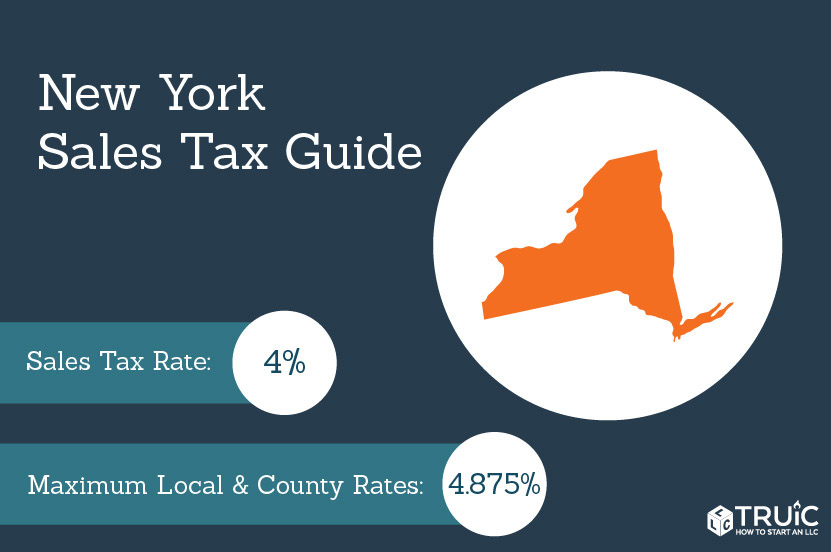
State Sales Tax Rate
The base New York State sales tax rate is currently 4%. This rate applies to most tangible personal property and specified services sold or rented in the state. However, this is just the starting point for calculating your total tax liability.
Local Additions and Variations
Counties within New York can choose to impose their own local sales and use tax. These rates vary widely, from less than 1% to over 4%. When a county imposes a local tax, it is added to the state rate.
Metropolitan Commuter Transportation District (MCTD) Surcharge: Certain areas, primarily those within the New York City metropolitan area, also have an additional MCTD surcharge. This surcharge is generally 0.375% and is added to the state and county taxes in those specific regions.
Combined Rates: To find the total sales tax rate for a particular location, you must add the state rate, the county rate, and any applicable MCTD surcharge. This means that two identical items purchased just miles apart could have a different tax applied.
When is Sales Tax Applied?
Generally, sales tax is applied to the retail sale or rental of tangible personal property and certain services. This includes:
- Clothing and footwear priced under $110 per item
- Most household goods and electronics
- Restaurant meals and prepared foods
- Entertainment tickets
- Hotel accommodations (subject to separate occupancy taxes, which we will discuss later)
- Services like interior decorating, protective and detective services, and cosmetic treatments.
There are many exemptions, however, which can significantly impact the total cost of your purchases, especially for tourists.
Sales Tax in New York City: A Unique Landscape
New York City has one of the highest combined sales tax rates in the United States. This is due to the confluence of the state tax, a specific city tax, and the MCTD surcharge.
The Combined Rate in NYC
- State Tax: 4%
- City Tax: 4.5%
- MCTD Surcharge: 0.375%
Total Sales Tax in New York City = 8.875%
This 8.875% rate applies to most retail purchases made within the five boroughs: Manhattan, Brooklyn, Queens, the Bronx, and Staten Island.
What is Taxed in NYC?
Nearly all tangible goods purchased in New York City are subject to the 8.875% sales tax. This includes:
- Souvenirs from iconic spots like Times Square or shops on Fifth Avenue.
- Fashion items from designer boutiques or department stores like Macy’s.
- Gifts purchased from smaller independent retailers.
- Electronics, books, and artwork.
Exemptions in NYC
While broad, the sales tax in New York City does have crucial exemptions that can benefit travelers:
- Clothing and Footwear Under $110: Individual items of clothing and footwear priced at less than $110 are exempt from state and city sales tax. This means if you buy a $90 sweater, it’s tax-free. However, if you buy a $120 coat, the entire $120 is taxable. This exemption applies per item, not per transaction.
- Prescription Medications: Most prescription drugs are exempt.
- Certain Food Products: Unprepared food for home consumption (e.g., groceries from a supermarket) is generally exempt. Prepared foods or restaurant meals are typically taxed.
- Books for Study: Textbooks purchased for use in a course of study at a college or university are exempt.
Sales Tax Outside New York City: Regional Differences
As you travel beyond the confines of New York City, sales tax rates can fluctuate. Understanding these regional differences is key for smart shopping.
Upstate New York Rates
Upstate counties have varying local sales tax rates. For example:
- Albany County: Combines the 4% state tax with a local county tax, resulting in a higher rate than some other upstate areas.
- Rochester (Monroe County): Also has a combined rate that includes state and local portions.
- Buffalo (Erie County): Similar to Rochester, Buffalo has its own specific combined rate.
The exact rate will depend on the specific county you are visiting. It is always advisable to check the New York State Department of Taxation and Finance website for the most current rates in specific counties.
Common Taxable Goods Upstate
The general rules of what is taxable remain consistent across the state, but the rate applied will differ. Expect to pay sales tax on:
- Purchases from local boutiques and souvenir shops.
- Items bought at outdoor markets or festivals.
- Restaurant meals and drinks.
- Services like car rentals and professional services.
Exemptions Upstate
The same key exemptions generally apply upstate as they do in New York City:
- Clothing and footwear under $110 per item.
- Prescription medications.
- Unprepared food for home consumption.
When visiting attractions like Niagara Falls or exploring the Adirondack Mountains, keep in mind that the sales tax rate for your purchases will be dictated by the county in which the transaction occurs.
Beyond Sales Tax: Other Taxes Affecting Travelers
While sales tax is a significant consideration, other taxes can impact your travel expenses in New York.
Hotel Occupancy Tax
Hotels, motels, and other lodging establishments are subject to occupancy taxes, which are separate from general sales tax. These taxes are levied by the state, the city (in the case of New York City), and sometimes by specific tourism promotion agencies.
Hotel Occupancy Tax in NYC
In New York City, the hotel occupancy tax is composed of:
- State Occupancy Tax: 5%
- Metropolitan Transportation Authority (MTA) Tax: 5.875% (This is levied on the occupancy and a portion of the room rate, effectively acting as an additional occupancy tax for the MTA.)
- New York City Hotel Unit Fee: $3.50 per unit, per night.
Therefore, when staying at a hotel in New York City, you will pay the standard 8.875% sales tax on the room rate, plus the state occupancy tax and the MTA tax, and the per-unit fee. This can add a substantial amount to your hotel bill. For example, a $300 room in Manhattan could easily incur over $60 in taxes and fees alone.
Hotel Occupancy Tax Upstate
Upstate, occupancy taxes vary by county and municipality. Many counties have their own occupancy tax to fund tourism efforts. These rates are typically lower than in New York City but can still add to the cost of accommodation. Always check with your hotel to understand the full breakdown of taxes applied to your stay.
Motor Fuel and Automotive Taxes
If you are renting a car or driving your own vehicle in New York, be aware of taxes on gasoline. These include state and local sales taxes, as well as specific excise taxes on motor fuel.
Alcohol and Tobacco Taxes
Purchases of alcohol and tobacco are subject to excise taxes in addition to sales tax, making these items significantly more expensive in New York than in many other states.
Tips for Managing Sales Tax as a Tourist
For any visitor, being aware of New York sales tax can lead to more strategic spending and prevent budget overruns.
Research Local Rates
Before making significant purchases, especially outside of New York City, familiarize yourself with the sales tax rate in the specific county or city you are visiting. A quick search on the New York State Department of Taxation and Finance website can provide this information.
Utilize Exemptions
Take advantage of exemptions where applicable. For instance, if you are purchasing clothing items and the price is just under the $110 threshold, it’s a tax-saving opportunity. When buying groceries, be mindful of what constitutes “prepared” versus “unprepared” food.
Factor Taxes into Your Budget
When planning your travel budget, always add an estimated percentage for sales tax to your anticipated spending on goods and services. For New York City, budgeting an additional 9-10% for sales tax is a safe bet. For upstate, research the specific county rate.
Consider Shipping Costs
If you are purchasing items online for delivery to your accommodation in New York, the sales tax will be calculated based on the delivery address within the state. For items shipped outside of New York, sales tax is generally not charged, but import duties or taxes may apply in your home country.
Keep Receipts
It’s always a good practice to keep your receipts, especially for larger purchases. This helps in tracking your spending and can be useful for any potential returns or if you need to verify tax amounts.
By understanding the layers of New York sales tax, from the state base rate to local variations and specific occupancy taxes, travelers can approach their spending with clarity and confidence, ensuring a smoother and more enjoyable experience in the Empire State.
LifeOutOfTheBox is a participant in the Amazon Services LLC Associates Program, an affiliate advertising program designed to provide a means for sites to earn advertising fees by advertising and linking to Amazon.com. Amazon, the Amazon logo, AmazonSupply, and the AmazonSupply logo are trademarks of Amazon.com, Inc. or its affiliates. As an Amazon Associate we earn affiliate commissions from qualifying purchases.