
The Golden State, a land of diverse landscapes stretching from the sun-drenched beaches of Southern California to the majestic peaks of the Sierra Nevada, is increasingly synonymous with another, more somber image: wildfire. The question “How Much Of California Is Burning?” has become a recurring, and often heartbreaking, inquiry. While the immediate visual impact of smoke plumes and charred forests is undeniable, understanding the true extent of wildfire impact requires a deeper dive into the statistics, the environmental consequences, and the ripple effects on tourism and lifestyle across this vast and iconic American state.

California’s natural beauty is its greatest asset, drawing millions of visitors each year to its national parks, scenic byways, and vibrant cities. From the towering redwood trees of Redwood National and State Parks to the geysers of Yellowstone National Park (though primarily in Wyoming, its influence is felt in surrounding regions) and the stunning coastline of Big Sur, the state offers an unparalleled array of natural wonders. These landmarks are not only crucial for the state’s identity but also form the backbone of its thriving tourism industry. However, the growing threat of wildfires casts a long shadow over these treasured destinations, impacting travel plans, local economies, and the very essence of experiencing the Californian lifestyle.
The Scope of the Fire Season: More Than Just Statistics
The phrase “how much” can be interpreted in various ways: acres burned, number of fires, or even the duration of the fire season. For decades, California has grappled with wildfires, but recent years have seen an alarming escalation in their size, intensity, and frequency. Understanding this trend requires looking beyond daily news reports and examining the data that paints a more comprehensive picture.
Acres Burned: A Stark Measure of Impact
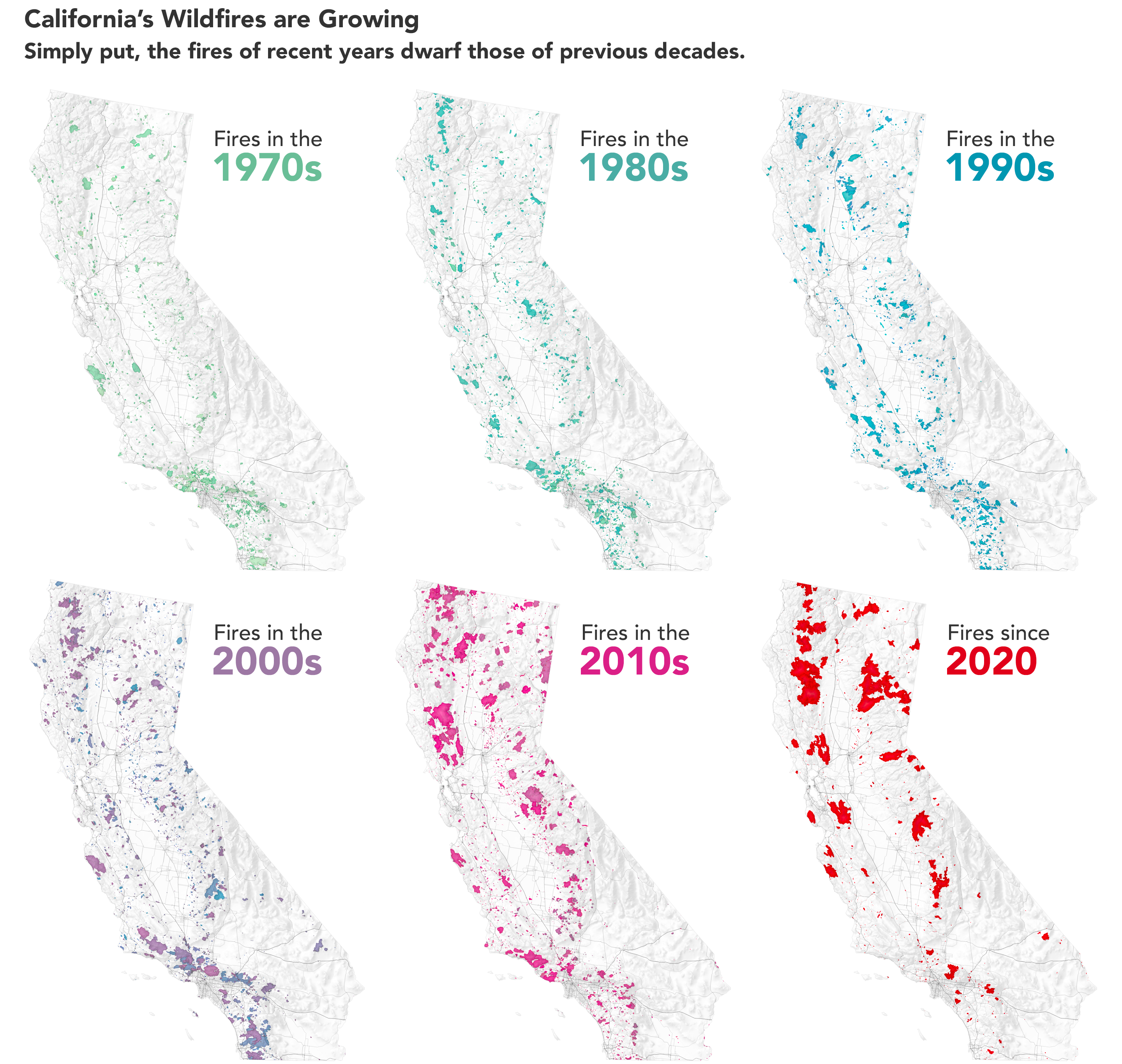
The most direct answer to “how much” often refers to the sheer acreage consumed by flames. The California Department of Forestry and Fire Protection (CAL FIRE) consistently tracks this data. Historically, wildfire seasons might have seen hundreds of thousands of acres burn. However, in recent years, the numbers have soared into the millions. For instance, the 2020 wildfire season was particularly devastating, with fires burning over 4 million acres, a record-breaking figure at the time. This represents a significant portion of the state’s total landmass, which is approximately 100 million acres. While not every acre of the state is simultaneously ablaze, the cumulative impact of these massive fires, often occurring concurrently or in quick succession, reshapes landscapes and ecosystems on a grand scale. These aren’t isolated incidents; they are becoming a chronic feature of California’s climate.
The fires are not confined to remote wilderness areas. They frequently threaten and encroach upon communities, forcing widespread evacuations and destroying homes and infrastructure. The human cost is immeasurable, but the physical footprint of these infernos is quantifiable in these vast tracts of burned land. The ecological consequences are also profound, affecting biodiversity, soil health, and water quality for years to come.
The Changing Nature of Fire Season
Traditionally, California’s fire season was largely confined to the warmer, drier months of late summer and fall, particularly in Southern California. However, climate change has elongated and intensified this period. Extended droughts, record-high temperatures, and increased fuel loads (dry vegetation) have created conditions ripe for ignition and rapid fire spread. This means that fire activity can begin earlier in the year, extend later into the fall, and even occur during unseasonably warm winter periods.
This shift has profound implications for planning and preparedness. It challenges traditional seasonal models for fire response and requires a year-round vigilance. It also means that areas previously considered less susceptible to large-scale fires are now at higher risk. The entire state, from the forested mountains of the north to the chaparral-covered hills of the south, is increasingly vulnerable.
Fuel Loads and Forest Health
The “how much” also relates to the underlying conditions that fuel these fires. Decades of fire suppression policies, coupled with changes in forest management and the impacts of climate change, have led to an accumulation of dense, dry vegetation – what experts call “fuel loads.” This excess fuel acts like tinder, allowing fires to spread faster and burn hotter.
Furthermore, the health of California’s forests is a critical factor. Drought-stressed trees are more susceptible to insect infestations and diseases, which kill trees and add to the dead, dry fuel on the forest floor. These weakened forests become ticking time bombs, waiting for an ignition source. The scale of this problem is immense, affecting vast tracts of forestland, including iconic areas like Yosemite National Park and the Sierra Nevada mountain range.
Impacts on Tourism and Travel: Navigating the Smoky Skies
The visual spectacle of smoke-filled skies and the stark reality of burned landscapes directly impact California’s vital tourism sector. For many, the allure of visiting California lies in its natural beauty, its outdoor adventures, and its iconic landmarks. Wildfires disrupt these experiences in numerous ways, affecting everything from travel bookings to the very accessibility of popular destinations.
Destinations Affected: From Coastal Fog to Mountain Smoke
California’s diverse tourist attractions are not immune. National parks like Yosemite, Sequoia, and Kings Canyon are often impacted, with trails closed, campgrounds shuttered, and access roads restricted due to fire activity. The iconic Pacific Coast Highway, particularly the dramatic stretch through Big Sur, has seen closures and detours caused by fires, frustrating travelers and impacting local businesses.
Even cities can be affected. Smoke from distant fires can drift for hundreds of miles, creating unhealthy air quality in urban centers like Los Angeles and San Francisco. This can lead to cancellations of outdoor events, reduced visibility for sightseeing, and a general deterrent for visitors who prioritize clean air and clear skies for their travel experiences. The very destinations that draw people to California can become inaccessible or unpleasant due to fire.
Accommodation and Hospitality: A Fragile Ecosystem
The tourism industry is intrinsically linked to accommodation providers, from luxury resorts to charming boutique hotels and vacation rentals. When wildfires rage, these businesses often suffer a double blow. Firstly, direct impacts can occur if fires threaten properties, leading to evacuations and potential damage or destruction. Secondly, and perhaps more commonly, the broader disruption to travel – flight cancellations, road closures, and traveler apprehension – results in a significant drop in bookings.
For hotels and resorts situated in or near affected areas, the economic consequences can be severe. Fewer tourists mean less revenue, impacting staff, local suppliers, and the overall vitality of the community. This is particularly true for smaller towns that rely heavily on tourism. The ability to offer a serene and appealing environment is paramount, and the pervasive threat of wildfires undermines this offering. Travelers planning a getaway to a California resort or seeking a cozy villa for a family trip might reconsider their plans when faced with news of fires.
Rethinking Travel Experiences: Resilience and Adaptation
The persistent threat of wildfires is prompting a reassessment of how people travel and experience California. While the desire to visit remains strong, travelers are becoming more adaptable and informed. This includes:
- Flexible Booking: Increasingly, travelers are looking for accommodation options with flexible cancellation policies.
- Monitoring Air Quality: Real-time air quality reports are becoming as crucial as weather forecasts for planning daily activities.
- Alternative Destinations: Some visitors may opt for regions less prone to immediate fire threats within California or choose entirely different travel destinations.
- Supporting Local Efforts: There’s a growing awareness and desire to support communities impacted by fires, which can translate into conscious travel choices once it’s safe to visit.
The lifestyle segment of travel, encompassing luxury, budget, and family trips, is also adapting. Luxury travelers seeking exclusive experiences in wine country like Napa Valley or Sonoma County may find their vineyard tours impacted by smoke or closures. Budget travelers might find their planned camping trips in national forests curtailed. Families planning theme park visits in Southern California might face smoky skies that dampen the outdoor fun. This requires a more resilient approach to planning, acknowledging that wildfires are now a factor to be considered in any Californian adventure.
The Long-Term Outlook: Climate Change and California’s Future
The question “How Much Of California Is Burning?” is not just about the current fire season; it’s about a trajectory. The underlying driver of this increased fire activity is climate change, and its effects are projected to intensify. This presents a significant challenge for California’s future, impacting not only its natural beauty and tourism but also its communities, economy, and lifestyle.
Climate Change as a Fuel Multiplier
Scientific consensus points to rising global temperatures as a primary accelerant for California’s wildfire problem. Warmer weather dries out vegetation more rapidly, creating more abundant and continuous fuel. Shifting precipitation patterns can lead to prolonged droughts, further stressing ecosystems. This feedback loop means that the conditions conducive to large, intense fires are likely to become more common and severe.
The impact on landscapes is profound. Massive fires can alter forest composition, making it harder for native species to regrow. This can lead to long-term ecological shifts. The loss of mature forests, which act as carbon sinks, also exacerbates climate change, creating a vicious cycle. This isn’t a distant threat; it’s a present reality that is reshaping the natural heritage of the Golden State.

Adapting to a New Normal: Fire Management and Community Resilience
Addressing the escalating wildfire crisis requires a multi-faceted approach. This includes:
- Enhanced Fire Prevention and Suppression: Investing in advanced technology, increasing staffing for firefighting crews, and employing innovative techniques like prescribed burns and fuel reduction programs are crucial.
- Community Preparedness: Educating residents in fire-prone areas about defensible space around homes, evacuation plans, and fire-resistant building materials is vital. Firewise USA® communities are a testament to this effort.
- Forest Restoration: Long-term strategies for restoring forest health, including planting more resilient tree species and managing undergrowth, are essential for mitigating future fire risks.
- Policy and Planning: Governments at all levels need to implement policies that address climate change mitigation and adaptation, including land-use planning that accounts for increased fire risk.
The challenge is immense, requiring coordinated efforts from government agencies, private landowners, researchers, and the public. The future of California’s iconic natural landscapes, its thriving tourism industry, and the very lifestyle that draws people to its shores depends on how effectively the state can adapt to and mitigate the growing threat of wildfire. The question of “how much” will continue to evolve, but understanding the underlying causes and implementing robust solutions will be key to preserving the Golden State for generations to come.
LifeOutOfTheBox is a participant in the Amazon Services LLC Associates Program, an affiliate advertising program designed to provide a means for sites to earn advertising fees by advertising and linking to Amazon.com. Amazon, the Amazon logo, AmazonSupply, and the AmazonSupply logo are trademarks of Amazon.com, Inc. or its affiliates. As an Amazon Associate we earn affiliate commissions from qualifying purchases.