
The San Francisco Bay Area is a region that looms large in the collective imagination of California. It conjures images of innovation, iconic landmarks, and a vibrant, diverse culture. But when we ask “how much of California lives in the Bay Area?”, we’re not just talking about geographical representation. We’re delving into demographics, economic influence, cultural impact, and the sheer breadth of experiences that this dynamic region offers to residents and visitors alike. To truly understand the Bay Area’s significance, we need to explore its population density, its contribution to the state’s economy, and the unique lifestyle it fosters.

The Demographic Heartbeat: Population and Density
At its core, the question of “how much of California” resides in the Bay Area is a question of people. The Bay Area is a densely populated and highly sought-after region, consistently ranking among the most populous metropolitan areas in California.
Key Counties and Their Populations
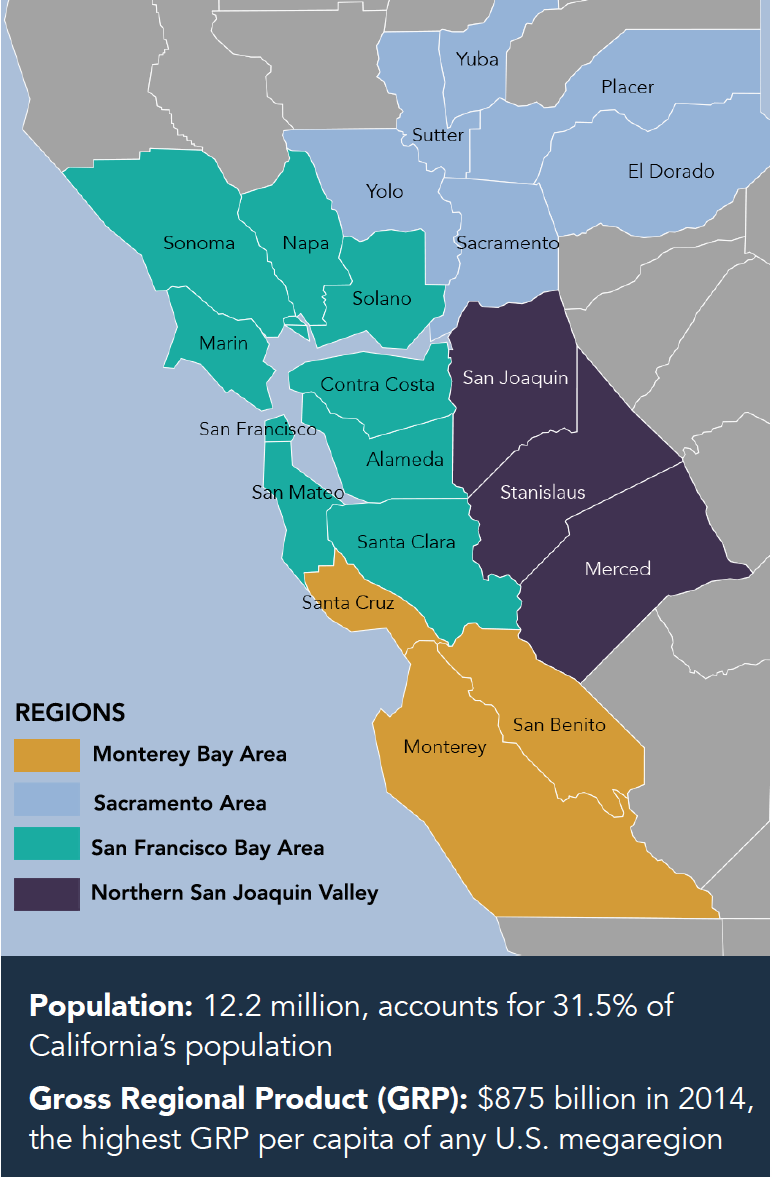
The Bay Area is typically defined by its nine contiguous counties: Alameda, Contra Costa, Marin, Napa, San Francisco, San Mateo, Santa Clara, Solano, and Sonoma. Each of these counties contributes to the region’s overall demographic tapestry.
- Santa Clara County, home to Silicon Valley, is the most populous, often housing over two million residents. This concentration is driven by the immense job opportunities in the tech sector.
- Alameda County and San Francisco County are also significant population centers, with San Francisco itself being one of the most densely populated cities in the United States, a testament to its compact geography and enduring appeal.
- The northern counties, such as Napa and Sonoma, while less densely populated, offer a distinct lifestyle and contribute to the region’s charm and economic diversity through their renowned wine industries.
- San Mateo County acts as a crucial link between San Francisco and Silicon Valley, boasting a substantial population and a thriving economy.
Population Trends and Growth
Historically, the Bay Area has been a magnet for migration, attracting people from across the United States and the globe. This influx has been fueled by economic opportunities, educational institutions, and a desirable climate. While growth rates can fluctuate, the region consistently adds to its population, reflecting its ongoing importance within California. Understanding these population dynamics is key to appreciating the Bay Area’s substantial presence within the state. The sheer number of people calling the Bay Area home signifies a significant portion of California’s total populace, making it a demographic powerhouse.
The Economic Engine: Innovation and Industry
Beyond sheer numbers, the Bay Area’s influence on California is profoundly shaped by its economic might. It is not merely a collection of residents; it is an engine of innovation, a hub for global industries, and a significant contributor to the state’s Gross Domestic Product (GDP).
Silicon Valley: The Epicenter of Tech
The term “Silicon Valley” is synonymous with technological advancement and has become a global brand. This region, primarily encompassing Santa Clara County and parts of San Mateo and Alameda counties, is home to some of the world’s largest technology companies, including Apple, Google, Meta (Facebook), and countless startups. The concentration of venture capital, research institutions like Stanford University, and a highly skilled workforce creates a unique ecosystem that drives innovation and economic growth not just for California, but for the entire nation. The economic output generated by Silicon Valley alone accounts for a substantial portion of California’s overall economic activity.
Diversified Economic Landscape
While technology often steals the spotlight, the Bay Area’s economy is more diverse than it might appear. The financial sector, biotechnology, healthcare, tourism, and the world-renowned wine industry of Napa and Sonoma all play vital roles. The port of Oakland is a major gateway for international trade, contributing significantly to the state’s commerce. This diversified economic base ensures resilience and broad-based prosperity, further solidifying the Bay Area’s integral position within California’s economic framework.
Impact on the State and Beyond
The Bay Area’s economic influence extends far beyond its geographical boundaries. It attracts talent, investment, and businesses from around the world, creating a ripple effect that benefits the entire state. High-paying jobs in the region contribute to consumer spending and tax revenue, supporting public services and infrastructure across California. The entrepreneurial spirit and pioneering culture fostered here often set trends and inspire new ventures elsewhere.
The Cultural Tapestry: Lifestyle and Influence

The Bay Area is more than just a place to live and work; it’s a place with a distinct cultural identity that significantly shapes the broader Californian experience. Its diversity, progressive ethos, and vibrant arts scene contribute to its unique character.
A Melting Pot of Cultures
The Bay Area is celebrated for its extraordinary diversity. Generations of immigration have created a rich mosaic of cultures, languages, and traditions. Neighborhoods like Chinatown in San Francisco, the Mission District with its vibrant Latino culture, and communities with strong Asian and Pacific Islander influences are testaments to this rich heritage. This cultural fusion is reflected in the region’s cuisine, festivals, and everyday life, making it a microcosm of the global village. This diversity is a defining characteristic that a significant portion of California’s population experiences and contributes to.
Culinary Delights and Gastronomic Innovation
The Bay Area is a globally recognized culinary destination. From Michelin-starred restaurants to bustling farmers’ markets and diverse street food, the region offers an unparalleled gastronomic journey. The farm-to-table movement has deep roots here, with a strong emphasis on fresh, local, and sustainable ingredients, often sourced from the fertile agricultural lands surrounding the region. This focus on quality and innovation in food has influenced dining trends across California and beyond.
Arts, Entertainment, and Iconic Landmarks
The Bay Area boasts a thriving arts and culture scene. San Francisco is home to world-class museums such as the de Young Museum and the San Francisco Museum of Modern Art (SFMOMA), as well as renowned performing arts organizations like the San Francisco Symphony and the San Francisco Ballet. Iconic landmarks like the Golden Gate Bridge, Alcatraz Island, and the Palace of Fine Arts attract millions of visitors annually, contributing significantly to the state’s tourism industry. The unique architecture, from the Victorian houses of San Francisco to the modern designs of Silicon Valley, further defines the region’s aesthetic.
A Hub for Progressive Ideas and Social Movements
The Bay Area has long been a center for progressive thought and social activism. It was a focal point of the counterculture movement of the 1960s and continues to be at the forefront of social change, environmentalism, and LGBTQ+ rights. This forward-thinking ethos permeates the region’s culture and influences political and social discourse throughout California.
The Tangible Presence: Tourism and Visitor Experience
When considering “how much of California lives in the Bay Area,” one must also acknowledge the immense draw the region holds for visitors. The Bay Area is a premier tourist destination, drawing millions of domestic and international travelers each year, significantly contributing to California’s tourism economy.
Iconic Destinations and Attractions
The Bay Area is home to a constellation of world-famous landmarks and attractions. The majestic Golden Gate Bridge is an enduring symbol of San Francisco and a must-see for any visitor. Alcatraz Island, the infamous former federal prison, offers a fascinating historical tour. Fisherman’s Wharf buzzes with activity, offering fresh seafood, street performers, and views of Ghirardelli Square. The charming cable cars of San Francisco provide a quintessential travel experience. Beyond the city, the natural beauty of Muir Woods National Monument with its towering redwood trees, and the picturesque vineyards of Napa Valley and Sonoma County offer idyllic escapes.
Diverse Experiences for Every Traveler
The Bay Area caters to a wide range of travel interests. For the cultural enthusiast, there are numerous museums, galleries, and theaters. Foodies can embark on a culinary adventure through its diverse neighborhoods and acclaimed restaurants. Nature lovers can explore the rugged coastline, hike in the hills, or kayak on the bay. Tech enthusiasts can tour the campuses of leading technology companies and visit the Computer History Museum. Families will find attractions like the California Academy of Sciences and the Exploratorium.
Accommodation Options: From Luxury Resorts to Boutique Stays
The Bay Area offers a comprehensive array of accommodation options to suit every traveler’s needs and budget. In San Francisco, visitors can choose from grand historic hotels offering stunning city views, sleek modern establishments in the financial district, and intimate boutique hotels in charming neighborhoods like Union Square or North Beach.
- Luxury Resorts and Hotels: Destinations like the Ritz-Carlton, San Francisco, and Fairmont San Francisco offer unparalleled luxury, exceptional service, and prime locations. Beyond the city, resorts in Napa Valley and Sonoma provide a serene wine country experience, often featuring spa services, fine dining, and vineyard tours.
- Boutique and Charming Stays: For those seeking a more personalized experience, the Bay Area boasts numerous boutique hotels that capture the unique spirit of individual neighborhoods. These often provide a more intimate atmosphere and curated amenities.
- Apartments and Villas: For longer stays or family trips, serviced apartments and vacation rentals offer a home-away-from-home feel, providing more space and flexibility. Areas like Sausalito and the wine country offer beautiful villas with scenic views.
- Budget-Friendly Options: While known for its high cost of living, the Bay Area also provides more budget-conscious options, including well-located hostels, motels, and standard hotel chains in the East Bay and South Bay regions, offering accessibility to the region’s attractions.
The sheer volume of tourism and the vast array of hospitality services available in the Bay Area underscore its significant role in California’s identity as a travel and leisure destination. It is a region that actively contributes to and defines the state’s appeal to visitors from around the globe.
LifeOutOfTheBox is a participant in the Amazon Services LLC Associates Program, an affiliate advertising program designed to provide a means for sites to earn advertising fees by advertising and linking to Amazon.com. Amazon, the Amazon logo, AmazonSupply, and the AmazonSupply logo are trademarks of Amazon.com, Inc. or its affiliates. As an Amazon Associate we earn affiliate commissions from qualifying purchases.