
The Lone Star State has long been synonymous with oil production, a legacy that shapes its economy, landscape, and identity. Understanding the sheer scale of Texas oil production is not just an exercise in statistics; it’s a deep dive into the engine that drives significant global energy markets and influences Texas itself. From the sprawling oil fields of West Texas to the historic gusher sites, the story of Texas oil is one of innovation, boom-and-bust cycles, and an enduring impact on the state’s economic prosperity and its role on the world stage.
The Scale of Texas Oil Production
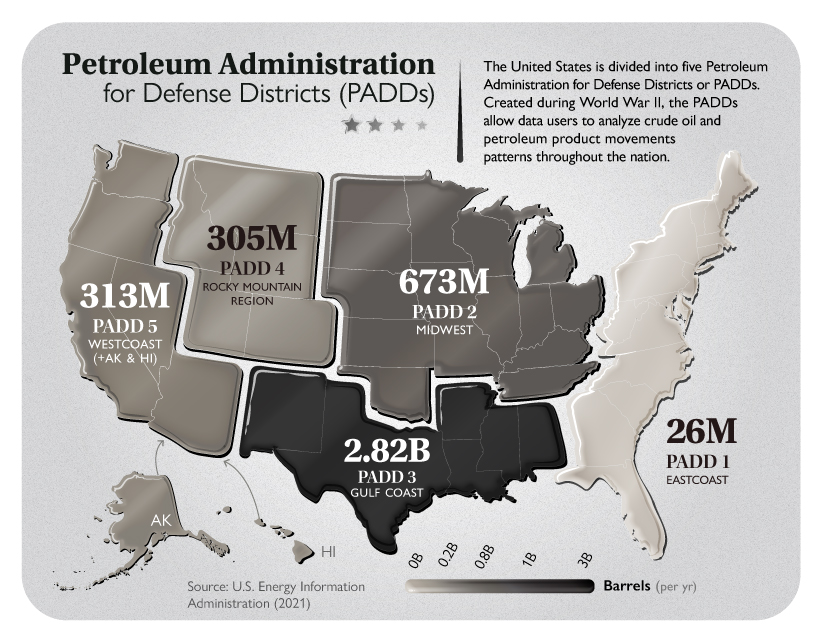
Texas consistently holds the title of the largest oil-producing state in the United States. Its output is not merely significant; it often rivals that of entire countries. This remarkable production is driven by a combination of vast geological reserves, advanced extraction technologies, and a business-friendly regulatory environment.

Daily and Annual Output
To grasp the magnitude of Texas oil production, consider its daily and annual figures. While these numbers fluctuate based on market conditions, technological advancements, and drilling activity, they consistently place Texas at the forefront of global energy supply. In recent years, Texas has regularly produced over 5 million barrels of crude oil per day. Annually, this translates to well over 1.8 billion barrels. This volume is staggering when compared to the production of many oil-exporting nations. For perspective, a barrel of oil contains 42 U.S. gallons, meaning Texas alone contributes tens of billions of gallons of oil to the market each year.
Key Producing Basins
The state’s prolific oil output is concentrated in several key geological formations and basins. These areas are rich in hydrocarbons due to millennia of geological processes.
The Permian Basin
The Permian Basin, straddling West Texas and southeastern New Mexico, is arguably the most significant oil-producing region within Texas and one of the most productive in the world. It is a vast, ancient seabed filled with thick layers of oil-bearing rock. The advent of horizontal drilling and hydraulic fracturing, commonly known as fracking, has unlocked vast quantities of previously inaccessible oil from the shale formations within the Permian Basin, such as the Wolfcamp, Spraberry, and Bone Spring. This technological revolution has led to an unprecedented surge in production, making the Permian Basin a critical hub for U.S energy independence. Cities like Midland and Odessa have seen their economies boom due to the activity in this basin.
The Eagle Ford Shale
Located in South Texas, the Eagle Ford Shale is another major player in the state’s oil production. While it also yields natural gas, its oil output has been substantial, particularly since the widespread adoption of advanced drilling techniques. The Eagle Ford region, encompassing areas near San Antonio and stretching towards the Gulf Coast, has been a significant contributor to the overall Texas oil yield.
Other Producing Areas
While the Permian Basin and Eagle Ford Shale dominate, other regions in Texas also contribute to oil production. These include older, conventional fields that continue to produce, albeit at lower volumes, and emerging plays. The historical significance of areas like the East Texas field, a massive conventional oil discovery made in 1930, is also part of the state’s rich oil narrative, though its peak production days are long past.
Factors Driving Texas Oil Production
Several interconnected factors contribute to Texas’s persistent dominance in oil production. These range from its geological endowment to its economic and technological landscape.
Geological Resources
The fundamental reason for Texas’s oil wealth lies in its geology. The state sits atop vast sedimentary basins that have trapped enormous quantities of hydrocarbons over millions of years. These ancient deposits are ideal for both conventional and unconventional oil extraction. The presence of thick shale layers, coupled with the right geological conditions for trapping oil and gas, makes formations like the Permian Basin and Eagle Ford Shale exceptionally productive.
Technological Advancements
The oil industry is heavily reliant on technology, and Texas has been at the forefront of adopting and innovating new extraction methods. The widespread implementation of horizontal drilling and hydraulic fracturing has revolutionized oil recovery, particularly from low-permeability shale formations. These techniques allow drillers to access oil that was previously uneconomical or impossible to extract. Advancements in seismic imaging, directional drilling, and enhanced oil recovery (EOR) methods continue to push the boundaries of what is possible, extending the life and increasing the output of Texas oil fields.
Economic and Regulatory Environment
Texas is renowned for its pro-business and pro-energy stance. The state has historically maintained a relatively low tax burden on oil and gas operations and has a regulatory framework that, while evolving, is generally seen as conducive to exploration and production. This environment, combined with abundant natural resources and skilled labor, attracts significant investment from oil companies, both domestic and international, driving continued drilling and production. The ability for companies to develop and exploit these resources efficiently is a critical component of Texas’s oil success.
The Impact of Texas Oil Production
The immense scale of oil production in Texas has profound implications, not only for the state itself but also for the United States and the global energy market.
Economic Influence
Oil and gas extraction is a cornerstone of the Texas economy. It generates billions of dollars in revenue, creates hundreds of thousands of jobs directly and indirectly, and contributes significantly to state and local tax coffers. The boom-and-bust cycles inherent in the energy sector can lead to periods of rapid economic growth, followed by downturns when oil prices fall. Nevertheless, the industry remains a vital engine for job creation, infrastructure development, and investment across the state, supporting sectors from manufacturing and transportation to hospitality and services in cities like Houston and Dallas.
Energy Independence and Global Markets
Texas’s massive oil output plays a crucial role in U.S energy independence. By producing a significant portion of the nation’s oil supply, Texas reduces the United States’ reliance on foreign oil imports. On a global scale, Texas production is a significant factor influencing global oil prices and supply dynamics. Disruptions or surges in Texas output can have ripple effects felt across international energy markets, impacting everything from gasoline prices at the pump to geopolitical stability.
Environmental Considerations
The extraction and production of oil, while economically vital, also present environmental challenges. These include concerns related to water usage in hydraulic fracturing, potential for groundwater contamination, air emissions from drilling operations and processing facilities, and the broader issue of greenhouse gas emissions contributing to climate change. The industry in Texas operates under environmental regulations designed to mitigate these impacts, and there is ongoing research and development into more sustainable practices and technologies within the energy sector. The debate surrounding the environmental footprint of oil production in Texas remains a critical aspect of its energy story.
The Future of Texas Oil Production
The landscape of oil production in Texas is dynamic, shaped by evolving technologies, market forces, and global energy transitions. While the state’s prolific output is undeniable, its future trajectory will be influenced by several key trends.
Sustained Production and Technological Innovation
The Permian Basin and other key Texas oil plays are expected to remain major production centers for years to come. Continued investment in technological innovation will be critical to maximizing recovery from existing fields and identifying new reserves. This includes further refinement of fracking and horizontal drilling techniques, as well as advancements in artificial intelligence and data analytics to optimize drilling and production operations. The efficiency gains from these technologies can help maintain Texas production levels even as older fields mature.
Energy Transition and Diversification
The global shift towards cleaner energy sources presents both challenges and opportunities for Texas. While oil and gas will likely remain crucial components of the energy mix for the foreseeable future, the state’s energy industry is also increasingly investing in renewable energy technologies such as solar and wind power. This diversification reflects a broader trend towards a lower-carbon economy. The expertise and infrastructure developed within the oil and gas sector can be leveraged to support this transition, positioning Texas as a leader in both traditional and emerging energy sectors.

Market Volatility and Geopolitics
The price of oil is subject to significant volatility driven by global supply and demand, geopolitical events, and economic conditions. Texas producers must navigate these fluctuations, which can impact investment decisions and production levels. The state’s role as a major oil supplier means its output is also intertwined with international energy politics and the ongoing global dialogue on energy security and sustainability. Understanding these external factors is essential for comprehending the long-term outlook for Texas oil production.
LifeOutOfTheBox is a participant in the Amazon Services LLC Associates Program, an affiliate advertising program designed to provide a means for sites to earn advertising fees by advertising and linking to Amazon.com. Amazon, the Amazon logo, AmazonSupply, and the AmazonSupply logo are trademarks of Amazon.com, Inc. or its affiliates. As an Amazon Associate we earn affiliate commissions from qualifying purchases.