
Navigating the financial landscape of any trip, whether for leisure or business, involves understanding the various costs associated with your travels. For those planning an adventure to the Sunshine State, a crucial aspect of budgeting is grasping the intricacies of Florida’s sales tax. This tax impacts everything from your hotel stay and dining experiences to the souvenirs you pick up to commemorate your visit. Florida’s sales tax system is a dynamic entity, influenced by state mandates and local discretion, making a comprehensive understanding essential for any traveler aiming to manage their expenses effectively. This guide aims to demystify the sales tax in Florida, providing clarity on rates, exemptions, and how it applies to common travel expenditures.
Understanding Florida’s State Sales Tax
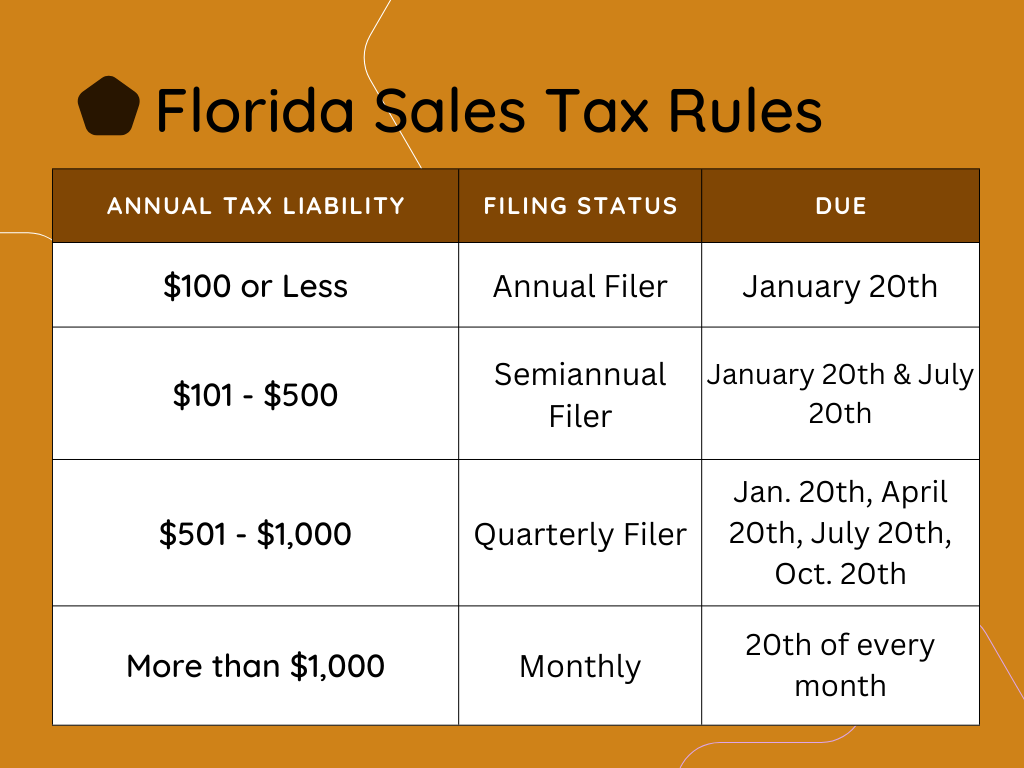
Florida operates a statewide sales and use tax, which forms the bedrock of its taxation for goods and services. This tax is levied on the retail sale of tangible personal property and on taxable services. The standard state sales tax rate in Florida is 6%. However, this rate is not the final figure you will encounter in many locations. The state sales tax is augmented by local discretionary sales surtaxes, which vary significantly from county to county. These surtaxes are established by individual counties to fund various local projects, including public safety, infrastructure improvements, and educational initiatives. Consequently, the total sales tax rate an individual pays is a combination of the state rate and the applicable county surtax.
The State Rate and its Application
The 6% state sales tax applies universally across Florida to all taxable transactions. This includes a broad spectrum of goods, such as clothing, electronics, furniture, and even groceries in certain instances (though many basic food items are exempt). For services, the state sales tax applies to a curated list of taxable services, which can include things like the repair of tangible personal property, commercial pest control services, and security and alarm monitoring services. It is important to note that the definition of “tangible personal property” is broad and encompasses most physical items purchased. The “use tax” is essentially the counterpart to sales tax; it is due when taxable goods or services are purchased outside Florida but used or consumed within Florida, and sales tax was not paid at the time of purchase. This prevents individuals from avoiding Florida’s tax by shopping out of state.
Local Discretionary Sales Surtaxes
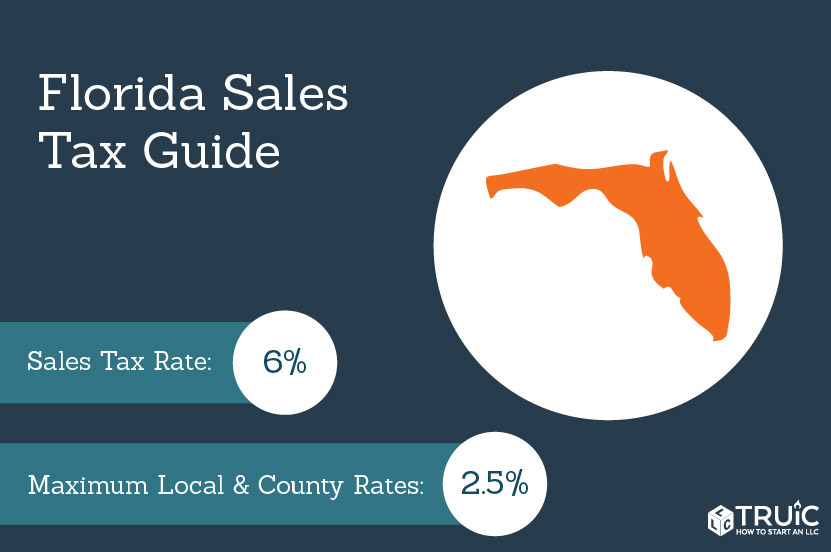
The addition of local discretionary sales surtaxes is where the complexity for travelers truly emerges. Florida law permits counties to levy a local discretionary sales surtax, with rates ranging from 0.5% to 2.5%. This means that a visitor in one county might pay a total sales tax rate significantly higher than someone in an adjacent county. For instance, a county might impose a 1% surtax, bringing the total sales tax rate to 7% (6% state + 1% local). Another county might have a 1.5% surtax, resulting in a total rate of 7.5%. These surtaxes are often earmarked for specific purposes, such as funding local transportation projects or schools, providing a direct link between local taxation and community improvements. The specific rate applicable to your purchase will depend on the county where the transaction takes place. Therefore, knowing the county you are in when making a purchase is paramount to calculating the accurate sales tax.
Sales Tax on Common Travel Expenses in Florida
For tourists and business travelers alike, understanding how sales tax affects common expenses is key to accurate budgeting. This includes everything from your lodging and dining to entertainment and shopping. The rates can differ based on the type of good or service and the specific location within Florida.
Accommodation and Lodging Taxes
When booking a stay in Florida, it’s crucial to factor in lodging taxes. These taxes are a combination of the state sales tax, a local discretionary sales surtax, and often an additional county-specific tourist or convention development tax. The state sales tax of 6% applies to hotel room rentals. On top of this, the county’s discretionary surtax will be added. Furthermore, many popular tourist destinations in Florida levy a special “tourist tax” or “convention development tax,” which can range from 2% to 6% or even higher in some areas, particularly in counties with significant tourism industries. These additional taxes are specifically designed to fund tourism promotion, convention facilities, and related infrastructure. Consequently, the total tax on a hotel room can easily reach double-digit percentages, varying significantly by county and city. For example, a hotel in Miami-Dade County might have a higher total tax rate than a hotel in a less tourist-centric part of the state. Always check the specific rates for the city and county of your accommodation.
Dining and Restaurant Purchases
Dining out is an integral part of the travel experience, and sales tax applies to most restaurant purchases. The state sales tax of 6% is applied, along with any applicable local discretionary sales surtax in the county where the restaurant is located. This means that your meal at a restaurant in Orlando might be taxed at a different total rate than a meal in Tampa. It is important to note that prepared foods, such as those purchased from grocery store delis or convenience stores, are generally treated the same as restaurant meals and are subject to sales tax. However, un-prepared food items intended for home consumption, like raw ingredients from a supermarket, are typically exempt from sales tax in Florida.
Retail Shopping and Souvenirs
Florida’s vibrant retail scene, from high-end malls to unique local boutiques, is subject to sales tax on most purchases. The general rule is that tangible personal property is taxable at the state rate of 6% plus any local discretionary sales surtax. This applies to clothing, electronics, gifts, and, of course, the plethora of souvenirs that travelers often acquire. When shopping in popular tourist areas like International Drive in Orlando or along Ocean Drive in Miami Beach, you will encounter the combined state and local rates. The key takeaway here is that the tax rate will be determined by the physical location of the store where you make your purchase.
Entertainment and Attractions
Many forms of entertainment and attractions in Florida are also subject to sales tax. This can include admission fees to theme parks, movie theaters, museums, and sporting events. The state sales tax of 6% generally applies, along with any applicable local discretionary sales surtax. However, there are some specific exemptions. For example, admission to live performing arts events or certain types of athletic contests may be exempt under specific conditions. It is always advisable to check the tax policy of the specific attraction or venue you plan to visit.
Exemptions and Special Considerations
While sales tax is pervasive in Florida, certain items and transactions are exempt, and there are specific rules that can impact travelers. Understanding these nuances can lead to unexpected savings.
Grocery and Food Items
As mentioned earlier, a significant exemption in Florida’s sales tax structure pertains to food and beverages. Most raw or unprepared food products intended for home consumption are exempt from sales tax. This includes items like fresh produce, dairy products, meat, poultry, and seafood purchased from grocery stores or supermarkets. However, this exemption generally does not extend to prepared foods, such as hot meals, sandwiches, salads from a deli counter, or beverages like sodas and juices sold in a prepared form. The distinction lies in whether the item is intended for immediate consumption or requires further preparation by the consumer.
Prescription Medications and Medical Supplies
Prescription drugs and certain medical supplies are among the most important exemptions from Florida’s sales tax. This ensures that essential healthcare items remain accessible and affordable. Over-the-counter medications, while often thought of as similar to prescription drugs, are generally taxable unless specifically listed as exempt. It is always wise to verify the tax status of any medical item at the point of purchase.
Specific Local Exemptions and Tourism-Related Taxes
Some counties or municipalities may offer specific exemptions or have unique tax structures, particularly those heavily reliant on tourism. While the state and county discretionary surtaxes are standard, certain local ordinances might provide targeted relief or apply additional assessments. For instance, some areas might have a dedicated tax for beach renourishment or arts funding, which would be layered onto the standard sales tax. It is always prudent to check with local authorities or the Florida Department of Revenue for the most up-to-date information on specific local tax laws.
Calculating Your Total Sales Tax in Florida
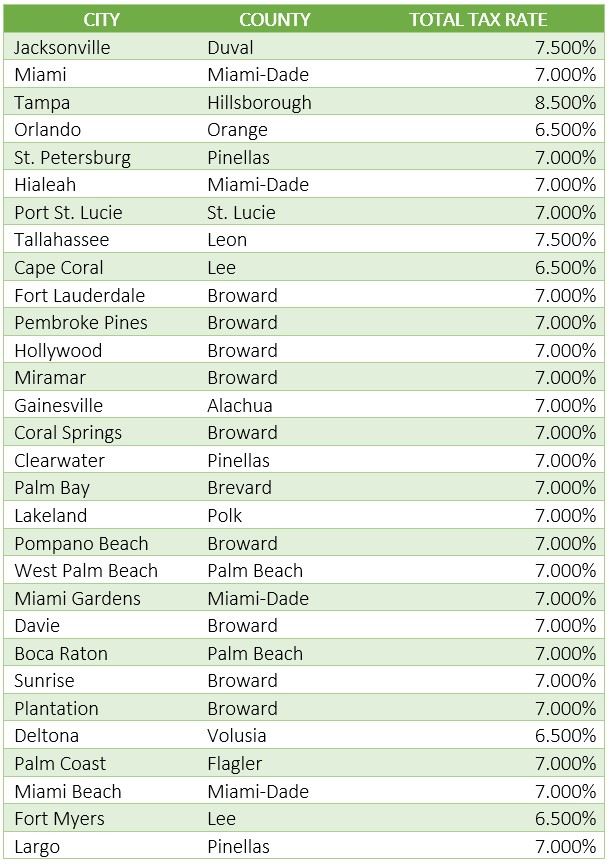
To accurately estimate the sales tax you will pay, you need to know the specific county in which your transaction is occurring. The Florida Department of Revenue provides resources that list the combined state and local sales tax rates for every county.
Finding Your County’s Rate
The most reliable way to determine the exact sales tax rate is to consult official sources. The Florida Department of Revenue website is the definitive authority on sales tax rates. They maintain a searchable database or a downloadable list of current sales and use tax rates by county. This resource is invaluable for travelers who want to budget precisely. For example, if you know you’ll be spending significant time in Palm Beach County, you would look up the specific rate for that county. Similarly, if your travels take you to the Florida Keys in Monroe County, you would check that county’s tax rate. These resources are updated periodically to reflect any changes in local surtaxes.
Example Calculation
Let’s consider an example. Suppose you purchase a new handbag for $200 in Orange County, Florida.
- State Sales Tax: $200 * 6% = $12.00
- Orange County Discretionary Sales Surtax: Orange County has a discretionary sales surtax. As of recent data, let’s assume it’s 1%. So, $200 * 1% = $2.00
- Additional Tourist Tax (if applicable): Depending on the specific location within Orange County (e.g., within city limits of Orlando that might levy their own tourism tax), there could be further taxes. For simplicity in this example, we’ll assume no additional tourist tax beyond the state and county rates.
- Total Sales Tax: $12.00 (state) + $2.00 (county) = $14.00
- Total Cost: $200 (item price) + $14.00 (sales tax) = $214.00
This example illustrates how the state rate is augmented by local taxes. Always verify the precise local surtax for your specific destination within Florida.
By understanding these components – the state sales tax, local discretionary surtaxes, and any specific tourist taxes – travelers can gain a clear picture of their total tax liability in Florida and budget accordingly for a more seamless and enjoyable trip.
LifeOutOfTheBox is a participant in the Amazon Services LLC Associates Program, an affiliate advertising program designed to provide a means for sites to earn advertising fees by advertising and linking to Amazon.com. Amazon, the Amazon logo, AmazonSupply, and the AmazonSupply logo are trademarks of Amazon.com, Inc. or its affiliates. As an Amazon Associate we earn affiliate commissions from qualifying purchases.