
Navigating the financial landscape of any destination is a crucial aspect of travel planning, and for visitors to the Empire State, understanding the sales tax implications is no exception. New York, with its iconic skylines, world-class attractions, and diverse culinary scene, draws millions of tourists annually. While the allure of New York City and its surrounding regions is undeniable, being aware of sales tax rates can significantly impact your budget. This guide aims to demystify the sales tax structure in New York, providing clarity on what to expect when making purchases, from souvenirs to dining experiences.
Understanding the Layers of New York Sales Tax
Sales tax in New York is a multi-layered system, comprising state, county, and often, metropolitan commuter transportation district (MCTD) taxes. This means the final rate you pay can vary depending on where you are within the state. While the state imposes a base rate, local governments have the authority to add their own levies, creating a complex but manageable tax environment for travelers.
The State Sales Tax Rate
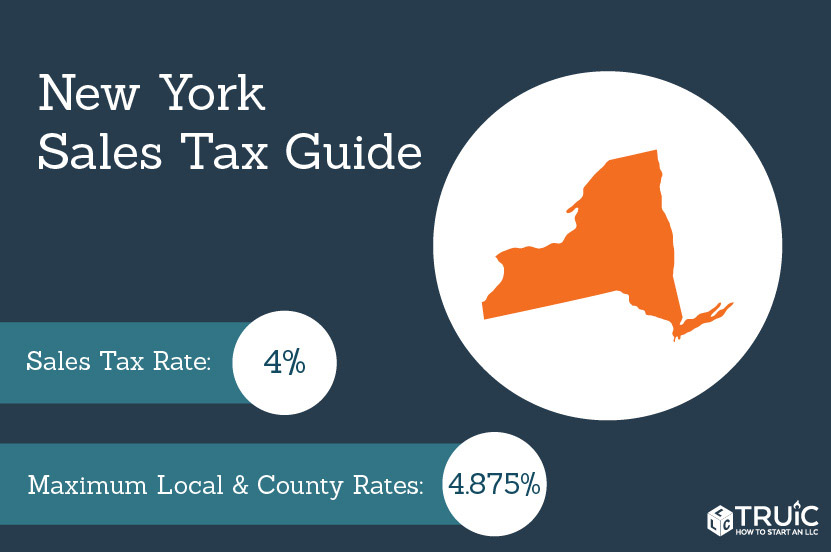
At the core of the sales tax calculation is the state rate. Currently, the New York State sales tax rate is 4%. This rate applies to the sale of tangible personal property and most services across the state. It’s the foundational figure upon which all other local taxes are added, forming the total sales tax burden. Understanding this base rate is the first step in grasping the overall tax commitment.
County and Local Additions
Beyond the state’s 4%, counties and specific districts within New York can impose additional sales taxes. These local rates are not uniform and vary significantly from one jurisdiction to another. For instance, a purchase made in New York City will likely have a higher total sales tax than one made in a more rural upstate county. This is primarily due to the inclusion of additional local taxes designed to fund various municipal services and infrastructure projects.
- County Sales Tax: Most counties in New York levy their own sales tax, which is added to the state rate. These county rates can range from 0% to over 4%, depending on the county’s financial needs and legislative decisions.
- Metropolitan Commuter Transportation District (MCTD) Tax: In certain highly populated areas, particularly those within the New York City metropolitan area, an additional MCTD tax may apply. This tax specifically funds transportation initiatives and further increases the total sales tax rate in these regions.
The combination of these state, county, and MCTD taxes results in a wide spectrum of total sales tax rates throughout New York.
Sales Tax Rates Across Key Tourist Destinations
When planning your itinerary for New York, understanding the sales tax in specific popular locations is paramount for accurate budgeting. From the bustling streets of Manhattan to the charming towns upstate, the tax rates can differ, influencing the final cost of your purchases.
New York City: The Highest Rate
New York City, encompassing the boroughs of Manhattan, Brooklyn, Queens, The Bronx, and Staten Island, typically has the highest combined sales tax rate in the state. This is due to the combination of the state sales tax, the highest county sales tax, and the MCTD tax.
- New York City Metropolitan Area: The combined state, city, and MCTD sales tax rate in New York City is currently 8.875%. This rate applies to most retail purchases, restaurant meals, and services within the five boroughs. This means that for every $100 spent, an additional $8.875 will be added as sales tax. This rate is consistent across all five boroughs.
Other Major Tourist Hubs
Beyond New York City, other popular tourist destinations have varying tax rates. For example, in regions like Buffalo or Rochester, while the state’s 4% is standard, the county and MCTD additions will differ.
- Upstate Regions: Many upstate counties have lower combined sales tax rates compared to New York City. For instance, a county without an MCTD tax and with a modest county rate might have a combined sales tax in the range of 6% to 7%. This can make shopping and dining a bit more budget-friendly in these areas. Visitors exploring regions like the Finger Lakes or the Adirondacks will encounter these varying rates.
It’s always advisable to check the specific sales tax rate for the county or city you are visiting to ensure accurate financial planning. Many state government websites and local tourism bureaus provide this information.
What Is Subject to Sales Tax in New York?
Understanding what goods and services are subject to sales tax is as important as knowing the rate itself. New York has specific rules regarding the taxation of various items and services, with some notable exemptions.
Tangible Personal Property and Services
In general, the sale of tangible personal property (physical goods) and most services in New York is subject to sales tax. This includes a wide array of items purchased by tourists:
- Clothing and Footwear: Most clothing and footwear are taxable, with some exceptions for items under a certain price threshold.
- Electronics and Gadgets: Televisions, smartphones, cameras, and other electronic devices carry the standard sales tax.
- Souvenirs and Gifts: T-shirts, mugs, trinkets, and other mementos purchased from shops in Times Square or other tourist spots will include sales tax.
- Restaurant Meals and Prepared Foods: Dining out in New York City restaurants or purchasing prepared foods from delis and cafes will incur sales tax.
- Entertainment and Recreational Services: Tickets to Broadway shows, sporting events, museum admissions (though some non-profit museums may be exempt), and admission to amusement parks are generally taxable.
- Hotel Stays: While this guide focuses on sales tax, it’s worth noting that hotel accommodations in New York are subject to occupancy taxes and sales tax, which can significantly add to the room rate.
Exemptions and Exceptions
New York does provide certain exemptions to sales tax to alleviate financial burdens or to encourage specific economic activities. Being aware of these can help travelers save money.
- Groceries: Most unprepared food items purchased from grocery stores are exempt from sales tax. This includes fresh produce, dairy products, meats, and baked goods intended for home consumption. However, prepared foods, hot beverages, and items purchased from convenience stores or delis might be taxable.
- Prescription Medications: Prescription drugs and certain over-the-counter medications are exempt from sales tax.
- Certain Clothing and Footwear: Items of clothing and footwear costing less than $110 per item are generally exempt from state sales tax. However, this exemption does not apply to the local portion of the sales tax in some areas or to accessories.
- Textbooks and Specific Educational Materials: Textbooks required for study at educational institutions are often exempt.
- Items Shipped Out-of-State: If you purchase items and have them shipped directly to an address outside of New York by the vendor, you may be exempt from paying New York sales tax. This is a common strategy for tourists purchasing larger items they don’t want to carry home.
It is crucial for travelers to verify specific exemptions at the point of sale, as rules can be nuanced.
Tips for Managing Sales Tax as a Traveler
Effectively managing sales tax can contribute to a more enjoyable and financially sound trip to New York. By understanding the rates and being mindful of what is taxable, travelers can make informed purchasing decisions.
Budgeting for Sales Tax
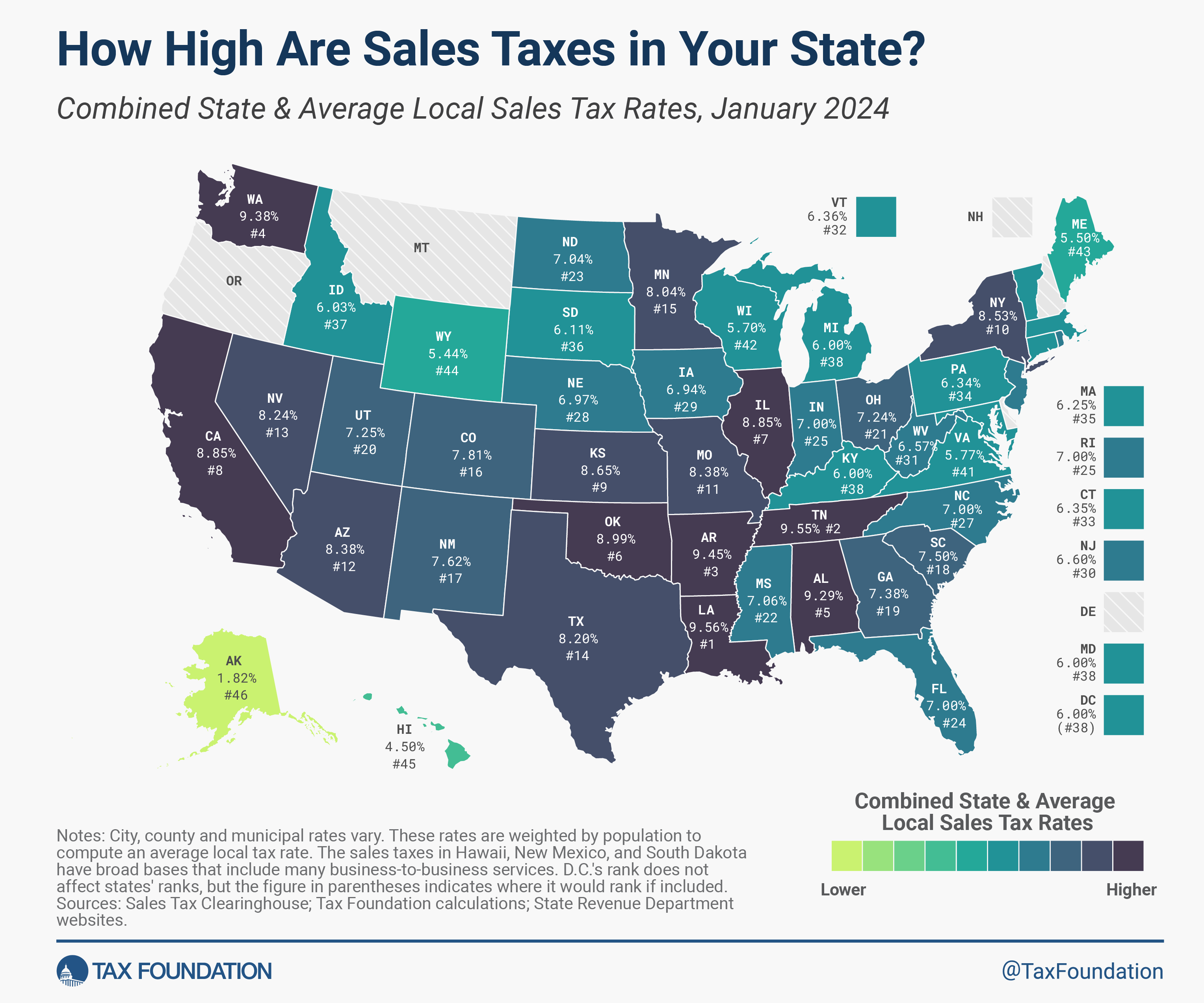
The most straightforward way to manage sales tax is to incorporate it into your overall travel budget. For most tourist purchases in New York City, assume a rate of approximately 9% on most goods and services. For other areas, a slightly lower percentage might suffice, but it’s always better to overestimate than underestimate.
- Create a “Tax Buffer”: When allocating funds for shopping, dining, or entertainment, add an extra 8-9% to your estimated costs. This buffer ensures you won’t be caught off guard by the final price at the register.
- Utilize Tax Calculators: Many New York State Department of Taxation and Finance resources and third-party apps can provide up-to-date sales tax rates by county. Use these tools when planning your spending in different regions.
Making Tax-Smart Purchases
Strategic shopping can help minimize the impact of sales tax on your travel expenses.
- Consider Exemptions: Take advantage of exemptions where applicable. For example, if you plan to buy groceries for your stay in a vacation rental, purchasing from a supermarket rather than a convenience store for unprepared items can save you money. Likewise, if purchasing clothing, be mindful of the price point for the $110 exemption.
- Shipping Options: For significant purchases like furniture, electronics, or artwork, inquire about in-state shipping options. If the vendor ships directly to your home address outside of New York, you can often avoid paying New York sales tax on the transaction. This is particularly relevant for those staying in hotels and unable to transport large items.
- Understand Service Taxes: Be aware that many services, from spa treatments to car rentals, are also subject to sales tax. Factor this into your overall expenditure when booking these services.
By staying informed about the sales tax landscape in New York and applying these practical tips, travelers can confidently explore the state while keeping their finances in check. Whether you’re enjoying the bright lights of Broadway or the natural beauty of Niagara Falls, a little tax awareness goes a long way.
LifeOutOfTheBox is a participant in the Amazon Services LLC Associates Program, an affiliate advertising program designed to provide a means for sites to earn advertising fees by advertising and linking to Amazon.com. Amazon, the Amazon logo, AmazonSupply, and the AmazonSupply logo are trademarks of Amazon.com, Inc. or its affiliates. As an Amazon Associate we earn affiliate commissions from qualifying purchases.