
Navigating the intricacies of sales tax can be a puzzle for any traveler, especially when exploring the vast and diverse landscape of Texas. This Lone Star State boasts everything from vibrant urban centers to sprawling natural beauty, making it a prime destination for all kinds of journeys. Whether you’re planning a luxury travel escape to the sophisticated hotels of Dallas, a family trip to the historic sites of San Antonio, or a budget-friendly adventure through the wild west of West Texas, understanding the sales tax implications is crucial for accurate budgeting and a smoother travel experience. This guide aims to demystify Texas sales tax for tourists, covering what it is, how it’s calculated, and what you can expect to pay on your purchases across the state.
Understanding Texas Sales and Use Tax
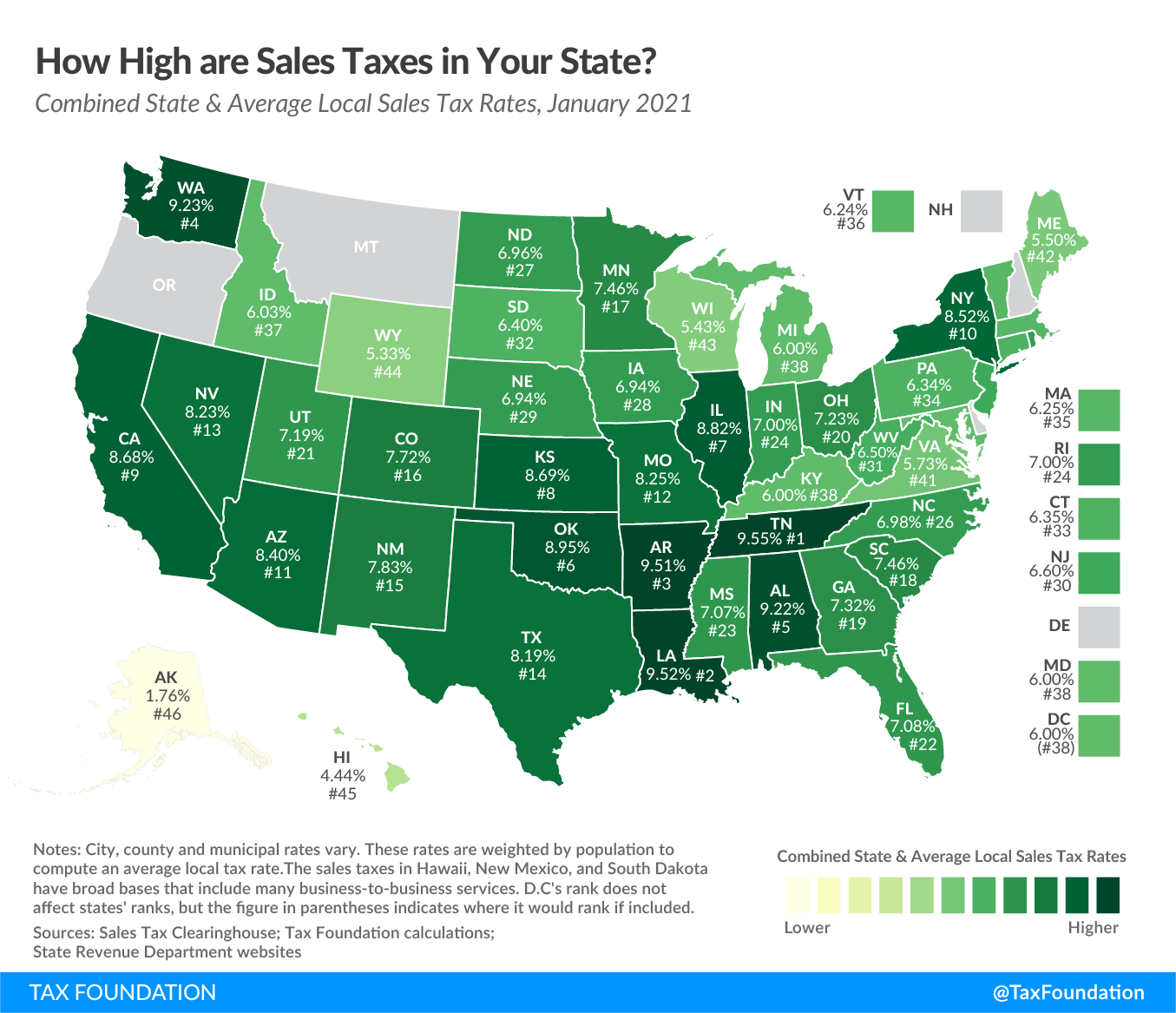
At its core, Texas imposes a state sales tax on the retail sale of tangible personal property and certain services. However, the reality on the ground is far more nuanced. The total sales tax you’ll encounter isn’t just a single statewide rate; it’s a combination of the state rate and local rates, which can significantly vary from one municipality to another. This layered approach means that a purchase made in one Texas city could have a different tax burden than the exact same purchase made in another.
The State Sales Tax Rate
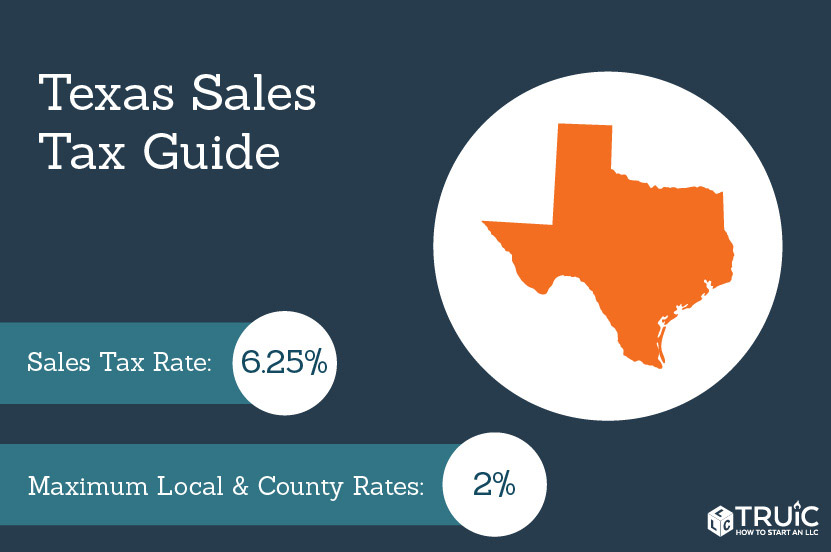
The foundation of Texas sales tax is the state rate. Currently, the state sales tax rate is 6.25%. This rate applies to most tangible goods and taxable services sold within the state. However, this is rarely the final amount you’ll see at the register.
Local Taxes: The Variable Factor
This is where things get interesting for travelers. In addition to the state rate, local taxing jurisdictions—cities, counties, and special districts—can impose their own local sales taxes. These local taxes are added on top of the state rate, creating a combined tax rate that varies significantly.
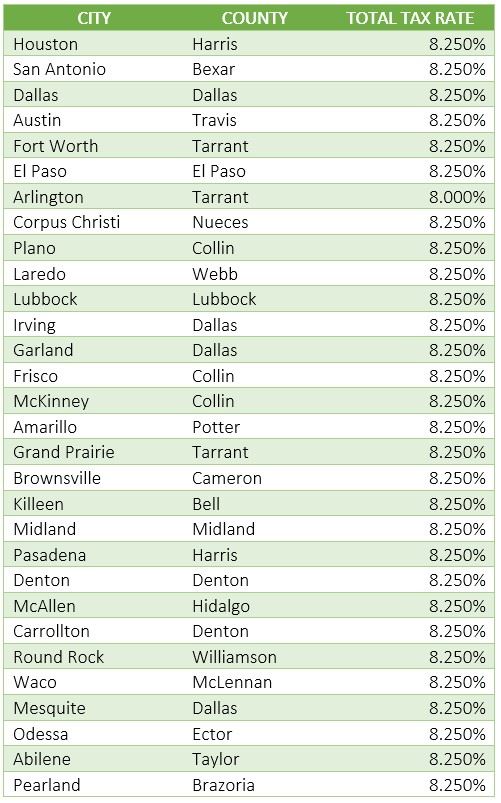
The maximum combined state and local sales tax rate in Texas is capped at 8.25%. This cap is important to remember. While individual cities and counties might have the authority to levy taxes that could theoretically push the combined rate higher, state law prevents the total from exceeding 8.25% in most instances. Some specific districts, such as those for public facilities or professional sports stadiums, can impose an additional tax of up to 2%, but these are less common for typical tourist purchases.
The local sales tax rate is determined by the specific location where the sale occurs. This means that if you’re staying at a resort in Austin, your purchases will be subject to Austin’s specific combined rate. If you then travel to Houston for a cultural experience or a visit to the Space Center Houston, the sales tax you pay on goods and services in Houston will be based on Houston’s local tax rates.
How Local Tax Rates are Determined
Local jurisdictions in Texas can adopt a variety of local sales taxes. The most common include:
- City Sales Tax: Most cities in Texas levy their own sales tax, which goes towards funding local services and infrastructure.
- County Sales Tax: Counties can also impose a sales tax to fund county operations.
- Metropolitan Transit Authority (MTA) Sales Tax: In major metropolitan areas, an MTA may impose a sales tax to support public transportation systems.
- Special Purpose Districts: Certain districts, like those for economic development or water supply, can also add a small percentage to the sales tax.
The sum of these applicable local taxes, when added to the state’s 6.25%, determines the total sales tax you will pay. For example, a city might have a 1% city sales tax, a 0.5% county sales tax, and a 0.25% MTA sales tax. Added to the state’s 6.25%, this would result in a 8.00% combined sales tax rate. However, if you are in a different city within the same county but without an MTA, the combined rate might be lower.
Navigating Sales Tax on Tourist Expenses
As a traveler, your spending in Texas will primarily fall into categories that are subject to sales tax. Understanding how these taxes apply to common tourist expenses can help you budget more effectively.
Accommodation and Lodging
Hotels, resorts, motels, and other short-term lodging facilities in Texas are generally subject to state and local sales tax. The rate will depend on the specific location of the accommodation. For instance, if you book a suite at the Hotel San José in Austin, you’ll pay the combined sales tax rate for Austin. Similarly, a stay at a resort in Galveston will incur Galveston’s applicable tax rate. This tax is typically calculated on the room rate itself. Be aware that some cities or special districts might also levy a hotel occupancy tax, which is separate from the general sales tax but often collected in conjunction with it. This additional tax typically goes towards promoting tourism and supporting local attractions.
Dining and Food Purchases
The sales tax treatment of food and drinks in Texas can be a bit more complex. Prepared food and drinks sold by restaurants, cafes, and food trucks are generally taxable. This includes meals, snacks, and beverages purchased for immediate consumption. So, that delicious breakfast taco from a local food truck in Austin or a fine dining experience in a Dallas restaurant will include sales tax.
However, there are exceptions. Most grocery items intended for consumption at home, such as bread, milk, and fruits, are exempt from state sales tax. The sale of certain food items, like unprepared meats and produce, is also generally exempt. This distinction is important for travelers who might be staying in accommodations with kitchen facilities and plan to do some grocery shopping. Be sure to check the specific tax treatment of different food items at the point of sale.
Shopping and Souvenirs
From the boutiques of Austin’s South Congress Avenue to the department stores in Houston Galleria, your shopping excursions in Texas will be subject to sales tax. This applies to clothing, electronics, home goods, and virtually all other tangible personal property purchased at retail. Souvenirs, whether it’s a Texas-themed t-shirt, a handcrafted item from a local artisan market, or a piece of Texas jewelry, will also have sales tax added to their price. The rate will be the combined state and local rate for the city or town where you make your purchase.
Attractions and Entertainment
Entry fees and tickets to many tourist attractions, such as museums, theme parks, and historical sites, are typically considered taxable services in Texas. This means that when you purchase tickets to visit the Alamo in San Antonio, explore the Perot Museum of Nature and Science in Dallas, or enjoy a day at Schlitterbahn Waterpark, the price of your admission will likely include the applicable state and local sales tax. Some attractions might be exempt, particularly those operated by non-profit educational institutions, but it’s always best to assume that entry fees are taxable unless otherwise stated.
Car Rentals and Transportation Services
Renting a car in Texas will also incur sales tax. The rental fee for vehicles is considered a taxable service. The rate will depend on the location of the rental agency. Other transportation services, like limousine services, are also generally taxable. Public transportation, such as city buses or light rail systems, may have different tax structures, with fares often exempt from sales tax to encourage their use.
Resources for Checking Specific Tax Rates
Given the variability of local sales tax rates, it can be incredibly helpful to have a reliable resource for checking specific rates as you plan your itinerary or as you travel.
Official State Resources
The Texas Comptroller of Public Accounts is the primary state agency responsible for administering Texas tax laws. Their website offers a wealth of information, including tools and publications related to sales and use tax. You can often find detailed information about state and local tax rates, including tax rate changes and effective dates. While it might be geared more towards businesses, travelers can use the information to understand the broader tax landscape.
Online Sales Tax Calculators
Numerous websites and mobile applications offer sales tax calculators specifically for Texas. These tools allow you to input a zip code or city name and get an immediate estimate of the combined state and local sales tax rate. This can be a quick and convenient way to check the tax rate for a specific destination you’re visiting, whether it’s a major city like Houston or a smaller town. When using these calculators, always ensure they are up-to-date, as tax rates can change.
Understanding Tax Exemptions
While most goods and services are taxable, Texas does provide certain sales tax exemptions. Some common exemptions for travelers to be aware of include:
- Most Groceries: As mentioned earlier, unprepared food items intended for home consumption are generally exempt.
- Prescription Drugs and Medical Supplies: These are typically exempt from state sales tax.
- Items Purchased for Resale: Businesses that purchase items for resale to their own customers do not pay sales tax on those purchases. This is not typically relevant for individual travelers.
- Certain Services: While many services are taxable, some, like most professional services (legal, accounting), are not subject to sales tax.
It’s important to note that exemptions can be complex, and it’s always best to confirm with the vendor or the Texas Comptroller’s office if you have questions about a specific item or service.
In conclusion, while Texas has a clear state sales tax rate, the actual amount you pay will be influenced by local taxes. By understanding the combination of state and local rates, and being aware of the tax treatment for various tourist expenses like accommodation, dining, and shopping, you can better plan your budget and enjoy your travels across the diverse and exciting state of Texas. Happy exploring!
LifeOutOfTheBox is a participant in the Amazon Services LLC Associates Program, an affiliate advertising program designed to provide a means for sites to earn advertising fees by advertising and linking to Amazon.com. Amazon, the Amazon logo, AmazonSupply, and the AmazonSupply logo are trademarks of Amazon.com, Inc. or its affiliates. As an Amazon Associate we earn affiliate commissions from qualifying purchases.