
The question “How much snow did Florida get today?” might initially sound like a geographical oxymoron. The Sunshine State is globally synonymous with warmth, sun-drenched beaches, and a perpetual summer, drawing millions of travelers seeking an escape from winter’s chill. Yet, on exceptionally rare occasions, meteorological conditions align to deliver a dusting, or even a measurable amount, of the white stuff to parts of this subtropical paradise. When such an anomaly occurs, it doesn’t just make headlines; it fundamentally shifts the travel landscape, however temporarily, for a destination built on sun and surf.

A Rare Glimpse into Florida’s Unlikely Winter
The very notion of snow in Florida captures attention precisely because it defies the state’s established climate identity. Travelers flock to Florida for its predictable warmth, a stark contrast to the occasional, fleeting moments of frost or, even rarer, snow.
The Phenomenon of Snow in the Sunshine State
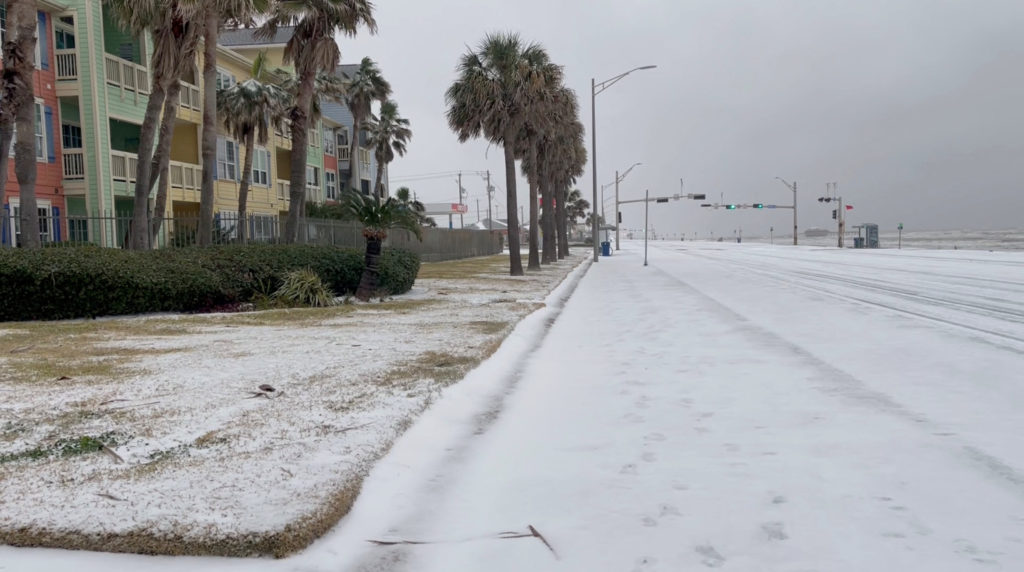
To address the question directly, measurable snow in Florida is an event of extreme rarity, often limited to the northernmost regions. When it does occur, it typically manifests as a light dusting, barely enough to cover the ground, melting quickly as the sun rises or temperatures climb. The state’s geography, surrounded by warm ocean waters of the Atlantic Coast and Gulf Coast, and its low latitude, make sustained freezing temperatures and moisture conditions conducive to snow production an infrequent occurrence. For instance, South Florida cities like Miami have seen snow only once in recorded history, a brief flurry in January 1977. Even further north, in cities like Jacksonville or Tallahassee, snow events are sporadic, often decades apart, and usually result in accumulations measured in fractions of an inch rather than feet.
Historical Precedents and Climate Context
Historically, significant snowfall in Florida is almost non-existent. The most notable events typically involve extremely cold air masses diving unusually far south, combining with sufficient moisture. The 1977 event, which saw flakes as far south as Miami and Homestead, remains a benchmark for its unusual reach. More recently, in January 2018, parts of North Florida and the Panhandle experienced a dusting, including Tallahassee, which received up to an inch, causing temporary closures and travel advisories. These isolated incidents are important not for their snow totals, but for the profound impact they have on a state entirely unprepared for winter weather, particularly concerning travel infrastructure and visitor expectations. For travelers planning a typical Florida vacation, understanding the state’s climate resilience – or lack thereof – to such anomalies is key.
Impact on Florida’s Signature Travel Experiences
A snow event, however minor, in Florida fundamentally alters the perception and practicalities of visiting its iconic attractions and natural wonders. The usual travel narratives of sunbathing and watersports quickly give way to discussions of unprecedented chill.
Beaches and Coastal Getaways Transformed
The allure of Florida’s beaches is inextricably linked to warm weather. Travelers flock to destinations like South Beach, Clearwater Beach, or the Florida Keys for swimming, sunbathing, and watersports. When snow or even prolonged freezing temperatures descend, these activities become unfeasible. Beachfront resorts might see a sharp decline in outdoor activity, with guests retreating to indoor amenities like heated pools (if available) or spas. The vibrant coastal scenes, usually bustling with activity, can become eerily quiet. For those who arrived specifically for the beach, such an event necessitates a complete overhaul of their itinerary, shifting focus to indoor attractions or embracing the novelty of a cold Florida beach for photography.
Theme Parks and Outdoor Attractions in a Wintery Light
Orlando, home to world-renowned theme parks like Walt Disney World Resort and Universal Studios Florida, is a prime example of how anomalous weather impacts travel. While these parks are equipped to handle diverse crowds and some rain, snow or ice present unique challenges. Outdoor rides might face temporary closures due to safety concerns, affecting the visitor experience. Water parks, usually a major draw, would likely cease operations entirely. Park management typically prioritizes guest safety, often adapting operating hours or offering alternative indoor entertainment. Travelers to Orlando during such times would need to monitor park announcements closely and be prepared for potential changes to their plans, perhaps focusing more on indoor shows, dining, or character meet-and-greets.
Wildlife Encounters and Nature Tourism
Florida’s vast natural landscapes, from the Everglades National Park to numerous state parks and wildlife refuges, are major drawcards for eco-tourists. The delicate ecosystems, however, are highly sensitive to extreme cold. Manatees, for instance, seek refuge in warm springs and power plant outfalls during cold snaps, making them easier to spot but also highlighting their vulnerability. Other reptiles, like alligators, become lethargic. Birdwatching might shift as certain species move or behave differently. Travelers planning airboat tours, kayaking excursions, or hiking trails would need to reassess conditions, as paths might be icy or animal activity significantly reduced. The focus for nature tourism shifts from active exploration to observing the unique ways Florida’s wildlife copes with an uncharacteristic freeze.
Navigating Travel Disruptions and Altered Itineraries
An unexpected weather event like snow in Florida can ripple through all aspects of a travel itinerary, from arrival to accommodation. Preparedness becomes paramount, even in a state where it’s rarely considered.
Transportation Challenges and Airport Operations
When snow falls in Florida, even a light dusting, the state’s transportation infrastructure, designed for sun, is quickly overwhelmed. Airports, unaccustomed to de-icing procedures, may experience significant delays or cancellations. Major hubs like Orlando International Airport or Miami International Airport, while located in areas less prone to snow, can still face ripple effects from cold weather impacting air traffic control or affecting flights connecting to northern regions. Roadways, especially bridges and overpasses, can become hazardous with even a thin layer of ice, leading to closures and traffic congestion. Public transport services, not equipped for icy conditions, may also be suspended or delayed. Travelers arriving or departing during such events should expect significant disruptions, regularly check flight statuses, and consider alternative ground transportation only if conditions are verified safe. Car rental companies may also face challenges with demand or fleet availability.
Accommodation and Emergency Preparedness
For travelers already in Florida, accommodations become a central point for navigating the cold. Hotels and resorts, while often having heating, might not be designed for sustained freezing temperatures, potentially leading to issues with plumbing or insulation. Power outages, though rare, can also occur if the cold snaps are severe and prolonged, affecting the comfort of guests. Travelers should inquire about their accommodation’s heating capabilities and emergency plans. It’s also wise to pack layers, even for a Florida trip, as temperatures can drop surprisingly low during winter cold fronts. Resorts might pivot their activities from outdoor pools to indoor entertainment, offering special events or services to keep guests engaged during a ‘snow day.’
Rethinking the Florida Travel Narrative
While snow in Florida is undeniably disruptive to typical travel plans, it also creates a uniquely rare experience, fundamentally altering the state’s usual travel narrative.
The Allure of an Unexpected Winter Wonderland
For some adventurous travelers, the idea of snow in Florida might even present a peculiar, fleeting allure. Imagine the iconic palm trees dusted with white, or a theme park castle glistening with a thin layer of frost – a photographic opportunity unlike any other. This novelty could temporarily draw a niche segment of travelers eager to witness and document such an improbable event. It offers a chance to see a familiar destination through an entirely new lens, transforming expected experiences into memorable, one-of-a-kind stories. However, this ‘winter wonderland’ is usually short-lived, serving more as a curiosity than a sustained alternative to Florida’s core appeal.

Advice for Travelers During Extreme Weather Anomalies
Should you find yourself in Florida during such a rare weather event, flexibility is your greatest asset.
- Stay Informed: Monitor local weather forecasts from reliable sources like the National Weather Service and local news channels.
- Check Travel Updates: Before heading to the airport or attempting to drive, check with your airline, Florida Department of Transportation, or other transport providers for current conditions.
- Adjust Expectations: Be prepared for changes to park schedules, beach activities, and other outdoor plans. Look for indoor alternatives or embrace the unique experience.
- Layer Up: Even if you packed for warm weather, having a warm jacket or extra layers can make a significant difference in comfort if temperatures plummet.
- Prioritize Safety: Do not attempt to drive on icy roads if you are not accustomed to winter driving. Stay indoors if advisories recommend it.
Ultimately, while Florida’s primary draw remains its sunny disposition and warm climate, a rare snowfall serves as a powerful reminder of nature’s unpredictability. For travelers, it means understanding that even in the most predictable destinations, an open mind and adaptability are always the best companions. As for how much snow Florida got today, the answer is almost always “very little, if any,” but the implications for travel are vast when that rare exception occurs.
LifeOutOfTheBox is a participant in the Amazon Services LLC Associates Program, an affiliate advertising program designed to provide a means for sites to earn advertising fees by advertising and linking to Amazon.com. Amazon, the Amazon logo, AmazonSupply, and the AmazonSupply logo are trademarks of Amazon.com, Inc. or its affiliates. As an Amazon Associate we earn affiliate commissions from qualifying purchases.