
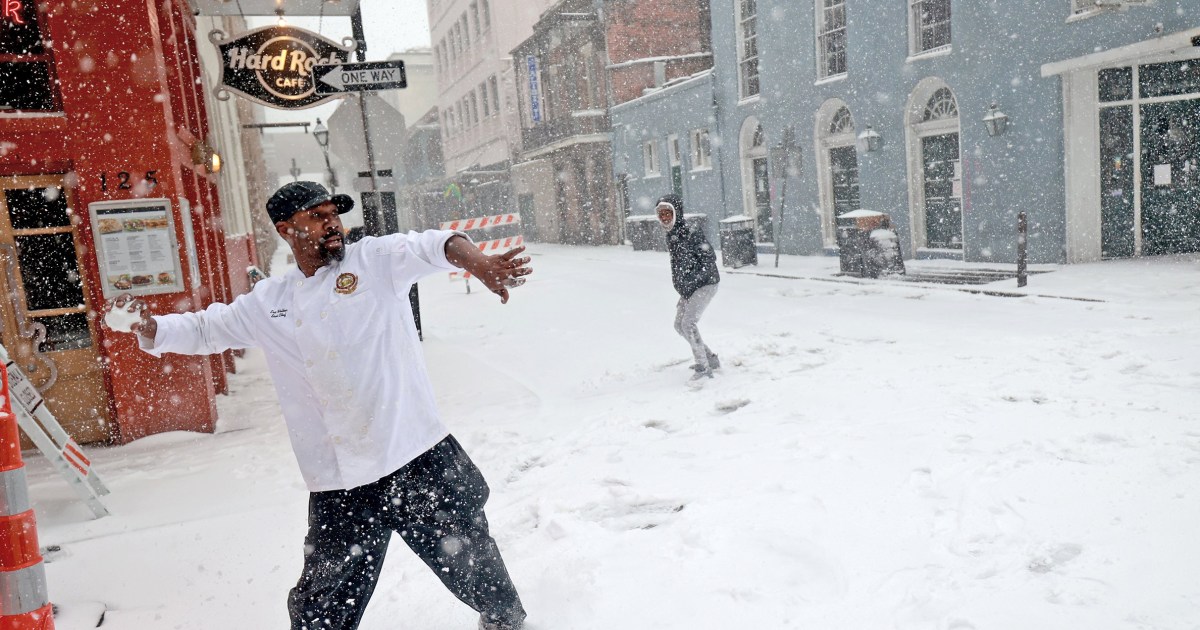
The idea of snow falling in New Orleans, Louisiana, might seem like a whimsical dream, a scene plucked from a magical realism novel rather than a meteorological reality. Known globally for its sultry jazz, vibrant Mardi Gras celebrations, and humid subtropical climate, the Crescent City is synonymous with warmth and a perpetually green landscape, not white winterscapes. Yet, against all odds and climatic expectations, snow has, on rare occasions, graced the historic streets of New Orleans, leaving behind a transient, almost mythical beauty. For visitors and locals alike, witnessing snowfall in this unique Southern metropolis is an event of profound wonder, turning familiar landmarks into ethereal, frosted visions. This rarity transforms a simple weather phenomenon into a significant cultural moment, deeply etching itself into the city’s collective memory.
The infrequency of snow makes any such occurrence a talking point, not just for meteorologists but for anyone with a passing interest in New Orleans’ charm. What does a city designed for heat and humidity look like under a delicate blanket of white? How do its inhabitants, accustomed to festive outdoor living in temperate climates, react to such an anomaly? And for the avid traveler, what does this mean for planning a winter trip to the Big Easy? This article delves into the fascinating history of snow in New Orleans, exploring the specific instances when the city saw significant flakes, how these events transformed the iconic urban landscape, and what visitors can truly expect from a winter getaway to one of the United States’ most culturally rich destinations, whether snow is on the forecast or not. We’ll explore the city’s unique appeal through the lens of its rare cold snaps, from the transformed appearance of its historic districts to the cozy culinary experiences and the exceptional opportunities for unique travel experiences that even a dusting of snow can create.
The Unlikely Phenomenon: A Brief History of Snow in the Crescent City
To understand how much snow New Orleans gets, one must first grasp the sheer improbability of the event itself. Situated on the Gulf Coast of the United States, New Orleans enjoys a subtropical climate characterized by long, hot summers and short, mild winters. The warming influence of the Gulf of Mexico acts as a natural buffer against severe cold fronts, making sustained freezing temperatures, let alone snowfall, a rare meteorological anomaly. For snow to fall and accumulate, a perfect storm of conditions is required: a strong cold air mass must penetrate deep into the Gulf South, sufficient moisture must be present in the atmosphere, and temperatures at all levels of the atmosphere from the clouds to the ground must remain at or below freezing. These conditions seldom align over New Orleans.

Historically, significant snowfall events in New Orleans are few and far between, making each one a legendary tale passed down through generations. The most notable event in recorded history occurred during the Great Blizzard of 1895, specifically on February 12, 1895. This historic storm brought an astonishing 8 inches of snow to the city, blanketing New Orleans in an unprecedented white landscape. Imagine the horse-drawn carriages navigating through drifts, the Mississippi River steamboats seeing their decks covered, and the grand oaks of the Garden District laden with snow. This remains the record for the heaviest snowfall in New Orleans’ history, a truly once-in-a-lifetime occurrence for many.
Decades later, on December 31, 1963, residents awoke to another substantial snowfall, measuring approximately 4.5 inches. This New Year’s Eve surprise turned the traditional holiday festivities into a surreal, snowy celebration. More recently, on December 22, 1989, a significant cold snap brought 1-2 inches of snow to the city, creating a picturesque scene just before Christmas. These events, while memorable, typically involve snow that melts quickly, often within hours, due to the ground retaining warmth and the rapid return of milder air.
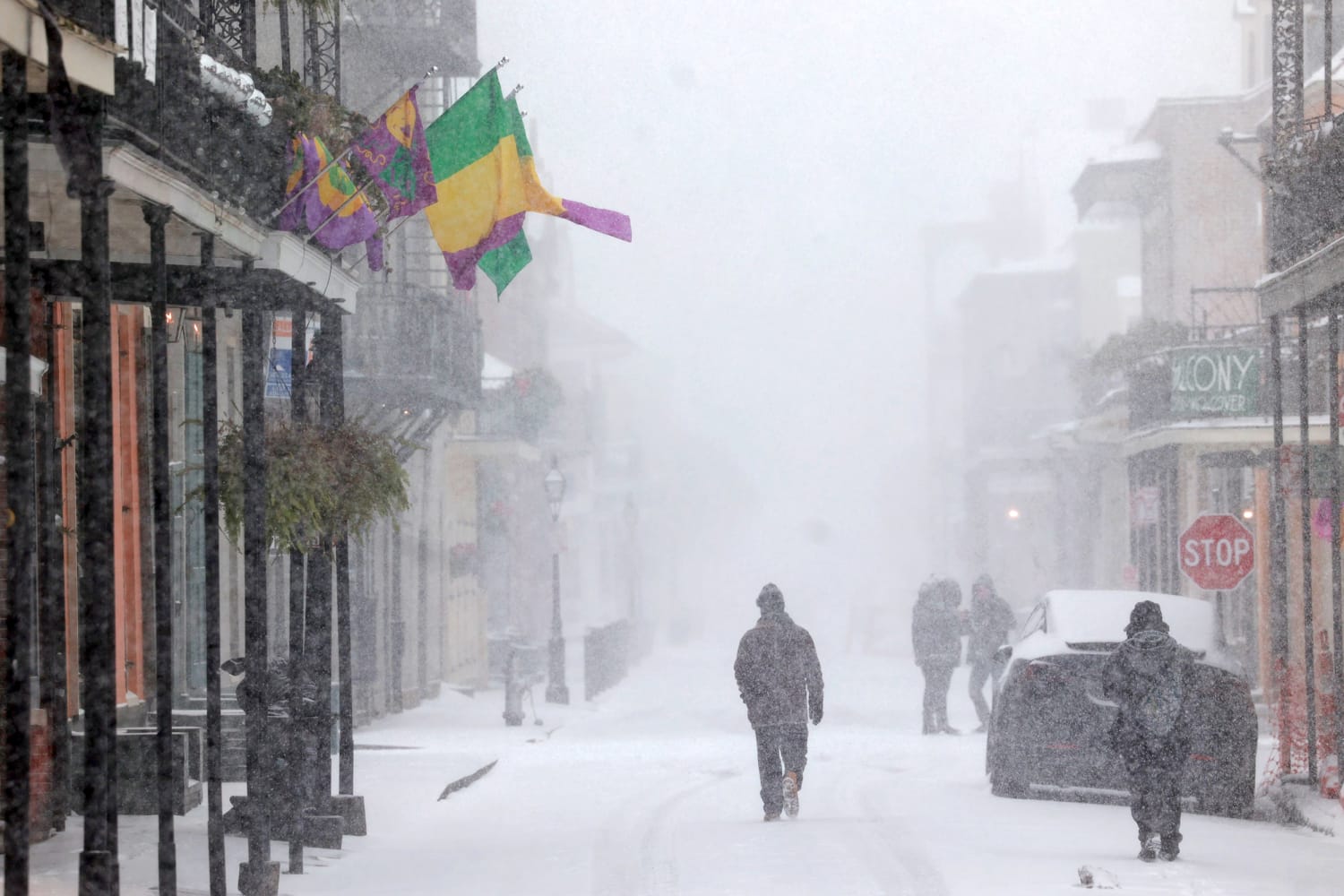
In the 21st century, snowfall has been even rarer and generally much lighter. On December 8, 2017, some areas reported a light dusting, which quickly melted. A slightly more widespread, though still very light, accumulation occurred on January 16, 2018, often mixed with sleet, primarily in the northern suburbs and parts of the metro area. And during a widespread winter storm in February 2021 that impacted much of the Southern United States, New Orleans saw brief flurries, offering a fleeting glimpse of white without any significant accumulation. So, while the answer to “How much snow did New Orleans get?” is usually “very little to none,” the rare instances of accumulation have etched themselves into the city’s storied past, providing unique travel experiences for those lucky enough to witness them.
Iconic Landmarks Under a Blanket of White
When snow does fall in New Orleans, the transformation is immediate and dramatic. The familiar vibrant hues of the city are softened, and its famous landmarks take on an entirely new, almost otherworldly character.
- The French Quarter: Imagine the wrought-iron balconies of the French Quarter draped with white, the gas lamps casting a soft glow on snowy cobblestones, and the sounds of jazz muffled by a blanket of fresh powder. Jackson Square, usually bustling with artists and street performers, becomes a tranquil canvas, with the equestrian statue of Andrew Jackson dusted in white. The spires of St. Louis Cathedral reaching into a grey, snowy sky would be a sight to behold, a stark contrast to its usual sun-drenched facade.
- Garden District Mansions: The grand, antebellum mansions of the Garden District, with their intricate architectural details and sprawling gardens, would appear even more majestic under a delicate layer of snow. The ancient oak trees, usually providing cool shade, would become sculptural masterpieces, their branches outlined in white. This rare spectacle offers a unique perspective for those interested in architectural history and photography, capturing a side of New Orleans seldom seen.
- City Park and Audubon Park: These expansive green spaces, home to ancient live oaks and serene lagoons, would be utterly transformed. City Park, one of the largest urban parks in the United States, would offer picturesque scenes of frozen dew and perhaps a light dusting on its numerous sculptures and attractions. Audubon Park, with its majestic oaks and walking paths, would invite quiet contemplation, a stark departure from its usual lively atmosphere.
These fleeting moments of snow offer a unique travel experience, turning a visit into an extraordinary memory. Tourists often scramble to capture photographs, understanding that they are witnessing a truly rare event. It’s a testament to the city’s enduring allure that even its most unusual weather phenomena contribute to its legendary status, creating a compelling narrative for any travel guide or photography enthusiast.
Experiencing Winter in New Orleans: Beyond the Snowfall
While significant snowfall is an exceptional rarity, winter in New Orleans offers a distinct and often preferred experience for many travelers. The months from December to February bring cooler, drier weather, making it an ideal time to explore the city without the intense heat and humidity of summer. This period provides a different facet of New Orleans’ lifestyle and culture, perfect for those seeking a more relaxed yet still vibrant atmosphere.
Winter Festivals and Activities
Even without snow, winter in New Orleans is far from dormant. In fact, it’s a prime season for cultural immersion and festive activities.
- Holiday Season Charm: December is a magical time, with the city adorned in festive lights. Celebration in the Oaks in City Park transforms the park into a dazzling wonderland of light displays. The French Quarter and Garden District host “Caroling in Jackson Square,” a beloved tradition where locals and visitors gather to sing carols by candlelight, creating a truly memorable experience. Many historic homes offer special holiday tours, providing a glimpse into Creole and Cajun holiday traditions.
- Mardi Gras Preparations: As January progresses, the anticipation for Mardi Gras builds. Although the main festivities typically occur in late February or early March, the “Carnival season” officially begins on Twelfth Night (January 6th), marked by parades of smaller krewes, king cake parties, and a palpable sense of excitement. This offers a unique opportunity to witness the city gearing up for its biggest celebration, often with fewer crowds than during the peak Mardi Gras week.
- Culinary Delights: Winter is also prime season for savoring New Orleans’ world-renowned cuisine. The slightly cooler temperatures make indulging in rich gumbos, hearty jambalayas, and spicy étouffées even more enjoyable. Restaurants like Commander’s Palace or Galatoire’s offer cozy, elegant dining experiences, while a warm café au lait and beignets at Café Du Monde become an even more comforting ritual. This focus on comfort food and indoor activities ties perfectly into the ‘Tourism’ and ‘Lifestyle’ aspects of exploring the city.
Accommodation and Travel Tips for a Winter Visit
Planning your accommodation and travel during the winter months in New Orleans presents excellent opportunities. The tourist season is generally less intense than during Mardi Gras or Jazz Fest, potentially offering better rates on hotels and a more relaxed pace for sightseeing.
- Choosing Your Stay: New Orleans boasts a diverse range of accommodations, from luxurious historic hotels to charming boutique inns and modern resorts. For a truly immersive experience, consider staying in a historic hotel in the French Quarter or Central Business District (CBD). Properties like The Roosevelt New Orleans, a Waldorf Astoria Hotel, offer opulent settings and top-tier amenities, perfect for a luxury travel experience. For those seeking something with a unique local flair, boutique hotels such as Hotel Monteleone with its famous Carousel Bar, or The Pontchartrain Hotel in the Garden District, provide a blend of history and comfort. Vacation rentals, including apartments and villas, are also popular for longer stays or family trips, offering a glimpse into local living. Booking in advance, especially around holidays like Christmas or New Year’s Eve, is always advisable.
- Embracing the Local Winter Lifestyle: The cooler weather is ideal for leisurely strolls through neighborhoods, exploring art galleries, or taking a historic streetcar ride. The outdoor patios of restaurants and bars are still enjoyable, often with heaters, allowing you to soak in the atmosphere. Museums like the National WWII Museum or the New Orleans Museum of Art offer excellent indoor activities. For those interested in a more relaxed lifestyle, winter provides the perfect opportunity to simply enjoy the city’s rhythms, from listening to live jazz in a cozy club on Frenchmen Street to taking a scenic boat tour on the Bayou. Winter travel to New Orleans is about experiencing its authentic charm without the summer crowds, focusing on culture, cuisine, and comfortable exploration.
The Enduring Charm: New Orleans, Snow or Shine
Ultimately, while the question “How much snow did New Orleans get?” points to a fascinating, albeit rare, meteorological curiosity, the true essence of the city’s allure lies far beyond its weather patterns. New Orleans thrives on its vibrant culture, its rich history, its groundbreaking music, and its unparalleled culinary scene, elements that remain constant regardless of whether the skies are clear, rainy, or, on those legendary rare occasions, dusted with snow.
The infrequent snowfall events serve as a unique footnote in the city’s narrative, creating indelible memories for those who witness them and adding another layer to the city’s mystique. They highlight the unexpected, the whimsical side of a city that constantly surprises and enchants. For the traveler, this means that any visit to New Orleans holds the potential for something extraordinary, whether it’s stumbling upon a spontaneous second line parade, discovering a hidden courtyard, or, just perhaps, witnessing the French Quarter transformed into a winter wonderland.
Planning a trip to New Orleans during winter offers the best of both worlds: a chance to experience the city’s legendary attractions and a lively schedule of events, all without the sweltering heat. It’s a time for cozy meals, intimate jazz club evenings, and comfortable explorations of its historic neighborhoods and landmarks. Whether you’re seeking luxury resorts, budget-friendly stays, family-friendly activities, or a romantic escape, New Orleans in winter promises a lifestyle rich in experience and unforgettable moments. The prospect of snow remains a delightful, albeit remote, possibility, but the city’s captivating spirit is an absolute guarantee, offering an authentic and profound travel experience, snow or shine.