
When planning a dream getaway to the captivating shores of Kona, a vibrant district on the western side of Hawaii’s Big Island, one of the first questions many travelers ponder is, “What time is it there?” Beyond simply knowing the current hour, understanding the local time zone is crucial for seamless travel planning, managing jet lag, and fully immersing oneself in the relaxed rhythm of island life. Kona, like all of Hawaii, operates on Hawaii Standard Time (HST), a unique time zone that plays a significant role in the overall visitor experience. This comprehensive guide will not only clarify the time in Kona but also delve into the broader implications for your Hawaii adventure, from navigating time differences to exploring the breathtaking landscapes, indulging in local cuisine, and finding the perfect accommodation.
Understanding Hawaii Standard Time (HST)
Hawaii Standard Time (HST) is GMT-10, meaning it is ten hours behind Greenwich Mean Time (GMT) or Coordinated Universal Time (UTC). What makes HST particularly distinctive, especially for visitors from the continental United States, is that Hawaii does not observe Daylight Saving Time. This means that throughout the year, the time in Kona remains constant, while time differences with other regions fluctuate depending on whether they are observing Daylight Saving.
For travelers journeying from North America, this consistent time zone can simplify planning once understood. For example, during the summer months (when most of the United States observes Daylight Saving Time):
- Kona is 2 hours behind Pacific Daylight Time (PDT). So, if it’s 12:00 PM PDT in Los Angeles, it’s 10:00 AM HST in Kona.
- Kona is 3 hours behind Mountain Daylight Time (MDT).
- Kona is 4 hours behind Central Daylight Time (CDT).
- Kona is 5 hours behind Eastern Daylight Time (EDT).
During the winter months (when most of the United States returns to standard time):
- Kona is 3 hours behind Pacific Standard Time (PST). So, if it’s 12:00 PM PST, it’s 9:00 AM HST in Kona.
- Kona is 4 hours behind Mountain Standard Time (MST).
- Kona is 5 hours behind Central Standard Time (CST).
- Kona is 6 hours behind Eastern Standard Time (EST).
This consistent difference simplifies calls home, scheduling virtual meetings, and coordinating with others outside the islands. More importantly, it sets the stage for what many visitors refer to as “island time” – a slower, more deliberate pace of life that encourages relaxation and appreciation of the present moment. Understanding this time difference is the first step in gracefully transitioning into the unique rhythm of a Kona vacation.

Kona: A Jewel on Hawaii’s Big Island
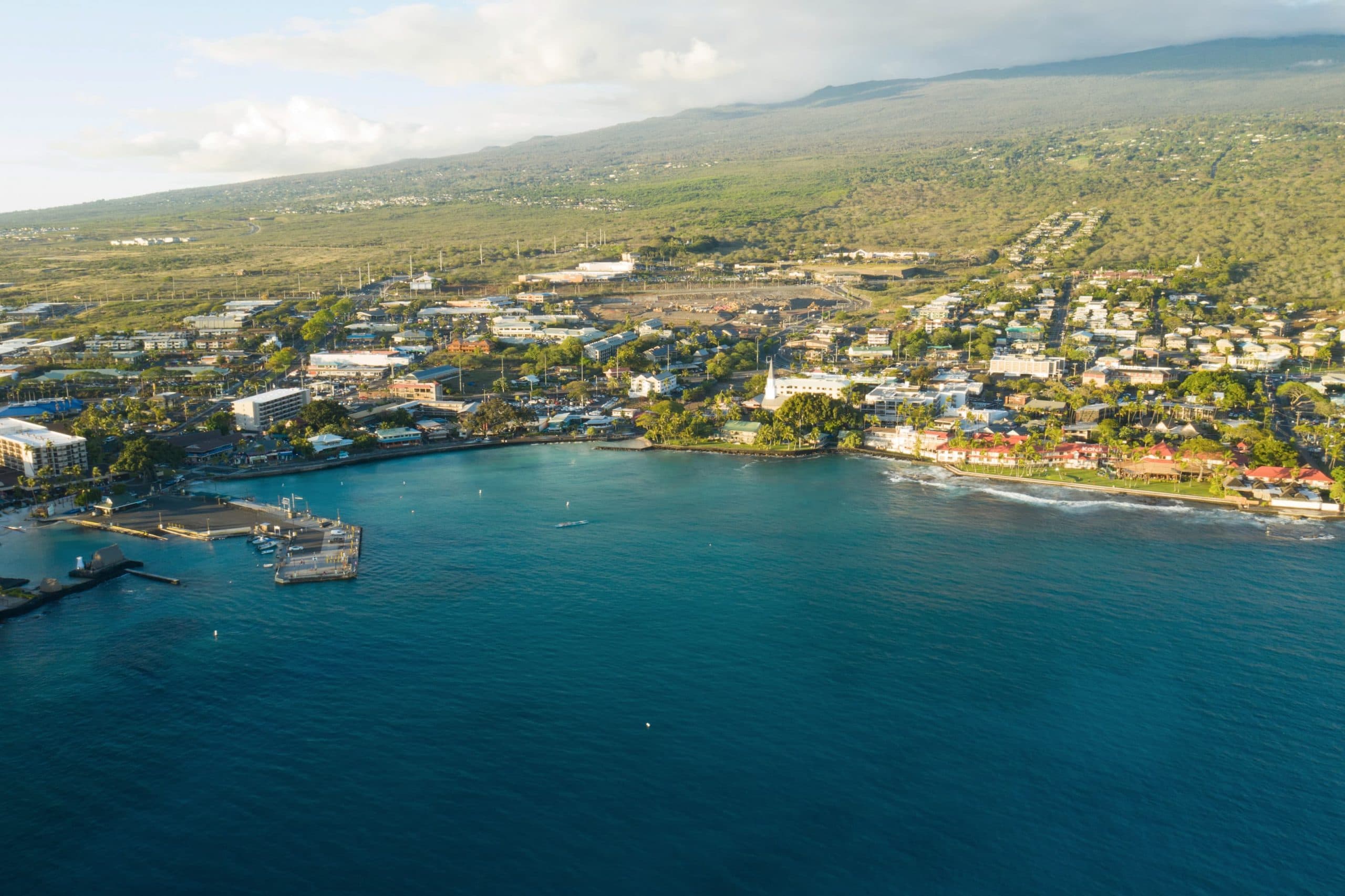
While the technicalities of time zones are important, the true magic of Kona lies in its unparalleled natural beauty, vibrant culture, and diverse array of experiences. Located on the leeward (west) side of the Big Island, Kona boasts consistently sunny weather, calm waters, and dramatic volcanic landscapes. This unique combination makes it a premier destination for travelers seeking everything from adventurous excursions to serene beach days. The district stretches from the slopes of Hualalai and Mauna Loa volcanoes down to the shores of the Pacific Ocean, offering a stunning transition from lush coffee farms to pristine black sand beaches.
The historical significance of Kona is also profound. It was once a favored retreat for Hawaiian royalty, and traces of its rich past are visible in ancient temples (heiau), petroglyph fields, and historical sites scattered throughout the region. The area’s legacy as a pivotal point in Hawaiian history adds an enriching layer to any visit, inviting exploration beyond just sun and sand.
Embracing the Kona Lifestyle and Attractions
The “what time is it” question in Kona quickly becomes less about the clock and more about the endless possibilities each hour brings. The Kona lifestyle is an inviting blend of outdoor adventure, cultural immersion, and laid-back relaxation.
Unforgettable Travel and Tourism Experiences:
Kona’s attractions cater to every interest:
- Historical and Cultural Landmarks: Delve into Hawaii’s past at places like the Pu’uhonua o Hōnaunau National Historical Park, often called the “Place of Refuge,” where ancient Hawaiian lawbreakers could seek sanctuary. Explore the beautifully preserved Hulihe’e Palace in Kailua-Kona, once a vacation home for Hawaiian royalty. Stroll along historic Ali’i Drive, which winds along the coast, dotted with shops, restaurants, and historical markers.
- Coffee Culture: A visit to Kona isn’t complete without experiencing its world-renowned Kona coffee. Take a tour of a working coffee farm, such as the Kona Coffee Living History Farm in Captain Cook Village, to learn about the bean-to-cup process and sample freshly brewed delights. The unique microclimate of the Kona district, with its sunny mornings and misty afternoons, provides ideal conditions for growing this exceptional coffee.
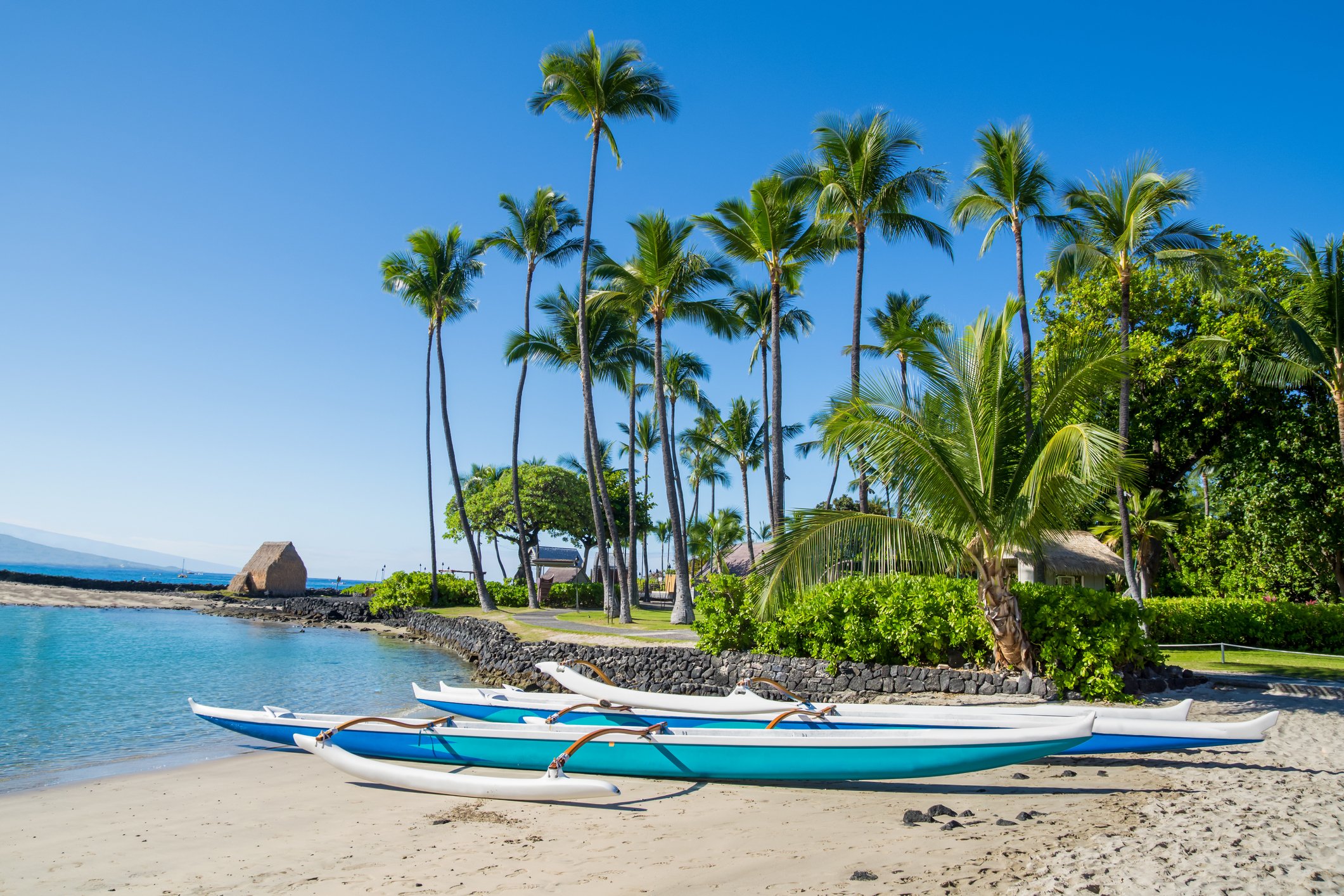
- Ocean Adventures: The calm, clear waters off the Kona coast are perfect for a myriad of water activities. Snorkeling and diving are spectacular at spots like Kahalu’u Beach Park and the pristine marine sanctuary of Kealakekua Bay, where a monument to Captain Cook stands. Deep-sea fishing for marlin and tuna is a popular pastime, with numerous charters available from Honokohau Harbor. Adventurous souls can embark on night manta ray dives, a truly unforgettable experience. Paddleboarding, kayaking, and sunset cruises are also highly recommended.
- Beyond Kona: While technically outside the immediate Kona district, no discussion of Big Island attractions would be complete without mentioning Hawaii Volcanoes National Park. Though it requires a scenic drive to the island’s east side near Hilo, witnessing the raw power of active volcanoes is a bucket-list item for many and a testament to Hawaii’s dynamic geological formation.
Food and Local Culture:
Kona’s culinary scene is a vibrant reflection of its diverse influences, with an emphasis on fresh, locally sourced ingredients. Beyond the famed Kona coffee, visitors can savor delicious poke bowls, freshly caught seafood prepared in myriad ways, and farm-to-table cuisine that highlights the island’s agricultural bounty. Don’t miss out on trying traditional Hawaiian dishes at a luau, a fantastic way to immerse yourself in local music, dance, and food. The local markets, like the Kona Farmers Market, are perfect for discovering tropical fruits, artisanal crafts, and connecting with the community.
Lifestyle and Events:
The easygoing Kona lifestyle encourages slowing down and appreciating the beauty around you. Yet, the district also hosts significant events that draw international crowds, most notably the Ironman World Championship. This prestigious triathlon, held annually, transforms Kailua-Kona into a hub of athletic prowess and community spirit, showcasing the district’s capacity for both tranquility and excitement. Whether you’re seeking luxury travel experiences at world-class resorts, budgeting for a family-friendly adventure, or embarking on a romantic escape, Kona offers a lifestyle tailored to your desires.
Planning Your Stay: Accommodation and Travel Tips
Successfully navigating the time difference is just one aspect of planning an unforgettable trip to Kona. Thoughtful consideration of accommodation, local transportation, and essential travel tips will ensure your Hawaiian escape is as smooth and enjoyable as possible.
Hotels and Accommodation in Kona
Kona offers a wide spectrum of accommodation options, catering to every budget and preference, from lavish resorts to cozy vacation rentals.
- Luxury Resorts: For those seeking unparalleled indulgence and world-class amenities, the Kona coast is home to some of Hawaii’s most exquisite properties. The Four Seasons Resort Hualalai, nestled along the pristine Kohala Coast just north of Kona International Airport, offers a private oasis with stunning ocean views, championship golf courses, and exceptional dining. Another gem, though slightly further north, is Mauna Lani, Auberge Resorts Collection, renowned for its blend of Hawaiian heritage and modern luxury. These resorts provide suites, villas, and apartments designed for ultimate comfort and relaxation, often with direct beach access, multiple pools, and extensive spa services, perfect for a high-end lifestyle travel experience.
- Mid-Range Hotels: For travelers looking for comfort and convenience without the premium price tag, Kona has excellent mid-range hotels. The Courtyard by Marriott King Kamehameha’s Kona Beach Hotel offers a prime location in Kailua-Kona, steps away from Kamakahonu Beach and the bustling Ali’i Drive. The Royal Kona Resort, perched on a dramatic lava rock bluff, provides panoramic ocean views and a unique lagoon for swimming. These options often include amenities like pools, restaurants, and activity desks, making them ideal for both family trips and business stays.
- Vacation Rentals: For a more private or long-term stay, vacation rentals through platforms like Airbnb or VRBO are increasingly popular. These range from charming cottages to spacious multi-bedroom homes and villas, offering kitchens and more living space, which can be particularly advantageous for families or groups. They provide a taste of local living and can often be a budget-friendly option, especially for extended visits.
Regardless of your choice, it’s highly recommended to book your accommodation well in advance, especially during peak travel seasons, to secure the best rates and availability. Reviews and comparison tools on travel websites can help you find the perfect fit for your needs.
Navigating Time Zones and Jet Lag
The significant time difference between Hawaii and mainland North America often leads to jet lag. Here are some tips to minimize its effects and ensure you quickly adjust to Kona’s relaxed pace:
- Adjust Gradually: Before you travel, try to shift your sleep schedule by an hour or two each day to align closer with HST.
- Stay Hydrated: Drink plenty of water before, during, and after your flight. Dehydration can exacerbate jet lag symptoms.
- Embrace the Light: Upon arrival, expose yourself to natural light during the day, even if you feel tired. This helps reset your body clock. Similarly, make your sleeping environment dark at night.
- Eat Light Meals: Avoid heavy meals, especially close to bedtime, and try to eat at local meal times to further synchronize with your new schedule.
- Avoid Excessive Caffeine/Alcohol: While tempting, these can disrupt your sleep patterns.
- Nap Strategically: If you must nap, keep it short (20-30 minutes) and early in the afternoon to avoid interfering with nighttime sleep.
- Stay Active: Gentle exercise, like a walk along the beach, can help combat fatigue and promote better sleep.
By proactively addressing jet lag, you’ll be able to fully enjoy your Kona experience from day one, whether that means catching an early morning snorkel tour or savoring a sunset dinner.
Best Time to Visit Kona
While Kona’s weather is generally pleasant year-round, the best time to visit often depends on your priorities:
- Peak Season (December-April): This period offers cooler, drier weather and coincides with winter holidays and whale-watching season. Expect higher prices and larger crowds.
- Shoulder Seasons (April-May & September-November): These months often provide a balance of good weather, fewer crowds, and potentially better deals on flights and accommodation.
- Low Season (June-August): While it can be hotter and more humid, and occasionally sees tropical storms, this is a great time for budget travel and enjoying the ocean when the waters are warmest. The Ironman World Championship usually takes place in October, so plan accordingly if you wish to attend or avoid the crowds.
The Timeless Appeal of Kona
Ultimately, asking “What time is it in Kona, Hawaii?” is more than a simple query about the clock. It’s an invitation to step into a different pace of life, a world where the sun dictates the rhythm and the natural beauty encourages you to slow down and savor every moment. From understanding the practical implications of Hawaii Standard Time to exploring ancient landmarks and vibrant marine ecosystems, Kona promises a journey filled with discovery.
Whether you’re planning a luxurious escape at a five-star resort, an adventurous dive into the Pacific Ocean, or a quiet moment sipping world-famous Kona coffee overlooking a verdant farm, the experience is framed by a sense of timelessness unique to the islands. So, set your watch to HST, leave your worries behind, and prepare to be enchanted by the enduring charm and unforgettable allure of Kona – where every second is an opportunity for a new adventure.
LifeOutOfTheBox is a participant in the Amazon Services LLC Associates Program, an affiliate advertising program designed to provide a means for sites to earn advertising fees by advertising and linking to Amazon.com. Amazon, the Amazon logo, AmazonSupply, and the AmazonSupply logo are trademarks of Amazon.com, Inc. or its affiliates. As an Amazon Associate we earn affiliate commissions from qualifying purchases.