
Colorado, a state synonymous with majestic mountains and exhilarating winter sports, holds a special allure for travelers seeking snowy adventures. Understanding the snowfall patterns across this diverse landscape is crucial for planning the perfect trip, whether you’re a seasoned skier, a snowboarding enthusiast, or simply someone who dreams of a picturesque winter wonderland. The Centennial State boasts a complex topography, from the rolling foothills to the towering peaks of the Rocky Mountains, resulting in significant variations in snow accumulation from one region to another. This guide delves into the expected snowfall in Colorado’s key destinations, helping you anticipate and prepare for your winter journey.
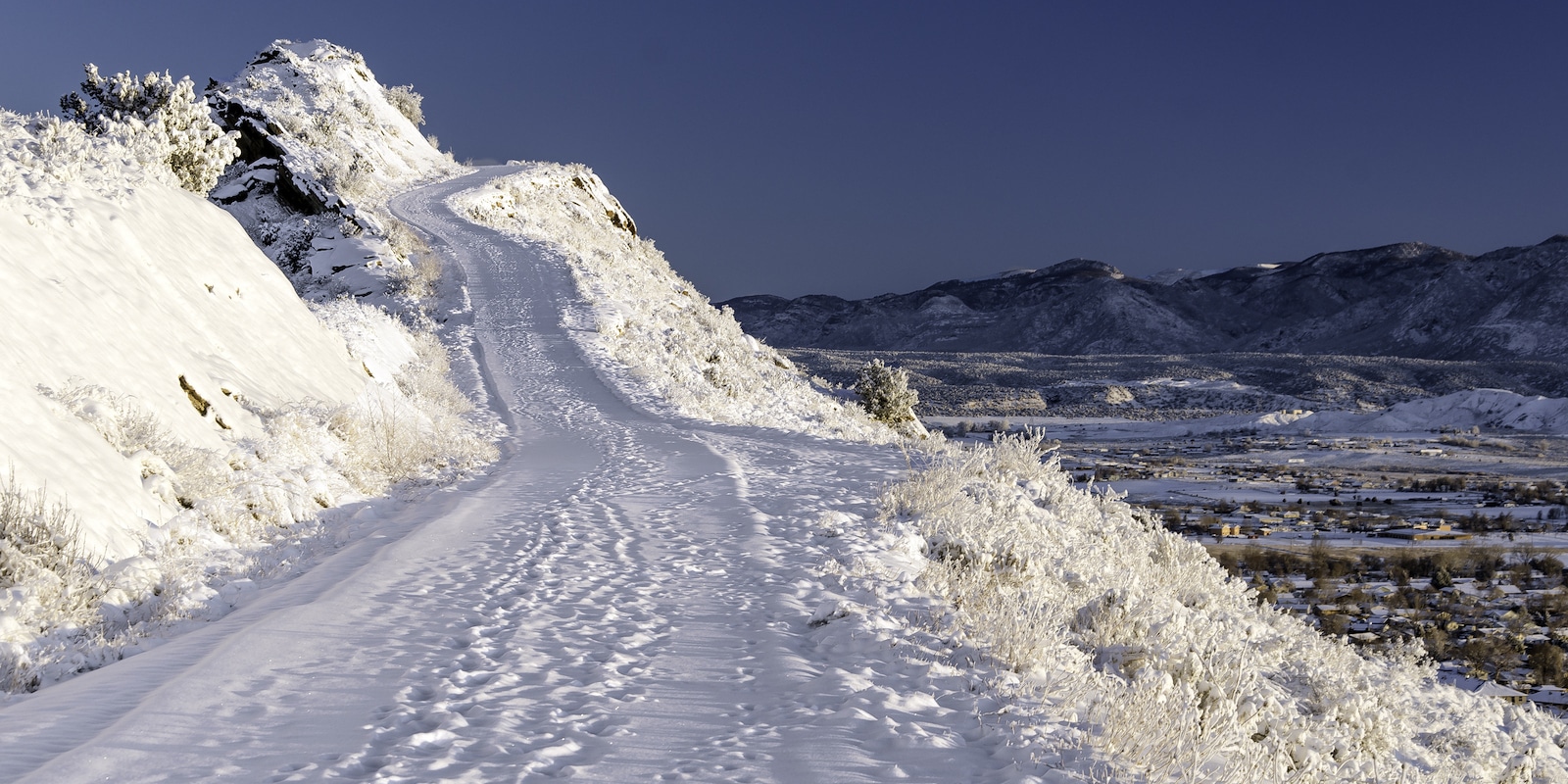
Understanding Colorado’s Snowfall Climate
Colorado’s snowfall is not a monolithic entity; it’s a dynamic interplay of elevation, proximity to moisture sources, and prevailing weather patterns. The state’s geography plays a pivotal role. Higher elevations, particularly the mountain ranges that form the backbone of the Rockies, receive substantially more snow than the lower-lying plains. This is due to orographic lift, a phenomenon where moist air is forced upward as it encounters mountains, cools, and condenses, leading to precipitation.
The snow season in Colorado typically begins in late autumn, with significant accumulations often starting in November and continuing through April, and sometimes even into May at the highest elevations. The intensity and timing of snowstorms can vary greatly year by year, influenced by factors such as El Niño and La Niña cycles, which can impact the jet stream and storm tracks.
Key Factors Influencing Snowfall
- Elevation: This is the most significant factor. Resorts and towns situated at higher altitudes will consistently experience heavier snowfall than those in valleys or on the eastern plains. For instance, ski resorts nestled above 10,000 feet are virtually guaranteed abundant snow, while cities like Denver, at around 5,280 feet, receive considerably less, though still enough to experience beautiful winter days.
- Aspect: The direction a slope faces (its aspect) also influences snow depth. North-facing slopes tend to hold snow longer due to less direct sunlight, while south-facing slopes melt faster. This is a critical consideration for skiers and snowboarders seeking optimal conditions.
- Proximity to Moisture: Areas closer to the continental divide and regions that capture moisture from Pacific storm systems tend to receive more snow. The western slopes of the Rockies often benefit more directly from these systems.
- Microclimates: Even within specific mountain ranges, microclimates can create pockets of unusually high or low snowfall, often due to complex terrain features, ridges, and bowls that can either funnel storms or create rain shadows.
Snowfall by Region: A Traveler’s Guide
To help you plan your Colorado winter escape, let’s break down the expected snowfall in some of the most popular travel destinations. This is not an exhaustive list but covers key areas renowned for their winter beauty and activities.
The Front Range and Eastern Plains
While not primarily known for heavy snow, the eastern plains and the Denver metropolitan area do experience winter weather. Snowfall here is often characterized by occasional significant storms interspersed with periods of sunshine and melting.
- Denver Metropolitan Area: Denver typically receives around 57 inches of snow per year on average. However, this can be highly variable, with some years seeing much less and others experiencing substantial dumps. Snow often melts quickly due to the city’s elevation and fluctuating temperatures.
- Boulder: Similar to Denver, Boulder receives moderate snowfall, averaging around 56 inches annually. Its proximity to the foothills means it can sometimes get more snow than Denver during certain storm events.
- Fort Collins: This northern city also experiences moderate winter conditions, with average annual snowfall around 45 inches.
These areas are excellent for travelers who want to experience winter charm without being in the deep snow of the high mountains, or as a base for day trips into the mountains.
The I-70 Mountain Corridor
This is the most traveled corridor into the heart of the Colorado Rockies, home to some of the state’s most famous ski resorts. Snowfall here is significantly higher and more reliable.
- Winter Park: Known for its abundant snow, Winter Park Resort averages over 350 inches of snowfall annually. Its location on the western slope of the Continental Divide often captures moisture effectively.
- Loveland Ski Area: This area is a consistent recipient of heavy snowfall, averaging over 300 inches per season. Its high elevation contributes to excellent snow quality.
- Georgetown: While not a ski resort, this historic mountain town at over 8,500 feet experiences considerable snow, setting a picturesque winter scene.
- Vail: Consistently ranks among the snowiest ski resorts in North America, Vail Mountain averages over 350 inches of snowfall annually. Its vast terrain is well-suited to deep snow conditions.
- Aspen: The Aspen Snowmass area, comprising multiple mountains, is renowned for its snowfall. Collectively, the area receives an average of over 300 inches of snow per year, with some individual mountains seeing even more.
This corridor is ideal for those seeking a quintessential Colorado ski vacation with guaranteed powder.

Summit County
Summit County is a hub for winter sports, boasting several world-class ski resorts and consistently high snowfall totals.
- Breckenridge: Breckenridge Ski Resort benefits from high elevation and exposure to storm systems, averaging over 300 inches of snow annually. Its peaks reach over 13,000 feet, ensuring ample snow cover.
- Keystone Resort: Keystone Resort also enjoys substantial snowfall, typically receiving over 200 inches per season.
- Copper Mountain: Known for its natural terrain and reliable snow, Copper Mountain averages around 300 inches of snowfall annually.
- Arapahoe Basin: Often referred to as “The Legend,” Arapahoe Basin is one of the highest ski areas in North America, with an average snowfall of over 300 inches and one of the longest ski seasons in the state.
Summit County offers a variety of experiences, from challenging terrain to family-friendly slopes, all with the promise of ample snow.
Southwestern Colorado
This region, home to the San Juan Mountains, is known for its dramatic scenery and exceptionally heavy snowfall, often qualifying it as a true winter paradise.
- Telluride: This picturesque and remote ski town is blessed with spectacular scenery and consistently heavy snowfall. Telluride Ski Resort averages over 300 inches of snow annually, with some years exceeding 400 inches.
- Durango: The town of Durango itself receives a respectable amount of snow, but the nearby Purgatory Resort often sees over 200 inches annually, making it a great destination for snow sports enthusiasts in the southwest.
- Crested Butte: Known for its “wildflower capital of Colorado” moniker in the summer, Crested Butte Mountain Resort is also a winter wonderland, averaging around 300 inches of snow each season.
The San Juan Mountains are a haven for those seeking off-the-beaten-path winter adventures and vast, snow-laden landscapes.
Planning Your Snow-Focused Trip
Knowing these general snowfall patterns is vital for tailoring your Colorado winter travel experience. Here are some tips to maximize your enjoyment and preparedness.
Best Times to Visit for Snow
- Peak Season: For the most reliable and deepest snow, the period from January through March is generally considered peak season. This is when most resorts have established their base layers, and frequent storms are common.
- Early Season (Late November – December): Many resorts open in November or December, offering early-season skiing. While conditions can be excellent, there’s a higher chance of variable snow coverage early on.
- Late Season (April – May): Higher elevation resorts, especially those on the western slopes and in the San Juans, can offer fantastic spring skiing with abundant snow. The days are longer, and the sun is warmer, making for a pleasant experience. However, lower elevations and south-facing slopes may experience significant melting.
What to Pack
Regardless of the specific destination within Colorado, proper gear is essential for enjoying the snow:
- Outerwear: Waterproof and windproof ski jacket and pants.
- Layers: Thermal base layers, insulating mid-layers (fleece or down).
- Accessories: Warm, waterproof gloves or mittens, a warm hat that covers your ears, and ski socks (wool or synthetic).
- Footwear: Waterproof, insulated boots for walking around towns and resorts.
- Eye Protection: Goggles for skiing/snowboarding, and sunglasses for sunny days.
- Sun Protection: Even on cloudy days, the sun at high altitudes can be intense. Sunscreen and lip balm with SPF are crucial.
Checking Snow Reports
Before and during your trip, regularly check reliable snow reports. Most ski resorts have dedicated websites with daily snow updates, including recent snowfall, current conditions, and forecasts. Websites like OnTheSnow, OpenSnow, and the National Weather Service also provide valuable meteorological information for Colorado.
By understanding the nuances of Colorado’s snowfall, travelers can better prepare for and embrace the magic of a winter visit, ensuring an unforgettable experience amidst some of the most stunning snowy landscapes in the United States.
LifeOutOfTheBox is a participant in the Amazon Services LLC Associates Program, an affiliate advertising program designed to provide a means for sites to earn advertising fees by advertising and linking to Amazon.com. Amazon, the Amazon logo, AmazonSupply, and the AmazonSupply logo are trademarks of Amazon.com, Inc. or its affiliates. As an Amazon Associate we earn affiliate commissions from qualifying purchases.