
Minneapolis, the vibrant heart of Minnesota, is renowned for its dynamic arts scene, beautiful lakes, and, undeniably, its significant winter snowfall. For travelers planning a visit, understanding the city’s snowy disposition is crucial for packing appropriately, planning activities, and fully embracing the unique charm of a Midwestern winter. Far from being a deterrent, the snow often transforms Minneapolis into a picturesque wonderland, offering a plethora of distinct experiences that are simply unavailable elsewhere. This guide delves deep into Minneapolis’s snowfall patterns, helping you prepare for an unforgettable cold-weather adventure.
Understanding Minneapolis’s Winter Climate
To truly appreciate what awaits you in Minneapolis, it’s essential to grasp the nuances of its winter climate. The city experiences distinct seasons, with winters being characterized by cold temperatures and, of course, substantial snowfall. This climate is largely influenced by its inland location, far from the moderating effects of oceans, and its position within the continental United States.
Average Annual Snowfall
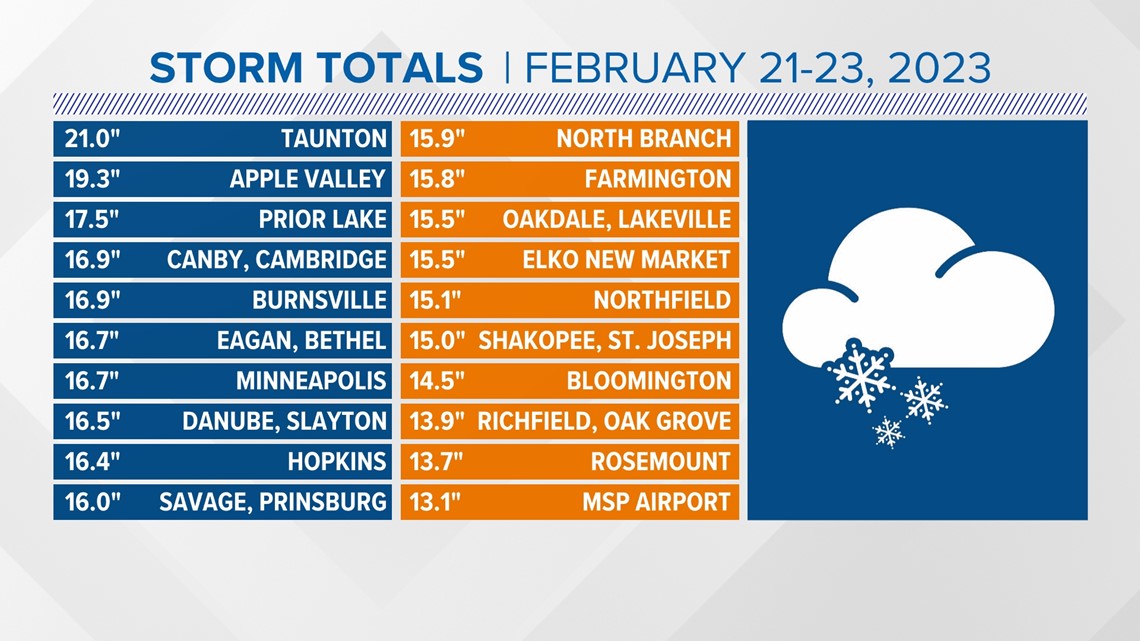
Minneapolis typically receives an impressive average of 50 to 60 inches (approximately 127 to 152 centimeters) of snow annually. This figure places it among the snowier major cities in the United States. However, it’s important to note that this is an average, and yearly totals can vary significantly. Some winters might bring lighter amounts, while others can see totals soaring well above 70 or even 80 inches. The city’s official weather station, located near Minneapolis-Saint Paul International Airport, meticulously tracks these figures, providing historical data that showcases this variability. While early snow flurries might appear in October, significant accumulations typically begin in November and extend through March, with February often being the snowiest month.
Seasonal Variations and Extremes
While the average provides a baseline, Minneapolis‘s snowfall is far from uniform. Early winter (November-December) often sees lighter, fluffier snowfalls, which quickly transform the urban landscape. Mid-winter (January-February) is generally the coldest and often the snowiest period, with blizzards and heavy snow events more common. Late winter (March) can be a mixed bag, with lingering snowfalls interspersed with occasional thaws, signaling the approach of spring. Record-breaking winters have seen over 100 inches of snow, creating epic conditions for winter sports but also presenting significant challenges for city infrastructure. Conversely, milder winters might see totals closer to 30-40 inches, which, while still snowy by many standards, can feel less intense for residents. These extremes highlight the dynamic nature of Minneapolis’s weather and the importance of checking forecasts closer to your travel dates.
Factors Influencing Snowfall
Several meteorological factors contribute to Minneapolis’s abundant snow. Its position downwind of large bodies of water like Lake Superior, while not a direct lake-effect snow generator in the same way as cities near the Great Lakes, can still influence moisture content in storm systems. More critically, the city lies in a prime path for cold air masses originating from the Arctic and moisture-laden systems moving up from the Gulf of Mexico. When these two air masses collide over the Midwest, the conditions are ripe for significant snowfall. Topography plays a lesser role in the immediate Minneapolis area compared to mountainous regions, but the flat terrain allows cold air to settle, enhancing snow production.
Preparing for a Snowy Minneapolis Trip
Visiting Minneapolis in winter offers a unique experience, but it demands careful preparation. Understanding how to dress, navigate, and adjust your expectations will ensure a comfortable and enjoyable trip, regardless of the snow depth.
What to Pack: Essential Winter Gear
The golden rule for Minneapolis winters is layering. Start with a moisture-wicking base layer, add insulating middle layers (fleece or down), and top it off with a waterproof and windproof outer shell. A high-quality winter coat is non-negotiable – ideally one rated for sub-zero temperatures. Don’t forget insulated, waterproof boots with good grip, as sidewalks and streets can be slippery. Warm gloves or mittens, a heavy hat that covers your ears, and a scarf or neck gaiter are also crucial for protecting exposed skin from the biting cold and wind. For those planning extended outdoor activities, thermal socks and possibly hand/foot warmers will be your best friends.
Navigating the City in Snow
Despite heavy snowfall, Minneapolis is exceptionally well-equipped to handle winter conditions. The city’s extensive skyway system offers a climate-controlled network of pedestrian bridges connecting buildings downtown, allowing you to traverse many blocks without stepping outside. When venturing outdoors, anticipate slower walking speeds due to snow and ice. Main thoroughfares are typically cleared quickly, but side streets and sidewalks might take longer. Always be mindful of ice, especially in shaded areas or after freeze-thaw cycles. Public transportation, while generally reliable, might experience minor delays during heavy snowfalls.
Transportation Considerations
If you’re flying into Minneapolis-Saint Paul International Airport, rest assured that the airport is adept at keeping runways clear. However, extreme blizzards can occasionally cause flight delays or cancellations, so it’s always wise to monitor your flight status. For getting around the city, Minneapolis boasts a robust public transportation system, including buses and light rail, which are excellent options for navigating snowy conditions without the hassle of driving and parking. If you do opt for a rental car, ensure it has all-season or, ideally, winter tires. Four-wheel drive can offer added peace of mind, though it’s not strictly necessary for city driving if you drive cautiously. Always allow extra travel time and check road conditions before heading out, especially during or immediately after a snowstorm.
Embracing Winter: Activities and Experiences in Minneapolis
Far from shutting down, Minneapolis comes alive in winter, offering a unique array of activities that celebrate the snow and cold. Travelers who embrace the elements will find a vibrant city teeming with opportunities for adventure and cozy relaxation.

Outdoor Adventures
For those who love the snow, Minneapolis is a paradise. The city’s famed chain of lakes – including Lake Harriet, Lake of the Isles, and Bde Maka Ska – freeze over, transforming into popular spots for ice skating, ice fishing, and cross-country skiing. Theodore Wirth Park, one of the largest urban parks in the United States, offers extensive trails for cross-country skiing and snowshoeing, as well as a popular tubing hill. Snowmobiling is also popular on designated trails outside the city. Even a simple walk across the iconic Stone Arch Bridge offers breathtaking views of the frozen Mississippi River and the downtown skyline dusted with snow. Minnehaha Park with its partially frozen waterfall creates a spectacular winter scene.
Indoor Comforts and Attractions
When the chill becomes too much, Minneapolis offers an abundance of warm, indoor attractions. The Mall of America, just a short light rail ride away, provides endless shopping, dining, and entertainment options, including an indoor amusement park. Art enthusiasts can explore the renowned Walker Art Center and its adjacent Sculpture Garden (which remains captivating even under snow), or immerse themselves in the collections at the Minneapolis Institute of Arts. For live performances, the Guthrie Theater offers world-class productions, and various music venues host diverse acts. The city’s thriving culinary scene is perfect for warming up, with cozy cafes, upscale restaurants, and craft breweries offering delicious ways to escape the cold.
Seasonal Events and Festivals
Winter in Minneapolis is often celebrated with a variety of events and festivals. The annual Uptown Ice Sculpting Festival showcases incredible artistry, while various neighborhood events feature winter markets, bonfires, and ice skating rinks. Many local breweries host winter-themed taproom events, and the holiday season brings dazzling light displays across the city. Checking the local events calendar closer to your visit will reveal specific festivals, sports events (like Minnesota Wild hockey games), and cultural celebrations that coincide with your trip.
The Impact of Snow on Minneapolis Life and Infrastructure
The significant amount of snow Minneapolis receives is not just a meteorological fact; it profoundly shapes the city’s infrastructure, daily life, and the resilient spirit of its residents. Understanding this adaptation is part of appreciating the destination.
Snow Removal Efforts
Minneapolis has a highly organized and efficient snow removal system. Following major snowfalls, the city declares a “Snow Emergency,” which initiates a multi-phase plowing operation. Residents are required to move their cars from designated streets to allow plows to clear roads curb-to-curb. This system ensures that main arteries and residential streets are cleared quickly, maintaining accessibility throughout the city. Sidewalks, however, are typically the responsibility of property owners, so their clearance can vary. For travelers, respecting snow emergency rules (if driving a rental car) is vital to avoid towing and fines.
Urban Planning for Winter
The design of Minneapolis itself reflects its snowy reality. The aforementioned skyway system is a prime example of urban planning focused on winter livability. Buildings are constructed to withstand heavy snow loads and insulated against extreme cold. Many public spaces and parks feature heated facilities or warming houses for winter users. The emphasis on robust public transportation, including heated shelters at bus and light rail stops, further underscores the city’s commitment to year-round functionality. This foresight ensures that even with heavy snow, the city remains largely operational and enjoyable.
Economic and Social Aspects
Winter tourism, while distinct from summer, plays a significant role in Minneapolis’s economy. Businesses cater to both those seeking winter sports and those preferring indoor comforts. Local businesses often feature winter-themed products, services, and events. Socially, winter brings the community together, whether through shared experiences of navigating a snowstorm, enjoying outdoor activities, or gathering in warm, inviting spaces. The “Minnesota nice” reputation often shines brightest in winter, with residents often willing to help strangers stuck in the snow or share tips for staying warm.
Best Time to Visit for Snow Enthusiasts vs. Snow Avoiders
When planning your trip to Minneapolis, your preference for snow will heavily influence your ideal travel dates.
Prime Snowfall Months
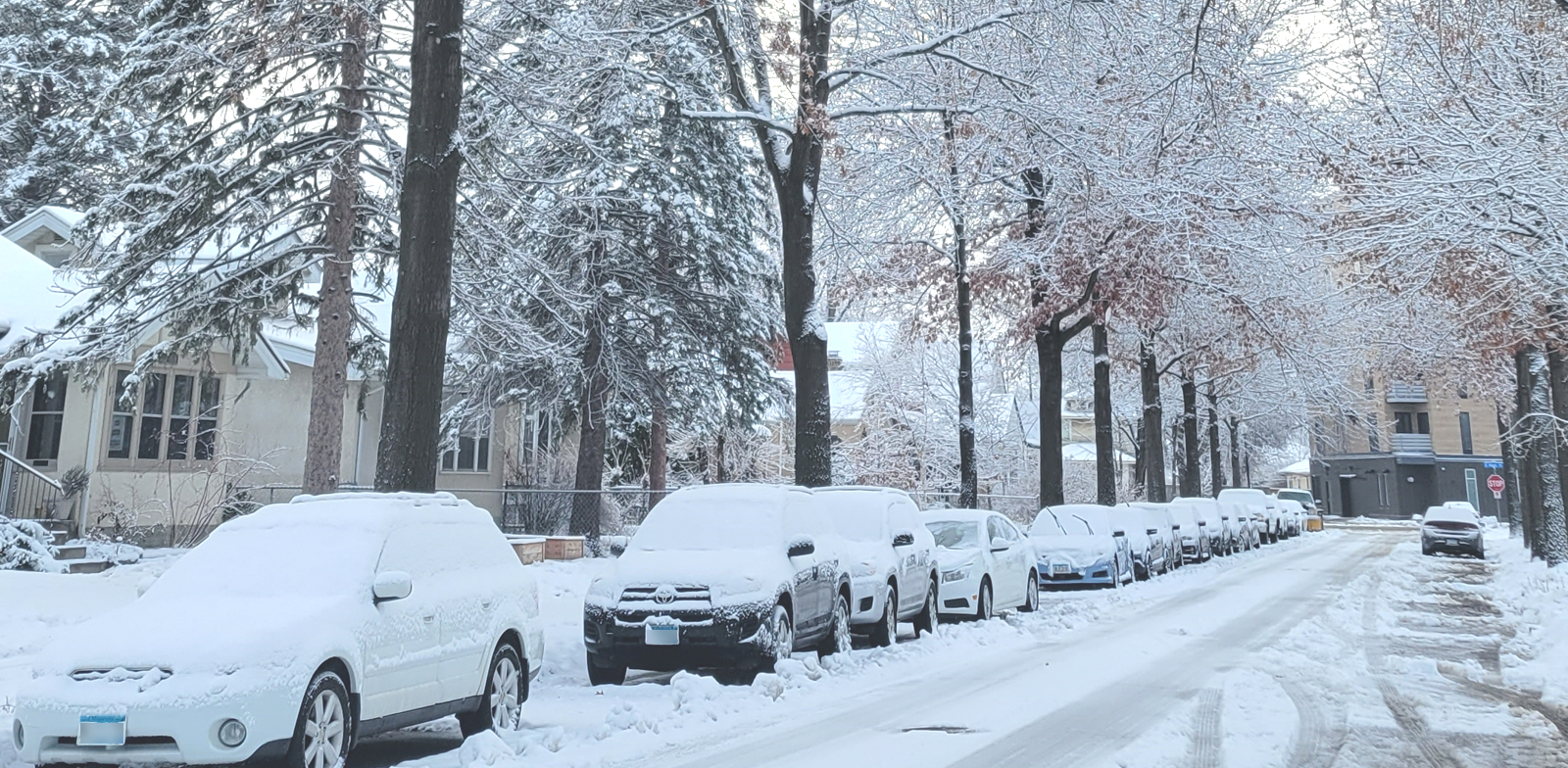
For those eager to experience the full glory of a snowy Minneapolis, the months of December, January, and February are your best bet. This period offers the highest likelihood of significant snow accumulation, frozen lakes, and the coldest temperatures, perfect for winter sports and seeing the city blanketed in white. February often stands out as the month with the highest average snowfall, making it a prime target for snow lovers. Keep in mind that holiday season travel in December can be busier, while January and February often offer a more authentic, albeit colder, winter experience.
When to Experience Milder Conditions
If you prefer to admire the beauty of Minneapolis with less snow and milder temperatures, aim for the shoulder seasons. Late March and early April often see the last of the significant snowfalls melting away, with temperatures gradually rising and the city beginning its transition to spring. While there might still be lingering snow or occasional late-season dustings, the intensity of winter subsides considerably. Conversely, late October and early November offer a chance to experience the crisp air of autumn transitioning into winter, with cooler temperatures and potentially the first light snowfalls, but generally avoiding the heaviest accumulations. These periods allow for more flexible outdoor activities while still offering a taste of the Minneapolis cold.
In conclusion, Minneapolis receives a considerable amount of snow, averaging 50-60 inches annually. This defining characteristic of its climate shapes everything from urban infrastructure to local culture and offers travelers a distinct set of experiences. By understanding what to expect, packing wisely, and embracing the cold, you can transform a snowy forecast into an opportunity for an unforgettable adventure in this dynamic Midwestern city.
LifeOutOfTheBox is a participant in the Amazon Services LLC Associates Program, an affiliate advertising program designed to provide a means for sites to earn advertising fees by advertising and linking to Amazon.com. Amazon, the Amazon logo, AmazonSupply, and the AmazonSupply logo are trademarks of Amazon.com, Inc. or its affiliates. As an Amazon Associate we earn affiliate commissions from qualifying purchases.