
Understanding Montana’s Winter Wonderland
Montana, often hailed as the “Big Sky Country,” is a state synonymous with vast landscapes, rugged mountains, and, for many, a significant amount of snow. For travelers planning a winter escape, understanding the state’s snow patterns is crucial for setting expectations, packing appropriately, and choosing the perfect destination. Montana’s snowfall varies dramatically across its diverse geography, influenced by elevation, proximity to mountain ranges, and prevailing weather systems. From the snow-capped peaks of the Rocky Mountains to the more arid plains, each region offers a unique winter experience, shaped by the amount and consistency of the snow it receives. This variability makes Montana a dynamic destination, capable of offering everything from deep powder for skiers and snowboarders to a picturesque dusting for those seeking a cozy, wintery ambiance.

Regional Snowfall Variations
The sheer size and varied topography of Montana mean that snowfall is far from uniform. The western part of the state, dominated by the Rocky Mountains, consistently receives the heaviest snow. Mountainous areas at higher elevations are particularly blanketed, creating prime conditions for winter sports enthusiasts. In contrast, the eastern plains of Montana, while experiencing winter, typically see less intense and less frequent snowfall. However, even these areas can be transformed by powerful winter storms, delivering significant accumulations that can reshape the landscape and impact travel.
- Western Montana: This region, home to iconic mountain ranges and national parks like Glacier National Park, is the snowiest part of the state. Ski resorts like Big Sky Resort and Whitefish Mountain Resort rely on this consistent snowfall to provide excellent skiing and snowboarding conditions. Towns like Missoula, Bozeman, and Kalispell often experience substantial snow cover throughout the winter months, transforming them into charming winter destinations.
- Central Montana: The transition zone between the mountains and the plains, central Montana, such as areas around Helena and Great Falls, sees a mix of conditions. Snowfall can be significant, especially in foothills and lower mountain areas, but it may not be as persistent or deep as in the western high country.
- Eastern Montana: The plains, including areas around Billings and Miles City, generally receive less snowfall. While winter storms can bring heavy accumulations and create beautiful snowy scenes, the snow is often more prone to melting between storm cycles compared to the higher elevation areas.
Average Snowfall and Seasonal Trends
Montana’s average annual snowfall is a statistic that can be misleading due to the vast regional differences. While the statewide average might seem moderate, it masks the extreme variations that define the state’s winter climate. Understanding these averages by region and considering the seasonal trends is key to appreciating Montana’s snowy reputation.
Deciphering the Numbers
Official weather data often aggregates snowfall across large regions, but for travelers, it’s the localized numbers that truly matter. For instance, a ski resort aiming for a 300-inch season might be nestled in a mountain valley that receives significantly more than the nearest town or airport weather station.
- Mountain Resorts: Major ski destinations within the Rocky Mountains regularly report annual snowfall in the hundreds of inches. Big Sky Resort, for example, frequently boasts average annual snowfall exceeding 400 inches, making it a premier destination for powder hounds. Similarly, Whitefish Mountain Resort often sees well over 300 inches.
- Urban Centers: Cities like Bozeman and Missoula, while benefiting from proximity to snow-laden mountains, typically receive less. Bozeman might average around 80-100 inches annually, with much of that falling during the core winter months. Missoula can see similar amounts, though sometimes slightly less.
- Eastern Plains: Towns in eastern Montana, such as Billings, might average closer to 50-70 inches of snow per year. While this is still a considerable amount, it is significantly less than the mountainous western regions.
Seasonal Snowfall Patterns
Montana’s winter typically begins to show signs of snow in October, with accumulations becoming more consistent and significant from November through March. The heaviest snowfall often occurs in January and February, with spring storms in April and even May sometimes adding to the late-season snowpack, particularly at higher elevations.
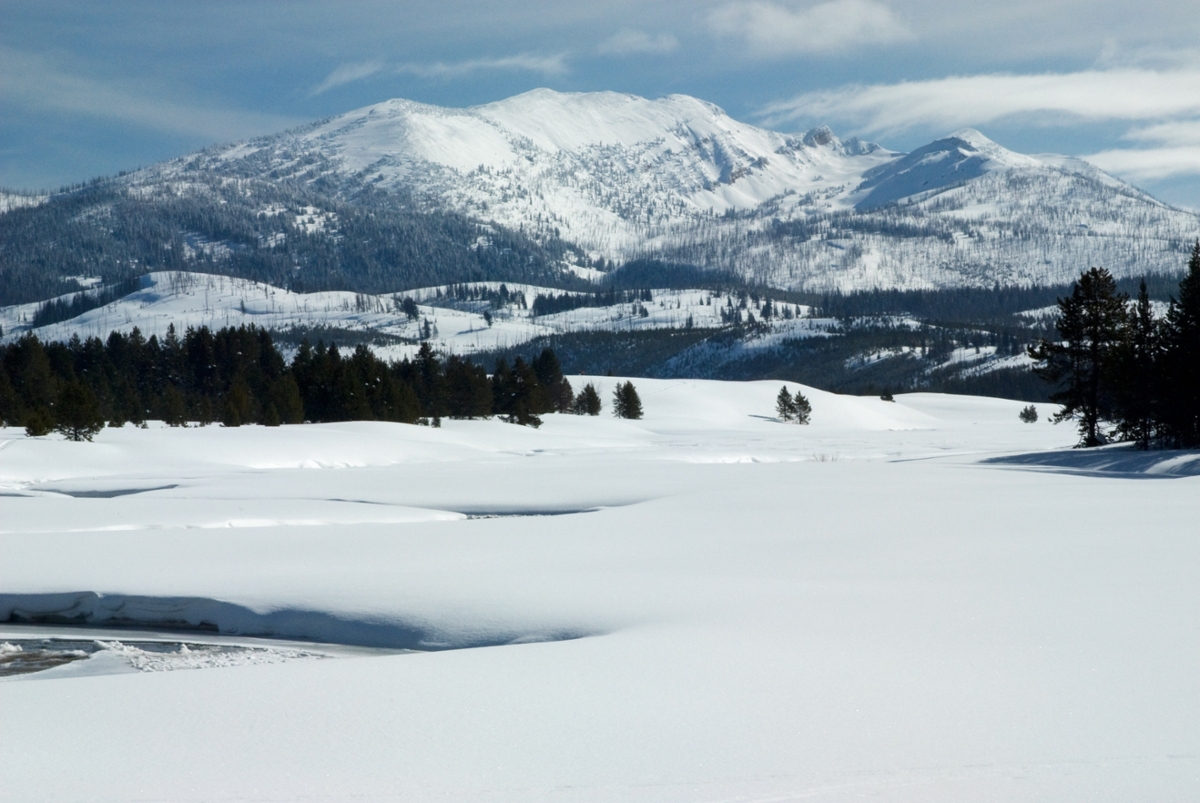
- Early Winter (October – November): Early snows can be sporadic, often beginning as dustings on higher peaks and gradually descending. By late November, many parts of western and central Montana begin to see consistent snow cover, signaling the start of the winter season for outdoor activities.
- Mid-Winter (December – February): This is the heart of Montana’s snowy period. The Rocky Mountains are buried under substantial snowpacks, providing ideal conditions for skiing, snowboarding, snowshoeing, and other winter sports. Storm systems moving across the continent frequently bring significant accumulations to the entire state.
- Late Winter/Early Spring (March – April): Snowfall can remain strong through March, and even into April, especially in the mountains. While temperatures begin to rise, substantial snowpack can persist, particularly on north-facing slopes and at higher elevations, extending the ski season at resorts like Big Sky Resort. Lower elevations may begin to see more melt-off.
- Lingering Snow (May – June): In the highest mountain passes and remote wilderness areas, snow can linger well into the late spring or even early summer, a testament to the substantial winter accumulations.
Planning Your Snowy Montana Adventure
Armed with an understanding of Montana’s snowfall, travelers can more effectively plan their winter or spring adventures, choosing destinations and activities that align with their expectations and desires. Whether seeking pristine ski slopes or a charming, snow-dusted town, Montana offers a diverse winter experience.
Choosing Your Winter Destination
The amount of snow directly dictates the type of experience available. For those dreaming of deep powder days, the western mountain ranges are the obvious choice. For a more subdued, scenic winter, or if driving is a primary concern, destinations closer to the plains might be more suitable, though still offering a beautiful winter ambiance.
- For the Ski Enthusiast: If world-class skiing and snowboarding are your goals, head to the western mountain ranges. Big Sky Resort, Whitefish Mountain Resort, and Bridger Bowl near Bozeman are all renowned for their substantial and reliable snow bases. These areas receive the highest annual snowfall, ensuring long ski seasons and abundant powder.
- For Scenic Winter Landscapes: If your interest lies in enjoying the visual splendor of a snowy landscape, numerous towns offer picturesque settings. Cities like Whitefish, Bozeman, and the smaller mountain communities provide charming experiences with reliable snow cover, often alongside opportunities for cross-country skiing, snowshoeing, or simply enjoying cozy cafes. Even areas like Yellowstone National Park (accessible via West Yellowstone in winter) offer unparalleled snowy vistas.
- For a Quieter Winter Experience: For those who prefer fewer crowds and a more serene winter atmosphere, consider destinations in central or even eastern Montana. While snowfall is less dramatic, these areas still experience winter’s charm, offering a peaceful escape with opportunities for enjoying local culture and the stark beauty of a snow-covered prairie.
Packing Essentials for Montana Winters
Appropriate gear is paramount for enjoying Montana’s snowy conditions safely and comfortably. The key is layering and protecting yourself from the cold, wind, and moisture.
- Layering System: The foundation of any good winter wardrobe. Start with a moisture-wicking base layer (long underwear), add an insulating mid-layer (fleece or down jacket), and finish with a waterproof and windproof outer shell.
- Footwear: Waterproof, insulated boots with good traction are essential. Consider bringing wool or synthetic socks to keep your feet warm and dry.
- Headwear and Handwear: A warm hat that covers your ears and insulated, waterproof gloves or mittens are critical for preventing heat loss.
- Outerwear: A heavy-duty, insulated, and waterproof winter coat is indispensable.
- Accessories: Sunglasses or goggles are important for protecting your eyes from the glare of the sun on snow. Sunscreen is also recommended, as snow reflects UV rays. Lip balm with SPF can prevent chapped lips.
- Driving Considerations: If you plan to drive, especially outside of major interstates, be prepared for winter road conditions. Ensure your vehicle has adequate tires, a full tank of gas, and consider carrying a winter emergency kit with blankets, food, water, a first-aid kit, and a shovel.
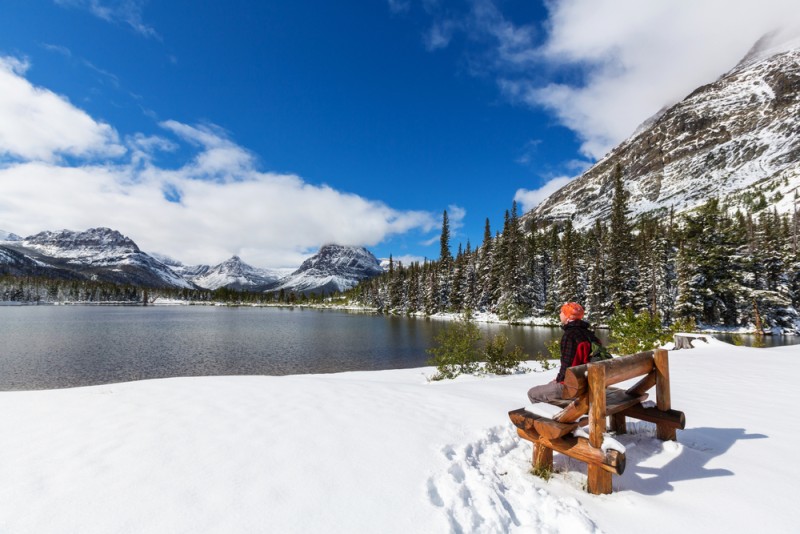
Embracing Winter Activities
Montana’s snowy landscape is an invitation to a wide array of winter activities. The amount of snow directly influences the feasibility and quality of these pursuits.
- Skiing and Snowboarding: As previously mentioned, western Montana is a mecca for downhill skiing and snowboarding. Resorts like Big Sky Resort offer vast terrain and incredible snow.
- Cross-Country Skiing and Snowshoeing: Many state parks, national forests, and even groomed trails in and around towns offer excellent opportunities for cross-country skiing and snowshoeing. This allows exploration of winter landscapes at a more leisurely pace. Areas like the Gallatin National Forest and the trails near Helena are popular.
- Ice Fishing: Montana’s numerous frozen lakes and rivers provide opportunities for ice fishing enthusiasts. Popular spots include Flathead Lake and various reservoirs.
- Winter Wildlife Viewing: The snow-covered landscapes of parks like Glacier National Park (though access is limited in winter) and Yellowstone National Park offer unique chances to spot wildlife, such as elk, bison, and bighorn sheep, against a stunning white backdrop.
- Sleigh Rides and Dog Sledding: Several outfitters offer enchanting sleigh rides through snowy meadows or thrilling dog sledding adventures, providing a truly memorable winter experience.
In conclusion, the question of “How Much Snow Does Montana Get?” opens the door to a richer understanding of this magnificent state. It’s not a single answer, but a spectrum of possibilities, where the snow’s depth and persistence define the seasonal character of its diverse landscapes. From the powder-laden slopes of the Rocky Mountains to the crisp, often snowy plains, Montana’s winter is a powerful force that shapes its natural beauty, its recreational opportunities, and the experiences awaiting every visitor.
LifeOutOfTheBox is a participant in the Amazon Services LLC Associates Program, an affiliate advertising program designed to provide a means for sites to earn advertising fees by advertising and linking to Amazon.com. Amazon, the Amazon logo, AmazonSupply, and the AmazonSupply logo are trademarks of Amazon.com, Inc. or its affiliates. As an Amazon Associate we earn affiliate commissions from qualifying purchases.