
Colorado Springs, nestled at the foot of the majestic Pikes Peak and along the Front Range of the Rocky Mountains in Colorado, presents a unique climate that fascinates both residents and visitors. When planning a trip, especially during the colder months, a common question arises: “How much snow can I expect in Colorado Springs?” The answer is nuanced, depending on the specific time of year, elevation, and the unpredictable nature of Colorado weather. However, one thing is certain: winter transforms this vibrant city into a picturesque wonderland, offering distinct travel experiences and opportunities for tourism.
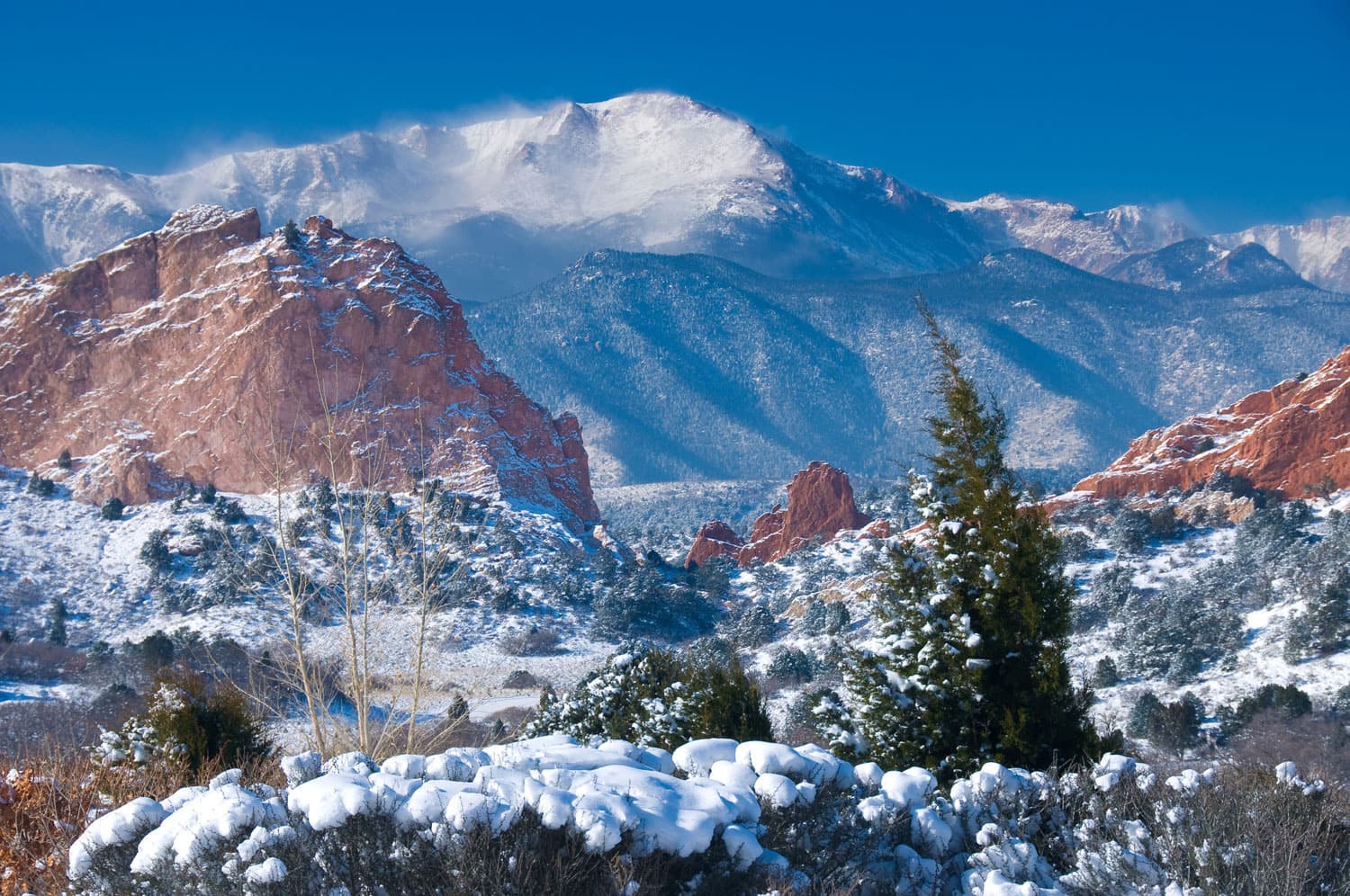
Understanding the snowfall patterns in Colorado Springs is crucial for anyone looking to visit, whether you’re seeking a snowy retreat, an active winter sports adventure, or simply wish to enjoy the city’s landmarks draped in white. While it’s not known for the deep, consistent snowpack found in high-altitude ski towns further west, Colorado Springs does receive its fair share of snow, creating stunning landscapes and a festive atmosphere. This guide delves into the specifics of snow in Colorado Springs, offering insights into seasonal averages, the best times to visit, and how to make the most of your winter escape, touching upon travel, accommodation, local tourism, and lifestyle aspects.
Understanding Colorado Springs’ Unique Climate and Geography
The geographical position of Colorado Springs plays a significant role in its weather patterns, especially concerning snowfall. Situated at an elevation of approximately 6,035 feet (1,839 meters), the city experiences what is known as a semi-arid climate, characterized by relatively low humidity and abundant sunshine, even in winter. This means that while snow does fall, it often melts quickly, especially in the downtown areas, leaving more persistent snow at higher elevations and in shaded areas.
Geographic Influences on Snowfall
The presence of Pikes Peak acts as a meteorological barrier, influencing local weather. Storms moving from the west often drop much of their moisture as snow on the western slopes of the mountains before reaching Colorado Springs. However, eastern-sloping storms, often referred to as “upslope” storms, can bring significant snowfall to the city. These storms, occurring when moist air from the east is forced upwards by the Front Range, can lead to heavy, wet snowfalls that can accumulate quickly.
Despite its high elevation, Colorado Springs experiences more moderate winter temperatures compared to some other Colorado cities. The city boasts over 240 sunny days per year, a statistic that holds true even in winter, meaning that clear, sunny days often follow snowfalls, contributing to rapid melting. This unique climate offers the best of both worlds: the beauty of a snowy landscape without the prolonged deep freezes sometimes associated with mountain winters. For travelers, this means you can often enjoy outdoor activities even after a fresh snowfall, with trails becoming accessible again relatively quickly.
Seasonal Snowfall Averages and Variations
On average, Colorado Springs receives about 57 inches (145 cm) of snow annually. However, this is an average, and actual snowfall can vary significantly from year to year. Some winters see very little accumulation, while others can be marked by several large blizzards, easily exceeding the average.
Monthly Breakdown of Snowfall
The snow season in Colorado Springs typically spans from October to April, with the heaviest snowfall usually occurring in March and April. While many might expect January or February to be the snowiest months, the city often experiences its most significant snow events later in the season.
- October: Snowfall is possible, often light and quickly melting. It marks the beginning of the colder season.
- November: The likelihood of snow increases, with a few measurable accumulations throughout the month.
- December: A festive month with moderate snowfall, creating a quintessential winter wonderland for holiday tourism.
- January: Usually colder, but not necessarily the snowiest. Snowfall can be intermittent.
- February: Similar to January, with cold snaps and occasional snow.
- March: Historically the snowiest month, with the potential for heavy, wet snowstorms. These later-season snows are often beneficial for local water supplies.
- April: Often rivals March for snowfall, characterized by strong spring storms that can bring significant accumulation, sometimes followed by quick thaws.
It’s important to remember that these are averages. A warm spell can mean very little snow, while a series of cold fronts and upslope conditions can lead to well above-average accumulation. For travelers, checking local forecasts closer to your travel dates is always recommended.
Impact of Snow on Travel and Tourism
Snow in Colorado Springs significantly enhances the travel and tourism experience, transforming familiar landmarks and offering unique winter activities. However, it also requires practical considerations for visitors.
Navigating the City in Winter
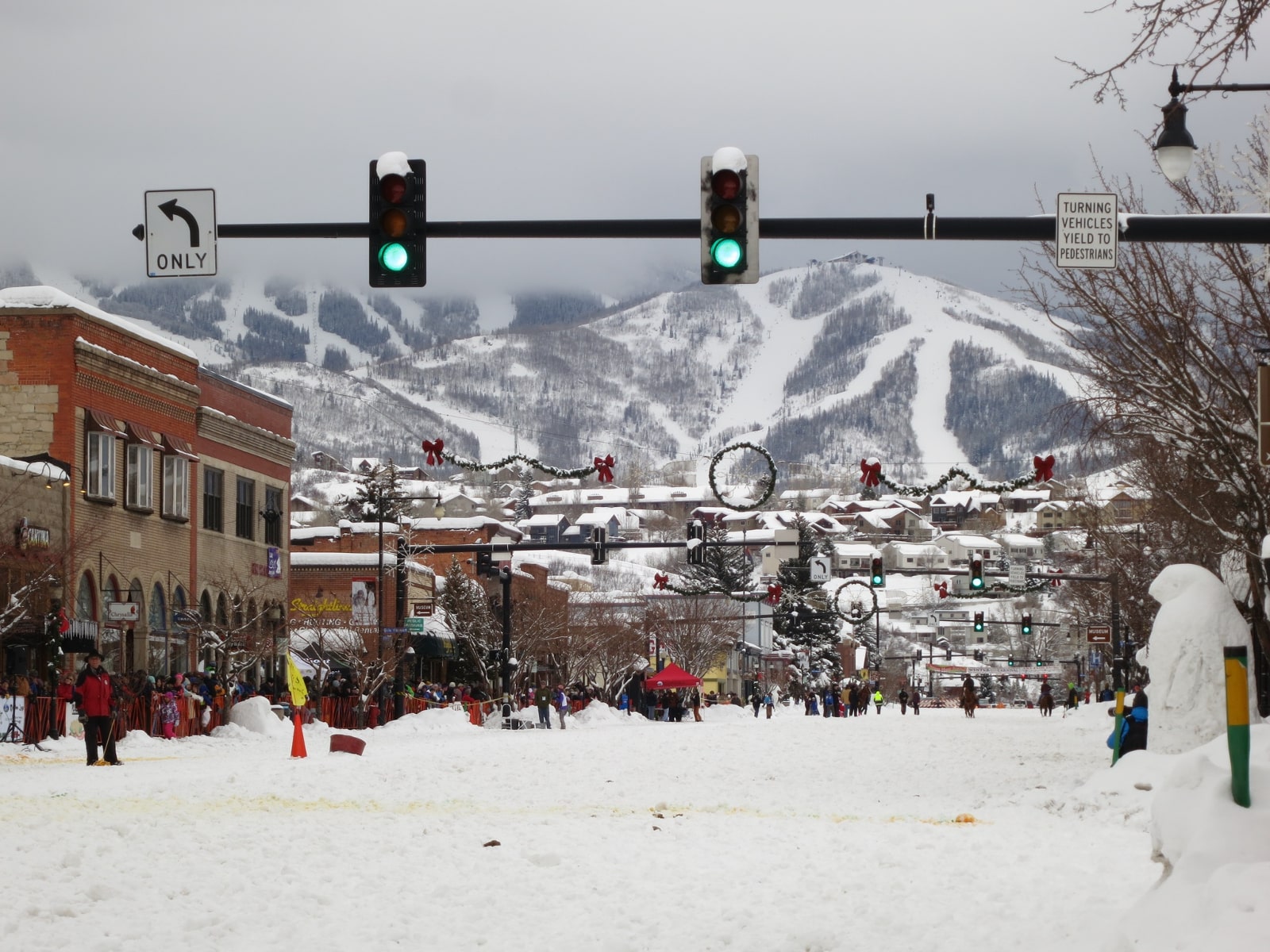
When heavy snow falls, road conditions can become challenging. The city’s plowing crews work diligently, but major snowstorms can lead to temporary closures or difficult driving conditions, especially on residential streets and mountain passes. For visitors, having a vehicle with four-wheel drive or all-wheel drive, and ideally snow tires, is highly recommended during the winter months, particularly if planning excursions to higher elevations like Pikes Peak or Manitou Springs. Public transportation is available, but schedules can be impacted by severe weather.
Despite the occasional inconvenience, the city remains largely accessible. Major roads are cleared relatively quickly, ensuring that popular attractions and hotels are reachable. It’s a good idea to factor in extra travel time and always monitor local weather and road condition reports, especially when planning drives outside the immediate city center, perhaps towards Denver or further into the Rocky Mountains.
Top Winter Activities and Attractions
Winter in Colorado Springs opens up a new array of activities, making it an appealing destination for diverse lifestyles, from family trips to luxury travel.
- Scenic Views: Landmarks like Garden of the Gods take on a breathtaking appearance with a dusting of snow on their red rock formations. While some trails might be slippery, many remain open for winter hiking, offering unparalleled photo opportunities.
- Winter Hiking and Snowshoeing: The numerous parks and open spaces around Colorado Springs, such as Red Rock Canyon Open Space, become ideal for winter hiking or snowshoeing after a fresh snowfall.
- Ice Skating: Several outdoor ice rinks pop up during the winter months, offering a classic winter pastime for all ages.
- Pikes Peak Cog Railway/Highway: Access to the summit of Pikes Peak via the Highway is often closed at higher elevations during heavy snow, but the Pikes Peak Cog Railway (seasonal operation, check current status) provides a unique way to experience the snow-covered mountain without driving.
- Holiday Events: If visiting in December, Colorado Springs comes alive with holiday lights and events. The Broadmoor hotel, for instance, is renowned for its elaborate holiday decorations and festive atmosphere, making it a luxurious retreat. Other attractions like North Pole – Santa’s Workshop offer family-friendly seasonal fun.
- Indoor Attractions: On colder or heavily snowy days, the city’s indoor attractions provide warmth and entertainment. The Cheyenne Mountain Zoo remains open year-round, with many animals thriving in cooler temperatures. The United States Air Force Academy offers impressive architecture and a visitor center. History buffs and sports enthusiasts will appreciate the Olympic & Paralympic Museum, providing a fascinating look into America‘s athletic achievements.
Planning Your Winter Trip: Accommodation and Essentials
Successful winter travel in Colorado Springs hinges on choosing the right accommodation and being well-prepared for the weather.
Best Hotels for a Snowy Getaway
Colorado Springs offers a diverse range of accommodations, from luxury resorts to budget-friendly hotels, catering to every lifestyle. For a truly immersive winter experience, consider properties that offer comfort and convenient access to attractions.
- The Broadmoor: As a five-star resort, The Broadmoor offers unparalleled luxury travel. Its historic charm, exceptional amenities (including indoor pools and fine dining), and picturesque setting by Cheyenne Mountain make it an ideal choice for a sophisticated winter escape. During winter, its outdoor ice rink (often Ski Broadmoor in earlier days) and elaborate holiday decorations create a magical atmosphere.
- Cheyenne Mountain Resort: Another excellent option for a resort experience, offering stunning views, diverse amenities, and a slightly more contemporary feel than The Broadmoor. It’s a great choice for families and business stays alike.
- Garden of the Gods Resort and Club: For breathtaking views of Garden of the Gods and Pikes Peak, this resort provides luxurious accommodation with an emphasis on wellness and stunning natural beauty, which is only enhanced by snow.
- Kinship Landing: A boutique hotel in downtown Colorado Springs, offering a modern, communal vibe. It’s a great base for exploring the city’s urban attractions and local food scene, and is particularly suited for budget travel or those seeking a more unique stay.
- Hyatt Place Colorado Springs Downtown: Offers reliable comfort and a convenient location for exploring downtown Colorado Springs. Its proximity to dining and cultural spots makes it an excellent option for urban explorers.
When booking accommodation, consider hotels that offer amenities like indoor hot tubs or fireplaces, which can greatly enhance the cozy winter experience. Always check reviews and compare options, especially if you’re looking for long-term stay possibilities.

Packing Tips for a Colorado Winter
Regardless of how much snow actually falls during your visit, winter in Colorado Springs can be cold, with temperatures often dropping below freezing, especially at night. Packing appropriate clothing is essential for enjoying your trip.
- Layering is Key: The Colorado climate can feature significant temperature swings throughout the day. Dress in layers, starting with a moisture-wicking base, an insulating mid-layer (fleece or down), and a waterproof/windproof outer shell.
- Warm Outerwear: A heavy winter coat, suitable for temperatures below freezing, is a must.
- Footwear: Waterproof, insulated boots with good traction are critical, especially if you plan to walk through snow or on icy patches.
- Accessories: Don’t forget a warm hat, gloves or mittens, and a scarf.
- Sun Protection: Even in winter, the Colorado sun is strong, especially with snow reflecting its rays. Pack sunglasses and apply sunscreen.
- Hydration: The high altitude and dry air can lead to dehydration. Drink plenty of water.
By preparing for a range of winter conditions, you’ll be able to fully enjoy the beauty and activities Colorado Springs has to offer, regardless of whether you encounter a light dusting or a full-blown winter storm.
In conclusion, while Colorado Springs experiences a substantial amount of snow annually, it’s typically a city that handles winter gracefully. The unique combination of snowfall and abundant sunshine creates a dynamic winter landscape that is both beautiful and accessible. Whether you’re drawn by the majestic snow-capped Pikes Peak, the festive holiday tourism, or the serene beauty of Garden of the Gods under a blanket of white, Colorado Springs in winter promises a memorable travel experience. With careful planning regarding accommodation and packing, visitors can easily embrace the seasonal charm of this magnificent USA destination.