
Florida, a state synonymous with sunshine, palm trees, and warm beaches, might not be the first place that springs to mind when discussing snowfall. The very idea of snow gracing the sands of Miami or dusting the theme parks of Orlando often elicits chuckles and disbelief. However, for those contemplating a visit or considering a relocation to the Sunshine State, understanding the rare occurrences of frozen precipitation is a curious, albeit niche, aspect of Florida’s diverse climate. While significant accumulations are practically unheard of, understanding the meteorological phenomena that can lead to even a dusting of snow offers a unique perspective on the state’s environmental peculiarities.

The Unlikelihood of a White Christmas in Florida
The primary reason Florida rarely experiences snow is its geographic location and prevailing atmospheric conditions. Situated in the southeastern United States, much of the state lies at a low latitude, meaning it receives abundant solar radiation throughout the year. This translates to consistently warm temperatures, particularly during the winter months when snow is most likely to form elsewhere in the country.
Winter’s Warm Embrace
Florida’s winters are characterized by mild temperatures, with average highs in the 60s and 70s Fahrenheit (15-25 degrees Celsius) across much of the state. Even in the Panhandle, the northernmost region, average winter lows typically remain above freezing. Snow requires temperatures at or below freezing (0 degrees Celsius or 32 degrees Fahrenheit) through a significant portion of the atmosphere, from the cloud where it forms to the ground. Florida’s consistently warm air masses, influenced by the Gulf of Mexico and the Atlantic Ocean, seldom allow for these conditions to align.
The Perfect Storm: A Rare Convergence
Despite the overwhelming odds against it, snow has, on very rare occasions, fallen in Florida. These events are typically the result of a confluence of unusual meteorological factors.
The Arctic Blast Phenomenon
The most common scenario for Florida snow involves a powerful cold air mass, often referred to as an “Arctic blast,” pushing unusually far south from Canada or the northern United States. This cold front must coincide with sufficient atmospheric moisture. When these two elements align precisely, and temperatures at all atmospheric levels are sufficiently low, precipitation can fall as snow rather than rain.
Historical Snowfall Events
While anecdotal accounts and local legends abound, documented instances of snowfall in Florida are few and far between. One of the most significant and widely remembered events occurred on January 19, 1977. This “Big Snow” saw light snowfall reported across a wide swath of central and northern Florida, including cities like Orlando, Tampa, and even extending as far south as Miami and Fort Lauderdale. The accumulations were minimal, often just a dusting that melted quickly, but the sight of snow in these typically tropical locales was a momentous occasion for residents and a significant talking point for years to come.
Another notable, though less widespread, event happened in 2018, with light flurries reported in parts of the Panhandle and northern Florida. These occurrences, while historically significant for the state, are more akin to fleeting meteorological curiosities than a recurring weather pattern. They serve as fascinating footnotes in Florida’s climate history rather than an indication of a snow-prone region.
When is Snow Possible in Florida?
The narrow window of opportunity for snow in Florida is during the winter months, primarily from December through February. Even then, the probability is exceptionally low. The conditions required are so specific that they are more likely to be encountered in states with continental climates.
Northern Florida’s Edge
The Florida Panhandle, with its proximity to Alabama and Georgia, is the most likely region within the state to experience any form of frozen precipitation. Cities like Tallahassee and Pensacola have recorded light snow on a few occasions in recorded history. The elevation in these areas is also slightly higher than in peninsular Florida, which can play a minor role in temperature.
Central Florida’s Rare Glimpse

Central Florida, home to iconic destinations like Walt Disney World and Universal Orlando Resort, has seen snow even more infrequently than the Panhandle. The 1977 event remains the most significant instance for this region. For tourists planning trips to the Orlando area, the expectation of snow is entirely unfounded. The focus for visitors here is unequivocally on warm-weather attractions and activities.
South Florida: A Tropical Anomaly
South Florida, including the vibrant cities of Miami, Fort Lauderdale, and the Florida Keys, is practically immune to snowfall. The subtropical climate ensures that temperatures rarely dip low enough for snow to form, let alone reach the ground. The concept of snow in these areas is purely theoretical, a meteorological improbability.
What to Expect (and Not Expect) Regarding Snow in Florida
For travelers, understanding the climate of their destination is crucial for packing, planning activities, and setting expectations. When it comes to Florida, the expectation of snow should be virtually zero.
Packing for Florida Winters
When packing for a trip to Florida, even in the heart of winter, focus on light to medium layers. A light jacket or sweater is usually sufficient for cooler evenings, especially in the northern parts of the state. For the vast majority of Florida, swimwear, shorts, and t-shirts remain standard attire year-round, with a notable exception for the occasional cool front that might necessitate a long-sleeved shirt. Snow gear is entirely unnecessary and would be a comical over-preparation.
Activities and Attractions
Florida’s tourism industry is built around its favorable climate. The state offers a plethora of outdoor activities, from exploring the beaches of the Gulf Coast to visiting world-renowned theme parks in Orlando, cruising the Everglades, or enjoying the vibrant nightlife of Miami. These experiences are all enhanced by, and often dependent on, warm and sunny weather. The absence of snow ensures that beach days, poolside relaxation, and outdoor adventures are readily available throughout the winter months, a stark contrast to destinations experiencing heavy snowfall.
The “Snowbirds” Phenomenon
Ironically, the term “snowbirds” is often associated with Florida, but it refers to people migrating to Florida from colder climates during the winter to escape the snow and low temperatures. This further underscores the state’s appeal as a warm-weather haven. The idea of snowbirds seeking out Florida for its snowy conditions is a contradiction in terms.
The Environmental and Economic Implications of Rare Snow
While a true snow event in Florida is a rare spectacle, it can have minor environmental and economic impacts, albeit fleeting ones.
A Brief Disruption
When snow does fall, it can cause minor disruptions. Roads might become slick for a short period, leading to a temporary slowdown in traffic. Schools might close for a day or two, not due to hazardous conditions but often as a precautionary measure, as municipalities are not equipped to handle snow removal. Local news outlets often provide extensive coverage of these rare events, turning them into a shared community experience.
Economic Angle
From an economic perspective, the lack of snow is a constant boon for Florida’s tourism and real estate industries. Unlike regions that face significant winter weather-related closures or travel disruptions, Florida remains open for business year-round. This reliability makes it an attractive destination for vacationers and a stable market for those seeking a winter escape or a permanent residence. The cost of snow removal infrastructure, a significant annual expense for many northern cities, is virtually non-existent in Florida.
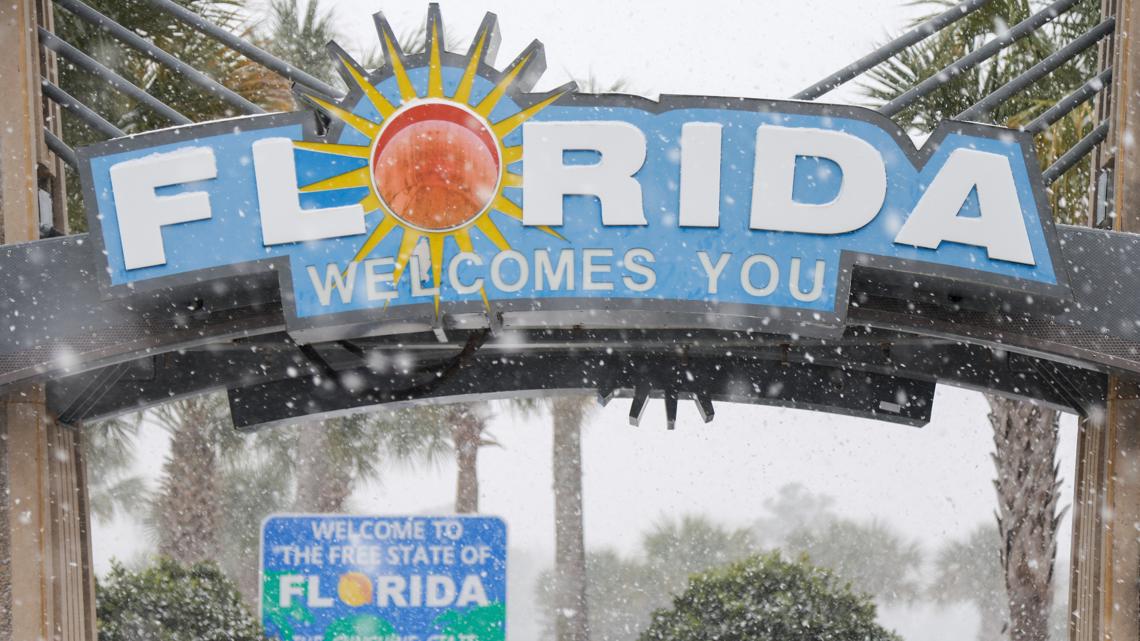
Conclusion: A Warm Welcome Awaits
In conclusion, while the question “How much snow in Florida?” might pique curiosity, the answer is overwhelmingly “virtually none.” The state’s geographical position and climate are designed for warmth, sunshine, and a complete absence of winter’s icy grip. The rare instances of snowfall are meteorological anomalies, celebrated more for their sheer unusualness than for any significant impact. For anyone planning a trip to the Sunshine State, rest assured that your itinerary will likely involve beaches, theme parks, and outdoor exploration, all under a reliably warm sky. Florida remains a premier destination precisely because it offers an escape from the cold and the snow, not an embrace of it.
LifeOutOfTheBox is a participant in the Amazon Services LLC Associates Program, an affiliate advertising program designed to provide a means for sites to earn advertising fees by advertising and linking to Amazon.com. Amazon, the Amazon logo, AmazonSupply, and the AmazonSupply logo are trademarks of Amazon.com, Inc. or its affiliates. As an Amazon Associate we earn affiliate commissions from qualifying purchases.