
Traveling to Chicago promises a vibrant urban experience, but for those venturing there in the colder months, a crucial question often arises: how much snow can one expect? Understanding Chicago’s snowfall patterns is essential for any winter itinerary, influencing everything from packing decisions to transportation plans and the types of activities travelers can enjoy. The city’s winter landscape is often transformed into a picturesque wonderland, but it also demands practical preparation.
Understanding Chicago’s Snowy Seasons
Chicago, situated in the Midwest, experiences distinct four seasons, with winter often being a significant event. The city’s proximity to Lake Michigan plays a pivotal role in its weather patterns, including the intensity and frequency of snow. While specific snowfall totals can vary dramatically from year to year due to various climatic factors, there are reliable averages and trends that travelers can use to anticipate their winter visit.
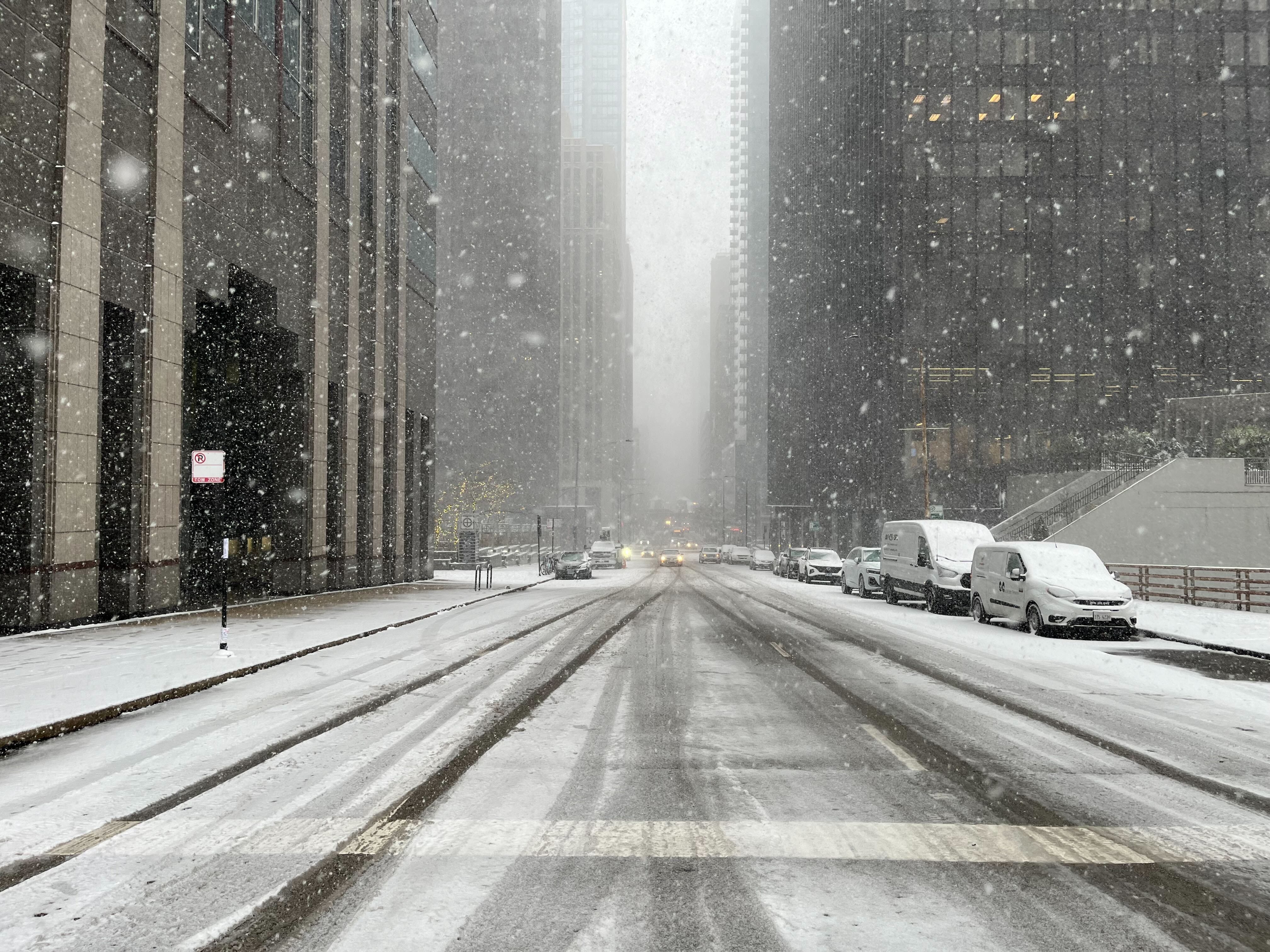
Average Annual Snowfall
On average, Chicago receives approximately 38 inches (about 96.5 cm) of snow annually. This average, however, can be deceptive, as some years see significantly less, while others bring record-breaking accumulations. For instance, the winter of 1978-79 famously dumped over 89 inches of snow on the city, while other winters have been notably mild. This variability underscores the importance of checking current weather forecasts closer to your travel dates. Despite the fluctuations, a snowy Chicago winter is more the norm than the exception, adding a unique charm and challenge to the travel experience.
Monthly Breakdown of Snow Accumulation
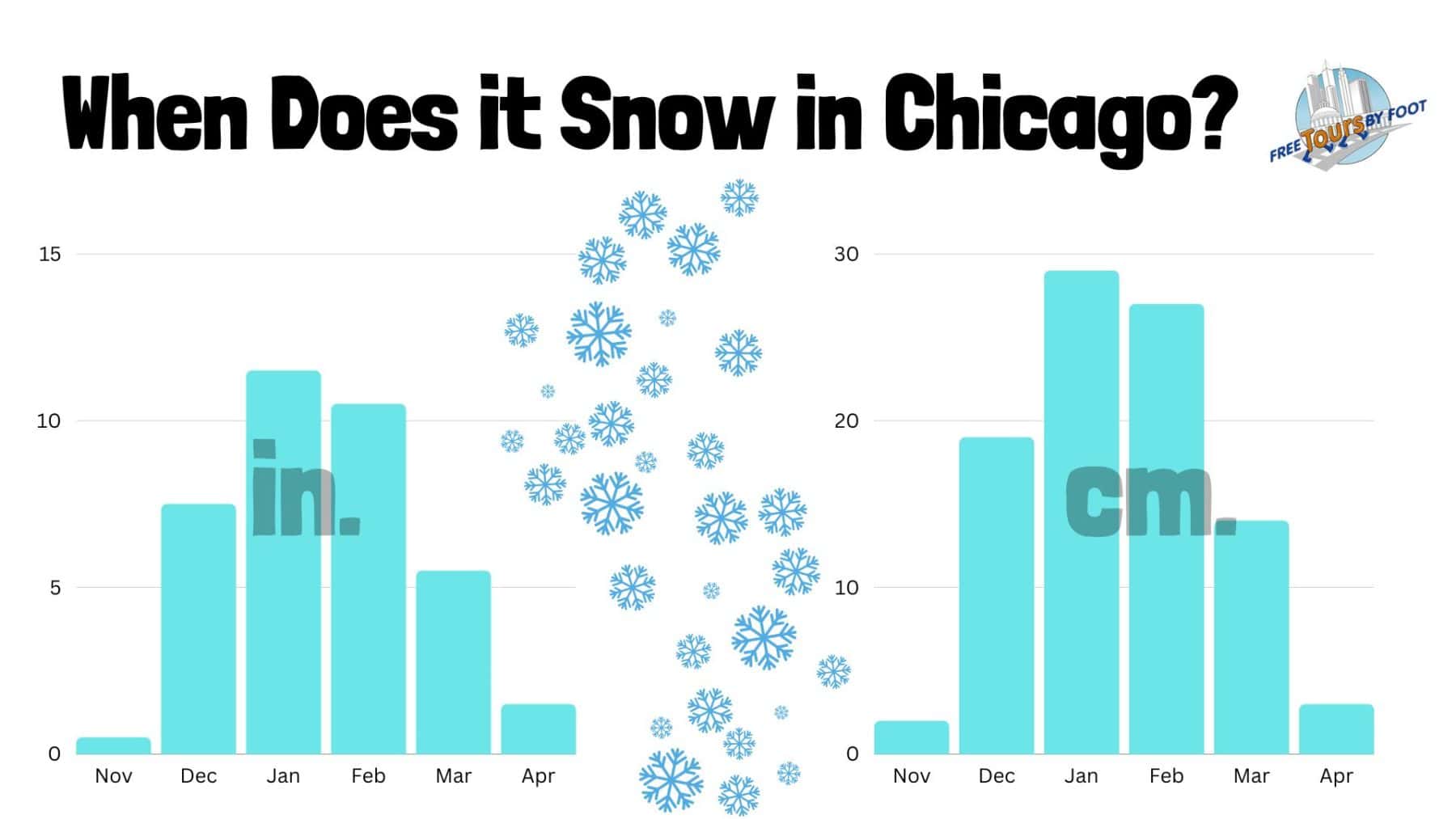
Snowfall in Chicago typically begins in late November, becomes more consistent through December, January, and February, and usually tapers off by late March.
- November: While not always guaranteed, November can see the first dustings or even significant snowfall, averaging around 2-3 inches. It’s often a precursor to the heavier months.
- December: As winter fully sets in, December averages around 8-10 inches of snow. This month often brings the first major snowfalls, contributing to a festive, holiday atmosphere.
- January: Historically the snowiest month, January typically receives 10-12 inches of snow. Travelers visiting in January should be fully prepared for cold temperatures and persistent snow cover.
- February: Following January closely, February also averages a substantial 9-11 inches of snow. The snow can be heavy and frequent, sometimes accompanied by severe cold snaps.
- March: Snowfall begins to decrease in March, averaging 4-6 inches. While spring is on the horizon, late-season snowstorms are not uncommon, especially in early March.
- April/October: Very rare, but not impossible, to see a light dusting. These are outliers and not typically a factor in travel planning for snow.
Factors Influencing Snowfall Variability
Several meteorological factors contribute to Chicago’s varied snowfall. The most significant is the “lake effect” snow. When cold arctic air masses sweep over the relatively warmer waters of Lake Michigan, they pick up moisture and warmth. As this air then moves over the colder land, it cools rapidly, condenses, and precipitates as snow, often in heavy, localized bands. The direction of the wind is crucial here; easterly winds off the lake are most likely to bring lake effect snow to the city and its immediate suburbs. Additionally, large-scale weather patterns like the polar vortex and El Niño/La Niña cycles can influence overall winter temperatures and storm tracks, leading to exceptionally snowy or milder winters.
Navigating Chicago in Winter White
Experiencing Chicago with a blanket of snow can be magical, but it requires careful planning to ensure a smooth and enjoyable trip. Practical considerations around transportation and packing are paramount for a comfortable and safe winter travel experience.
Transportation Considerations
Snowfall, especially significant accumulations, can impact travel within and to Chicago.
- Air Travel: Both O’Hare International Airport and Midway International Airport are well-equipped to handle snow, but delays and cancellations are possible during heavy storms. Always check flight statuses before heading to the airport.
- Public Transportation: Chicago’s CTA (Chicago Transit Authority) train system (the ‘L’) is generally reliable even in heavy snow, as most of its tracks are elevated or underground. Bus services, however, can be affected by road conditions and traffic. Allow extra time for commutes.
- Driving: Driving in Chicago during a snowstorm can be challenging. City plows work diligently, but major snow events can overwhelm them, leading to slippery roads and slow travel. If renting a car, ensure it has appropriate tires. Consider using ride-sharing services or taxis, but be prepared for surge pricing and potential delays.
- Walking: Sidewalks are usually cleared in commercial areas, but residential streets might be less maintained. Wear appropriate footwear with good traction.
Essential Packing for a Snowy Trip
To truly enjoy Chicago’s winter wonderland, proper attire is non-negotiable.
- Layers are Key: Start with a moisture-wicking base layer, add an insulating middle layer (fleece or wool), and finish with a waterproof and windproof outer shell.
- Warm Outerwear: A heavy, insulated winter coat that is both waterproof and windproof is essential. Look for coats with hoods for added protection.
- Footwear: Waterproof, insulated boots with good traction are critical for navigating snowy and icy sidewalks. Avoid fashion boots that aren’t designed for winter conditions.
- Accessories: Don’t forget a warm hat that covers your ears, waterproof gloves or mittens, and a scarf or neck gaiter. These items prevent heat loss and protect exposed skin.
- Other Items: Consider bringing hand warmers, extra socks, and perhaps a small umbrella for unexpected flurries. Lip balm and moisturizer are also helpful for combating dry winter air.
Embracing Winter Activities and Attractions
Far from being a deterrent, snow can enhance many of Chicago’s attractions, offering unique experiences that are only possible in winter. The city doesn’t shut down; it adapts and thrives, offering a mix of outdoor charm and cozy indoor retreats.
Iconic Outdoor Experiences
When snow transforms Chicago, certain outdoor attractions take on a new, stunning appeal.
- Millennium Park and Cloud Gate: Witnessing “The Bean” (Cloud Gate) shimmering against a snowy backdrop is a truly iconic sight. The ice skating rink at McCormick Tribune Plaza in Millennium Park offers a classic winter activity with the city skyline as a stunning backdrop.
- Ice Skating: Beyond Millennium Park, other popular ice skating spots include the Maggie Daley Park Skating Ribbon, which provides a unique winding path experience, and the rink at Gallagher Way near Wrigley Field.
- Lincoln Park Zoo: While some animals may be less active, seeing the zoo covered in snow is beautiful, and many animals adapted to cold climates are particularly lively. The ZooLights festival in December is a popular event.
- Winter Walks: A stroll along the Magnificent Mile or through neighborhood parks, especially after a fresh snowfall, can be incredibly picturesque, with festive decorations often adding to the ambiance.
Cozy Indoor Retreats
For days when the snow is too heavy or the cold too biting, Chicago boasts world-class indoor attractions.
- Museum Campus: The city’s famous Museum Campus is home to the Field Museum, Shedd Aquarium, and Adler Planetarium, offering days of exploration shielded from the elements.
- Art Institute of Chicago: One of the oldest and largest art museums in the United States, providing a warm refuge and cultural immersion.
- Museum of Science and Industry: Located further south in Hyde Park, this extensive museum offers interactive exhibits for all ages.
- Dining and Entertainment: Chicago’s culinary scene shines in winter, with countless restaurants offering hearty meals and cozy atmospheres. The city also has a thriving theater district and numerous live music venues perfect for an evening indoors.
Festive Events and Markets
The holiday season and early winter months in Chicago are often punctuated by special events.
- Christkindlmarket: Inspired by traditional German Christmas markets, this outdoor market at Daley Plaza (and sometimes other locations) offers unique gifts, food, and beverages, providing a European-style festive experience, often enhanced by falling snow.
- Holiday Lights: Throughout December, various parts of the city, including the Magnificent Mile, are adorned with spectacular holiday lights, creating a festive atmosphere for evening strolls.
- Winter Festivals: Keep an eye out for smaller neighborhood festivals or special events hosted by cultural institutions that embrace the winter theme.
Beyond the Snowfall: Planning Your Winter Chicago Getaway
Making the most of your Chicago trip when snow is a factor involves strategic timing and an awareness of personal comfort.
Best Times to Visit for Snow vs. Clear Weather
- For the Highest Chance of Snow: December, January, and February are your best bets. If a quintessential snowy Chicago experience is what you seek, these months offer the highest likelihood of a white landscape. Be prepared for colder temperatures.
- For Milder Conditions with a Chance of Snow: Late November or early March can provide a balance. You might still experience some snowfall, but temperatures are generally less severe, and the risk of major disruptive blizzards might be slightly lower.
- For Avoiding Snow Altogether: Plan your trip from late April through early November. These months offer warmer weather, though spring and fall can still bring unpredictable temperature swings.

Health and Safety Tips
Winter travel, especially in a city like Chicago, comes with specific health and safety considerations.
- Stay Hydrated: Cold, dry air can be dehydrating. Drink plenty of water.
- Protect from Cold: Beyond warm clothing, be aware of frostbite and hypothermia risks, especially during extreme cold snaps. Minimize exposed skin.
- Watch Your Step: Icy patches can form under snow, even after clearing. Walk carefully and use handrails where available.
- Check Forecasts Regularly: Weather conditions can change rapidly. Stay informed through local weather reports.
- Emergency Preparedness: Carry a fully charged phone and be aware of your surroundings, especially if venturing out after dark.
Ultimately, “how much snowfall” in Chicago is a dynamic question, but the city is undeniably a winter destination. With proper planning and a spirit of adventure, travelers can discover a unique and memorable side of Chicago, transformed by the beauty and challenges of its snowy season.
LifeOutOfTheBox is a participant in the Amazon Services LLC Associates Program, an affiliate advertising program designed to provide a means for sites to earn advertising fees by advertising and linking to Amazon.com. Amazon, the Amazon logo, AmazonSupply, and the AmazonSupply logo are trademarks of Amazon.com, Inc. or its affiliates. As an Amazon Associate we earn affiliate commissions from qualifying purchases.