
Navigating the financial landscape of any destination is crucial for travelers, and New York is no exception. While the allure of the Empire State – from the bustling streets of New York City to the serene beauty of the Adirondacks – draws millions, understanding the tax implications of your visit is paramount for a well-budgeted and enjoyable experience. This guide delves into the state tax considerations for travelers in New York, offering insights into what to expect and how it might affect your travel expenses.
Understanding New York State Sales Tax
The primary tax that impacts travelers in New York is the state sales tax. This tax is levied on the sale of tangible personal property and certain services. For tourists, this most commonly translates to the tax added to purchases at retail stores, restaurants, and on hotel stays.
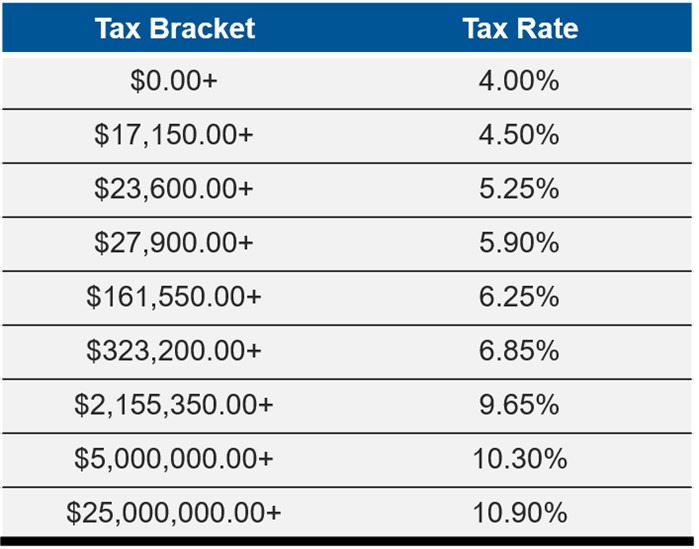
State Sales Tax Rate
The general statewide sales tax rate in New York is 4%. However, this is often just the base rate, and the final sales tax you pay will likely be higher due to the addition of local taxes.
Local Sales Taxes
New York State allows its counties and cities to impose their own local sales taxes. These rates vary significantly across the state. For instance, New York City and some of its surrounding suburban counties often have the highest combined state and local sales tax rates. Conversely, some upstate regions may have lower local rates, leading to a lower overall tax burden on purchases.
Combined Sales Tax Rates
When visiting New York, it is essential to be aware of the combined sales tax rate, which is the sum of the state rate and any applicable local rates.
New York City and Surrounding Areas
In New York City, the combined sales tax rate is typically 8.875%. This includes the 4% state tax, the 4.5% metropolitan commuter transportation district (MCTD) surcharge, and a 0.375% local tax within the city. This higher rate applies to most goods and services purchased within the five boroughs, including dining in restaurants like Katz’s Delicatessen or shopping along Fifth Avenue.
Other Regions of New York
Beyond New York City, sales tax rates can differ considerably. For example, in some upstate counties, the combined rate might hover around 7-8%. Travelers heading to regions like the Finger Lakes for wine tasting or the Catskills for outdoor adventures should research the specific rates for those areas to accurately budget for their spending. The New York State Department of Taxation and Finance provides a searchable database where you can look up the sales tax rate for any specific address or zip code in the state.
What is Taxable?
Generally, tangible personal property, such as clothing, electronics, souvenirs, and groceries (with some exceptions), is subject to sales tax. Services that are commonly taxed for travelers include:
- Hotel Occupancy: This is a significant expense for most travelers.
- Restaurant Meals: Whether dining in or taking out.
- Admissions Charges: For attractions, performances, and events.
- Services: Like repair services, dry cleaning, and car washes.
Exemptions and Exceptions
While the general rule is that most goods and services are taxable, there are notable exceptions that can impact a traveler’s budget.
- Groceries: Most basic groceries purchased for consumption at home are exempt from sales tax. However, prepared foods, hot foods, and restaurant meals are taxable.
- Clothing and Footwear: Clothing and footwear priced under $110 per item are exempt from state and local sales tax. This exemption applies to items like shirts, pants, dresses, and shoes. However, accessories like jewelry, handbags, and hats are generally taxable.
- Prescription Medications: Prescription drugs are exempt from sales tax.
- Newspapers: Most newspapers are also exempt.
It’s important to note that these exemptions are subject to specific definitions and limitations, and it’s always wise to confirm with the retailer or consult the New York State Department of Taxation and Finance if you are unsure.
Hotel Occupancy Taxes in New York
A substantial portion of a traveler’s expenditure in New York, particularly in popular destinations like New York City and tourist hubs, is often on accommodation. Hotel stays are subject to a combination of state and local occupancy taxes.
State and Local Hotel Taxes
In addition to the general sales tax, hotels and other lodging facilities are subject to specific occupancy taxes. These taxes are levied on the rent charged for occupying a hotel room.
New York City Hotel Taxes
New York City has some of the highest hotel taxes in the nation. The total occupancy tax for hotels in the city can be substantial, often ranging from 14.75% to 15.75% of the room rate, depending on the hotel’s location and specific services offered. This figure includes:
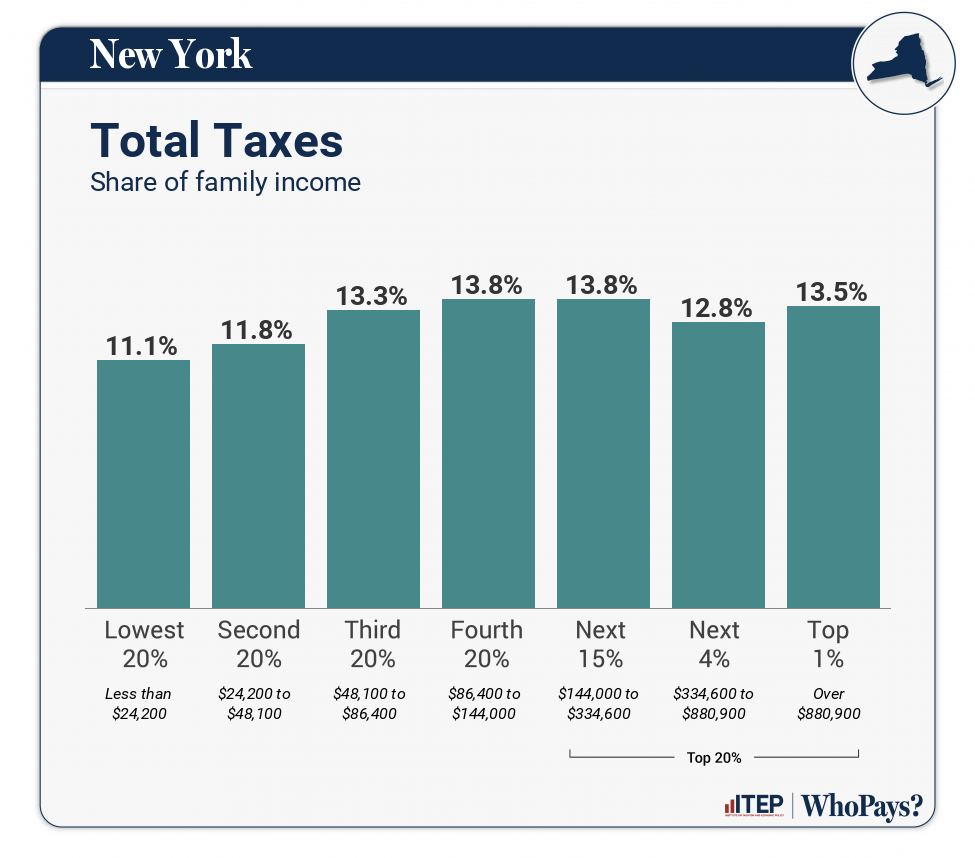
- State Occupancy Tax: 5%
- Metropolitan Commuter Transportation District (MCTD) Surcharge: 5%
- New York City Hotel Room Occupancy Tax: 5.5%
This means that for a $300 per night hotel room in Manhattan, you could be looking at an additional $44.25 to $47.25 in occupancy taxes alone. This is on top of the general sales tax that may also apply to certain hotel services.
Taxes Outside New York City
Outside of New York City, hotel occupancy tax rates vary by county and municipality. While generally lower than in the city, they can still add a significant amount to your lodging bill. For example, in areas around Niagara Falls or the Thousand Islands, you might find rates ranging from 6% to 10% combined state and local occupancy taxes. It is always advisable to check the specific rates for your chosen accommodation location in advance.
Understanding the Tax Base
It’s important to understand what these hotel occupancy taxes are applied to. Typically, they are calculated on the gross rent of the hotel room. However, some jurisdictions may include or exclude charges for services like parking, meals, or mini-bar items in the taxable base, so it’s worth clarifying with your hotel.
Other Taxes and Fees Affecting Travelers
Beyond sales and occupancy taxes, other taxes and fees can impact a traveler’s budget in New York, especially for specific modes of transportation or services.
Restaurant Taxes
As mentioned earlier, dining out in New York is subject to sales tax. For restaurant meals in New York City, this means the combined 8.875% sales tax rate. In other parts of the state, the rate will depend on the local combined sales tax. Some states have specific “prepared food” taxes, but New York generally incorporates these into its broader sales tax framework.
Transportation Taxes
- Car Rentals: Rental cars are subject to sales tax, and sometimes additional fees. The rate will align with the local sales tax where the car is rented.
- Taxis and Ride-Sharing: While fares for taxis and ride-sharing services like Uber and Lyft in New York City are generally subject to the standard sales tax, there can be additional surcharges for airport trips or specific zones.
- Tolls: While not a tax in the traditional sense, tolls on bridges and roads, especially around New York City and on major highways, can significantly add to transportation costs for those driving their own vehicles or renting cars.
Entertainment and Attraction Taxes
Many attractions, events, and performances in New York will have sales tax added to the ticket price. This can include Broadway shows in the Theater District, admission to world-renowned museums like the Metropolitan Museum of Art, or tickets to sporting events at venues like Yankee Stadium. The rate applied will be the local combined sales tax rate where the attraction is located.
Tips for Managing Taxes as a Traveler in New York
Effectively managing the tax implications of your trip to New York can help you stay within your budget and avoid any unwelcome financial surprises.
Research Local Rates in Advance
Before your trip, take a few minutes to research the specific sales and occupancy tax rates for the areas you plan to visit. Websites like the New York State Department of Taxation and Finance offer tools to find these rates. Knowing these figures will allow for more accurate budgeting for accommodation, dining, and shopping.
Utilize Exemptions Wisely
Take advantage of any available exemptions, such as the ones for clothing and footwear under $110 per item. Planning some of your shopping for these categories can lead to savings. Remember the distinction between taxable prepared foods and non-taxable basic groceries.
Factor Taxes into Your Budget
When planning your daily expenses, always add the applicable sales and occupancy taxes to the advertised prices. This is especially crucial for accommodation, as the nightly rate does not reflect the full cost. A $200 hotel room in New York City could easily cost over $230 once all taxes are included.
Consider Your Spending Habits
If you are planning extensive shopping or dining, the cumulative effect of sales tax can be significant. Similarly, if you are staying in hotels for an extended period, the occupancy taxes will add up. Being mindful of your spending can help you control the overall tax burden.

Look for Tax-Free Shopping Opportunities (Limited)
While New York does not have broad tax-free shopping holidays like some other states, the exemption for clothing and footwear under $110 per item is a form of tax relief. Certain specialized items or services might also have unique tax treatments, but these are less common for the average traveler.
By understanding and accounting for the various state and local taxes in New York, you can approach your travels with confidence, ensuring that your focus remains on enjoying the incredible experiences this vibrant state has to offer, from the iconic skyline of New York City to the natural wonders of its state parks.
LifeOutOfTheBox is a participant in the Amazon Services LLC Associates Program, an affiliate advertising program designed to provide a means for sites to earn advertising fees by advertising and linking to Amazon.com. Amazon, the Amazon logo, AmazonSupply, and the AmazonSupply logo are trademarks of Amazon.com, Inc. or its affiliates. As an Amazon Associate we earn affiliate commissions from qualifying purchases.