
Texas, the second-largest state in the United States by both area and population, offers a vast landscape of diverse attractions, from bustling metropolises like Houston and Dallas to the tranquil beauty of its Hill Country and the rugged wilderness of Big Bend National Park. Whether you’re planning an epic Texas road trip, considering a move to the Lone Star State, or are a long-time resident, owning and operating a vehicle is often essential for exploring its wonders and navigating daily life. However, like any state, Texas requires vehicles to be registered annually, a process that comes with its own set of fees and requirements. Understanding “How Much Texas Car Registration?” truly costs is vital for accurate budgeting, ensuring a smooth transition for new residents, and maintaining legal compliance for everyone on the road.
This guide aims to demystify the various components that make up your total car registration cost in Texas. From the foundational state fees to county-specific charges, mandatory inspections, and potential additional expenses, we’ll break down everything you need to know. Beyond just the numbers, we’ll also delve into the practicalities of the registration process, offering tips to ensure you navigate it efficiently, allowing you to focus on enjoying all that Texas has to offer, from its vibrant cities to its serene natural landmarks.
Unpacking the Essentials of Texas Car Registration
When you register a vehicle in Texas, you’re not just paying a single flat fee; instead, the total cost is a combination of several mandatory charges. These fees contribute to state and local infrastructure, safety initiatives, and administrative services, all of which are crucial for maintaining the vast network of roads and services that facilitate travel and commerce across the state. Understanding each component is the first step toward accurately calculating your annual expense.
The Foundation: Base Registration Fees
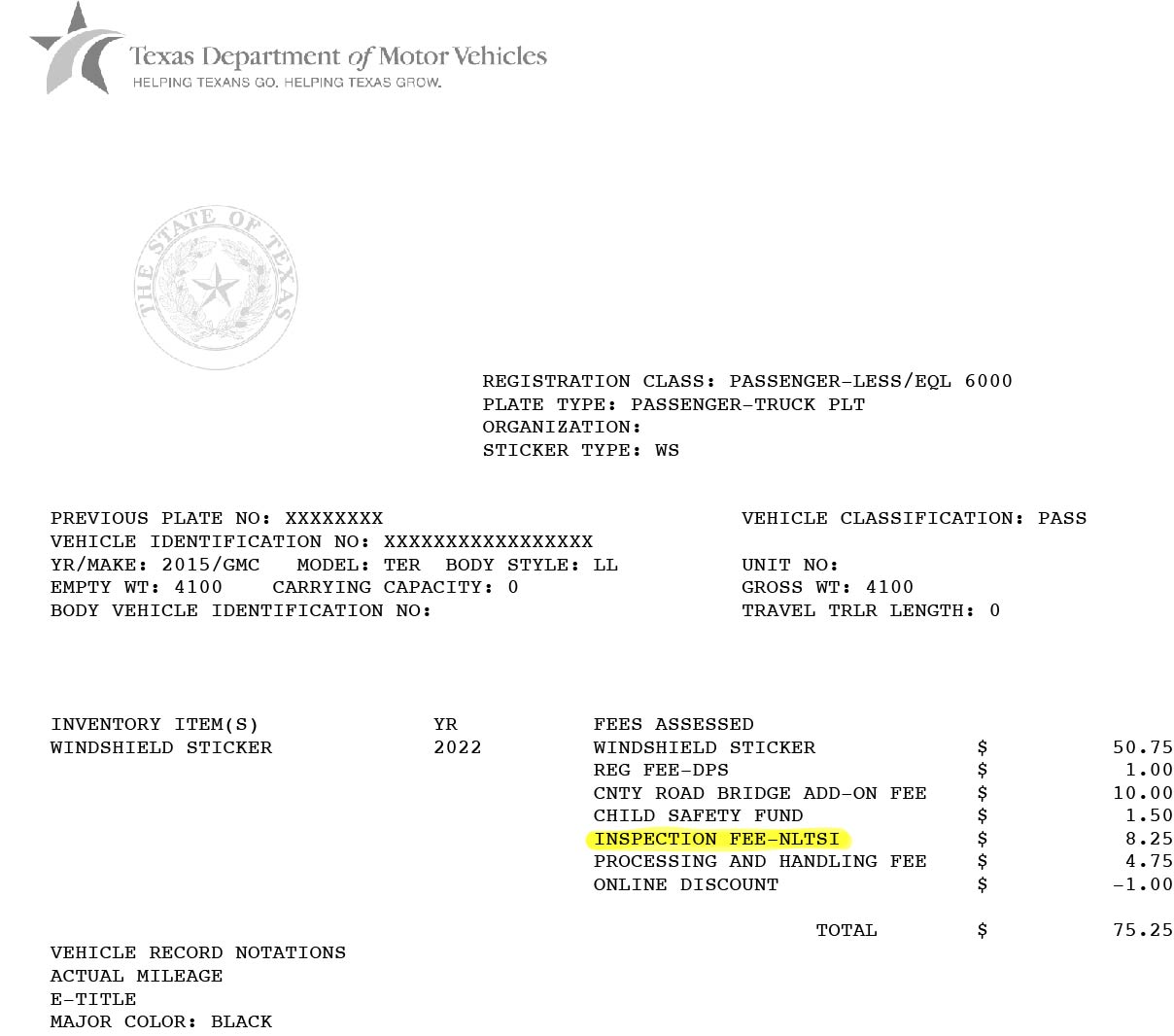
At the heart of Texas car registration is the state’s base registration fee. For most passenger vehicles, this standard fee is remarkably consistent across the state. As of recent updates, the base fee for a passenger car or light truck is $50.75. This figure is a fixed charge designed to support state-level road maintenance, transportation projects, and the overall administration of the vehicle registration system by the Texas Department of Motor Vehicles (TxDMV).
It’s important to note that while $50.75 is the general rate for standard passenger vehicles, other vehicle types have different base fees. For instance:
- Motorcycles: Typically have a lower base fee, often around $30.
- Commercial Vehicles: Fees for commercial trucks and heavy vehicles are significantly higher, calculated based on their weight and intended use. These can range from hundreds to thousands of dollars annually, reflecting the greater impact heavier vehicles have on road infrastructure.
- Trailers: Non-commercial trailers also have their own fee structure, usually much lower than passenger vehicles.
For individuals planning to move to Texas or those considering purchasing a new vehicle, factoring in this base fee is a fundamental part of their financial planning. It’s a non-negotiable expense that every vehicle owner must account for annually.
Beyond the Basics: County Road and Bridge Fees
In addition to the state’s base fee, many counties in Texas levy an additional charge known as the County Road and Bridge Fee. This fee is specifically designated to fund local road maintenance and bridge repair projects within that particular county. The amount of this fee is not uniform statewide; rather, it’s determined at the county level, allowing local authorities to address their specific infrastructure needs.
This fee can be up to $10 in most counties. While it might seem like a small addition, it’s crucial to include it in your total calculation. For example, residents in populous areas like Harris County (serving Houston), Dallas County, or Travis County (serving Austin) will typically pay this extra charge, contributing directly to the upkeep of the roads they use daily. When preparing to register your vehicle, it’s wise to check with your specific county’s Tax Assessor-Collector’s office or the TxDMV website to confirm the exact amount of this localized fee.
The Mandatory Precursor: Vehicle Inspection
Before you can even think about renewing your vehicle registration in Texas, your vehicle must pass an annual safety inspection. This crucial step is not just a formality; it’s a fundamental part of ensuring all vehicles on Texas roads meet minimum safety standards, thereby protecting drivers, passengers, and pedestrians. The cost of this inspection is separate from the registration fees but is a prerequisite for obtaining your registration sticker.
The cost of a safety inspection typically ranges from around $7 to $25, depending on the type of vehicle and the inspection station. During the inspection, a certified inspector will check various components of your vehicle, including:
- Brakes
- Lights (headlights, tail lights, turn signals, brake lights)
- Tires
- Steering and suspension
- Windshield wipers
- Horn
- Seatbelts
- Mirrors
- Window tinting (to ensure it meets legal limits)
It’s imperative to complete your inspection successfully before your registration expires. Without a valid inspection certificate, you will not be able to renew your vehicle’s registration. This means planning ahead, especially if your vehicle might require repairs to pass the inspection. Neglecting this step can lead to delays in registration and potentially fines if caught driving with an expired sticker.
Calculating Your Total: A Detailed Breakdown
While the base fee, county fee, and inspection cost form the core of your registration expenses, several other factors can influence the final amount you pay. These include emissions testing requirements in specific urban areas, additional considerations for new Texas residents bringing vehicles from out of state, and optional add-ons like specialty license plates. A comprehensive understanding of these potential costs is essential for accurate financial planning, whether you’re embarking on a relocation journey or simply managing your annual vehicle expenses.
Emissions Testing: For Specific Urban Areas
Beyond the basic safety inspection, certain counties in Texas also require an annual emissions test. This requirement is primarily enforced in the state’s major metropolitan areas, where vehicle emissions have a greater impact on air quality. The purpose of these tests is to ensure vehicles meet federal and state clean air standards, reducing harmful pollutants that contribute to smog and other environmental concerns.
The counties currently requiring emissions testing include:
- Houston-Galveston-Brazoria area: This includes Brazoria, Fort Bend, Galveston, Harris, Montgomery, and Waller Counties.
- Dallas-Fort Worth area: This includes Collin, Dallas, Denton, Ellis, Johnson, Kaufman, Parker, Rockwall, and Tarrant Counties.
- El Paso County
- Travis County (serving Austin)
- Williamson County
The emissions test is performed simultaneously with the safety inspection at certified inspection stations. The additional cost for the emissions portion of the inspection typically ranges from $11.50 to $18.50. If you reside in or are moving to one of these designated counties, you must factor this into your annual vehicle expenses. Failure to pass the emissions test will prevent you from renewing your registration until necessary repairs are made and the vehicle passes re-inspection.
New Residents: Registering an Out-of-State Vehicle
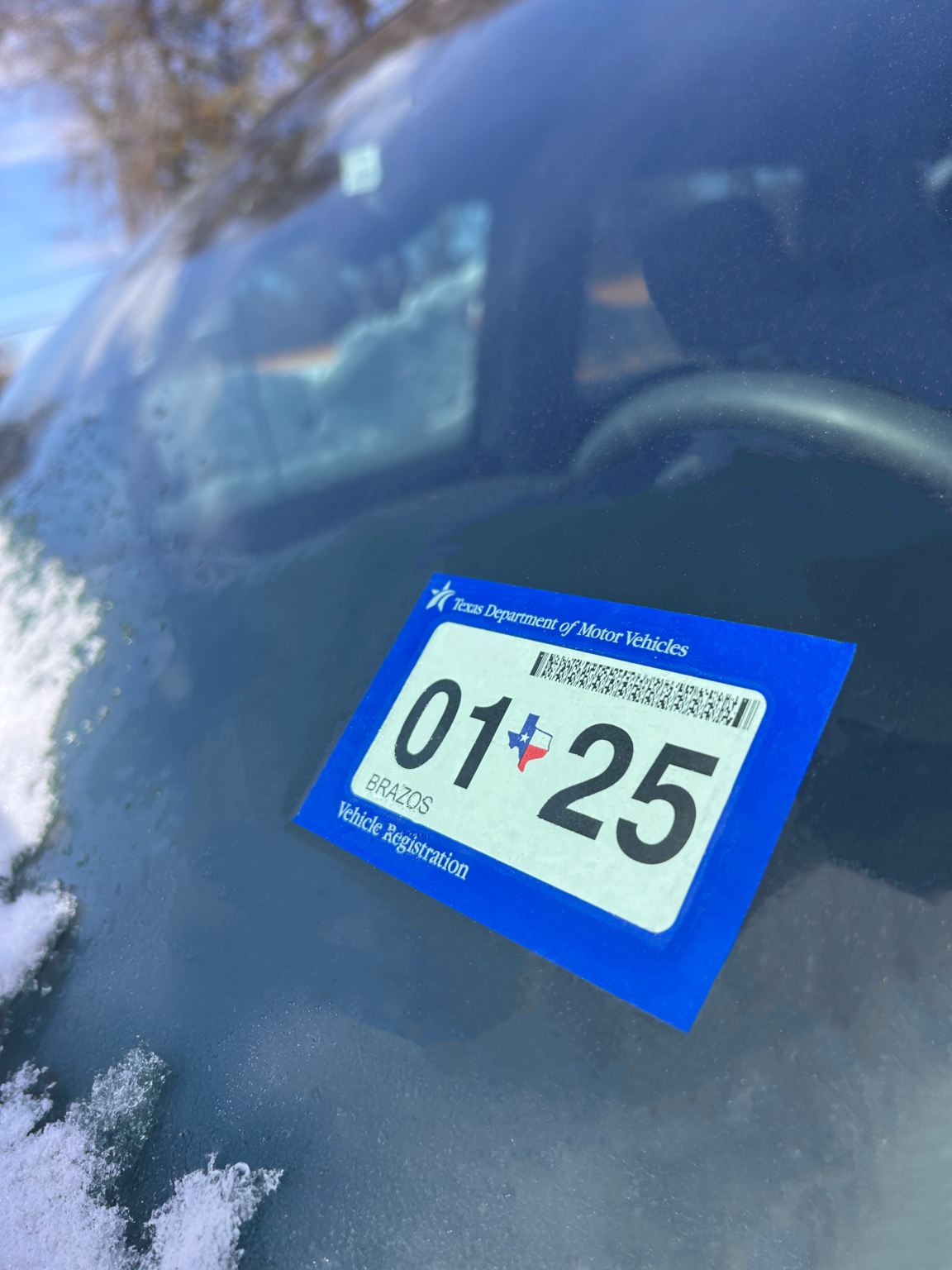
For individuals relocating to Texas, the car registration process involves a few extra steps and potential fees beyond what existing residents typically face. New residents are generally required to register and title their out-of-state vehicles within 30 days of establishing residency in Texas. This process is crucial for legal compliance and ensures your vehicle meets Texas standards.
Here’s what new residents should prepare for:
- Texas Vehicle Inspection: Just like long-time residents, your vehicle must pass a Texas safety inspection (and emissions test if applicable) before you can register it.
- Title Application Fee: When you apply for a new Texas title for your out-of-state vehicle, there is a fee, typically around $33. This fee covers the administrative cost of issuing your new title.
- Sales Tax (Motor Vehicle Tax): This is a significant consideration. If you purchased your vehicle in another state and did not pay at least 6.25% sales tax, Texas will charge you the difference up to 6.25% of the vehicle’s standard presumptive value or the sales price, whichever is greater. If you paid more than 6.25% in your previous state, you generally won’t owe additional sales tax to Texas for vehicles you already owned. However, vehicles newly purchased by a Texas resident (even if out of state) or vehicles transferred from outside the immediate family often incur the full 6.25% sales tax on their value.
- Proof of Ownership: You’ll need your out-of-state title or current registration to prove ownership. If there’s a lienholder, they may hold the title, requiring additional paperwork to obtain it.
Understanding these additional steps and costs is vital for a smooth relocation, preventing unexpected expenses and ensuring a seamless transition to life in the Lone Star State. It’s often advisable to visit a County Tax Assessor-Collector’s office shortly after arriving in Texas to get personalized guidance.
Specialty Plates and Other Potential Add-ons
While not mandatory, many vehicle owners opt for personalized or specialty license plates, which come with their own additional annual fees. These plates allow drivers to showcase their personality, support a cause, or represent an organization.
Examples include:
- Personalized Plates: You can create your own custom message, subject to availability and approval. These typically cost an additional $30 to $150 per year, depending on the number of characters and plate design.
- Organizational/Cause Plates: These plates support various charitable organizations, universities, professional associations, or military branches. A portion of the fee often goes directly to the supported entity. Costs vary widely but generally range from $30 to $50 annually in addition to your standard registration.
- Classic/Antique Vehicle Plates: Owners of qualifying classic or antique vehicles may be eligible for special plates, which often have different fee structures and sometimes offer multi-year registration options.
It’s also important to remember the cost of late fees. If you fail to renew your vehicle registration by its expiration date, you will incur penalties. These can include a late registration fee (typically around $25-$50, but can be more) on top of your standard registration costs, and potential citations or tickets from law enforcement, which can add hundreds of dollars in fines. Avoiding these penalties by renewing on time is always the most cost-effective approach.
Navigating the Registration Process Smoothly
Once you understand the various costs involved in Texas car registration, the next step is to prepare for and execute the registration process itself. While straightforward, having all your documentation in order and knowing your options for renewal can save you time, hassle, and potential fines. A smooth registration experience ensures you can enjoy the freedom of the open road across Texas without unnecessary administrative burdens.
Required Documentation
Before you head to the County Tax Assessor-Collector’s office or attempt to renew online, gather all the necessary documents. Missing even one item can delay your registration significantly. Here’s a checklist of what you’ll typically need:
- Proof of Insurance: Texas law requires all drivers to carry minimum liability insurance. You’ll need to show proof of current insurance coverage for the vehicle you are registering. This can be your insurance card or a policy document.
- Vehicle Inspection Report: As previously mentioned, your vehicle must pass its annual safety inspection (and emissions test, if applicable) before registration. The inspection station will provide you with a Vehicle Inspection Report (VIR), which is electronically transmitted to the TxDMV. While they often have this on file, it’s always wise to have a physical or digital copy of your VIR for your records.
- Current Registration/Renewal Notice: For renewals, having your current registration receipt or the renewal notice sent by the TxDMV is helpful, as it contains your vehicle’s license plate number, Vehicle Identification Number (VIN), and other pertinent information.
- Proof of Ownership/Title: For new registrations (especially for vehicles new to Texas or recently purchased), you’ll need the vehicle’s title. If the vehicle has a lien, you may need a copy of the title or other documentation from the lienholder.
- Valid Identification: Your Texas driver’s license or another form of valid photo identification is usually required.
Having these documents readily available will streamline your registration experience, whether you’re handling it in person or online.
Where and How to Register
Texas offers several convenient options for vehicle registration and renewal, catering to different preferences and situations:
- Online Renewal: For eligible vehicles, renewing your registration online through the official TxDMV website is often the quickest and easiest method. This option is generally available if your vehicle has passed inspection, your insurance is current, and you haven’t recently changed your address. A small online processing fee may apply. After successful renewal, your new registration sticker and license plate will be mailed to you.
- In-Person at the County Tax Assessor-Collector’s Office: This is the most common method, especially for new registrations, transfers, or if you prefer face-to-face assistance. Each county in Texas has an office where you can complete the process. You’ll present your documents, pay the fees, and usually receive your new registration sticker and license plates on the spot.
- Mail Renewal: While less common now with online options, some individuals still choose to renew their registration by mail. You would typically send your renewal notice, proof of insurance, and payment to your County Tax Assessor-Collector’s office. This method takes longer, as you’ll have to wait for your new stickers to be mailed back.
- Substations/Approved Vendors: In some counties, certain grocery stores or private vendors are authorized to process registration renewals. These often provide a convenient option for quick renewals without having to visit the main county office.
Choosing the right method depends on your specific needs, the urgency of your renewal, and whether you require assistance with complex situations like new vehicle titling or out-of-state transfers.
Timing is Everything: Renewal Periods and Penalties
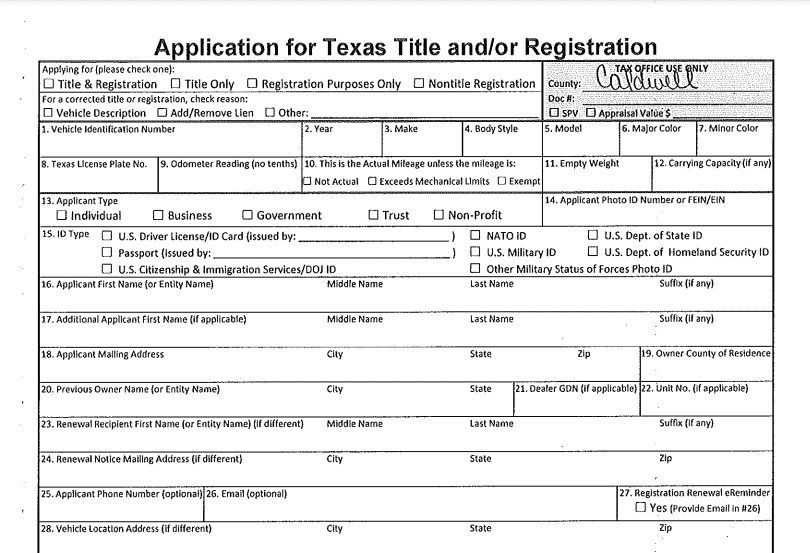
Vehicle registration in Texas is an annual process. Your registration sticker displays the expiration month and year, which is typically tied to the month you originally registered the vehicle. It is your responsibility to renew your registration before it expires.
- Renewal Grace Period: Texas typically provides a five-business-day grace period after the expiration date printed on your sticker. However, it is always best practice to renew before this period begins, as driving with an expired registration sticker can lead to immediate consequences.
- Consequences of Late Registration: Driving with an expired registration is a traffic offense in Texas and can result in:
- Fines and Tickets: Law enforcement can issue citations, which often come with fines that can significantly exceed the cost of registration itself, sometimes ranging from $100 to over $200.
- Impoundment: In some cases, especially if registration is significantly overdue or combined with other offenses, your vehicle could be impounded, leading to additional towing and storage fees.
- Late Registration Fees: As mentioned earlier, even if you avoid a ticket, you’ll still pay a late fee when you eventually renew your registration.
To avoid these stressful and costly penalties, mark your calendar, set reminders, and take action well in advance of your registration expiration date. The TxDMV usually sends renewal notices by mail, but relying solely on these is not advised, as they can sometimes be delayed or lost.
Beyond the Sticker: Why Understanding Registration Matters for Travelers and Residents
While understanding “How Much Texas Car Registration?” costs and the process itself might seem like a mere administrative task, it carries significant implications for both residents and visitors eager to explore the vastness of the Lone Star State. From effective budgeting for a new life in Texas to ensuring seamless cross-state adventures, proper vehicle registration is more than just a legal requirement – it’s a cornerstone of responsible vehicle ownership that enhances your overall experience.
Budgeting for Your Texas Lifestyle
For anyone considering a move to Texas, integrating car registration costs into your overall budget is a crucial step in financial planning. The state boasts a relatively affordable cost of living compared to some other major United States regions, which is often a draw for new residents. However, vehicle ownership comes with ongoing expenses that extend far beyond the purchase price, and registration is a non-negotiable part of that.
When planning your budget, remember to consider:
- Total Annual Vehicle Costs: Beyond registration, factor in car insurance (which can vary widely by region, driver profile, and vehicle type), fuel costs (which fluctuate but are a significant expense in a state as large as Texas), and routine maintenance.
- Relocation Expenses: For new residents, the initial registration and titling of an out-of-state vehicle might involve higher upfront costs due to sales tax implications or additional fees, as detailed earlier. Budgeting for these initial expenses can prevent financial strain during your transition.
- Long-Term Stays and Road Trips: If you’re embarking on an extended stay or planning an extensive road trip across Texas, understanding these costs helps you allocate funds effectively, ensuring you have enough for accommodation, attractions, food, and unexpected travel expenses without being caught off guard by vehicle-related necessities.
By taking a holistic view of vehicle ownership costs, you can ensure your Texas lifestyle, whether permanent or temporary, remains enjoyable and financially stable.
Exploring Texas: Freedom on the Open Road
The sheer size and diverse geography of Texas make a car almost indispensable for truly experiencing its unique charm. From the historic landmarks of San Antonio and the vibrant music scene of Austin to the stunning desert landscapes of Big Bend National Park and the sandy beaches of the Gulf Coast near Corpus Christi and Galveston, countless destinations are best explored by car. The freedom of the open road allows you to discover hidden gems, follow scenic routes, and create your own itinerary at your own pace.
However, this freedom comes with the responsibility of legal compliance. Proper vehicle registration is not just a bureaucratic hurdle; it’s a fundamental requirement that ensures your vehicle is legally allowed to operate on public roads. Driving an unregistered vehicle can lead to significant disruptions to your travel plans, including fines, legal troubles, and even impoundment, effectively bringing your adventure to a halt. By ensuring your vehicle is correctly registered and inspected, you safeguard your ability to travel freely and without worry, making your Texas explorations truly seamless and enjoyable. It means you can focus on the breathtaking views, the unique culture, and the unforgettable experiences, rather than administrative anxieties.
A Seamless Relocation Experience
For those making Texas their new home, navigating the car registration process efficiently is a key step in a seamless relocation experience. Moving to a new state involves countless logistical challenges, from finding new accommodation to setting up utilities and adapting to new routines. Getting your vehicle properly titled and registered within the stipulated timeframe (usually 30 days) is not just about avoiding penalties; it’s about fully integrating into your new community and establishing legal residency.
Proactively understanding the requirements, gathering the necessary documents, and budgeting for the associated costs will remove one significant stressor from your relocation checklist. It signifies that you are fully prepared to meet the responsibilities of being a Texas resident, allowing you to settle in faster and start enjoying your new life in the Lone Star State with confidence. Whether your journey leads you to the bustling tech hubs, the charming small towns, or the tranquil countryside, having your vehicle registration in order ensures that you’re always ready to hit the road and experience everything Texas has to offer.
LifeOutOfTheBox is a participant in the Amazon Services LLC Associates Program, an affiliate advertising program designed to provide a means for sites to earn advertising fees by advertising and linking to Amazon.com. Amazon, the Amazon logo, AmazonSupply, and the AmazonSupply logo are trademarks of Amazon.com, Inc. or its affiliates. As an Amazon Associate we earn affiliate commissions from qualifying purchases.